
Main Courses
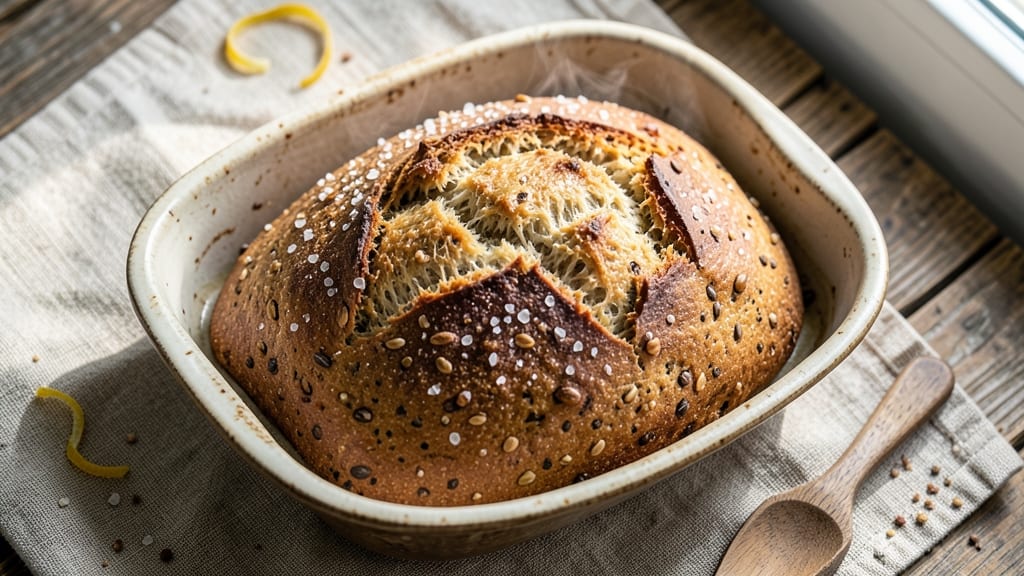
This 1 loaf whole wheat bread recipe delivers a nutty, hearty loaf with golden crust and tender crumb—no complicated kneading required. I developed it after years of experimenting with whole grain breads that either turned dense or crumbled. The secret lies in a precise blend of whole wheat flour and vital wheat gluten, which creates structure without sacrificing texture.
The no-fuss method uses a stand mixer for minimal effort, with just 30 minutes of active time before letting the dough rise naturally. This approach yields a loaf that's rich in fiber and flavor, with a satisfying chew that whole wheat bread often lacks.
The recipe includes optional add-ins like seeds or honey for customization, but the base remains foolproof.
By the time it emerges from the oven, you'll have a crusty exterior and moist interior with a subtle sweetness from the whole grains. The aroma alone makes it worth the wait—warm, nutty, and inviting. Perfect for toast, sandwiches, or enjoying fresh with butter.
This recipe scales beautifully for feeding a crowd or making ahead for meal prep. The dough can be refrigerated overnight for enhanced flavor development. Let's get started!
Ingredients for 1 loaf whole wheat bread
Whole wheat flour, vital gluten, and a touch of butter create a loaf with nutty flavor and satisfying chew.
| Ingredient | Amount | Notes |
|---|---|---|
| Whole Wheat Flour 🌾 | 3 cups | High-protein preferred for better texture |
| Vital Wheat Gluten 🌾 | ½ cup | Essential for structure and chew |
| All-Purpose Flour 🌾 | 1 cup | Balances whole wheat density |
| Active Dry Yeast 🍞 | 2 ¼ tsp | Ensure yeast is fresh (test in warm water) |
| Granulated Sugar 🍚 | 1 tbsp | Feeds yeast for proper rise |
| Salt 🧂 | 1 ½ tsp | Kosher or sea salt preferred |
| Unsalted Butter 🧈 | ½ cup | Cold, cubed for even distribution |
| Warm Water 💧 | 1 ¼ cups | 110-115°F for optimal yeast activation |
| Honey 🍯 | 1 tbsp | Optional for subtle sweetness |
| Flaxseeds 🌱 | 2 tbsp | Optional for added nutrition |
| Sesame Seeds 🌿 | 1 tbsp | Optional for crunchy topping |
| Cornmeal 🌽 | ¼ cup | For dusting loaf pan |
| Egg Wash 🥚 | 1 whole | 1 egg beaten with 1 tsp water |
The whole wheat flour makes or breaks this recipe. Bob's Red Mill or King Arthur brands are my go-tos—they're finely milled and consistent. Vital wheat gluten is non-negotiable; it's what gives this loaf its signature chew without turning dense. Most grocery stores carry it in the baking aisle, but if you can't find it, Amazon or specialty stores have it. For the butter, I always use Plugrá or Land O'Lakes unsalted—they're reliable for baking. The honey? Any variety works, but local raw honey adds subtle floral notes that pair beautifully with the whole grains.
No vital wheat gluten? Substitute with an extra 0.5 cup all-purpose flour, but expect a less dense crumb. Short on honey? Maple syrup or agave work 1:1. The flaxseeds and sesame seeds are optional, but if you skip them, add an extra tablespoon of flour to compensate. For the yeast, if it's older than a few months, test it first in warm water—it should foam within 5-10 minutes. If it doesn't, toss it and start fresh. The cornmeal is just for dusting the pan, but if you're out, semolina or all-purpose flour will work in a pinch.
This dough is best made fresh, but you can refrigerate it overnight for enhanced flavor development. Wrap it tightly in plastic and let it sit at room temperature for 1-2 hours before baking the next day. The finished loaf keeps well at room temperature for 3-4 days in a bread bag, or you can freeze slices for up to 3 months. For best results, toast slices straight from the freezer—no thawing needed. The crust stays crispy for about 2 days, so enjoy it fresh or store it in an airtight container.
Why You'll Love This Recipe
- No-Knead Magic: I’ll be real—this bread requires zero of the elbow grease I used to dread. The vital wheat gluten and all-purpose blend create a light texture without the fuss, and honestly? My dough comes together in five minutes flat.
- Nutty, Toasty Crunch: That touch of granulated sugar caramelizes just enough to give the crust a subtle sweetness, while the whole wheat adds a deep, toasty bite. It’s the kind of bread that makes toast taste like a breakfast revelation—no fancy artisanal loaf needed.
- Weeknight Workhorse: Between us, this is my go-to for sandwiches, charcuterie boards, or even a quick French toast. It freezes beautifully too—toss a slice in the toaster straight from the freezer when you’re too tired to think.
- Pantry Stretch: I buy whole wheat flour in bulk, and this recipe uses just enough to make it feel intentional, not wasteful. A single loaf lasts my family five days, and the leftovers? Perfect for croutons or breadcrumbs when I’m too lazy to bake.
Step-by-step instructions for whole wheat bread
This method delivers a nutty, hearty loaf with minimal effort—no stand mixer required.
Activate the Yeast and Mix the Dough
In a large mixing bowl, combine the 1.25 cups warm water (between 110-115°F) with 1 tbsp granulated sugar and 2.25 tsp active dry yeast. Let it sit for 5-10 minutes until frothy—this confirms the yeast is alive. If it doesn’t bubble, start fresh with new yeast.
Add the 3 cups whole wheat flour, 1 cup all-purpose flour, 0.5 cup vital wheat gluten, 1.5 tsp salt, and 0.5 cup cold unsalted butter (cut into small cubes). Mix with a wooden spoon until a shaggy dough forms. The gluten will start developing as you work it—this is what gives whole wheat bread its structure.
Gradually add 1 tbsp honey and 2 tbsp flaxseeds, mixing until fully incorporated. The dough will be sticky, but that’s normal. If it’s too dry, add 1 tsp warm water at a time until just combined. Cover the bowl with a damp towel and let it rest for 15 minutes—this relaxes the gluten for easier handling.
Knead the Dough by Hand
Turn the dough onto a lightly floured surface and knead for 8-10 minutes until smooth and elastic. Press down firmly with the heels of your hands, then fold and rotate the dough. You’ll know it’s ready when it springs back slowly when poked—this indicates proper gluten development.
If the dough feels too sticky, wet your hands slightly to prevent sticking. Avoid adding too much flour, as it can make the bread dense. Once kneaded, place the dough back in the bowl, cover it, and let it rise in a warm place for 1-1.5 hours or until doubled in size. A good test is to poke the dough with a finger—if it leaves a slight indent that doesn’t spring back, it’s ready.
Shape and Second Rise
Gently deflate the dough and shape it into a loaf by folding the edges toward the center. Place it seam-side up in a 9x5-inch loaf pan dusted with 0.25 cup cornmeal. The cornmeal prevents sticking and adds a subtle crunch to the crust.
Cover the pan with a damp towel and let the dough rise for another 30-45 minutes until it domes slightly above the pan. Preheat your oven to 375°F during this time—this ensures the bread bakes evenly from the start.
Bake to Golden Perfection
Brush the risen dough with the 1 whole egg wash (1 egg beaten with 1 tsp water). Sprinkle 1 tbsp sesame seeds evenly over the top for added texture and flavor. Bake for 35-40 minutes until the bread is deep golden brown and sounds hollow when tapped on the bottom.
If the top browns too quickly, tent the pan loosely with foil after 20 minutes to prevent over-browning. The internal temperature should reach 190-200°F—use an instant-read thermometer for accuracy. Let the bread cool in the pan for 10 minutes, then transfer to a wire rack to finish cooling completely.
Slice and Serve
Once fully cooled, slice the bread with a serrated knife for clean cuts. The interior should be moist but not gummy, with a fine crumb and nutty flavor from the whole wheat flour. Store wrapped at room temperature for 2-3 days or freeze slices for up to 3 months to preserve freshness.
This bread pairs perfectly with soups, butter, or as toast with avocado. The addition of flaxseeds and sesame seeds adds a satisfying crunch and extra nutrition, making it a well-rounded loaf for any meal.
Pro Tips For Making 1 Loaf Whole Wheat Bread
- Mix the Gluten First: Mix the vital wheat gluten with the whole wheat flour before adding liquids—this ensures it hydrates properly and strengthens the dough. I learned this the hard way when my bread turned dense; the gluten needs to soak up moisture to do its job.
- Use Warm Water, Not Hot: The yeast thrives in water that’s 105–110°F (40–43°C)—not boiling, not ice cold. Test it by dropping a thermometer in or using your finger: it should feel like bathwater, not a sauna. Too hot kills the yeast; too cold makes it lazy.
- Skip the Over-Kneading: Whole wheat dough is tougher than all-purpose, so resist the urge to knead it into submission. Aim for 8–10 minutes by hand (or 5–6 in a stand mixer) until it’s smooth but slightly tacky—overworking it makes bread gummy.
- Let It Rise Twice: A single rise won’t cut it. After the first rise (1–1.5 hours), punch down the dough and let it rise again for another 45–60 minutes. This second rise develops flavor and texture—my bread used to taste flat until I doubled down on patience.
Common mistakes when making perfect results
Yeast Failures
Nothing ruins bread faster than dead yeast. Always test your yeast by mixing 2.25 tsp active dry yeast with 1 tsp sugar and ¼ cup warm water (110-115°F). If it doesn't bubble within 5-10 minutes, replace it immediately.
I've wasted dough using expired yeast—trust me, your nose will know if it's off. Store yeast in the freezer for freshness up to 6 months. 🍞
Over-Kneading
Whole wheat dough is delicate—over-kneading develops too much gluten, making bread tough. Knead just until smooth (8-10 minutes by hand) and elastic. If the dough springs back quickly when poked, you've gone too far.
I once made bread so dense it could've been a doorstop. The key is gentle folds rather than aggressive punching. 💪
Skipping Vital Gluten
This is the #1 mistake with whole wheat bread. Without 0.5 cup vital wheat gluten, your loaf will collapse or turn gummy. The gluten compensates for whole wheat's lack of natural elasticity.
I learned this the hard way when my first attempt crumbled like a stale cracker. Store gluten in an airtight container to prevent moisture absorption. 🌾
Temperature Troubles
Water that's too hot kills yeast instantly, while cold water won't activate it. Aim for 110-115°F—test with your elbow (should feel warm, not hot). Oven temp matters too: 375°F is ideal, but older ovens run hot.
Use an oven thermometer to verify. My first loaf burned because I trusted my oven's gauge—never again! ⚡
Underproofing
Rushing the rise is a common mistake. Dough needs 1-1.5 hours to develop flavor and structure. Underproofed bread will be dense and flat. Test readiness by poking dough—if it springs back slowly, it's ready.
I once cut into dough too early and got a pancake instead of bread. Patience is key! ⏳
Pan Prep Neglect
Greasing your pan isn't enough—whole wheat dough sticks like glue. Dust with 0.25 cup cornmeal for a crisp crust and easy release. I've had loaves tear apart when pulling them from poorly prepped pans. For extra insurance, brush pan sides with melted butter before adding dough. 🧈
Nutrition facts
Frequently asked questions
Can I make this recipe without vital wheat gluten?
The recipe relies on vital wheat gluten to create structure in whole wheat bread, which lacks natural gluten elasticity. If you omit it, your loaf may turn dense or crumble. As a substitute, try adding 0.5 cup extra all-purpose flour, but expect a less satisfying texture. For best results, use the gluten as directed—it's what gives this bread its signature chew!
How do I know when the dough is fully risen?
Test dough readiness by poking it gently with your finger. If it leaves a slight indent that doesn't spring back immediately, it's ready. For this recipe, the first rise should take 1-1.5 hours and the second rise 30-45 minutes. A warm spot like the oven with the light on helps speed up rising. Don't rush it—underproofed dough leads to dense bread!
Can I add other seeds or mix-ins besides flaxseeds and sesame seeds?
Try adding 1 tbsp pumpkin seeds, sunflower seeds, or even chopped nuts like walnuts for extra flavor. Just reduce the flour by 1 tbsp to maintain dough consistency. Popular add-ins include dried fruits like raisins or cranberries, but soak them first to prevent drying out the bread.
Why did my bread turn out gummy instead of moist?
Gummy texture usually means the dough was overworked or underproofed. Whole wheat dough is delicate—knead just until smooth (8-10 minutes) and avoid adding extra flour. Also, ensure your yeast is active and the water is 110-115°F. For a moister crumb, try adding 1 tbsp extra honey or 1 tbsp olive oil to the dough.
How should I store leftover bread?
Wrap the cooled loaf tightly in plastic wrap or store in an airtight container to maintain freshness. It stays good at room temperature for 3-4 days. For longer storage, freeze slices wrapped in parchment paper for up to 3 months. Toast frozen slices directly from the freezer for best results—they'll be crispy on the outside and soft inside!