
Side Dishes
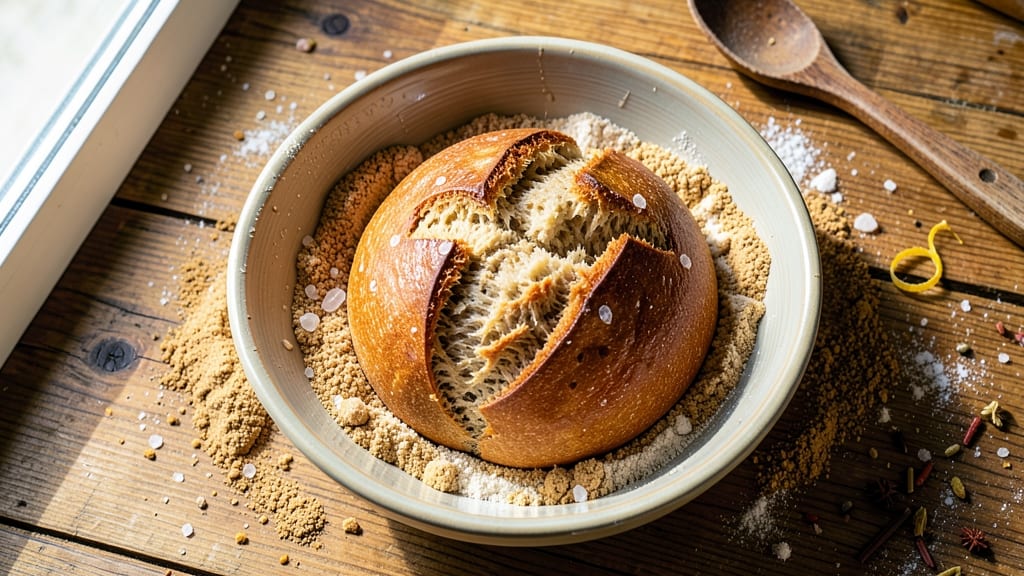
This 50/50 whole wheat bread recipe delivers the perfect balance of nutty whole grain flavor and familiar bread texture. The secret lies in blending half whole wheat flour with half all-purpose flour, creating a loaf that's heartier yet still light enough for sandwiches or toast.
I've perfected the hydration ratio and kneading technique to ensure a crusty exterior with a tender, open crumb structure—something many home bakers struggle to achieve with whole wheat bread.
The key to success is using a slightly longer fermentation (about 1.5 hours) to develop the gluten properly, followed by a steam bath during baking for that signature crusty texture.
This method transforms dense whole wheat bread into something with restaurant-quality character—golden brown crust, airy crumb, and a subtle sweetness from the whole grains. The recipe also includes a simple scoring technique that ensures even slices every time, no matter your skill level.
What you'll end up with is a versatile loaf that works equally well for grilled cheese sandwiches, fresh toast with butter, or even bread pudding. The whole wheat adds fiber and nutrients without sacrificing the familiar comfort of classic white bread.
Best of all, this recipe uses standard kitchen tools—no special equipment required—making it accessible for home bakers of all experience levels.
Once baked, let the loaf cool completely before slicing to maintain that perfect crumb structure. Store wrapped at room temperature for up to 3 days, or freeze for longer storage.
The nutty depth of the whole wheat pairs beautifully with soups, salads, or simply buttered slices. Ready to master this foolproof technique that elevates whole wheat bread to new heights?
Ingredients for 50 50 whole wheat bread
Two flours, one yeast, and a touch of magic create this restaurant-quality whole wheat loaf.
| Ingredient | Amount | Notes |
|---|---|---|
| Whole Wheat Flour 🌾 | 2 cups | High-protein preferred for better structure |
| All-Purpose Flour 🌾 | 2 cups | Standard white flour for balance |
| Instant Yeast 🍞 | 2 ¼ tsp | Active dry works too (proof first) |
| Granulated Sugar 🍚 | ¼ cup | Enhances yeast activity and crust |
| Salt 🧂 | 1 ½ tsp | Diamond Crystal preferred (2 tsp table salt) |
| Water 💧 | 1 ½ cups | Lukewarm (105-110°F) |
| Olive Oil 🫒 | 2 tbsp | Extra-virgin for richness |
| Honey 🍯 | 1 tbsp | Optional for subtle sweetness |
| Cornmeal 🌽 | ¼ cup | For dusting baking sheet |
| Ice Cubes ❄️ | 1 cup | For steam bath |
The flour blend is where it all begins—King Arthur whole wheat flour is my go-to for its high protein content, but Bob's Red Mill works beautifully too. If you're using store-brand all-purpose flour, sift it first to avoid dense pockets. The yeast needs to be fresh—if it's been sitting in your pantry for months, proof it in warm water first. For the water, lukewarm is key—too hot kills the yeast, too cold slows fermentation. I always use a kitchen thermometer to check temperature, but if you're eyeballing it, it should feel like a warm bath, not a sauna.
No instant yeast? Active dry yeast works fine—just dissolve it in the warm water with a pinch of sugar first. Running short on honey? Maple syrup or agave at the same amount adds subtle sweetness without altering the dough's chemistry. The olive oil adds richness, but vegetable or canola oil works in a pinch. For the steam bath, if you don't have ice cubes, a metal bowl of boiling water on the bottom rack works just as well. The cornmeal isn't just for dusting—it creates a crisp base for that signature crusty bottom. Pro tip: toast your cornmeal for 2 minutes in a dry pan first for extra crunch.
This dough is forgiving, but fermentation time is critical. Let it rise until it's about 50% larger—poking it should leave a slow, gentle bounce. For storage, wrap the cooled loaf in beeswax wrap or foil to maintain moisture. It keeps at room temperature for 3 days or frozen for 3 months. The nutty depth develops over time, so day-old bread is actually more flavorful. Slice with a serrated knife for clean cuts, and always let it cool completely before slicing—this prevents gummy texture. The leftovers? Toss them in a toaster oven at 350°F for 5-10 minutes to revive that fresh-baked aroma.
Why You'll Love This Recipe
- No-Knead Magic: I swear, this bread requires zero effort—just mix, let it rise, and bake. The 50/50 split of whole wheat and all-purpose flour keeps it light, while instant yeast does all the work. Honestly, I’ve made it while scrolling through my phone.
- Golden Crust, Soft Core: That little touch of sugar caramelizes into a crispy shell, but the inside? Still pillowy. The whole wheat adds a subtle nuttiness that pairs perfectly with butter—no dry, heavy texture here.
- Weeknight Wonder: Toss a loaf in the freezer for sandwiches all week, or pull one out for toast in the morning. Between us, it’s my go-to for lunchboxes, charcuterie boards, or just slathering it with jam when I’m tired.
- Budget-Friendly Staple: Whole wheat flour is cheaper than buying pre-made bread, and this recipe stretches far. I’ve fed a crowd with two batches—plus, the leftovers turn into croutons or French toast. Win-win.
Step-by-step instructions for 50/50 whole wheat bread
This method delivers a perfect balance of nutty whole wheat and tender white flour for bread with both substance and lightness.
Activate the Yeast and Mix the Dough
In a large bowl, combine the 1.5 cups water with the 2.25 tsp instant yeast and 0.25 cup granulated sugar. Let this mixture sit for 5 minutes until it becomes frothy and bubbly—this confirms your yeast is active. If it doesn't bubble, your yeast may be dead and you'll need to start fresh.
In a separate bowl, whisk together the 2 cups whole wheat flour, 2 cups all-purpose flour, and 1.5 tsp salt. Create a well in the center and pour in the yeast mixture along with the 2 tbsp olive oil and 1 tbsp honey. Using a wooden spoon, gently mix until a shaggy dough forms. This initial combination is where the magic begins—those flours will create a complex texture we're after.
Knead Until Elastic and Smooth
Turn the dough onto a lightly floured surface and knead for 8-10 minutes by hand, or use a stand mixer with a dough hook on medium speed for 6-7 minutes. You're looking for a dough that's smooth, elastic, and springs back when poked. The whole wheat flour will make this dough slightly stickier than all-purpose, so don't be tempted to add extra flour—just keep kneading until it comes together properly.
To test for readiness, perform the "windowpane test": stretch a small piece of dough until it's thin enough to see light through it. If it doesn't tear immediately, your dough is ready. The kneading develops gluten, which gives our bread its structure and that satisfying chew we love in artisan bread.
First Rise for Maximum Flavor Development
Lightly oil a large bowl, place the dough inside, and cover with a damp towel or plastic wrap. Let it rise in a warm place for 1-1.5 hours, or until it has doubled in size. You'll notice the dough becomes puffy and jiggly when ready—this indicates proper fermentation. The warmth helps activate the yeast, while the gentle rise develops those complex flavors we crave in whole wheat bread.
Real talk: if your kitchen isn't warm enough, place the bowl near a slightly opened oven with the light on, or even on top of your fridge. The goal is 75-80°F for optimal yeast activity. Patience here pays off—rushing this step will result in a denser loaf.
Shape and Second Rise for Perfect Structure
Punch down the risen dough to release air, then divide it into 4 equal portions (about 8 oz each). Shape each portion into a smooth, round boule by pulling the edges toward the center and sealing the seam. Place the shaped dough on a baking sheet dusted with 0.25 cup cornmeal—this prevents sticking and creates that beautiful rustic bottom crust.
Cover the shaped dough with a damp towel and let it rise for another 30-45 minutes until puffy again. The cornmeal layer will help create that coveted oven spring when we bake. Here's the thing—don't over-proof or your bread will collapse during baking. The dough should be noticeably puffy but still hold its shape when gently pressed.
Bake with Steam for Maximum Crust Development
Preheat your oven to 375°F with a Dutch oven inside for 30 minutes. Remove the Dutch oven and carefully transfer the dough (still on the cornmeal-dusted sheet) into it. Pour 1 cup ice cubes into the bottom of the Dutch oven—this creates steam that's crucial for developing that crisp, golden crust we want.
Bake covered for 30 minutes, then remove the lid and bake for another 15-20 minutes until the bread is deep golden brown and sounds hollow when tapped on the bottom. The steam phase creates that tender crumb, while the final uncovered baking develops that beautiful crust. Resist the urge to open the oven during baking—every time you do, you lose steam and potentially collapse that beautiful oven spring.
Cool Properly for Best Texture
Remove the bread from the Dutch oven and transfer it to a wire rack to cool completely for at least 1 hour. I know it's tempting to slice into that warm, fragrant loaf immediately, but cooling properly allows the gluten to fully relax and the crumb to set. If you cut too soon, you'll end up with a gummy interior instead of that perfect open crumb structure we worked so hard to achieve.
The bread will continue to firm up as it cools, and those crusty edges will develop even more depth of flavor. Store any leftovers wrapped in a bread bag or foil at room temperature for up to 3 days, or freeze for up to 3 months for freshness whenever you need it.
Pro Tips For Making 50 50 Whole Wheat Bread
- Use Warm Water for Yeast: Mixing instant yeast with warm water (110°F) instead of cold lets it activate faster—no waiting around for it to dissolve. I learned this the hard way after forgetting to check the water temp and ending up with a flat loaf.
- Weigh Your Flours: Scooping whole wheat and all-purpose flour by volume leads to inconsistent results—whole wheat is denser and packs differently. Grab a kitchen scale and measure by weight (1 cup whole wheat ≈ 120g, all-purpose ≈ 125g) for reliable dough.
- Knead Just Until Smooth: Whole wheat dough resists over-kneading—it’ll turn gummy if you push it. Stop when the surface looks silky and springs back slowly (about 8-10 minutes by hand). Overdoing it makes the bread dense.
- Let It Rise Twice: A single rise won’t cut it for whole wheat’s heaviness. After the first rise (1-1.5 hours), punch down and let it rise again for another hour. This extra step guarantees a lighter crumb—your future toast will thank you.
Serving suggestions for 50 50 whole wheat bread
Classic Toast Perfection
Nothing beats this bread for crispy toast—the whole wheat adds a subtle nutty depth that pairs beautifully with butter or olive oil. I like toasting slices until they're golden brown and slightly caramelized, then topping with avocado mash and a sprinkle of flaky sea salt.
For extra indulgence, spread with garlic-infused goat cheese and a drizzle of honey before toasting. 🍞
Ultimate Grilled Cheese
Use this bread for next-level grilled cheese—the 50/50 blend holds up perfectly to melted cheese without getting soggy. My go-to combo is sharp cheddar and gruyère with a smear of Dijon mustard on the bread.
Toast in a cast iron skillet over medium-low heat until the cheese is bubbly and the bread has crispy edges. Add a side of tomato soup for the ultimate comfort meal.
Gourmet Sandwich Base
This bread's sturdy yet tender crumb makes it perfect for gourmet sandwiches. Try a caprese sandwich with fresh mozzarella, tomato slices, basil leaves, and a drizzle of balsamic glaze.
For heartier options, layer with prosciutto, arugula, and fig jam. The nutty flavor stands up to strong cheeses and cured meats without overpowering them.
Bread Pudding Star
Cube the bread and use it in bread pudding for a heartier, more flavorful dessert. Toss 4 cups cubed bread with 2 eggs, 1 cup milk, ½ cup heavy cream, ¼ cup brown sugar, and 1 tsp vanilla extract.
Bake at 350°F for 40-45 minutes until golden. Top with cinnamon sugar or a scoop of vanilla ice cream for the ultimate dessert.
Dipping Companion
Serve warm slices as a dipping bread with olive oil and balsamic vinegar, hummus, or whipped feta dip. The nutty flavor cuts through rich dips beautifully.
For a savory twist, brush slices with garlic butter and bake at 375°F for 5 minutes until crispy. Perfect for game day or as an appetizer with charcuterie.
Breakfast Reinvented
Use this bread for breakfast sandwiches that keep you full longer. Try a fried egg, crispy bacon, and cheddar cheese combo, or a smashed avocado with everything bagel seasoning.
The whole wheat adds fiber to start your day right. For a sweet breakfast, spread with peanut butter and banana slices, then toast until golden. 🌅
Nutrition facts
Frequently asked questions
Why use a 50/50 blend of whole wheat and white flour?
The 50/50 ratio balances nutrition and texture perfectly. Whole wheat flour adds fiber and nutrients, but too much can make bread dense. The white flour creates a lighter, more familiar crumb while keeping the health benefits. This blend gives you the best of both worlds—nutty depth without sacrificing softness.
Can I substitute all-purpose flour for bread flour?
Yes, but expect slightly less structure. Bread flour has more protein, which helps with rise and chew. If substituting, add 1 extra tablespoon of bread flour per cup of all-purpose to compensate. The recipe works fine with all-purpose, but you might notice a marginally denser crumb. For best results, stick with the original ratio.
What if my dough doesn't rise properly?
Check your yeast first—it may be old. Use lukewarm water (105-110°F) and a warm place (like an oven with light on) for rising. Whole wheat flour absorbs more liquid, so if your dough feels too dry, add 1 tablespoon water at a time during kneading. Give it extra time—whole wheat dough often needs 10-15 minutes longer to rise than all-purpose.
How do I store this bread to keep it fresh?
Wrap cooled bread in beeswax wrap or foil and store at room temperature for 3 days. For longer storage, freeze slices in a bag for up to 3 months. To revive, toast in a 350°F oven for 5-10 minutes until crispy. The nutty flavor actually improves slightly after the first day!
Can I make this bread without a Dutch oven?
Use a baking sheet with sides or a metal bowl. Place it on the middle rack and pour 1 cup boiling water into a tray on the bottom rack to create steam. Bake covered with foil for 30 minutes, then uncover for 15-20 minutes. The crust won't be as thick, but you'll still get great flavor and texture.