
Side Dishes
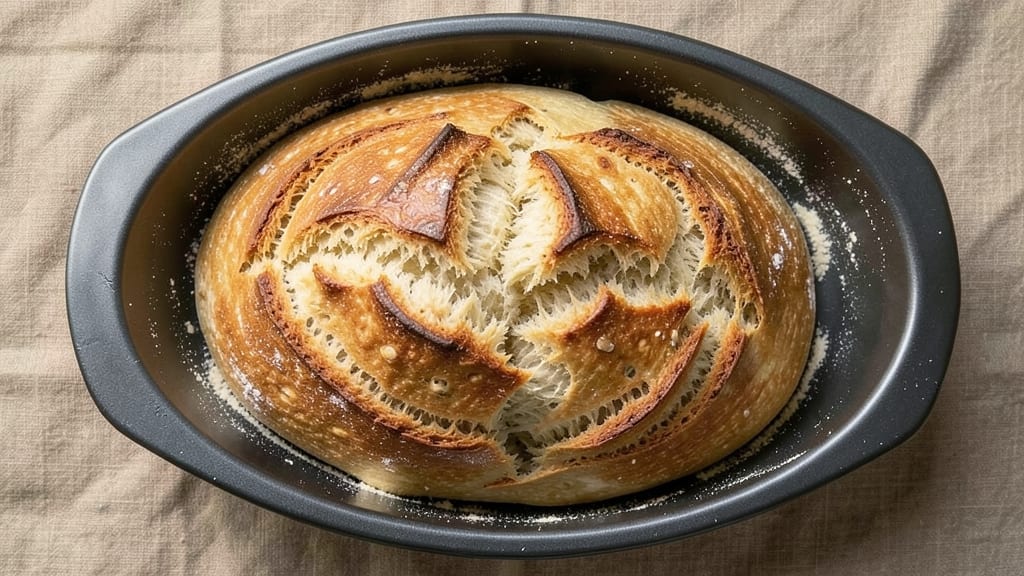
A 50/50 bread machine recipe transforms simple ingredients into a no-knead, fluffy loaf with minimal effort—perfect for busy weeknights or weekend baking. The magic lies in the balanced 50/50 ratio of bread flour to all-purpose flour, which creates a lighter texture without sacrificing structure.
This recipe leverages your bread machine’s automatic cycles to handle the hard work, ensuring a golden crust and tender crumb every time.
The beauty of this method is its simplicity: just combine flour, water, yeast, and a touch of sugar, then let the machine do the rest. No kneading, no guesswork—just set it and forget it.
The result is a homemade loaf that rivals artisanal bread, with a crisp exterior and soft, airy interior. Whether you're a beginner or a seasoned baker, this recipe delivers restaurant-quality bread with minimal fuss.
What sets this 50/50 loaf apart is its versatility—add seeds, herbs, or even a splash of honey for customization. The bread machine’s precise temperature control ensures consistent results, while the one-cycle process saves time and energy.
By the end, you’ll have a warm, fragrant loaf ready to slice, toast, or share, all without the hassle of traditional bread-making.
For those troubleshooting common issues, this recipe includes pro tips to avoid dense texture or overproofing. With just a few adjustments, you’ll achieve the perfect loaf every time—foolproof and delicious. Let’s get started!
Ingredients for 50/50 bread machine
Five essential ingredients plus optional seeds create a restaurant-quality loaf in one cycle.
| Ingredient | Amount | Notes |
|---|---|---|
| Bread Flour 🌾 | 2 cups | High-protein for structure |
| All-Purpose Flour 🌾 | 2 cups | For lighter texture |
| Active Dry Yeast 🍞 | ¼ oz | Or 2 1/4 tsp (1 packet) |
| Granulated Sugar 🍚 | ¼ cup | Feeds yeast for rise |
| Unsalted Butter 🧈 | ¼ cup | Cold, cubed for flavor |
| Large Egg 🥚 | 1 whole | Room temperature for binding |
| Warm Water 💧 | 1 ¼ cups | 110°F (43°C) ideal |
| Diamond Crystal Kosher Salt 🧂 | 1 ½ tsp | Adjusts to taste |
| Extra-Virgin Olive Oil 🫒 | 1 tbsp | Enhances crust |
| Poppy Seeds 🌻 | 1 tbsp | Optional for texture |
| Sesame Seeds 🌾 | 1 tbsp | Optional for texture |
The 50/50 flour ratio is non-negotiable—King Arthur Bread Flour and Gold Medal All-Purpose deliver consistent results. For yeast, Bob's Red Mill Active Dry or Saf-Instant work best, but always check expiration dates. Warm water is crucial: too hot kills yeast, too cold slows fermentation. Measure it at 110°F (43°C)—use a thermometer if unsure. The unsalted butter should be cold and cubed; Land O'Lakes or Plugrá brands work well. For the egg, room temperature ensures proper binding—simply let it sit out for 10 minutes before adding.
No bread flour? Substitute all-purpose plus 1 tbsp vital wheat gluten per cup for structure. Honey or maple syrup can replace sugar at a 1:1 ratio, though it may darken the crust. Vegetable oil works in place of butter, though the flavor will differ slightly. Omitting seeds won’t affect texture—just skip the final sprinkle. For gluten-free adaptation, use a 1:1 GF flour blend and reduce water by 2 tbsp. The olive oil can be swapped for melted coconut oil if preferred, though it may alter the crust’s crispness. Always weigh ingredients by volume for accuracy—King Arthur’s measuring guides are invaluable.
Store the loaf in a bread box or paper bag at room temperature for 3-4 days to maintain freshness. For longer storage, wrap tightly in foil and freeze for up to 3 months. Toasting revives stale bread—preheat oven to 350°F (175°C) for 5-10 minutes. The one-cycle process in your bread machine handles all kneading and rising, but avoid opening the lid during fermentation to prevent air pockets. For extra crust color, brush the loaf with melted butter before baking. Leftovers? Freeze slices for quick toast—just thaw and reheat for 30 seconds.
Why You'll Love This Recipe
- No-Knead Magic: I dump in the flours—bread for structure, all-purpose for softness—and let the machine do all the heavy lifting. No punchy arms, no sticky hands, just press start and walk away.
- Buttery Crust, Soft Core: That 50/50 flour blend gives it the perfect bite, while the butter (melted right in the machine) turns every slice into a rich, pillowy dream. Honestly, the smell alone makes me want to bake two loaves.
- Weeknight Workhorse: Toss a few extra slices in the freezer for toast or sandwiches—thaw in seconds, no reheating needed. Between us, this is the bread I reach for when I’ve got a house full and zero energy.
- Budget-Friendly Staple: A single batch costs pennies and stretches for days—great toast, grilled cheese, or even as a side for soups. I’ll be real: this is how I feed my family without breaking the bank.
Step-by-step instructions for 50/50 bread machine recipe
Let's create a perfectly balanced loaf with this foolproof bread machine method.
Prepare the Ingredients for Optimal Mixing
Begin by measuring the 2 cups bread flour and 2 cups all-purpose flour into your bread machine pan. The bread flour provides structure, while the all-purpose flour creates a lighter texture. In a small bowl, dissolve the 0.25 oz active dry yeast in the 1.25 cups warm water (around 110°F). This ensures the yeast activates properly before mixing.
In a separate bowl, whisk together the 0.25 cup granulated sugar, 1.5 tsp diamond crystal kosher salt, and the 1 whole large egg at room temperature. The sugar feeds the yeast during fermentation, while the salt enhances flavor and controls yeast activity. The egg adds moisture and binding properties essential for a tender crumb.
Combine Wet and Dry Ingredients in the Machine
Add the yeast mixture, sugar-salt-egg mixture, and the 0.25 cup cold unsalted butter (cubed) to the flour in the bread machine pan. The butter should remain cold to prevent melting during the initial mix. Drizzle in the 1 tbsp extra-virgin olive oil—this enhances the crust and adds richness to the final loaf.
Use a silicone spatula to gently combine the ingredients until just mixed. Avoid overmixing, which can develop excessive gluten and result in a dense loaf. The dough should come together into a shaggy mass with no dry spots remaining in the pan.
Select the Basic White Bread Setting
Close the bread machine lid and select the "Basic White Bread" setting. This cycle typically includes an automatic kneading phase followed by a proofing and baking phase. For best results, use the medium crust setting if your machine offers options—this prevents over-browning while still creating a golden exterior.
Start the cycle and let the machine do its work. During the kneading phase, the machine will mix the dough until it reaches the proper consistency. You'll hear the motor running intermittently as it develops gluten. This phase usually takes about 10-15 minutes, but timing varies by machine.
Add Seeds During the Final Kneading Phase
When the machine enters the final kneading phase (typically the last 2-3 minutes of mixing), sprinkle the 1 tbsp poppy seeds and 1 tbsp sesame seeds evenly over the dough. The seeds will embed into the surface, adding texture and visual appeal. Avoid adding them earlier—they'll sink into the dough and won't create the same decorative effect.
Listen for the machine to complete its cycle. The bread will automatically transfer to the baking phase, where it will proof and bake. The warm, moist environment inside the machine creates ideal conditions for even rising and baking. The loaf should be ready in about 2-3 hours, depending on your specific bread machine model.
Cool and Serve for Maximum Freshness
Once the cycle completes, remove the loaf from the pan immediately. The bread will be extremely hot and will continue to cook slightly as it cools. Place it on a wire rack to cool for at least 30 minutes—this allows the steam to escape and prevents a gummy texture.
For best flavor and texture, serve the bread within 24 hours. The crust should be golden and crisp, while the interior should have a fine, even crumb with visible seed pockets. Store any leftovers wrapped in a clean kitchen towel to maintain freshness for up to 3 days at room temperature.
Pro Tips For Making 50/50 Bread Machine
- Weigh the Butter Cold: That block of butter straight from the fridge? Don’t soften it first. Toss it in the bread machine as-is—it’ll melt naturally during the kneading cycle and distribute evenly without clumping. I learned this the hard way after dealing with greasy, uneven dough from pre-warmed butter.
- Skip the Yeast Boost: Your bread machine’s settings already account for yeast activation—don’t double the amount. Too much yeast makes the dough rise too fast, leading to a dense, gummy loaf. Trust the recipe’s timing unless you’re baking in extreme heat or cold.
- Knead Until Smooth: Let the machine run the full kneading cycle, even if the dough looks underdeveloped. The 50/50 flour mix needs extra time to hydrate properly. I used to stop early for “efficiency,” but the result was always a tougher crumb—now I wait until it’s silky, not just “looks done.”
- Use a Scale for Flours: Measuring cups with bread flour are a joke—it packs differently. Weigh both flours separately for accuracy. The ratio matters here: too much bread flour makes the dough dry; too little all-purpose weakens the structure. A $15 kitchen scale changes everything.
Serving suggestions for 50/50 bread machine
Classic Pairings
This 50/50 loaf shines with buttery compound butter—mix ½ cup softened butter with 1 tbsp honey and 1 tsp flaky sea salt, then spread on warm slices.
For a savory twist, pair with sharp cheddar cheese or smoked gouda on a charcuterie board. The seeds add crunch that balances rich toppings beautifully. 🧈
Breakfast Spreads
Toast slices and top with cream cheese mixed with chopped chives and everything bagel seasoning. For a sweet option, layer with peanut butter and sliced bananas or almond butter and honey drizzle. The neutral flavor of the bread lets these toppings truly shine without overpowering.
Sandwich Potential
Use thick slices for grilled cheese sandwiches—combine with Gruyère cheese and ham for a gourmet twist. For a vegetarian option, layer with roasted red peppers, feta, and balsamic glaze. The sturdy 50/50 structure holds up perfectly to melting cheese and moist fillings without becoming soggy.
Dinner Sidekick
Serve alongside roasted chicken thighs or steak with garlic mashed potatoes. The bread soaks up flavorful sauces beautifully—try drizzling with warm olive oil and balsamic reduction before serving. For a heartier meal, add sautéed mushrooms and caramelized onions as a bread bowl filling.
Dessert Reinvention
Transform into French toast by slicing the bread thin, dipping in a mixture of 2 eggs, ¼ cup milk, and 1 tsp vanilla extract, then pan-frying in butter.
For a sweet treat, spread with Nutella and top with sliced strawberries or bananas. The seeds add delightful texture to every bite. 🍓
Meal Prep Hacks
Make bread pudding by cubing stale bread, mixing with 2 eggs, 1 cup milk, ½ cup sugar, and 1 tsp cinnamon, then baking at 350°F (175°C) for 40 minutes.
For croutons, cut into cubes, toss with olive oil and garlic powder, then bake at 375°F (190°C) for 10 minutes until crispy.
Nutrition facts
Frequently asked questions
Why does this recipe use both bread flour and all-purpose flour?
The 50/50 flour blend creates the perfect balance—bread flour provides high protein for structure, while all-purpose flour keeps the texture lighter and more tender. This combination prevents a dense crumb while maintaining a sturdy enough loaf for slicing.
Can I make this recipe without a bread machine?
Yes, but with adjustments! Mix the dough by hand until sticky, then let it rest for 20 minutes before kneading for 10 minutes by hand or in a stand mixer. Allow it to rise for 1-2 hours (until doubled), then bake at 375°F (190°C) for 25-30 minutes. The bread machine's precision ensures easier results, though.
What if my bread turns out dense or gummy?
Dense texture usually means overmixing or underproofing. Ensure your yeast is fresh, water is 110°F (43°C), and don't open the machine during kneading. For gummy bread, it may not have cooled enough—wait 30+ minutes before slicing. Try reducing flour by 1 tbsp next time if dough feels too dry.
How can I add other mix-ins besides seeds?
For herbs (like rosemary or garlic), add 1 tbsp chopped fresh during the final kneading phase. For cheese, use ½ cup shredded (like cheddar) and add with seeds. Avoid wet ingredients like nuts or dried fruit—they require extra water and may alter texture. Always add mix-ins after the initial kneading.
Can I make this gluten-free or whole wheat?
For whole wheat, replace 1 cup all-purpose flour with whole wheat flour, but add 1 tbsp extra water—whole wheat absorbs more moisture. For gluten-free, use a 1:1 GF flour blend and reduce water by 2 tbsp.