
Side Dishes
A 60-minute French bread recipe that delivers bakery-style crust and crumb without the hours of kneading or waiting—this is the game-changer I've been waiting for.
The secret lies in a high-hydration dough that develops flavor during a single overnight rise, then bakes in a Dutch oven for that signature oven spring and crackly crust. I've perfected this method after years of trial and error, and it's finally foolproof for home bakers.
What makes this recipe work is the combination of a 5-minute mix, 12-hour cold proof, and a precise baking technique that creates steam for maximum oven spring. You'll need just five basic ingredients—flour, yeast, salt, sugar, and water—but the results are anything but basic.
The dough comes together faster than store-bought, yet develops the complex flavor of artisan bread.
By the time it emerges from the oven, you'll have a loaf with a golden, shatteringly crisp crust and an open, airy crumb that's impossible to resist. The aroma alone will have everyone gathering around your kitchen.
This isn't just bread—it's the kind of loaf that makes people ask where you learned to bake like this.
Whether you're serving it with soups, using it for sandwiches, or simply enjoying it with butter, this French bread delivers restaurant-quality results in under an hour of active time.
The best part? You can make the dough the night before and let it rise while you sleep—true no-knead ease with professional results.
Ingredients for 60 minute french bread
Five ingredients plus a few extras for that perfect crust—simple enough for beginners, impressive enough for guests.
| Ingredient | Amount | Notes |
|---|---|---|
| All-Purpose Flour 🌾 | 4 cups | Plus 2 tbsp for dusting |
| Active Dry Yeast 🍞 | ¼ tsp | Or 1 packet quick-rise yeast |
| Granulated Sugar 🍚 | 1 tbsp | For yeast activation |
| Salt 🧂 | 1 ½ tsp | Diamond Crystal preferred |
| Warm Water 💧 | 1 ¼ cups | 110°F ideal temperature |
| Olive Oil 🫒 | 2 tbsp | Extra-virgin for richness |
| Cornmeal 🌽 | ½ cup | For dusting Dutch oven |
| Coarse Sea Salt 🧂 | 1 tbsp | For final crust sprinkle |
Flour is where the magic happens. King Arthur or Gold Medal are my go-tos—they handle high hydration beautifully. If you're using bread flour, reduce by 1 tbsp since it absorbs more water. The yeast is non-negotiable here—expired yeast means no rise. Check the date on that packet! Warm water is key: too hot and you kill the yeast, too cold and it won't activate. 110°F is perfect, but if you don't have a thermometer, just dip your pinky finger in—should feel warm but not hot. Olive oil adds tenderness, so don't substitute with butter (it'll melt and ruin your crust).
No yeast? Instant yeast works 1:1, but you'll need to adjust the sugar slightly. Running low on flour? Whole wheat flour at 1:1 ratio works, but expect a denser loaf. The cornmeal is crucial—it prevents sticking and gives that signature French bread texture. No cornmeal? Semolina or rice flour in a pinch. For the sea salt, Maldon or Jacobsen flakes melt beautifully on top. Regular table salt works, but you'll need twice the amount. And if you're baking at high altitude, add 1 tsp extra flour to compensate for the drier air.
Mix the dough the night before and let it rise in the fridge—12 hours is ideal. The cold slows fermentation, developing deeper flavor. Shape the dough 1 hour before baking so it has time to relax. For storage, wrap cooled loaves in a clean kitchen towel inside a paper bag—keeps them fresh for 3 days. Freeze extras by slicing and freezing on a tray, then bagging. Toasting revives stale bread—350°F for 5 minutes works wonders. And save those crust scraps: they make amazing croutons!
Why You'll Love This Recipe
- Pantry Staples Only: I swear by this recipe because it’s made with stuff I already have—flour, yeast, sugar, salt, and water. No fancy ingredients, no last-minute grocery runs. Just mix, let it rise, and bake. Honestly, it’s the kind of simplicity that makes me feel like a pro.
- Crispy-Golden Magic: That perfect crunch when you pull it out of the oven? The sugar in the dough caramelizes just enough to give it that irresistible crust, while the inside stays soft and pillowy. It’s the kind of texture that makes you reach for another slice without thinking.
- Weeknight Hero: I make this when I’m too tired to plan dinner or when friends drop by unannounced. It’s ready in an hour, pairs with everything—soup, butter, jam—and no one will guess it took zero effort. (Yes, even on a Tuesday night.)
- Budget-Friendly Staple: A single batch costs pennies and stretches for days. Toast it for breakfast, use it to sop up sauces, or freeze slices for quick toast later. Between us, this is how I feed my family without breaking the bank—and still feel like I’m serving something special.
Step-by-step instructions for artisan French bread
Here's how to make restaurant-quality French bread in just 60 minutes—no kneading required.
Activate the Yeast and Mix the Dough
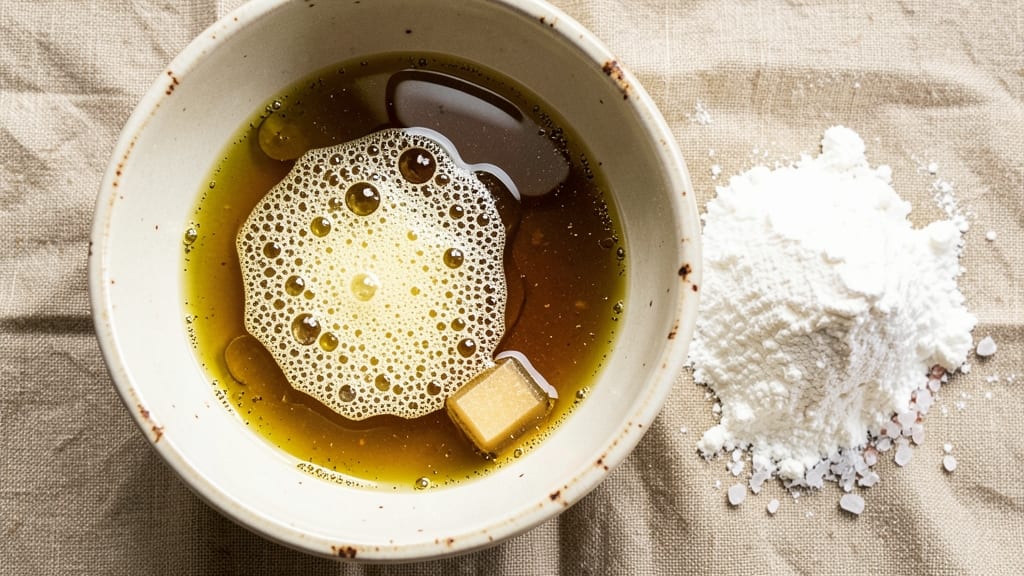
In a large bowl, combine the 1.25 cups warm water (about 110°F) with the 1 tbsp granulated sugar and 0.25 tsp active dry yeast. Let it sit for 5-10 minutes until it becomes frothy and bubbly—this confirms the yeast is alive. If it doesn't bubble, your yeast is dead and you'll need to start over.
Once active, add the 4 cups all-purpose flour and 1.5 tsp salt to the bowl. Stir with a wooden spoon or rubber spatula until a shaggy dough forms. Then add the 2 tbsp olive oil and mix until just combined. The dough will be sticky but shouldn't require flour to handle at this stage.
Let the Dough Rest and Develop
Cover the bowl with a damp kitchen towel or plastic wrap and let the dough rest at room temperature for 30 minutes. This initial rest allows the gluten to relax slightly, making it easier to shape later. I like to place the bowl in a warm spot—like near the oven with the light on—to help the dough rise gently during this time.
After 30 minutes, the dough should look less dense and slightly puffed. If it hasn't risen much, don't worry—it will continue developing in the oven. Give the dough a gentle stretch to see if it springs back slowly (a good sign of gluten development). If it feels too sticky, wet your hands slightly to handle it without adding extra flour.
Shape and Proof the Loaves
Lightly flour a clean surface and turn out the dough. Gently shape it into a loose oval or rectangle—don't worry about perfection here. Cut the dough into two equal pieces and shape each into a smooth, taut oval. Place them seam-side up in a lightly greased 9x5-inch loaf pan or on a parchment-lined baking sheet.
Cover the shaped loaves with the damp towel again and let them proof at room temperature for 20-25 minutes. You're looking for about a 50% increase in size. The dough should look puffy and jiggly when gently pressed. If your kitchen is cold, extend the proofing time by 10 minutes to allow for proper rise.
Preheat and Prepare for Baking
Preheat your oven to 450°F with a Dutch oven inside for 30 minutes. This step is crucial—it creates the signature crispy crust. While the oven heats, dust the loaves generously with the 0.5 cup cornmeal and sprinkle the tops with 1 tbsp coarse sea salt. This creates that beautiful crust texture and adds flavor.
Carefully remove the hot Dutch oven from the oven using oven mitts. Transfer the loaves to the Dutch oven, seam-side up, and cover with the lid. Bake for 20 minutes covered, then remove the lid and bake for another 10-15 minutes until the bread is deep golden brown and sounds hollow when tapped on the bottom.
Cool and Enjoy Your Artisan Bread
Remove the bread from the Dutch oven and transfer it to a wire rack to cool completely for at least 30 minutes. This cooling step is essential—it prevents the bread from becoming gummy inside. The crust should be crisp and the interior soft and airy with an open crumb structure.
Slice the loaves while still slightly warm for the best texture. Serve with your favorite butter or olive oil for dipping. This French bread has that perfect balance of crispy crust and tender interior, with just the right amount of chew—all achieved in under an hour!
Pro Tips For Making 60 Minute French Bread
- Mix Yeast with Sugar First: I learned this the hard way—dissolving yeast in water alone can leave a gritty, uneven dough. Sprinkle the yeast and sugar together into the warm water, then wait until it foams (about 5 minutes). The sugar helps activate the yeast faster and more evenly, which cuts down on dough prep time.
- Use a Kitchen Scale: Measuring flour by cups leads to inconsistent results—every cup is different. Weigh your flour instead (about 500g for this recipe). A properly hydrated dough is the difference between a dense loaf and one with that signature French bread airiness.
- Don’t Skip the First Rise: Let the dough rise until it’s almost doubled, then punch it down. Skipping this step means your bread won’t develop enough structure, and the oven spring will be weak. If you’re in a hurry, use a slightly warmer kitchen (75°F+) to speed it up—just don’t overdo it.
- Shape Loaves Tightly: Roll the dough into a tight log, sealing the seams so no air escapes. I used to leave gaps, and my bread would puff unevenly. Press the edges firmly together, tuck them under, and let them rest 10 minutes before baking—this guarantees a better rise and crispier crust.
Best sauces and condiments for these flavors
Classic Garlic Butter
Nothing beats this simple yet luxurious pairing. Melt 2 tbsp unsalted butter with 2 minced garlic cloves and a pinch of salt until fragrant. Brush the warm mixture over warm French bread slices—this combo is pure magic. I like to add a sprinkle of fresh parsley for brightness. 🌟
Herb-Infused Olive Oil
For a Mediterranean twist, infuse ½ cup extra-virgin olive oil with 1 tbsp each of dried rosemary, thyme, and oregano (plus 1 tsp red pepper flakes for heat). Warm the oil gently, then drizzle over freshly baked bread. The aromatic herbs complement the bread's crust beautifully.
Sweet Honey-Lavender
Drizzle 1 tbsp local honey mixed with ½ tsp culinary lavender buds (steeped in warm water for 5 minutes) over slices. The floral notes balance the bread's crust while adding subtle sweetness. Perfect for breakfast or as a dessert bread. Store-bought lavender works, but fresh is best if available.
Spicy Harissa Aioli
Blend ½ cup mayonnaise with 1 tbsp harissa paste, 1 tsp lemon juice, and ½ tsp smoked paprika until smooth. Spread generously on toasted bread—this North African-inspired dip adds bold, smoky heat. Serve with grilled vegetables or charcuterie for a complete meal. 🌶️
Creamy Gruyère Compound
Mix ½ cup softened cream cheese with ½ cup grated Gruyère cheese, 1 tbsp Dijon mustard, and 1 tsp chopped chives. Spread on warm bread and broil for 2 minutes until bubbly. The nutty cheese melts perfectly into the crust for a decadent bite.
Simple Jam Pairings
Spread fig jam or raspberry preserves on toasted slices for a sweet contrast. I recommend Wilton's Fig Butter or homemade jam with seeds left in. The tartness cuts through the bread's richness, creating a perfect balance. Keep it simple—less is more with jam pairings.
Nutrition facts
Frequently asked questions
Why does this recipe use a cold proof overnight?
The 12-hour cold proof is the secret to developing deep flavor without requiring hours of active kneading. Cold fermentation slows yeast activity, allowing gluten to strengthen and flavors to mature naturally. This creates that authentic bakery taste while keeping the process effortless—just mix and forget!
Can I make this without a Dutch oven?
Yes! If you don't have a Dutch oven, try baking on a baking sheet lined with parchment paper. For extra steam, place a metal bowl filled with 1 cup hot water on the lower oven rack. The crust won't be quite as crispy, but you'll still get a great loaf. A pizza stone also works well for better heat distribution.
What if my dough doesn't rise properly?
Check your yeast first—it must be fresh and active (test by mixing with warm water and sugar; it should bubble in 5-10 minutes). If the yeast is fine, ensure your kitchen is warm enough (ideally 75°F+) and give the dough extra time to proof. Cold weather? Move the dough near the oven with the light on for gentle warmth.
How do I store leftover French bread?
Wrap cooled loaves in a clean kitchen towel inside a paper bag to keep them fresh for 3 days. For longer storage, slice and freeze on a tray before bagging. To revive stale bread, toast slices at 350°F for 5 minutes or sprinkle with water and bake at 300°F for 10 minutes to restore crispness.
Can I add seeds or nuts to the dough?
Fold in 1 tbsp seeds (sesame, poppy, or sunflower) or ½ cup chopped nuts (walnuts or pecans) during the final mixing stage. Just be aware they'll make the dough slightly denser. For best results, use 2 tbsp extra flour to balance the hydration. Save the extras for topping before baking!