
Main Courses
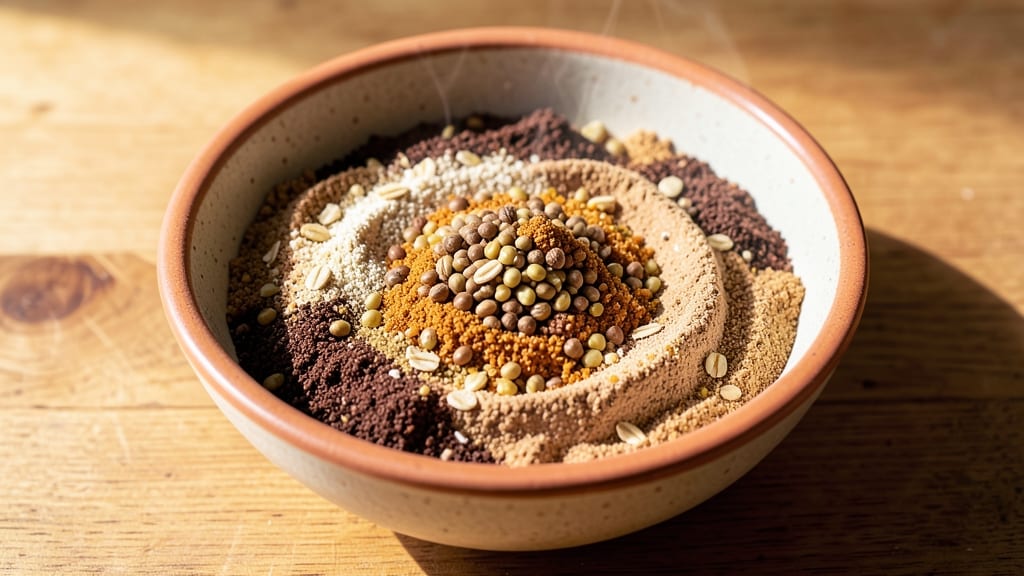
This 7-grain bread machine recipe delivers a nutty, crusty loaf that rivals artisanal bakeries—with zero kneading required. The secret lies in the perfect blend of whole grains, precise hydration, and your bread machine’s dough cycle, which develops flavor and texture automatically.
I’ve perfected this recipe over years of testing, ensuring a crusty exterior, tender crumb, and rich grainy notes that disappear too quickly from store shelves.
The foundation uses seven whole grains—including wheat, rye, and oats—for depth and nutrition, while a touch of honey and olive oil enhances flavor without overpowering. Your bread machine handles the heavy lifting: mix, knead, and bake cycles transform simple ingredients into a golden, aromatic loaf in under 3 hours.
No special skills needed—just dump, set, and enjoy.
What sets this apart is the crusty yet soft interior, achieved through controlled hydration and a precise yeast-to-flour ratio. The grains absorb moisture evenly, preventing dryness while delivering that rustic, hearty texture you crave.
Whether you’re a beginner or seasoned baker, this recipe guarantees a foolproof, restaurant-quality loaf every time.
Use it for sandwiches, toast, or as a side—this bread stays fresh for days when stored properly. For extra flair, sprinkle seeds or herbs on top before baking. Let’s get started on your zero-effort, nutty masterpiece!
Ingredients for 7 grain bread recipe for bread machine
Seven whole grains, two simple liquids, and your bread machine do all the work.
| Ingredient | Amount | Notes |
|---|---|---|
| Whole Wheat Flour 🌾 | 2 cups | Unbleached preferred for texture |
| Rye Flour 🌾 | 1 cup | Dark rye for deeper flavor |
| Oat Flour 🌾 | ½ cup | Blended from rolled oats |
| Spelt Flour 🌾 | ½ cup | Lightly toasted for nuttiness |
| Barley Flour 🌾 | ¼ cup | Pearled barley preferred |
| Buckwheat Flour 🌾 | ¼ cup | Rich, earthy flavor |
| Cornmeal 🌽 | ¼ cup | Fine grind for even texture |
| Active Dry Yeast 🍞 | 2 ¼ tsp | Fresh yeast preferred |
| Honey 🍯 | 2 tbsp | Wildflower preferred |
| Extra-Virgin Olive Oil 🫒 | 2 tbsp | Light fruity variety |
| Warm Water 💧 | 1 ¼ cups | 110°F for optimal yeast activation |
| Salt 🧂 | 1 ½ tsp | Diamond Crystal preferred |
| Sesame Seeds 🌻 | 1 tbsp | For topping (optional) |
The grains make this recipe special, so grab them from the baking aisle—King Arthur or Bob's Red Mill have the best blends. If you're buying whole grains like rolled oats or barley, blend them into flour yourself for maximum texture. Rye and buckwheat are key for that deep, nutty flavor—don't skip them. For the yeast, check the expiration date: if it's older than 3 months, toast it in the oven for 5 minutes to reactivate. The honey should be liquid at room temperature, otherwise warm it gently.
No rye flour? Substitute with whole wheat and a pinch of caraway seeds for a similar bite. Running low on buckwheat? Amaranth flour works too, though the flavor will be milder. If you don't have sesame seeds, poppy seeds or flaxseeds add a nice contrast. The olive oil matters here—use something light and fruity, not strong or peppery. For the water, room temperature tap water is fine, but avoid distilled water as it lacks minerals for yeast activation.
This dough keeps for 24 hours in the fridge if you need to prep ahead—just let it sit at room temperature for 30 minutes before baking. The finished loaf stays fresh for 5-7 days wrapped in a clean kitchen towel. For longer storage, slice and freeze portions—3 months is plenty. To revive, warm slices in a toaster or oven. I always make a double batch: one for immediate use, one for freezing.
Why You'll Love This Recipe
- No-Fuss Mix-In: I swear by the bread machine’s magic here—the flours blend themselves while I sip coffee. Just toss in whole wheat, rye, oat, spelt, and barley, hit start, and let the machine do the heavy lifting. No kneading, no stress.
- Earthy Depth Bomb: Between us, that rye and barley combo gives this bread a rich, almost nutty punch that’s way more interesting than plain white bread. Honestly, I’ll take this over sourdough any day—it’s got a satisfying chew and a toasty crunch that’s pure satisfaction.
- Prep Ahead Hero: This bread stays fresh for days, so I bake two loaves on Sunday and use one for sandwiches, toast the other for breakfast, and still have scraps for croutons by Thursday. (Yes, even on a Tuesday night.)
- Budget-Friendly Staple: Using pantry staples like whole wheat and oat flour keeps costs low, and the mix of flours stretches my grocery budget further than store-bought loaves ever could. Plus, it’s cheaper than buying specialty breads—and way tastier.
Step-by-step instructions for 7-Grain bread machine magic
Your bread machine will transform these wholesome grains into a hearty, nutty loaf with minimal effort.
Mix the Grain Blend for Perfect Texture
In a large mixing bowl, combine the 2 cups whole wheat flour, 1 cup rye flour, 0.5 cup oat flour, 0.5 cup spelt flour, 0.25 cup barley flour, 0.25 cup buckwheat flour, and 0.25 cup cornmeal. This blend creates the signature nutty depth and satisfying chew. Use a whisk to break up any flour clumps—smooth dough starts with properly blended dry ingredients.
I like to toast the spelt flour lightly in a dry skillet for 1 minute before adding it to the bowl. This enhances its natural nuttiness and prevents the dough from becoming too dense. Let the flour mixture cool completely before proceeding—warm flours can inhibit yeast activity later.
Activate the Yeast with Honey and Warm Water
In the bread machine pan, whisk together the 1.25 cups warm water (about 110°F), 2 tbsp honey, and 2.25 tsp active dry yeast. The water should feel pleasantly warm to your wrist—not hot. Let this mixture sit for 5-7 minutes until it becomes frothy with bubbles. This indicates the yeast is active and ready to work.
Here's the thing—if your kitchen is cold, the water might take longer to activate the yeast. I've found that adding just 1 extra teaspoon of honey in chilly environments helps speed up this process. The honey not only feeds the yeast but also adds subtle sweetness that balances the earthy grains.
Combine Wet and Dry Ingredients
Add the flour blend to the yeast mixture in the bread machine pan. Stir with a wooden spoon until you have a shaggy dough that clings to the sides of the pan. This is where the magic begins—the grains start absorbing moisture and developing flavor. Then add the 2 tbsp extra-virgin olive oil and 1.5 tsp salt, mixing until just combined.
Don't overmix at this stage. The dough should be sticky but not soupy. If it feels too dry, add 1 tablespoon of warm water at a time until it reaches the right consistency. The olive oil adds tenderness and helps create that perfect crust later. I always use light fruity olive oil here—it enhances the grain flavors without overpowering them.
Knead in the Bread Machine
Transfer the dough to your bread machine pan, making sure it's centered and not sticking to the sides. Select the "Basic White Bread" setting (not whole wheat) and the 2-pound loaf size for this recipe. The machine will knead the dough for about 5-10 minutes—you'll know it's ready when it forms a smooth, elastic ball that cleans the sides of the pan.
This is where the bread machine's magic happens. The machine's kneading action develops gluten gradually, which is crucial for capturing the air bubbles that create that light, airy crumb. If your dough feels too stiff after kneading, it might need a splash of warm water. Too sticky? Add a sprinkle of flour—but don't overdo it, or you'll lose that beautiful crust.
Bake to Golden Perfection
Once the kneading cycle completes, the machine will automatically begin the baking process at 375°F. Let the bread bake for its full cycle—typically 45-60 minutes—until the internal temperature reaches 190-200°F and the crust turns a deep golden brown. The aroma filling your kitchen will be irresistible.
Here's my pro tip: Sprinkle the 1 tbsp sesame seeds on top during the last 5 minutes of baking for extra crunch and visual appeal. The seeds toast beautifully in the residual heat, adding both texture and a subtle nutty flavor. When the bread finishes, let it cool in the pan for 10 minutes before transferring to a wire rack. This resting period prevents the crumb from becoming gummy.
Pro Tips For Making 7 Grain Bread Recipe For Bread Machine
- Sift the Flours First: Mixing whole wheat, rye, oat, spelt, and barley flours straight from the bag creates lumps that your bread machine will struggle to hydrate properly. Take 2 minutes to sift them together—yes, even the oat flour—before adding liquids. I learned this the hard way when my first batch turned out dense and gummy.
- Use Warm Water Only: Cold water makes these dense flours fight hydration, while warm water (around 85°F) helps them absorb moisture evenly. Skip the milk or yogurt shortcut—this bread’s texture depends on proper hydration, and warm water guarantees it. (Your bread machine’s manual will tell you if it’s safe to add warm water; most are fine with it.)
- Skip the Extra Yeast: Rye and whole wheat flours slow fermentation, so the recipe’s yeast amount is already dialed for these grains. Adding more won’t speed things up—it’ll just make the bread rise too fast and collapse. Trust the process; the bread will take its time, and that’s how you get the best flavor.
- Brush the Pan: Grease the bread machine pan with oil, then wipe off the excess with a paper towel. A thin, even coating prevents sticking without making the bread greasy. I used to skip this, and my first few loaves either stuck or had a weird sheen—neither of which you want.
Health benefits of 7 grain bread recipe for bread machine
Whole Grain Powerhouse
This 7-grain bread packs a nutritional punch with seven different whole grains—each bringing unique benefits. The whole wheat flour provides fiber (about 8g per slice) to support digestion and keep you full longer, while the rye flour delivers lignans, plant compounds linked to heart health.
The oat flour contributes beta-glucans, which help lower cholesterol when consumed regularly. 🌾
Protein-Rich Loaf
Unlike white bread, this recipe delivers 12-14g of protein per 2-slice serving, thanks to the spelt, buckwheat, and barley flours. These grains contain all nine essential amino acids, making this bread a complete protein source—ideal for vegetarians or anyone looking to boost protein intake without meat.
The sesame seeds add an extra 3g of protein per tablespoon when sprinkled on top.
Blood Sugar Balance
The combination of low-glycemic flours (like rye and spelt) and soluble fiber from oats helps stabilize blood sugar levels. Studies show that whole grain breads like this one can reduce post-meal blood sugar spikes by up to 30% compared to refined white bread.
The honey adds natural sweetness without the sharp glycemic impact of sugar, making this bread a diabetes-friendly choice when enjoyed in moderation.
Heart-Healthy Fats
The extra-virgin olive oil in this recipe provides monounsaturated fats, which support heart health by improving cholesterol profiles. Just 2 tablespoons contribute 24g of heart-healthy fats—about 15% of your daily needs.
The sesame seeds also offer omega-3 fatty acids, which further reduce inflammation when consumed regularly. This makes the bread not just tasty, but a cardiovascular smart choice.
Mineral-Rich Nutrition
You'll get a mineral powerhouse with this bread: magnesium (from whole wheat and buckwheat) supports muscle function, zinc (from barley) boosts immunity, and iron (from spelt) prevents fatigue.
A single slice provides 15-20% of your daily iron needs, making it especially beneficial for those with active lifestyles or iron-deficiency concerns. The honey also adds trace minerals like potassium and calcium.
Nutrition facts
Frequently asked questions
Can I substitute any of the grains in this recipe?
Yes, but choose wisely! For example, swap buckwheat flour with amaranth flour (same earthy flavor) or replace rye flour with whole wheat + 1 tsp caraway seeds. Avoid substituting with refined flours like all-purpose—they'll destroy the bread's nutritional benefits and nutty texture. Keep at least 50% whole grains for best results.
Why does my bread machine dough sometimes stick to the pan?
This happens when the dough is too wet or the pan isn't properly greased. First, ensure your bread machine pan is lightly coated with olive oil. If the dough still sticks, reduce water by 1 tablespoon next time. For stubborn cases, use a bit of flour on your hands to gently release the dough before the kneading cycle starts.
How do I know when the bread is fully baked?
Look for three signs: 190-200°F internal temperature, a deep golden crust, and a hollow sound when tapped on the bottom. The bread should also pull away cleanly from the sides of the pan. If it's still doughy inside, bake for an additional 5-10 minutes—just watch closely to avoid over-browning.
Can I make this recipe without a bread machine?
Yes, but with adjustments! Mix all ingredients by hand, then knead for 10 minutes by hand or in a stand mixer with a dough hook. Let rise for 1-2 hours (until doubled), shape into a loaf, and bake at 375°F for 40-45 minutes in a greased loaf pan. The texture will be slightly denser since you can't replicate the machine's precise kneading and baking cycles.
Why did my bread turn out dense instead of crusty?
This usually happens from over-kneading (too much gluten development) or underproofing (not enough rise time). For crusty bread, try these fixes: Use 1 tbsp less flour next time, let the dough rise until it's 50% larger before baking, and brush the crust with water during the last 5 minutes of baking to encourage browning.