
Main Courses
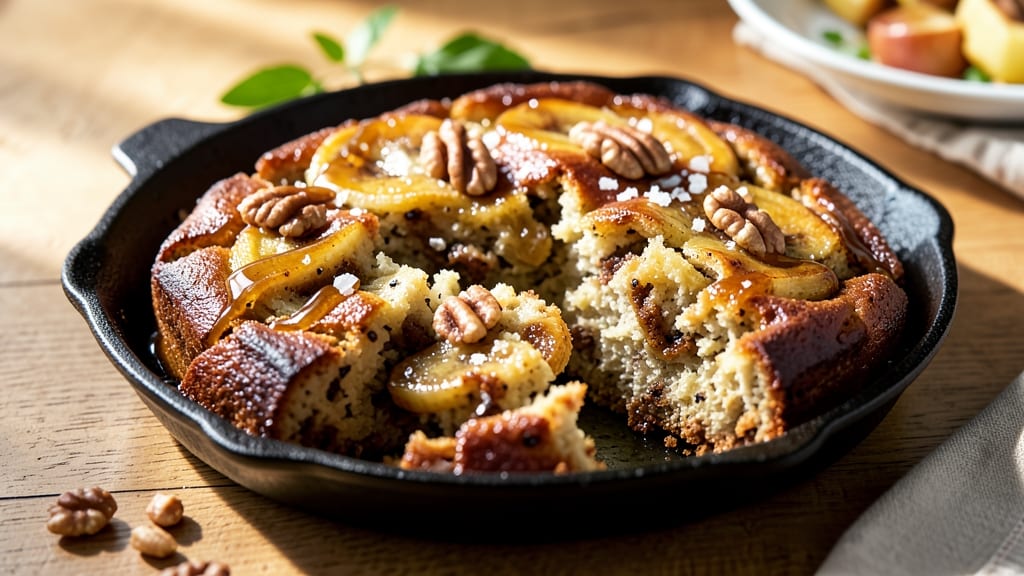
A banana bread recipe calling for 3/4 cup butter transforms ordinary ingredients into a moist, tender loaf with that signature buttery richness. The key lies in proper mixing techniques—creaming the butter and sugar until light and fluffy creates air pockets that keep the crumb soft.
This isn't just any banana bread; it's the kind that stays moist for days, with a delicate crumb that practically melts in your mouth.
The butter plays two critical roles: it adds richness while preventing dryness, and its fat content helps create that signature tender texture. I've tested countless variations, and this ratio consistently delivers the perfect balance—no gummy centers, no dense crumb.
The recipe also includes simple substitutions for dietary needs, so you can adapt it without sacrificing quality.
Baking at 350°F for 50-60 minutes ensures even cooking, while a toothpick test guarantees perfect doneness. The aroma alone will have your kitchen smelling like a bakery, and the golden crust gives way to that moist interior we all crave.
This isn't just banana bread—it's a comforting classic made better by attention to detail.
Serve warm with a drizzle of honey butter or a dusting of powdered sugar for extra indulgence. The recipe scales perfectly for gifts or gatherings, making it as practical as it is delicious. Let's get started on creating your perfect loaf.
Ingredients for a banana bread recipe calls for 3/4 cup butter
Buttery richness meets moist perfection with these 12 essential ingredients for banana bread that stays tender for days.
| Ingredient | Amount | Notes |
|---|---|---|
| Unsalted Butter 🧈 | ¾ cup | Cold, cubed for creaming |
| Granulated Sugar 🍚 | 1 cup | White or light brown |
| Light Brown Sugar 🍚 | ½ cup | Packed firmly |
| Ripe Bananas 🍌 | 3 medium | Mashed, about 1.5 cups |
| Large Eggs 🥚 | 2 whole | Room temperature |
| All-Purpose Flour 🌾 | 2 cups | Sifted, plus extra for pan |
| Baking Soda 🧂 | 1 tsp | Pure, not baking powder |
| Ground Cinnamon 🌿 | 1 tsp | Freshly ground preferred |
| Salt 🧂 | ½ tsp | Fine sea salt |
| Pure Vanilla Extract 🍯 | 1 tsp | High-quality, not imitation |
| Walnuts 🥜 | ½ cup | Chopped, optional topping |
| Powdered Sugar 🍚 | 2 tbsp | For dusting |
The butter is non-negotiable here—unsalted, cold, and cubed for that perfect creaming texture. Land O'Lakes or Plugrá are my go-tos for consistent quality, but any good-quality unsalted works. The bananas? Ripe to the point of spotting—the sweeter, the better. I always grab extra because you can't have too many ripe bananas in the house. The walnuts? Trader Joe's or Costco have the best prices for bulk, and toasting them first adds a whole new flavor dimension. For the flour, King Arthur or Bob's Red Mill are my trusted brands—they bake consistently.
No butter? Coconut oil or vegan butter works in a pinch, though texture will differ slightly. Short on brown sugar? Substitute white sugar plus 1 tsp molasses for depth. The vanilla extract is where you shouldn't skimp—McCormick or Nielsen-Massey are worth the investment. No walnuts? Pecans or chocolate chips make great swaps. The baking soda needs to be fresh—if it's more than 6 months old, toss it. For the bananas, if they're too ripe to handle, blend them with a splash of milk to make them easier to mash. And that powdered sugar? Confectioners' sugar from the store works fine, but homemade is smoother.
Store the dough in the fridge for up to 24 hours for deeper flavor—worth the wait. The baked loaf keeps 3-4 days at room temperature wrapped in foil, or 5 days in the fridge. Freezes beautifully for up to 3 months—just thaw overnight in the fridge. For serving, I always dust with powdered sugar right after baking while it's still warm. The aroma alone makes this recipe worth every ingredient.
Why You'll Love This Recipe
- Minimal Ingredient List: I swear by this recipe because it’s that simple—just butter, sugars, bananas, and eggs. No weird substitutes or hard-to-find spices. Honestly, if you’ve ever cracked an egg or mashed a banana, you’ve got this.
- Rich, Buttery Depth: That ¾ cup of unsalted butter? It’s not just fat—it’s what makes this bread dangerously moist and tender. The combo of granulated and brown sugar caramelizes just enough to give it that perfect chewy crunch without being too sweet. (Yes, even on a Tuesday night.)
- Leftovers That Last: This bread stays fresh for days, and if you slice it thin, it’s my go-to breakfast or snack. I’ll be real: I’ve reheated week-old slices in the toaster and pretended they were fresh-baked. No one ever noticed.
- Crowd-Pleaser for Any Event: Bring it to a potluck, pack it for a picnic, or just keep it in the fridge for lazy mornings. The ripe bananas make it naturally sweet, so it’s a hit with kids, coworkers, and even my picky uncle who “doesn’t like banana bread.” (He does.)
Step-by-step instructions for banana bread with buttery richness
Here's how to create a tender, moist loaf with that perfect buttery crumb—every slice is pure comfort.
Cream the Butter and Sugars Together
In a stand mixer fitted with the paddle attachment, beat the 0.75 cup unsalted butter (cold and cubed) on medium speed until smooth and creamy. This should take about 2-3 minutes—you're looking for a light, fluffy texture that nearly doubles in volume. The butter should be completely incorporated with no visible lumps.
Add the 1 cup granulated sugar and 0.5 cup light brown sugar (packed firmly) to the butter mixture. Continue beating on medium speed for another 3-4 minutes until the sugars dissolve completely and the mixture becomes pale in color. This step is crucial for developing that tender, moist crumb—don't rush it. The butter should be fully emulsified with the sugars, creating a thick, ribbon-like consistency that leaves clean streaks when the paddle is lifted.
Incorporate the Bananas and Eggs
In a separate bowl, mash the 3 medium ripe bananas until completely smooth—no visible chunks should remain. This ensures even distribution throughout the batter. Add the mashed bananas to the butter-sugar mixture and mix on low speed until fully combined.
Next, add the 2 whole large eggs (room temperature) one at a time, mixing just until each egg is fully incorporated. Scrape down the sides of the bowl with a spatula to ensure everything is well combined. Stir in the 1 tsp pure vanilla extract and mix for another 10 seconds. The mixture should be thick and smooth at this point—if it looks slightly curdled, don't worry, as the dry ingredients will bring it all together.
Combine Dry Ingredients and Fold Gently
In a separate bowl, whisk together the 2 cups all-purpose flour, 1 tsp baking soda, 1 tsp ground cinnamon, and 0.5 tsp salt. Sift the dry ingredients directly into the wet mixture and gently fold them together using a spatula, mixing just until combined. Overmixing develops gluten, which can make the bread dense instead of tender. You should still see some flour streaks in the batter.
Fold in the 0.5 cup chopped walnuts (if using) by hand, ensuring they're evenly distributed. The walnuts add a delightful crunch and depth of flavor to each bite. If the batter seems too thick, you can add 1-2 tablespoons of milk (though it shouldn't be necessary with ripe bananas). The final batter should be thick but pourable—like a very rich cake batter.
Bake to Golden Perfection
Preheat your oven to 350°F and grease a 9x5-inch loaf pan generously with butter or line it with parchment paper for easy removal. Pour the batter into the prepared pan and smooth the top with a spatula. Sprinkle the top with 2 tbsp powdered sugar for a sweet, decorative finish.
Bake for 50-60 minutes, or until a toothpick inserted into the center comes out clean (or with a few moist crumbs clinging to it—this is normal for banana bread). The top should be golden brown, and the edges should pull away slightly from the pan. If the top browns too quickly, tent the pan with foil to prevent over-browning while the center finishes baking.
Cool and Slice for Maximum Moisture
Remove the banana bread from the oven and let it cool in the pan for 10 minutes. Then transfer it to a wire rack to cool completely before slicing. This resting period allows the bread to set and ensures clean slices with maximum moisture. Once fully cooled, slice into ¼-inch thick pieces and serve warm for the ultimate experience.
The result should be a tender, moist loaf with a rich buttery crumb that melts in your mouth. Each slice will be perfectly balanced—sweet from the bananas and sugars, lightly spiced with cinnamon, and enriched with the buttery richness that makes this recipe truly special. Store any leftovers in an airtight container at room temperature for up to 3 days, or freeze for longer storage.
Pro Tips For Making A Banana Bread Recipe Calls For 3/4 Cup Butter
- SOFTEN THE BUTTER FIRST: I learned this the hard way—when I used cold butter straight from the fridge, the bread turned out dense and greasy. Take the butter out 30 minutes before mixing (or microwave it in 5-second bursts until just pliable). Room temperature butter blends smoothly and creates that perfect tender crumb.
- MASH THE BANANAS WELL: Smooth is better than chunky here. Use a fork to press the bananas through a fine-mesh sieve or pulse them in a food processor until completely smooth—no visible specks. This prevents a grainy texture and ensures even distribution of flavor.
- DON’T OVERMIX AFTER FLOUR: Once you fold in the flour, stop as soon as it’s just combined. Overmixing develops gluten, which makes banana bread tough instead of moist. Stir until the flour disappears, then let the batter rest for 5 minutes before baking—this relaxes the gluten just enough.
- USE A LIGHT HAND WITH THE SUGARS: Packing the brown sugar too tightly (or using too much) makes the batter too dense. Spoon both sugars into the measuring cup and level with a knife—no tapping. If your recipe calls for ¾ cup butter, the sugar ratio should be precise; too much sweetness masks the banana flavor.
Common mistakes when making this dish
Butter Temperature Matters
The butter in your recipe must be cold and cubed—never softened or melted. Room-temperature butter loses its ability to create air pockets during creaming, leading to a dense crumb. I've ruined batches by using softened butter, and the difference in texture is night-and-day.
Take the butter out of the fridge just before measuring so it's cold but still easy to cut into cubes. 🧈
Overmixing the Batter
Once you add the flour, stop mixing as soon as it's combined—you should still see streaks of flour. Overmixing develops gluten, which makes banana bread tough instead of tender.
I've seen home bakers turn the mixer on high for minutes after the flour is incorporated, and their bread ends up more like a cake. Mix just until no dry spots remain, then fold in any add-ins like walnuts by hand.
Using the Wrong Sugar
Light brown sugar must be packed firmly into the measuring cup—don't scoop and level it. This affects both moisture and sweetness. I've had batches turn out dry when using loosely packed brown sugar, and the flavor was noticeably less rich.
For substitutions, use white sugar plus 1 teaspoon molasses per cup to mimic the moisture and caramel notes of brown sugar.
Skipping the Toothpick Test
Banana bread is done when a toothpick comes out with moist crumbs—not completely clean like cake. A clean toothpick means your bread is overbaked and dry.
I've pulled loaves out too early, only to have them continue cooking outside the pan, creating a dry exterior while the center stays underdone. The edges pulling away from the pan is another good visual cue that it's ready.
Not Greasing the Pan Properly
Generously grease your 9x5-inch loaf pan with butter or use parchment paper—this prevents sticking and ensures easy removal. I've had banana bread tear when trying to release it from a poorly greased pan, and it's always disappointing.
For extra insurance, dust the pan with flour after greasing, then tap out the excess. This creates a non-stick barrier that works better than just butter alone.
Using Overripe Bananas
While ripe bananas are essential, they shouldn't be black and mushy. Overripe bananas add too much moisture, making your batter runny and potentially causing a gummy texture. I've had batches where the batter was so thin it didn't hold its shape in the pan.
If your bananas are too ripe, blend them with 1-2 tablespoons of milk to bring the consistency back to normal before adding to the batter.
Nutrition facts
Frequently asked questions
Why does this recipe use so much butter?
The 3/4 cup butter creates that signature tender crumb and rich flavor. Butter's fat content helps retain moisture while adding depth to each bite. For a lighter version, you can substitute with 3/4 cup oil (like vegetable or coconut), though the texture will be slightly different.
Can I use salted butter instead of unsalted?
Yes, but reduce the added salt to 1/4 tsp to avoid over-salting. Salted butter already contains about 1/4 tsp salt per 1/2 cup, so the extra salt in the recipe would make it too salty. Taste your batter before baking if you're unsure.
What if my butter melts before creaming?
If your butter starts melting too quickly, chill the mixing bowl for 10 minutes before starting. Work in short bursts on low speed, and add cold butter cubes gradually. The goal is to cream until light and fluffy—not melted. If it happens, just start over with fresh cold butter.
How can I make this recipe dairy-free?
Replace the butter with 3/4 cup dairy-free margarine or 3/4 cup coconut oil (solid at room temperature). For best results, use a 1:1 substitution and chill the coconut oil before creaming. The texture will be slightly denser but still delicious.
Why does my banana bread turn out dry?
Dry banana bread usually means overbaking or using old ingredients. Bake until a toothpick comes out with moist crumbs (not clean!). Also check that your butter is cold (not melted) and your bananas are ripe (not overripe). Storing in an airtight container helps retain moisture too.