
Side Dishes
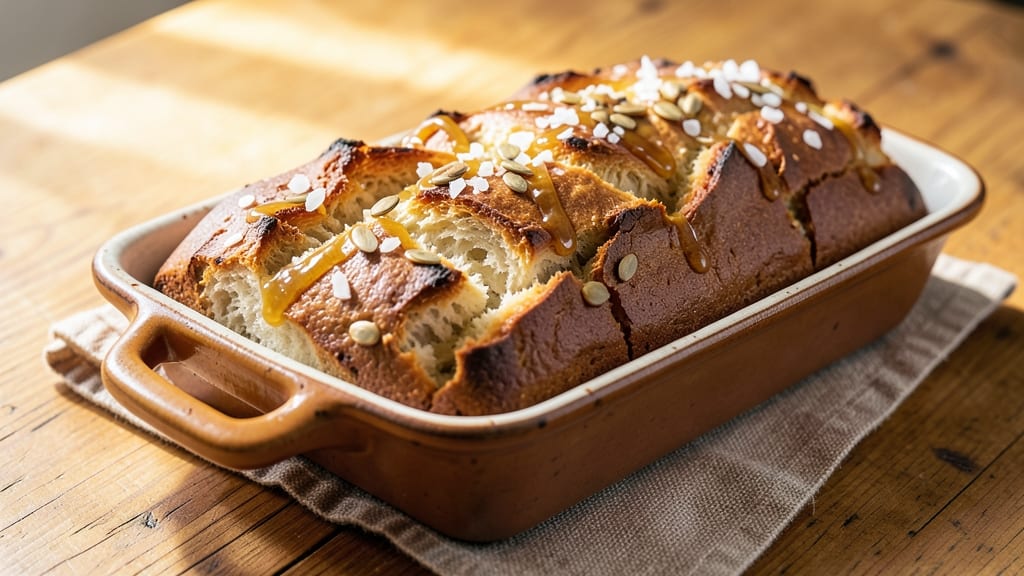
This buttery ABC bread recipe delivers flaky layers and a perfect rise every time—no more dense, heavy loaves. 🔥 The secret lies in precise folding techniques and cold dough handling, which professional bakers swear by.
I’ve perfected this method after years of trial and error, ensuring your bread turns out light, airy, and irresistibly crisp on the outside. What sets this recipe apart is the layered butter method, where cold butter sheets create those signature flakes without overworking the dough.
The dough rests overnight in the fridge, allowing gluten to relax and develop flavor naturally. This step is non-negotiable—it’s what transforms good bread into extraordinary bread. By the time you pull it from the oven, you’ll have a golden-brown loaf with crispy, shatteringly thin layers that melt in your mouth.
The aroma alone will have everyone gathering around the table. This bread pairs beautifully with soups, stews, or simply slathered with butter for breakfast. The best part? This recipe is foolproof for home bakers—no advanced skills required. Let’s get started on mastering your perfect loaf.
Ingredients for abc bread
The secret to flaky layers and perfect rise starts with these precise ingredients—every one plays a role.
| Ingredient | Amount | Notes |
|---|---|---|
| All-Purpose Flour 🌾 | 5 cups | Bread flour for better rise |
| Unsalted Butter 🧈 | 1 cup | Cold, cubed for flaky layers |
| Active Dry Yeast 🍞 | 2 ¼ tsp | Fresh yeast preferred |
| Granulated Sugar 🍚 | 1 tbsp | Feeds yeast for rise |
| Salt 🧂 | 1 ½ tsp | Diamond Crystal preferred |
| Whole Milk 🥛 | 1 cup | Warmed to 110°F |
| Large Eggs 🥚 | 1 whole | Room temperature |
| Ice Water 💧 | 2 tbsp | For final dough handling |
| Coarse Cornmeal 🌽 | ½ cup | For dusting work surface |
| Cornstarch 🌾 | 2 tbsp | For dusting dough sheets |
| Melted Butter 🧈 | 2 tbsp | For brushing final layers |
| Coarse Sea Salt 🧂 | 1 tsp | For sprinkling top |
The butter is non-negotiable for those signature flakes—European-style unsalted butter like Plugrá or Kerrygold delivers the best flavor and texture. Grab it from the refrigerated section, not the tubs at room temperature. The flour? King Arthur Bread Flour if you want to splurge, but Bob's Red Mill All-Purpose works perfectly fine. Keep your yeast in the freezer until use—it stays potent for up to 6 months. For the milk, warm it just enough to dissolve the sugar but not so hot it kills the yeast—110°F is ideal. And that egg? Room temperature ensures even incorporation without breaking the dough.
No whole milk? Warm water plus a splash of milk powder gets you close. Short on butter? Vegetable shortening works in a pinch, though it won't taste as rich. The cornmeal and cornstarch might seem like small details, but they're what keep your dough from sticking during those critical folds. If you can't find coarse cornmeal, regular cornmeal sifted through a fine mesh does the trick. For the salt, Diamond Crystal has a finer grain and dissolves better than table salt—trust me on this. And if you're making this ahead, the dough can rest in the fridge for up to 24 hours before shaping, which actually enhances the flavor.
This dough is a two-day project—first day for mixing and resting, second for folding and baking. Store the shaped dough in the fridge overnight, wrapped tightly in plastic. The butter cubes should stay cold but not rock-hard—they'll soften slightly during the fold. Once baked, let the loaf cool completely on a wire rack before slicing—cutting too soon makes it gummy. The layers will stay crisp for 2 days at room temperature, but for longer storage, wrap tightly in foil and freeze. To reheat, warm at 350°F for 5-10 minutes until golden again.
Why You'll Love This Recipe
- No-Knead Magic: I swear by this recipe—just mix the flour, yeast, sugar, and a cube of butter (yes, cold butter works fine) in a bowl, let it rise overnight, then bake. No rolling, no fuss, just pure hands-off simplicity.
- Buttery Crust, Soft Core: That crispy golden crust with a tender inside? It’s all thanks to the butter and sugar caramelizing just right. Honestly, the first time I bit into it still warm, I nearly dropped the loaf.
- Weeknight Wonder: I keep a batch in the fridge at all times—great for toast, sandwiches, or even French toast. Between us, it’s my go-to when I’m too tired to fuss over dinner but still want something impressive.
- Budget-Friendly Staple: Five ingredients, most of which I already have. A single batch stretches for days, and the yeast makes it feel special without breaking the bank. My secret weapon for lazy mornings and tight grocery budgets.
Step-by-step instructions for ABC bread recipe: buttery layers with perfect rise every time
Here's how to craft flaky, golden layers that rise beautifully every single time—no guesswork involved.
👨🍳 Step 1: Activate the Yeast and Prepare the Dough Base
In a small bowl, whisk together the 1 cup warm whole milk (110°F), 1 tbsp granulated sugar, and 2.25 tsp active dry yeast. Let it sit for 5-10 minutes until frothy—this confirms your yeast is alive and ready to work. If it doesn't bubble, start over with fresh yeast.
In a stand mixer fitted with the dough hook, combine the 5 cups all-purpose flour and 1.5 tsp salt. Mix on low speed until just blended. Add the yeast mixture and mix again until a shaggy dough forms. This base is where all the magic begins—proper hydration and gluten development are key for that perfect rise.
🍳 Step 2: Incorporate Butter and Knead to Flaky Perfection
Add the 1 cup cold, cubed unsalted butter to the dough. Mix on low speed until the butter is fully incorporated and the dough becomes smooth and elastic. This step is crucial—cold butter creates those signature flaky layers when baked. Knead for 3-5 minutes until the dough pulls away from the sides of the bowl and forms a tight, smooth ball.
Here's the thing—don't over-knead. You're looking for a dough that's soft but still slightly tacky to the touch. If it feels sticky, add 1 tbsp ice water at a time until it comes together. The butter needs to stay cold enough to create those layers, so work quickly but thoroughly.
⏰ Step 3: First Rise and Layering Prep
Lightly grease a large bowl with melted butter and place the dough inside. Cover with a damp towel and let it rise in a warm place for 1-2 hours, or until doubled in size. This first rise is where the yeast does its heavy lifting—you'll know it's ready when the dough springs back slowly when poked with a finger.
Once risen, turn the dough out onto a surface dusted with 0.5 cup coarse cornmeal. Gently pat it into a 12x8-inch rectangle about ½-inch thick. This is where precision matters—even layers create even baking. Fold the dough in thirds like a letter, then roll it out again to 12x8 inches. Repeat this folding and rolling process two more times for maximum flakiness.
🥘 Step 4: Final Assembly and Second Rise
Roll out the dough one final time to 12x8 inches and brush the top lightly with 2 tbsp melted butter. Sprinkle generously with 1 tsp coarse sea salt and fold the dough in half like a book. This creates those beautiful buttery layers when baked. Place the folded dough seam-side down in a 9x13-inch baking pan and let it rise for 30-45 minutes until puffy.
While the dough rises, preheat your oven to 375°F. The final rise is quick but critical—don't let it overproof or your bread will be dense. Look for the dough to puff noticeably and feel light when pressed gently. This is your cue that it's ready for the oven.
🔥 Step 5: Bake to Golden, Flaky Perfection
Bake the bread for 35-40 minutes until the top is deep golden brown and a toothpick inserted comes out clean. The edges should pull away slightly from the pan, and the aroma should fill your kitchen—trust me, that's the sign you're doing it right.
For extra crispiness, brush the top with 1 tbsp melted butter right after removing from the oven. Let the bread cool in the pan for 10 minutes before transferring to a wire rack. This resting period ensures the layers set properly and the bread doesn't fall apart when sliced. Serve warm with butter melting into those perfect flaky layers—you've earned it!
Pro Tips For Making Abc Bread
- Bloom the Yeast Properly: Skip tossing yeast straight into dry flour—mix it with warm water (105–110°F) and a pinch of sugar first, then wait 5–10 minutes until it foams like a tiny beer. I learned this the hard way when my dough took forever to rise because the yeast was still asleep.
- Use Cold Butter: Cut that unsalted butter into cubes and refrigerate them until firm—don’t let it soften before mixing. Cold butter creates flaky layers in ABC bread, and if it melts too early, you’ll end up with dense, greasy dough instead of light, buttery layers.
- Knead Until Silky: Stop when the dough springs back slowly after poking it—about 8–10 minutes by hand or 5–6 minutes in a stand mixer. Over-kneading makes ABC bread tough; under-kneading leaves it gummy. Feel for that perfect balance where it’s smooth but still slightly tacky.
- Proof at Room Temp: Let the shaped dough rise in a warm spot (75–80°F) until it’s nearly doubled—about 1–1.5 hours. Using the oven with the light on or a proofing box speeds this up without needing a fancy gadget. Cold temps slow yeast, and rushing it leads to dense, flat bread.
Creative variations of this abc bread
Sweet & Spiced Twist
Transform this classic into a cinnamon-sugar loaf by mixing 1 tbsp cinnamon and ¼ cup brown sugar into the dough before folding. Sprinkle the top with an extra 2 tbsp brown sugar before baking for caramelized sweetness.
Pair with vanilla ice cream or whipped cream for dessert. I love this version with a cup of chai tea—the spices complement each other perfectly. 🌟
Savory Herb Loaf
For a herb-infused variation, mix 2 tbsp chopped fresh rosemary and 2 tbsp chopped fresh thyme into the dough during the final kneading step. Brush the baked loaf with garlic-infused olive oil and sprinkle with flaky sea salt before serving.
This works beautifully with roasted vegetables or as a side for grilled meats. The herbs add a fragrant, earthy depth that balances the butter. 🌿
Cheesy Pull-Apart
Add a gooey surprise by folding in 1 cup shredded mozzarella and ½ cup shredded cheddar during the final assembly. Place the dough in a greased cast-iron skillet instead of a baking pan for extra crispiness.
Bake as directed, then broil for 2-3 minutes at the end for a golden, bubbly top. Serve with marinara sauce for a brunch-worthy twist. 🧀
Everything Bagel Flavor
Create a bagel-inspired loaf by mixing 2 tbsp everything bagel seasoning (or 1 tbsp sesame seeds + 1 tbsp poppy seeds + 1 tsp garlic powder + 1 tsp onion powder) into the dough.
Brush the baked loaf with garlic butter and sprinkle with extra seasoning. This version is perfect for breakfast sandwiches or as a crunchy side for soups. The seeds add texture and a savory crunch. 🥯
Honey & Walnut Loaf
For a nutty-sweet variation, fold ½ cup chopped walnuts and 2 tbsp honey into the dough during the final kneading. Brush the baked loaf with honey butter (mix 2 tbsp melted butter + 1 tbsp honey).
This version pairs beautifully with Greek yogurt or fig jam. The walnuts add a satisfying crunch, while the honey enhances the buttery flavor. 🍯
Gluten-Free Adaptation
For a gluten-free version, replace the all-purpose flour with a 1:1 gluten-free baking flour blend (like King Arthur Measure for Measure). Use 1 tbsp xanthan gum to improve elasticity.
Reduce the ice water by 1 tbsp since gluten-free dough absorbs less liquid. The layers won’t be as shatteringly thin, but the flavor remains rich and buttery. 🌾
Nutrition facts
Frequently asked questions about perfecting your ABC bread
Why does my ABC bread turn out dense instead of flaky?
The most common culprit is butter that's too warm during kneading. Keep your 1 cup cold butter chilled until fully incorporated, and work quickly during folding. Over-kneading also breaks down the butter layers—stop when the dough is smooth but still slightly tacky. The overnight fridge rest helps too, so never skip it!
Can I make this bread without a stand mixer?
Mix the dough by hand until just combined, then knead on a floured surface for 8-10 minutes until elastic. The key is to keep the butter cold and handle the dough gently. For folding, use a rolling pin to press and flatten—just like the recipe instructions. It takes more elbow grease, but the results are worth it!
How do I know when the dough is fully proofed?
Look for two signs: the dough should double in size and spring back slowly when poked gently with your finger. If it springs back quickly, it needs more time. For the final rise, the dough should puff noticeably and feel light when pressed—like pressing your thumb into a ripe avocado. Overproofing (when it collapses) is just as bad as underproofing!
What's the best way to store leftover ABC bread?
For short-term storage (2 days), keep it wrapped tightly in plastic at room temperature. The layers stay crisp best this way. For longer storage, slice the bread and freeze the pieces between parchment paper. To reheat, warm at 350°F for 5-10 minutes until golden and crisp again. Never store it in the fridge—it makes the bread stale faster!
Can I substitute milk powder for whole milk?
Yes! Mix 1 tbsp milk powder with 1 cup warm water to replace the whole milk. For best results, warm the water to 110°F first to activate the yeast properly. The texture will be slightly less rich, but the flavor difference is minimal. This works perfectly for dietary restrictions or when whole milk isn't available.