
Side Dishes
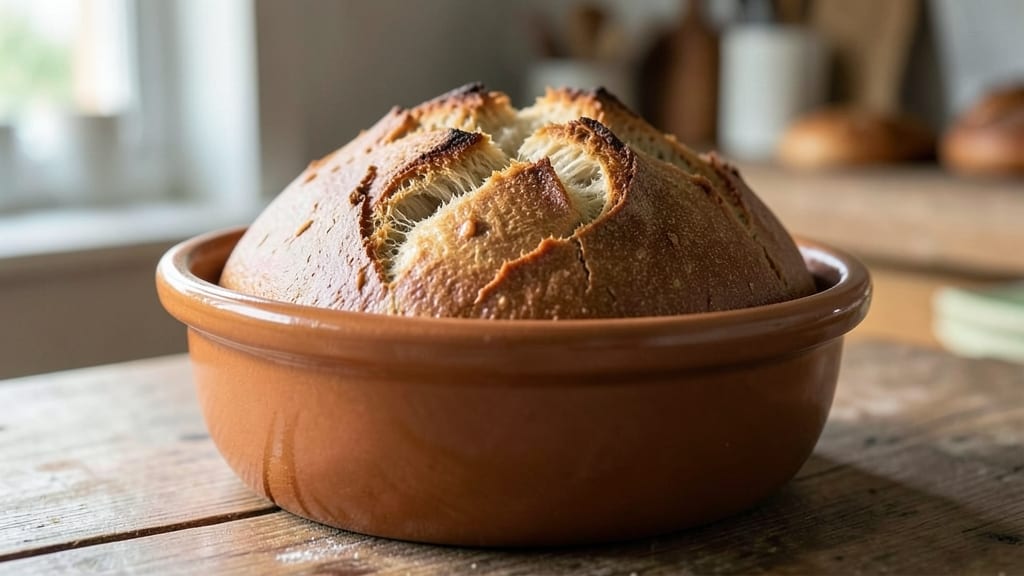
This active sourdough bread recipe transforms simple flour and water into a crusty, tangy loaf with a crisp exterior and airy interior. The process begins with cultivating a starter from scratch—no prior experience needed—using just flour, water, and time to create a living culture that develops complex flavors.
What makes this recipe special is the balance between traditional techniques like bulk fermentation and stretch-and-folds with modern shortcuts, such as an overnight cold proof for easier timing.
The result is a loaf with a golden, crackling crust and a soft, open crumb, all infused with that signature sourdough tang. This recipe includes troubleshooting tips to avoid common pitfalls, like dense loaves or weak starters, ensuring success even for beginners.
Whether you're baking for a cozy weekend breakfast or impressing guests, this bread delivers restaurant-quality results at home.
For those who prefer plant-based options, adding seeds or oil to the dough creates a vegan-friendly variation without sacrificing texture or flavor. The step-by-step guide covers everything from starter maintenance to shaping and baking, making it accessible for anyone ready to embrace the art of sourdough.
Let’s get started on your first loaf.
This method builds confidence with each batch, turning a seemingly complex process into a rewarding routine. The key lies in patience and attention to detail—each step, from feeding the starter to proofing the dough, contributes to the final masterpiece.
Once you taste that first slice, you’ll understand why sourdough is worth the effort.
Ingredients for active sourdough bread
Four cups flour kickstarts this artisanal loaf—where fermentation transforms simple ingredients into golden, crackling perfection.
| Ingredient | Amount | Notes |
|---|---|---|
| Unbleached All-Purpose Flour 🌾 | 5 cups | King Arthur or Bob's Red Mill preferred |
| Active Sourdough Starter 🍞 | 1 ½ cups | 100% hydration, bubbly and aromatic |
| Filtered Water 💧 | 3 ½ cups | Room temperature, 75-80°F |
| Kosher Salt 🧂 | 1 ½ tsp | Diamond Crystal preferred |
| Ground Flaxseed 🌱 | 1 tbsp | For vegan binding, optional |
| Extra-Virgin Olive Oil 🫒 | 2 tsp | For dough handling |
| Sesame Seeds 🌰 | 1 tbsp | For crust decoration |
| Cornmeal 🌽 | ¼ cup | For dusting baking surface |
| Vegan Butter 🧈 | 1 tbsp | Miyoko's or Earth Balance preferred |
| Maple Syrup 🍁 | 1 tbsp | For brushing crust |
| Chia Seeds 🌱 | ½ cup | Optional for nutrition boost |
| Sunflower Seeds 🌻 | ½ cup | Optional for texture |
The sourdough starter is the heart of this recipe. For optimal results, use a 100% hydration starter that's been fed regularly—it should be bubbly, aromatic, and have doubled in size within 4-6 hours after feeding. King Arthur Flour and Bob's Red Mill brands yield the best texture due to their protein structure. If your starter smells harsh or looks sluggish, revive it with 1:1:1 flour:water:starter ratio and feed twice daily for 24 hours. The flaxseed acts as a vegan binder, replacing eggs while adding omega-3s—don't skip it if you want that tender crumb. For the flour, avoid bread flour unless you want a denser loaf; all-purpose creates the perfect balance of crisp crust and airy interior.
No active starter? BreadSciences sells reliable cultures, or you can capture one using whole-grain flour for 5-7 days. Running short on time? Cold-proof the dough overnight enhances flavor development without extra work. The olive oil isn't just for handling—it creates a subtle richness that complements the tang. For seed lovers, sunflower and chia seeds add crunch and nutrition, but omit them if you prefer a cleaner loaf. The maple syrup isn't just for sweetness; it helps create that signature golden crust. Swap for agave nectar if preferred, but avoid honey to maintain vegan integrity. The vegan butter for brushing? Don't use margarine—it lacks the fat content needed for that professional finish.
Freshly baked sourdough freezes beautifully—wrap cooled loaves in beeswax wrap (vegan version) and store for up to 3 months. For best texture, reheat slices in a 350°F oven for 5 minutes. The starter can be kept indefinitely in the fridge; feed it weekly with equal parts flour and water. Pre-ferment the dough for 1-2 hours before shaping if your kitchen is cold—this prevents over-proofing. The seeds? Toast them at 325°F for 5 minutes before sprinkling for maximum crunch. This loaf tastes even better the next day as the flavors meld—perfect for meal prep.
Why You'll Love This Recipe
- No-Knead Magic: I swear by this—just mix, let it rest, and boom. The flaxseed gives it a subtle nuttiness that cuts through the tangy sourdough, while the starter does all the heavy lifting. Honestly? My hands stay clean, and the dough’s ready in minutes.
- Tangy Crust Alert: That crispy, caramelized crust? It’s the star. The kosher salt enhances every bite, and the active starter delivers a bright, almost buttery depth—like a cross between artisanal bread and a cozy hug. (Yes, even on a Tuesday night.)
- Weeknight Workhorse: Toast it for breakfast, tear it for sandwiches, or freeze slices for quick toast later. I keep a batch in the fridge all week—it’s my go-to for charcuterie boards, lunch wraps, or just dipping in olive oil. No fuss, just flavor.
- Budget-Friendly Staple: Five ingredients, zero waste. The flaxseed adds fiber and richness without costing a fortune, and the starter lasts for weeks. I make two loaves at once, freeze one, and never stress about grocery runs. My wallet and taste buds thank me.
Step-by-step instructions for active sourdough bread
Here's the method for crafting a tangy, artisanal loaf with a crisp crust and open crumb.
Mix the Dough with Precision
In a large mixing bowl, combine the 5 cups unbleached all-purpose flour and 1.5 cups active sourdough starter. I use a wooden spoon to break up any starter clumps before adding the 3.5 cups filtered water at room temperature. The starter should be bubbly and aromatic—this is your flavor foundation.
Add the 1.5 tsp kosher salt and 1 tbsp ground flaxseed to the bowl. Mix vigorously until you achieve a shaggy, sticky dough that clings to the sides. The flaxseed acts as a vegan binder here, helping create structure without eggs. If the dough feels too dry, add 1 tablespoon of water at a time until it reaches a smooth, cohesive consistency.
Knead and Develop Gluten
Transfer the dough to a lightly floured surface and knead for 8-10 minutes using a stretch-and-fold technique. I like to wet my hands slightly to prevent sticking while working the dough. You're looking for a smooth, elastic texture that springs back slowly when poked—this indicates proper gluten development.
For the first few folds, focus on creating surface tension. Wet your fingers and dip them into the flour to help lift and fold the dough. The goal is to build strength without overworking it. If the dough becomes too sticky, dust your work surface with cornmeal—it adds texture and prevents sticking better than flour alone.
Bulk Fermentation and Folding
Shape the dough into a loose ball and place it in a lightly oiled bowl. Cover with a damp towel and let it ferment at room temperature for 4-6 hours. I set my kitchen timer for hourly folds during this period—each fold strengthens the gluten and distributes yeast evenly.
For each fold, wet your hands again and perform three sets of stretch-and-folds. This technique creates surface tension that prevents large bubbles during baking. After the final fold, let the dough rest for 30 minutes before shaping. The dough should have nearly doubled in size with visible bubbles on the surface—this indicates active fermentation.
Shape and Final Proof
Turn the dough onto a lightly floured surface and shape it into a tight boule. I like to use the "bench method" where I stretch the dough upward while rotating it clockwise. This creates surface tension that helps maintain the shape during baking.
Place the shaped dough seam-side up in a banneton or bowl lined with a floured kitchen towel. Cover and refrigerate for 12-16 hours for cold fermentation. This slow proofing develops complex flavors and improves texture. The dough should rise significantly but not overflow the container—it should feel springy when pressed gently.
Score and Bake to Perfection
Preheat your oven to 450°F with a Dutch oven inside for 45 minutes. This creates steam that develops the crust. Turn the dough onto a piece of parchment paper and score the top with a sharp razor blade—this controls expansion and creates that beautiful open crumb.
Transfer the dough to the hot Dutch oven and bake covered for 25 minutes. Then remove the lid and bake for another 20-25 minutes until the crust is deep golden brown. Brush the crust with melted vegan butter and maple syrup for extra shine and flavor. Let the bread cool on a wire rack for at least 1 hour before slicing—this allows the crumb to set properly.
Pro Tips For Making Active Sourdough Bread
- Weigh Your Starter Precisely: The sourdough starter’s hydration matters—don’t eyeball it. Use a scale for the starter (usually 10-20% of flour weight) to avoid overfeeding or underfeeding, which throws off fermentation timing and flavor.
- Mix Flaxseed Last: Sprinkle the ground flaxseed into the dough after autolyse but before salt. It absorbs moisture fast—adding it too early makes the dough gummy, and too late means uneven distribution. Stir it in like you’re folding in a stubborn guest.
- Check Dough Temperature: Your kitchen’s warmth changes everything. Aim for a dough temp of 75–78°F (24–26°C) before bulk fermentation—use a thermometer. Cold dough ferments slower; too-warm dough overproofs. Adjust water temp if needed (cooler water = cooler dough).
- Skip the Over-Kneading: This isn’t French baguette dough. With flaxseed and active starter, you only need 2–3 sets of stretch-and-folds (5–10 minutes total). Overwork it, and the flaxseed releases bitterness, turning your crust into a sad, nutty afterthought.
Perfect pairings for this active sourdough bread
Buttery Spreads
Pair your sourdough with vegan butter like Miyoko's or Earth Balance—the rich, creamy texture complements the tang perfectly. I love spreading a thin layer on warm slices and topping with a drizzle of local honey (if non-vegan) or maple syrup for a sweet contrast.
For extra decadence, try almond butter with a pinch of cinnamon—it adds protein and a nutty depth that balances the sourdough's acidity. 🧈
Artisanal Jams
Bright, fruity jams cut through the bread's density beautifully. I reach for fig jam with walnuts for a sophisticated pairing, or strawberry jam made with King Arthur Flour for a classic combo.
For a vegan twist, use sunflower seed jam—its subtle sweetness and crunch mirror the bread's texture. Always serve jam at room temperature so its flavors fully develop.
Cheese Boards
Create a vegan cheese board with aged cheddar alternatives like Violife or Follow Your Heart, paired with marinated olives and roasted nuts. The sharpness of vegan cheddar enhances the sourdough's tang, while the olives add briny contrast.
For a lighter option, include hummus with roasted red peppers—it's creamy yet refreshing against the crusty bread. Arrange everything on a slate board for an elegant presentation.
Sweet Toppings
Drizzle warm sourdough with melted vegan chocolate and crushed hazelnuts for a dessert-like treat. I also love a sprinkle of flaky sea salt to balance the sweetness. For breakfast, top with chopped banana and a swirl of almond butter—it's like a vegan French toast in loaf form.
The key is contrast: pair rich toppings with the bread's crisp crust for the best experience.
Savory Pairings
For lunch or dinner, serve sourdough with avocado slices and everything bagel seasoning, or smoked salmon with vegan cream cheese and capers. The bread's acidity cuts through the richness of smoked salmon beautifully.
Another favorite is grilled mushrooms with balsamic glaze—the earthy flavors complement the sourdough's tang. Always let the bread cool slightly before serving savory toppings to prevent sogginess.
Beverage Pairings
Match your sourdough with iced matcha latte for a refreshing contrast, or a bold dark roast coffee to cleanse the palate. For something lighter, try sparkling apple cider—its effervescence balances the bread's density.
If you prefer alcohol, a dry Riesling or vegan stout beer like Omission pairs perfectly with the tangy, crusty texture. Always serve beverages chilled to enhance the sourdough's flavors.
Nutrition facts
Frequently asked questions
How do I know my sourdough starter is ready for baking?
Your starter is ready when it's bubbly, aromatic, and has doubled in size within 4-6 hours after feeding. It should also float in water—drop a small spoonful in a glass of water, and if it stays afloat, it's active and ready to use. The smell should be tangy but not harsh or alcoholic.
Why did my sourdough loaf turn out dense instead of airy?
A dense loaf usually means the dough didn't ferment enough or was overworked. Check if your starter was weak (needs more feedings) or if you skipped stretch-and-folds during bulk fermentation. Also, ensure your oven is hot enough (450°F) and preheated with the Dutch oven inside for 45 minutes to create proper steam.
Can I use whole wheat flour in this recipe?
Yes, but replace up to 25% of the all-purpose flour with whole wheat for added nutrition. Whole wheat absorbs more water, so you may need an extra 1-2 tablespoons. The dough will be stickier, so use more cornmeal when shaping. Just note that whole wheat bread has a denser crumb and shorter shelf life.
How long can I keep my sourdough starter alive without baking?
Store your starter in the fridge and feed it weekly with equal parts flour and water. It can last indefinitely this way! Before using, feed it twice daily for 24 hours to revive it. If it smells harsh or looks sluggish, discard half and feed with fresh flour and water to reset it.
What's the best way to reheat sliced sourdough?
For crispy crust: Wrap slices in foil and warm at 350°F for 5 minutes. For soft interior: Toast lightly in a dry pan over medium heat for 1-2 minutes per side. Avoid the microwave—it makes the bread gummy. The best method? Eat it fresh from the oven or at room temperature the next day!