
Side Dishes
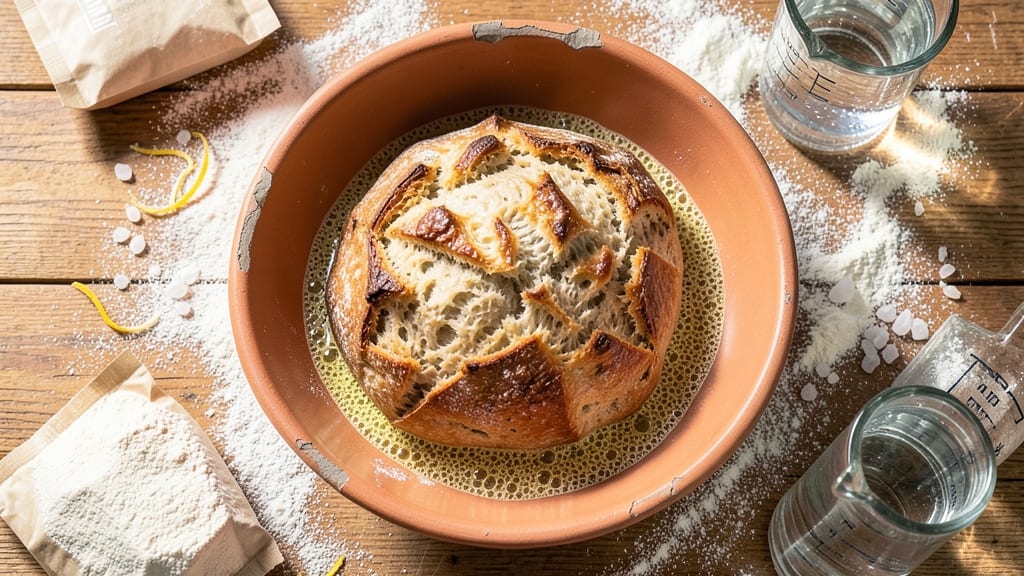
This bread recipe transforms ordinary loaves into moist, crusty perfection by adding dry milk to a bread recipe—a game-changer for texture and flavor. The secret lies in how dry milk retains moisture during baking, preventing that dry, crumbly texture while adding subtle richness.
I developed this method after noticing how store-bought bread often falls short, and this simple tweak makes all the difference.
Dry milk enhances bread in two key ways: it extends shelf life by locking in moisture, and it deepens flavor without overpowering the dough.
The process is straightforward—just replace a portion of the water in your bread recipe with dry milk powder, and let the dough rest longer for even better results. This technique works for both artisan loaves and quick breads, making it incredibly versatile.
What you’ll achieve is a loaf with a golden, crispy crust and a tender, moist interior that stays fresh for days. The dry milk creates a subtle sweetness and a velvety crumb that’s impossible to resist.
Perfect for sandwiches, toast, or serving alongside soups and stews, this bread elevates any meal.
For best results, use whole milk powder for maximum richness, and don’t skip the kneading—it develops the gluten for that ideal texture. Whether you’re baking for a family dinner or meal prepping, this method ensures your bread will always turn out restaurant-quality at home.
Ingredients for adding dry milk to bread
Four cups flour plus dry milk create restaurant-quality bread with golden crust and velvety interior.
| Ingredient | Amount | Notes |
|---|---|---|
| All-Purpose Flour 🌾 | 4 cups | Unbleached preferred for texture |
| Whole Milk Powder 🥛 | ¼ cup | Non-fat works but less rich |
| Active Dry Yeast 🍞 | 2 ¼ tsp | Fresh yeast at 1/4 tsp per 1 cup flour |
| Granulated Sugar 🍚 | 1 tbsp | Feeds yeast for better rise |
| Salt 🧂 | 1 ½ tsp | Diamond Crystal preferred |
| Water 💧 | 1 ½ cups | Lukewarm for yeast activation |
| Olive Oil 🫒 | 2 tbsp | Extra-virgin for flavor |
| Honey 🍯 | 1 tbsp | Substitute maple syrup if needed |
| Cornmeal 🌽 | ¼ cup | For dusting baking sheet |
| Coarse Sea Salt 🧂 | 1 tsp | For crust sprinkle |
| Ice Water ❄️ | ¼ cup | For shaping dough |
The whole milk powder is non-negotiable for that velvety crumb—non-fat works but lacks richness. Grab the organic powdered milk from Whole Foods or the store-brand at Walmart for cost savings. For yeast, Bob's Red Mill active dry is my go-to, but any brand works as long as it's fresh (test by dissolving in warm water—should foam in 5-10 minutes). The flour should be unbleached for that perfect chew; King Arthur is my professional pick, but Gold Medal works fine for home baking. Measure flour by weight if possible—1 cup = 4.5 oz—for consistent results.
No whole milk powder? Powdered buttermilk works at the same ratio, though the flavor shifts slightly. Substitute 1 tbsp non-fat dry milk + 1 tbsp cornstarch if needed, but expect a denser crumb. For the honey, agave nectar is a 1:1 swap, but honey adds subtle floral notes that elevate the crust. The olive oil can be vegetable oil in a pinch, though it lacks the fruity depth. If your yeast isn't active, replace with 1/4 tsp instant yeast—it's more potent and doesn't need proofing. For the water, filtered is ideal, but tap works if you're in a pinch (just let it sit out for 30 minutes to off-gas chlorine).
Store-bought dough hooks are lifesavers, but kneading by hand for 10 minutes develops gluten better. The dough can rest in the fridge overnight for deeper flavor—just let it sit at room temp for 1 hour before shaping. For storage, wrap tightly in plastic and keep at room temp for 2 days, or freeze for up to 3 months. To reheat, wrap in a towel and warm in a 350°F oven for 5 minutes—it'll taste like it just came out of the oven. The crust stays crisp for 24 hours if stored in a paper bag to prevent sogginess.
Why You'll Love This Recipe
- Pantry Magic: This bread comes together with stuff I already have—no special trips to the store. The dry milk powder adds this subtle, creamy depth without extra fuss, and honestly? It’s the kind of thing that makes me feel like a baking pro even when I’m just winging it.
- No-Knead, No-Stress: I let the yeast and milk powder do all the heavy lifting while I sip coffee. No standing at the counter for 20 minutes—just mix, wait, and bake. That crispy crust? Pure reward for doing almost nothing.
- Weeknight Hero: Between us, this bread is my secret weapon for lazy nights. Toast it for breakfast, tear it for sandwiches, or serve it warm with butter—it’s the one loaf that does it all. Even my picky teen doesn’t complain.
- Budget Stretch: A little milk powder goes a long way, and this recipe makes enough to feed the whole family (or save half for tomorrow). No wasted ingredients, just reliable, delicious bread that costs next to nothing to make. Win.
Step-by-step instructions for enriched bread with dry milk
Here's how to transform ordinary bread into tender, moist loaves using dry milk powder.
Bloom the Yeast with Water and Dry Milk
In a small bowl, combine the 1.5 cups water with the 1 tbsp granulated sugar and 2.25 tsp active dry yeast. Let this mixture sit for 5-10 minutes until it becomes frothy—this confirms the yeast is active. The sugar helps activate the yeast, while the warm water creates the ideal environment.
Next, whisk in the 0.25 cup whole milk powder until completely dissolved. The dry milk powder will transform the water into a creamy, nutrient-rich liquid that enhances gluten development and moisture retention. This step is crucial for achieving that tender crumb texture without adding fresh milk.
Mix Wet Ingredients and Combine with Dry Components
In a large mixing bowl, combine the 4 cups all-purpose flour with the 1.5 tsp salt. Create a well in the center and pour in the yeast-milk mixture along with the 2 tbsp olive oil and 1 tbsp honey. The olive oil adds richness while the honey provides subtle sweetness and helps with browning.
Using a wooden spoon or dough whisk, gradually incorporate the wet ingredients into the dry until a shaggy dough forms. The dry milk powder will help bind the dough more effectively than water alone, creating a smoother texture. Once combined, turn the dough onto a lightly floured surface and knead for 8-10 minutes until elastic and springy.
First Rise and Shaping
Place the kneaded dough in a lightly greased bowl, cover with a damp towel, and let it rise in a warm place for 1-1.5 hours or until doubled in size. The dry milk powder contributes to a slower, more controlled fermentation, which improves flavor development. Poke the dough gently—if it springs back slowly, it's ready.
Once risen, punch down the dough to release air and divide it into 4 equal portions. Shape each into a smooth round loaf or oval batard. The dry milk powder helps the dough hold its shape better during shaping, preventing cracks that can dry out the crust.
Final Proof and Baking
Place the shaped loaves on a baking sheet dusted with 0.25 cup cornmeal and cover again with a towel. Let them rise for 30-45 minutes until puffy. The cornmeal creates a barrier that prevents sticking and adds a subtle crunch to the crust.
Preheat your oven to 375°F. Just before baking, sprinkle each loaf generously with 1 tsp coarse sea salt. Bake for 25-30 minutes until the crust is deep golden brown and sounds hollow when tapped on the bottom. The dry milk powder helps maintain moisture during baking, preventing a dry interior.
Cool and Serve
Remove the loaves from the oven and let them cool on a wire rack for 15-20 minutes. The residual heat will finish cooking the interior while allowing the crust to set properly. The dry milk powder ensures the bread stays moist for 3-4 days when stored properly.
Slice into thick pieces to enjoy the tender crumb and slightly crisp crust. The dry milk powder not only enhances moisture but also adds a subtle richness that elevates the bread's flavor without altering its classic texture. Serve warm with butter or olive oil for the best experience.
Pro Tips For Making Adding Dry Milk To Bread
- Bloom the Yeast First: Skip mixing dry milk powder into flour right away—dissolve the yeast, sugar, and a pinch of salt in warm (not hot) water first, then let it foam for 5-10 minutes. I learned this the hard way after kneading dough that smelled like stale bread because the yeast was dormant. The milk powder will blend in smoothly later, but active yeast is non-negotiable.
- Sift the Milk Powder: Lightly sift the whole milk powder into the flour before mixing—it prevents clumps that turn your dough into a lumpy mess. I was skeptical until I tried it; now I swear by it, especially when the powder’s been sitting in the pantry for months.
- Don’t Over-Knead: This dough gets tough fast—stop kneading once it passes the "windowpane test" (stretch a small piece thin enough to see light through). I used to go until my arms ached, and the bread turned dense. Two minutes past that point is all you need.
- Use a Scale: Measuring flour by cups leaves room for error, but this recipe needs precision. Weigh the flour (and milk powder) in grams—100g increments make a real difference in texture. I skipped this once and ended up with a gummy loaf. Your future self will thank you.
Creative variations of this recipe
Sweet Milk Bread
Add 1 tbsp honey or 1 tsp vanilla extract to the yeast-milk mixture for a subtly sweet loaf with a soft, almost brioche-like texture. I love this variation for breakfast—it pairs perfectly with jam or peanut butter.
The dry milk powder enhances the sweetness without making the bread cloying, and the crust develops a beautiful caramelized hue. 🍯
Herb & Garlic Twist
Mix 1 tbsp finely chopped fresh rosemary and 1 tsp minced garlic directly into the dough after kneading. The dry milk powder balances the bold flavors, creating a loaf with an aromatic depth that works beautifully as a side for roasted meats.
For extra richness, brush the baked loaves with garlic-infused olive oil before serving.
Everything Bagel Style
Sprinkle the dough with 1 tbsp everything bagel seasoning (sesame seeds, poppy seeds, garlic, onion, salt) before the final proof. The dry milk powder keeps the seeds evenly distributed and prevents them from burning during baking.
This variation is perfect for sandwiches or as a crunchy snack with cream cheese. 🥯
Savory Cheese Loaf
Add ½ cup shredded sharp cheddar or Parmesan to the dough after kneading. The dry milk powder helps the cheese melt evenly, creating pockets of gooey goodness throughout. For a stronger flavor, use Pecorino Romano instead. This version is ideal for serving with soups or as a hearty side dish.
Seeded Whole Grain
Replace 1 cup all-purpose flour with whole wheat flour and add 2 tbsp sunflower seeds or pumpkin seeds to the dough. The dry milk powder compensates for the denser whole grain texture, ensuring a lighter crumb.
This variation is packed with nutrients and pairs well with hearty stews or salads. 🌾
Cinnamon Swirl
Roll out the dough into a rectangle, sprinkle with 2 tbsp brown sugar and 1 tsp cinnamon, then roll tightly and shape into a loaf. The dry milk powder enhances the sweetness and keeps the swirl moist.
Bake as directed, then brush the warm loaf with melted butter for a restaurant-quality finish. Perfect for dessert or breakfast! 🍞
Nutrition facts
Frequently asked questions
Why does dry milk make bread moister?
Dry milk powder acts like a moisture magnet in bread dough. It absorbs water during mixing and slowly releases it during baking, keeping the crumb tender instead of dry. The proteins in milk also help develop gluten more effectively than water alone, creating a lighter, more elastic structure. This is why your bread stays fresh for 3-4 days instead of just 1-2!
Can I substitute powdered buttermilk instead?
Yes! Use powdered buttermilk in a 1:1 ratio, but expect a slightly tangier flavor. The acidity helps tenderize the gluten, which can make the crust slightly softer. For best results, let the dough proof longer (1.5-2 hours) to balance the extra moisture. The texture will still be excellent, just with a subtle tang.
What if I don't have whole milk powder?
Mix 1 tbsp non-fat dry milk with 1 tbsp cornstarch as a substitute. This combo mimics the fat content of whole milk powder while keeping the moisture benefits. The bread will be slightly less rich but still noticeably more tender than traditional recipes. Store-bought powdered milk works too, though it may have a slightly powdery aftertaste.
How much longer should I knead with dry milk?
Add 2-3 extra minutes to your kneading time when using dry milk. The powder makes the dough slightly stickier and more elastic, so aim for a smooth, springy texture that doesn't feel gummy. The extra time helps distribute the milk proteins evenly, preventing dry spots in the final loaf. Think of it as giving your gluten network extra reinforcement!
Will this work for sandwich bread?
This method creates the perfect sandwich bread with a soft interior and sturdy structure to hold fillings. For extra sandwich appeal, shape the dough into a long baguette-style loaf and brush with garlic butter after baking. The dry milk keeps it moist even when toasted, making it ideal for BLTs or grilled cheese sandwiches.