
Side Dishes
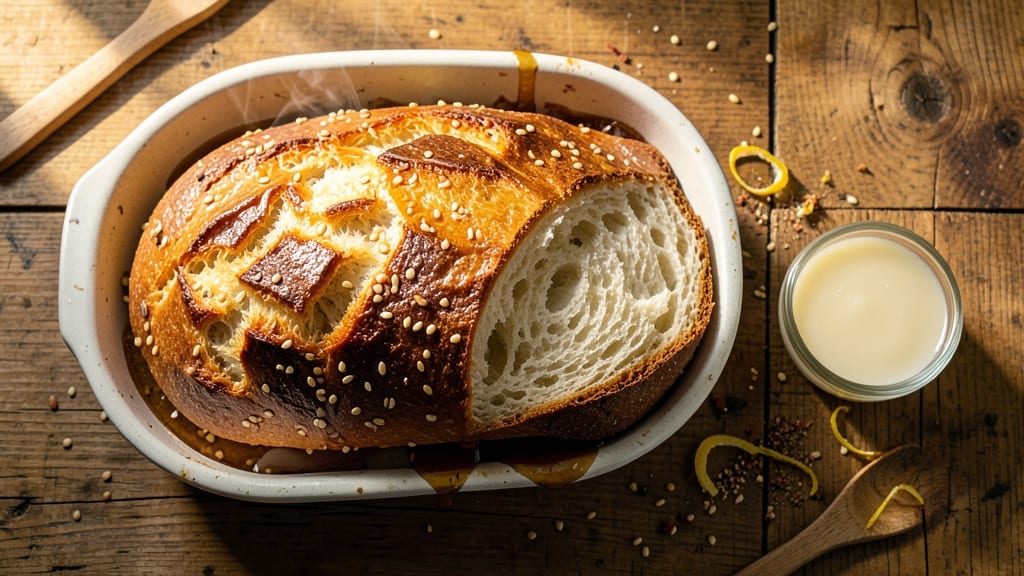
Adding tangzhong to a bread recipe unlocks the secret to Japanese milk bread’s legendary softness—a technique that turns ordinary dough into something impossibly tender and fluffy. This method works by creating a moisture reservoir in the dough, where a small portion of flour and hot liquid forms a pre-gelatinized paste. As the bread bakes, this tangzhong releases moisture gradually, ensuring a moist, airy crumb that stays fresh for days. What makes this bread recipe truly special is the balance of simplicity and precision. You’ll begin by preparing the tangzhong—a smooth, hot flour-water mixture that cools into a paste—before even mixing the dough. This preliminary step might seem unusual, but it’s the key to that melt-in-your-mouth texture. The dough itself is straightforward: combine your tangzhong with the remaining ingredients, knead until smooth, and let it rest before shaping and proofing. The result is bread with a crisp, golden crust that gives way to an interior so soft it practically dissolves on your tongue. Each slice maintains its structure without turning gummy, making it perfect for sandwiches, toast, or simply enjoying with butter. The tangzhong method eliminates guesswork—no more dry, dense loaves or bread that stales within hours. This is bread that delivers restaurant-quality texture at home. Whether you're a seasoned baker or just starting out, this recipe builds confidence with clear steps and predictable results. The tangzhong technique might sound intimidating at first, but once you master it, you’ll wonder how you ever baked without it. Ready to transform your bread game? Let’s get started with the full step-by-step process.
Ingredients for adding tangzhong to bread
Simple ingredients that transform into impossibly soft Japanese milk bread with tangzhong technique.
| Ingredient | Amount | Notes |
|---|---|---|
| All-Purpose Flour 🌾 | 2 ½ cups | High-protein for structure |
| Whole Milk 🥛 | ½ cup | Room temperature preferred |
| Granulated Sugar 🍯 | ⅛ cup | Or substitute with honey |
| Unsalted Butter 🧈 | ¼ cup | Softened to room temp |
| Large Eggs 🥚 | 1 whole | Room temperature for best mix |
| Active Dry Yeast 🍞 | 0.04 oz | 1 packet or 2.5 tsp |
| Salt 🧂 | ½ tsp | Diamond Crystal preferred |
| Water 💧 | 1 ½ tbsp | Hot for tangzhong paste |
| Honey 🍯 | 1 tbsp | Optional for extra sweetness |
| Vanilla Extract 🌸 | ½ tsp | Pure vanilla preferred |
| Bread Flour 🌾 | 1 ½ cups | For final dough structure |
| Instant Potato Flakes 🥔 | 1 tbsp | Optional for extra softness |
The yeast is the unsung hero here—King Arthur or Bob's Red Mill brands are my go-to for reliability. You'll want it fresh, so check the date on the package (yeast loses potency over time). The tangzhong paste starts with just 1.5 tbsp water and 1.5 tbsp flour, heated until smooth. This small ratio (about 1:1) creates that signature moisture reservoir. For the milk, whole milk gives the best flavor, but 2% works in a pinch. If you're feeling fancy, organic whole milk from the store's refrigerated section adds extra richness. The bread flour is non-negotiable for that professional crumb—it has higher protein content than all-purpose, which develops more gluten for structure.
No vanilla extract? Vanilla bean paste works too, or skip it entirely—this bread is delicious either way. Running short on honey? Maple syrup at half the amount gives similar sweetness. The instant potato flakes are optional but worth it—they add a subtle creaminess that mimics milk bread's signature texture. For the tangzhong, heat the water to 160°F before mixing with flour (just off boil), then whisk until completely smooth. If you accidentally boil it, no big deal—just let it cool completely before using. The dough can be made a day ahead and refrigerated overnight for even better flavor development (just let it come to room temp before shaping).
Store your shaped loaves in an airtight container at room temp for 2 days—they'll stay fresh longer than most bread. For longer storage, wrap tightly in plastic and freeze for up to 3 months. The tangzhong magic means these loaves won't dry out like regular bread. I like to slice and freeze individual portions for quick toast in the morning. When reheating, wrap slices in a damp paper towel and microwave for 10-15 seconds—they'll be warm and soft again in no time.
Why You'll Love This Recipe
- Soft All Day: I swear, this bread stays pillowy for hours—no sad, dry slices here. The tangzhong (that little butter-milk paste) absorbs water like a sponge, keeping it moist even when you forget it’s in the breadbox.
- Sweet Butter Magic: That warm, buttery aroma? It’s the whole milk and sugar playing nice with the tangzhong’s chew. Honestly, I catch myself sneaking bites straight out of the pan—no shame.
- Lunchbox Hero: Between us, this bread is my go-to for sandwiches, toast, and even French toast. The tangzhong makes it sturdy enough for thick fillings but still tender—no soggy PB&J disasters here.
- Budget Baked Good: I use the same ingredients I already have, and it stretches further than store-bought. Plus, the tangzhong trick means fewer trips to the bakery—my wallet thanks me every time.
Step-by-step instructions for creating tangzhong-infused bread
Mastering this Japanese technique guarantees bread with a melt-in-your-mouth crumb.
Prepare the Tangzhong Paste
In a small saucepan, combine the 1.5 tablespoons hot water and 1 tablespoon instant potato flakes. Whisk vigorously until the flakes dissolve completely—this creates a smooth, gel-like consistency. The mixture should thicken noticeably as it heats.
Bring to a gentle boil over medium-low heat, stirring constantly to prevent lumping. Once boiling, remove immediately and let cool to room temperature, about 5-7 minutes. The paste should thicken into a translucent, jelly-like substance that holds its shape when pressed. This is your secret weapon for ultra-soft bread—it releases moisture slowly during baking, keeping the crumb tender for hours.
Mix the Wet Ingredients with Tangzhong
In a separate bowl, whisk together the 0.5 cup whole milk (room temperature), 0.125 cup granulated sugar, 0.25 cup softened unsalted butter, 1 whole large egg, 0.5 teaspoon vanilla extract, and the cooled tangzhong paste. Mix until completely smooth—no lumps should remain. The tangzhong will blend seamlessly into the wet ingredients, creating a slightly thicker batter than usual.
Here's the thing—this mixture should feel noticeably heavier than standard bread dough. That's exactly what we want. The tangzhong's moisture-retaining properties will transform your bread's texture. If the mixture seems too thick, add 1 teaspoon water at a time until it reaches a pourable consistency, but don't overdo it—the goal is thickness, not thinness.
Combine with Dry Ingredients
In a large mixing bowl, combine the 2.5 cups all-purpose flour and 1.5 cups bread flour with the 0.5 teaspoon salt and 0.035 oz active dry yeast. Make a well in the center and pour in the wet ingredient mixture. Using a dough whisk or wooden spoon, gently fold the ingredients together until just combined—you should still see dry flour patches.
This is where patience pays off. Overmixing develops gluten too early, which can make the bread dense. Instead, use the "scrape and fold" method: scrape the sides of the bowl, fold the dough over itself, and repeat until all ingredients are incorporated. The dough should be shaggy but cohesive, with a slightly sticky texture from the tangzhong.
Develop the Dough with Tangzhong Benefits
Turn the dough onto a lightly floured surface and knead gently for 5-7 minutes by hand, or use a stand mixer with a dough hook on low speed for 3-4 minutes. The tangzhong-infused dough will be softer and stickier than traditional bread dough, so don't be tempted to add extra flour—this is normal and actually enhances the final texture.
Knead until the dough becomes smooth and elastic, with a slight sheen on the surface. It should pass the windowpane test: stretch a small piece between your fingers until it's translucent without tearing. The tangzhong helps create a more extensible dough that handles shaping beautifully. Place the dough in a lightly oiled bowl, cover with a damp towel, and let rise in a warm place for 1-1.5 hours, or until doubled in size.
Shape and Bake for Maximum Softness
Punch down the risen dough and divide it into 4 equal portions (about 8 ounces each). Shape each portion into a smooth boule or batard, then place on a parchment-lined baking sheet. Cover again and let rest for 20-30 minutes—this final rest ensures the gluten relaxes for perfect shaping.
Preheat your oven to 375°F with a baking stone or inverted baking sheet inside. Brush the dough with a light egg wash (beat 1 egg with 1 tablespoon water). Bake for 25-30 minutes until the bread reaches an internal temperature of 190-200°F and develops a deep golden-brown crust. The tangzhong will work its magic during baking, creating that signature soft, pillowy crumb that stays fresh for days.
Pro Tips For Making Adding Tangzhong To Bread
- Boil Tangzhong Slow: I learned this the hard way—rushing the roux (mixing flour + milk) over medium heat will turn it gummy instead of silky. Simmer that mix at lowest possible heat for 5-7 minutes, stirring every 30 seconds, until it’s thick enough to coat the back of a spoon like glue. No splashing, no lumps—just patience.
- Cool Before Mixing: That hot tangzhong will cook the rest of your dough on contact. Let it cool to lukewarm (about 90°F/32°C) before folding it into your flour-butter mix—or you’ll kill the yeast faster than a microwave. I used to skip this, and my bread always tasted flat.
- Weigh Your Flour: Cup measuring with AP flour is a disaster for tangzhong bread. The tangzhong itself is precise—too much flour makes it dry, too little makes it gummy. Use a scale for both the tangzhong flour and the rest, or your texture will be all over the place.
- Skip the Extra Egg Wash: This dough’s already rich with butter and eggs. If your bread’s browning too fast in the oven, just brush the top with cold water right before baking—it’ll give you a glossy crust without making it greasy. (Yes, even if you’re impatient like me.)
Common mistakes when making this recipe
Overheating Tangzhong
The tangzhong paste needs to be heated just until it thickens—boiling it too long or too vigorously can create lumps or even burn the flour. I’ve ruined a batch by letting it boil for too long, which made the bread dense instead of soft.
Remove the paste from heat the moment it reaches a gentle boil and let it cool completely before using. The ideal tangzhong should be translucent and hold its shape when pressed—if it’s grainy or clumpy, whisk it again until smooth. 🌡️
Skipping the Cooling Step
Using hot tangzhong directly in your dough can kill the yeast, leaving your bread flat and dense. I once forgot to let mine cool and ended up with a sad, pancake-like loaf.
Always let the tangzhong cool to room temperature (about 5-7 minutes) before mixing it into the wet ingredients. You can speed this up by placing the saucepan in an ice bath if you’re in a hurry, but never rush this step—patience here pays off in texture.
Incorrect Flour-to-Water Ratio
The tangzhong relies on a precise 1:1 ratio of flour to water (or slightly more flour for a thicker paste). Using too much water makes the dough gummy, while too little flour can create a dry, crumbly texture.
Stick to the recipe’s measurements—1.5 tbsp flour to 1.5 tbsp water—and adjust only if absolutely necessary. If your dough feels too sticky, resist the urge to add extra flour; instead, let it rest longer before shaping to allow the gluten to relax naturally.
Underproofing the Dough
Tangzhong bread needs proper proofing to develop its signature softness. I’ve made the mistake of baking dough that didn’t fully rise, resulting in dense, chewy loaves.
Let the dough rise until it’s doubled in size (about 1-1.5 hours in a warm place) and don’t rush the final 20-30 minute rest before baking. This resting period is crucial—it relaxes the gluten and ensures the bread holds its shape while baking.
Overmixing the Dough
Tangzhong dough is naturally softer and stickier than traditional bread dough, so overmixing can develop too much gluten, making the bread tough. I’ve kneaded mine for too long, thinking it needed more work, only to end up with a dense loaf.
Knead just until the dough is smooth and elastic (5-7 minutes by hand or 3-4 minutes in a mixer), then let it rest. The tangzhong’s moisture will help create a tender crumb without extra effort.
Baking Without a Stone
Using a baking stone or inverted baking sheet helps create steam, which is essential for that crisp crust and soft interior. I’ve baked tangzhong bread without one, and while it still turned out okay, the crust was less crispy and the crumb slightly denser.
If you don’t have a stone, place a sheet pan on the lower rack and pour 1 cup of boiling water into it when you put the bread in the oven. Remove the pan after 10 minutes to let the bread finish baking with a crisp crust. ✨
Nutrition facts
Frequently asked questions
What makes tangzhong bread different from regular bread?
The tangzhong technique creates a moisture reservoir in the dough using a pre-gelatinized flour paste. This releases moisture slowly during baking, resulting in bread that stays soft for days instead of hours. The texture is impossibly tender with a crisp crust—unlike regular bread that dries out quickly.
Can I substitute milk with another liquid in the recipe?
Yes, but whole milk gives the best flavor and texture. For substitutions, use 2% milk (same amount) or water with 1 extra tablespoon butter. Avoid non-dairy milks—they can affect yeast activation and final texture. The tangzhong method works best with dairy for optimal softness.
How do I know when the tangzhong is ready?
The tangzhong is ready when it's translucent, thickened, and holds its shape when pressed. It should cool to room temperature (about 5-7 minutes) and look like a smooth, jelly-like paste. If it's grainy, whisk again until completely smooth before using.
Can I make this bread without a stand mixer?
This recipe works perfectly by hand. Knead the dough for 5-7 minutes on a lightly floured surface until smooth and elastic. The tangzhong dough is naturally softer, so it requires less kneading than traditional bread. Just be patient and work gently to avoid developing too much gluten.
Why did my bread turn out dense instead of soft?
Common causes include overmixing (which develops too much gluten), underproofing (not letting it rise enough), or using hot tangzhong (which kills yeast). The dough should rise until doubled (1-1.5 hours) and have a slightly sticky texture. If it feels too firm, let it rest longer before shaping.