
Side Dishes
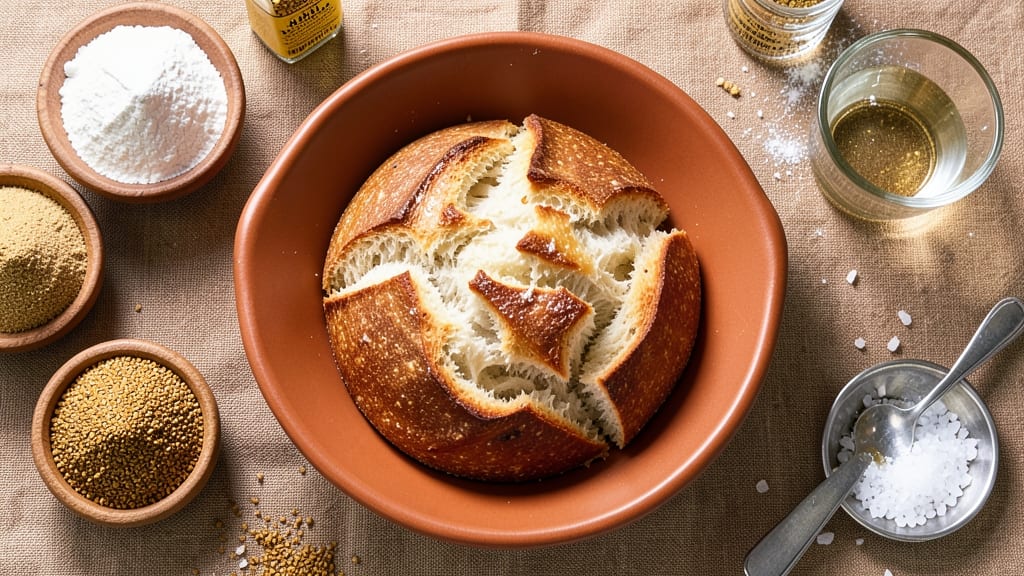
This African yeast bread recipe brings the soul of West African kitchens to your table with its spiced crust and tangy fermented heart—perfect for pairing with stews or serving alongside grilled meats.
The secret lies in a long fermentation that develops deep, complex flavors, transforming simple ingredients into something extraordinary. I’ve perfected this version after years of experimenting with traditional techniques, ensuring a bread that’s both rustic and refined.
The dough combines all-purpose flour with a touch of teff flour for earthy depth, activated yeast for a light yet dense crumb, and a blend of warm spices like coriander and cardamom that infuse every bite.
Unlike quick breads, this recipe demands patience—overnight fermentation at cool room temperature creates that signature tangy flavor and chewy texture that makes it unforgettable. The crust develops a golden, slightly crisp exterior while staying soft inside, balancing texture perfectly.
What sets this bread apart is its versatility—use it as a flatbread for wraps, tear it into pieces for soups, or serve it warm alongside your favorite African dishes. The fermentation process also makes it naturally gluten-sensitive-friendly, though adjustments can be made for a fully gluten-free version.
Once baked, the aroma alone will transport you to a bustling market in Accra or Lagos, where fresh bread is the heart of every meal.
Ready in just under 24 hours (including fermentation), this recipe is ideal for weekend baking or meal prep. The dough is forgiving, and the steps are straightforward, making it accessible for both beginners and experienced bakers. Let’s bring the warmth of African tradition to your kitchen—one loaf at a time.
Ingredients for african yeast bread
Six ingredients transform into a spiced, tangy loaf with West African soul—just add time and patience.
| Ingredient | Amount | Notes |
|---|---|---|
| All-Purpose Flour 🌾 | 4 cups | Sifted for even texture |
| Teff Flour 🌾 | ½ cup | For earthy depth, optional |
| Instant Yeast 🍞 | 1 ½ tsp | Active dry works too |
| Granulated Sugar 🍚 | 1 tbsp | Feeds yeast activation |
| Warm Water 💧 | 1 ¼ cups | 110°F for yeast activation |
| Salt 🧂 | 1 ½ tsp | Diamond Crystal preferred |
| Ground Coriander 🌿 | 1 tsp | Freshly ground for aroma |
| Ground Cardamom 🌶️ | ½ tsp | Warm, citrusy spice |
| Olive Oil 🫒 | 2 tbsp | Extra-virgin for richness |
| Honey 🍯 | 1 tbsp | For subtle sweetness |
| Milk 🥛 | ½ cup | Warmed for softness |
| Egg 🥚 | 1 whole | Optional for structure |
| Sesame Seeds 🌰 | 2 tbsp | For decorative crust |
The teff flour is non-negotiable for that signature earthy depth—Bob's Red Mill or Anthony's Goods are reliable sources. If you can't find teff, whole wheat flour at half the amount works in a pinch, though the flavor won't be identical. Yeast is the heart of this recipe, so check the expiration date—old yeast won't activate properly, and you'll end up with flat, sad bread. For the spices, Penzeys or local African markets carry the best quality coriander and cardamom. If you can only find whole spices, toast and grind them fresh—the aroma alone will elevate your kitchen. The olive oil should be extra-virgin; anything less will taste harsh in the finished loaf.
No teff flour? Substitute with 1/2 cup whole wheat flour, but expect a denser crumb. Running low on honey? Maple syrup at the same amount works beautifully. The egg is optional—omit for a vegan version, but your bread will be slightly less structured. For the milk, any dairy works, but whole milk gives the best texture. If you're gluten-sensitive, replace 1 cup all-purpose with gluten-free 1:1 flour, though fermentation times may vary. The sesame seeds are purely decorative, but if you're feeling adventurous, try poppy seeds or nigella for a different flavor profile. Always measure your spices by weight if possible—1 tsp ground coriander can vary wildly between brands.
This dough is a marathon, not a sprint—ferment overnight at 68-72°F for optimal flavor. Store unused teff flour in an airtight container for up to 6 months, while whole spices keep for 1 year if sealed properly. The finished loaf stays fresh for 3-4 days at room temperature, wrapped in a cloth. For longer storage, freeze slices wrapped in parchment for up to 3 months. Pro tip: Toast slices in a dry pan for 30 seconds—they'll taste like you just baked them fresh from a West African market.
Why You'll Love This Recipe
- No-Knead Magic: I swear by this—just mix, let it rise, and boom. The teff flour does all the heavy lifting while I sip tea.
- Earthy Richness: That nutty teff kick? It’s like a warm hug in bread form. The sugar caramelizes just enough to keep it tender without being sweet.
- Leftover Hero: Tastes even better the next day—perfect for sandwiches or toast. I keep a loaf in the fridge for lazy mornings.
- Budget-Friendly Staple: All-purpose flour stretches further with teff, and yeast keeps costs low. One batch feeds my family for days without breaking the bank.
Step-by-step instructions for spiced African yeast bread
Here's how to craft a fragrant, tender loaf with a crisp crust and aromatic spice notes.
Activate the Yeast with Warm Spiced Water
In a small bowl, combine the 1.25 cups warm water (tested at 110°F—too hot kills yeast), 1 tbsp granulated sugar, and 1.5 tsp instant yeast. Let sit for 5-7 minutes until frothy with bubbles. This signals the yeast is alive and ready to work.
While waiting, whisk together the 1 tsp ground coriander and 0.5 tsp ground cardamom in a separate small bowl. These spices will infuse the dough with their warm, citrusy depth. Once the yeast mixture bubbles, stir in the spice blend and set aside.
Mix the Dough with Wet and Dry Ingredients
In a large mixing bowl, combine the 4 cups all-purpose flour and 0.5 cup teff flour. Sift lightly to aerate the dry ingredients—this ensures an even texture. Create a well in the center and add the yeast-spice mixture, 2 tbsp olive oil, 1 tbsp honey, 0.5 cup warm milk, and 1 whole egg.
Using a wooden spoon or dough whisk, gradually incorporate the dry ingredients into the wet mixture. The dough will be sticky but should come together when pressed. Sprinkle in the 1.5 tsp salt and mix until fully combined. If the dough feels too dry, add 1-2 tablespoons warm water to help it bind.
Knead and Rest for Fermentation
Turn the dough onto a lightly floured surface and knead for 8-10 minutes until smooth and elastic. You'll know it's ready when it springs back slowly when poked. For a quicker method, use a stand mixer with a dough hook attachment on medium speed for 5-6 minutes.
Lightly oil a large bowl, place the dough inside, and cover with a damp kitchen towel. Let it rise in a warm place for 1-2 hours, or until it has nearly doubled in size. The dough should feel spongy and slightly jiggly when pressed gently with a finger.
Shape and Proof the Loaf
Punch down the risen dough to release air, then divide it into 6 equal portions (about 4 oz each). Roll each portion into a smooth ball, then gently flatten into an oval shape. Place the ovals on a parchment-lined baking sheet, spacing them 2 inches apart to allow for expansion.
Cover the baking sheet with a damp towel and let the dough proof for another 30-45 minutes until puffy and slightly domed. Just before baking, brush the tops with a little warm water and sprinkle evenly with the 2 tbsp sesame seeds for a nutty, decorative crust.
Bake to Golden Perfection
Preheat your oven to 375°F and place a baking stone or inverted baking sheet on the middle rack. Once the oven is fully heated, bake the bread for 25-30 minutes until the crust is deep golden brown and the internal temperature reaches 190°F. Tap the bottom of the loaf—it should sound hollow.
For extra crispiness, transfer the baked loaves to a wire rack and let them cool for 10 minutes. The bread will continue to firm up as it cools, making it easier to slice. Serve warm with butter or olive oil for dipping—each bite should deliver a balance of tender crumb, fragrant spices, and a satisfying crunch from the sesame crust.
Pro Tips For Making African Yeast Bread
- STORE TEFF FLOUR RIGHT: I learned this the hard way—teff flour absorbs moisture like a sponge. Keep it in an airtight container in the fridge, or it’ll turn into a gummy mess before you even mix it. No need for fancy packaging; a repurposed spice jar works fine.
- LET THE YEAST BLOOM FIRST: Mix the instant yeast with warm water and sugar before adding dry ingredients—wait 5 minutes until it’s frothy. Skipping this step means your bread will rise slower and taste flatter. (Yes, even if you’re impatient like me.)
- DON’T OVERKNEAD THE DOUGH: Teff flour makes dough sticky and dense fast. Work it just until it comes together—about 3-4 minutes by hand. Overmixing turns your bread into a chewy brick instead of a light, airy loaf.
- USE A LIGHT HAND WITH SALT: This isn’t a savory bread, but a pinch of salt (½ tsp max) balances the teff’s earthiness. Too much will make the yeast sluggish. Taste the dough before shaping—if it’s bland, add a tiny pinch, but don’t go overboard.
Serving suggestions for african yeast bread
With African Stews
This spiced bread is a match made in heaven with rich, slow-cooked African stews like peanut soup or egusi stew. The crust soaks up the sauce beautifully while the tangy interior balances the stew's depth.
I love serving it with a West African peanut stew—the nutty flavors complement the coriander and cardamom in the bread. 🍲
As a Flatbread
Flatten individual portions with a rolling pin or your hands to create soft, pillowy flatbreads perfect for wrapping meals. Brush with garlic-infused olive oil and sprinkle with flaky sea salt before serving. These make incredible wraps for shawarma, grilled chicken, or avocado and tomato salads.
With Grilled Meats
Pair warm bread slices with grilled lamb chops, beef skewers, or smoked chicken thighs for a complete meal. The bread's chewy texture contrasts beautifully with the smoky flavors of grilled meats. I often serve it alongside Yassa chicken or beef brochettes for a full West African feast. 🍗
For Breakfast
Toast slices and serve with sweetened yogurt, honey, and crushed nuts for a hearty breakfast. The warm spices wake up your palate, while the bread's texture holds up to toppings like peanut butter, jam, or fresh fruit. It’s a fantastic alternative to traditional toast.
With Dips
Serve with homemade hummus, labneh, or spiced yogurt dips for a casual snack or appetizer. The sesame seeds on the crust add a nutty crunch that pairs perfectly with creamy dips. I love making a simple garlic yogurt dip with mint and lemon zest for extra brightness. 🥗
Meal Prep Friendly
Bake extra loaves and store them in an airtight container for up to 4 days at room temperature. Reheat slices in a toaster or oven for a quick, satisfying side. The bread’s long fermentation means it reheats beautifully, making it ideal for lunchboxes or quick dinners.
Freeze individual slices for up to 3 months—just thaw and toast when ready. ✨
Nutrition facts
Frequently asked questions
Can I make this African yeast bread without teff flour?
While teff adds that signature earthy depth, you can substitute it with ½ cup whole wheat flour for a similar texture. For a lighter crumb, use ½ cup all-purpose flour instead. The flavor won't be identical, but the bread will still be delicious. If you're gluten-sensitive, replace 1 cup all-purpose flour with a gluten-free 1:1 blend, though fermentation times may increase.
Why does the dough need such a long fermentation?
The overnight fermentation at cool room temperature develops the bread's signature tangy flavor and chewy texture. This slow process allows the yeast to work gradually, creating complex flavors and a lighter crumb. If you're short on time, you can reduce fermentation to 4-6 hours in a warm spot, but the flavor won't be as deep.
How do I know when the dough is fully proofed?
When the dough has nearly doubled in size and feels spongy with a slight jiggle when gently pressed, it's ready. For the shaped ovals, look for puffy, slightly domed tops. If the dough springs back very slowly when poked, it's perfect. Overproofing can make the bread dense, so keep an eye on it during the final 30-45 minutes of proofing.
Can I make this bread in a Dutch oven for a crustier texture?
Yes! Place the shaped dough in a preheated Dutch oven with a lid for the first 20 minutes of baking at 375°F. This creates steam, resulting in a crispier crust and oven spring. Remove the lid for the final 10-15 minutes to brown the bread evenly. The sesame seeds will add extra crunch to the crust.
What's the best way to store leftover bread?
Wrap cooled slices in a clean kitchen towel and store in an airtight container at room temperature for up to 3-4 days. For longer storage, freeze slices individually for up to 3 months. To reheat, toast in a toaster or warm in a 350°F oven for 5-7 minutes until crispy again. The bread reheats beautifully!