
Side Dishes
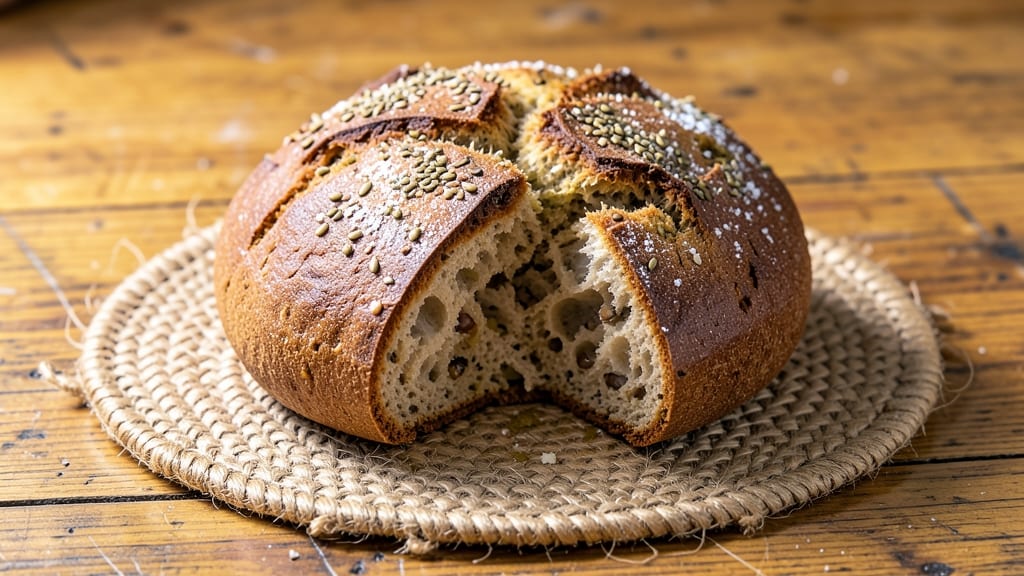
This Akasha bread recipe delivers the perfect balance of crispy crust and nutty, pull-apart texture—ideal for vegan diets and whole-grain lovers. 🌟 The secret lies in its unique blend of whole grains and legumes, creating a bread that's both hearty and tender.
Unlike traditional loaves, Akasha bread develops a satisfying chewiness while maintaining a golden, crackling exterior that's impossible to resist.
What sets this recipe apart is its cultural roots and nutritional benefits—packed with plant-based protein, fiber, and essential minerals. The dough requires minimal kneading, making it beginner-friendly while still yielding restaurant-quality results.
With just 10 minutes of active prep and 1 hour of baking, you'll have a loaf that's perfect for toasting, sandwiches, or serving alongside soups.
The magic happens during baking, where the crust develops a crispy, almost shatterable texture while the interior remains soft and slightly elastic. This bread holds its shape beautifully when sliced but still offers that satisfying pull-apart quality.
The nutty flavor comes from a mix of whole grains, while the crispy crust adds a delightful contrast with every bite.
Once baked, Akasha bread stays fresh for up to 5 days when stored properly, making it perfect for meal prep. Its versatility shines in toasted slices, as a side to hearty meals, or even as a base for open-faced sandwiches.
The recipe can also be adapted for gluten-free diets with simple substitutions, ensuring everyone at the table can enjoy it.
Ingredients for akasha bread
These hearty whole grains and legume blend create Akasha's signature crispy crust and nutty pull-apart magic.
| Ingredient | Amount | Notes |
|---|---|---|
| Whole Wheat Flour 🌾 | 2 cups | Lightly sifted for even texture |
| Brown Rice Flour 🍚 | 1 cup | Adds nutty depth and chewiness |
| Chickpea Flour 🌱 | ½ cup | Boosts protein and crispiness |
| Ground Flaxseed 🌿 | ¼ cup | Acts as egg replacer and binder |
| Active Dry Yeast 🍞 | ½ tsp | Ensures proper rise and texture |
| Granulated Sugar 🍚 | 1 tbsp | Feeds yeast for optimal fermentation |
| Apple Cider Vinegar 🍎 | 1 tbsp | Activates yeast and enhances flavor |
| Extra-Virgin Olive Oil 🫒 | ¼ cup | Adds moisture and richness |
| Warm Water 💧 | 1 ¼ cups | 110°F for ideal yeast activation |
| Salt 🧂 | 1 ½ tsp | Diamond Crystal preferred |
| Sesame Seeds 🌻 | 1 tbsp | For golden, crunchy crust |
| Poppy Seeds 🌸 | 1 tbsp | Optional for extra texture |
| Cornmeal 🌽 | 2 tbsp | Prevents sticking on baking sheet |
The star of this recipe is the chickpea flour—it's what gives Akasha its signature chewiness and crispy exterior. Bob's Red Mill has the best organic version, but any high-quality brand works. For the flaxseed, ground fresh from whole seeds makes all the difference—pre-ground loses its binding power fast. The yeast is non-negotiable here; Saf-Instant is my go-to because it doesn't need proofing time. If you're using active dry yeast, make sure your water's warm but not hot—110°F is perfect. The vinegar might seem odd, but it's what activates the yeast properly and gives that subtle tangy depth to the final loaf.
No chickpea flour? Substitute with extra brown rice flour—just add an extra tablespoon to maintain structure. Running out of sesame seeds? Poppy seeds or everything bagel seasoning work beautifully. For a gluten-free version, swap the whole wheat flour for a 1:1 gluten-free blend like Bob's Red Mill's. The cornmeal is key for that crispy crust—don't skip it! If you're making this ahead, pre-portion the dough and freeze it for up to 3 months. Just let it thaw at room temperature before baking. The bread freezes beautifully without losing its crispy texture.
This loaf stays fresh for 5 days when wrapped tightly in a clean kitchen towel—way longer than regular bread. For extra crispiness, reheat slices in a dry skillet for 30 seconds. The nutty flavor actually improves overnight, so if you can wait, do it! Store leftovers in an airtight container with a slice of bread inside to maintain moisture. Want to get fancy? Brush the crust with melted vegan butter after baking for that restaurant-quality sheen. Pro tip: The crust gets crispier the longer it cools, so resist the urge to slice it right away!
Why You'll Love This Recipe
- No-Knead Magic: I swear by this—just mix, let it rise, and bake. The flaxseed and chickpea flour do all the heavy lifting while I sip my coffee.
- Nutty, Earthy Richness: That brown rice flour gives it a toasty depth, while the chickpea flour adds a subtle, satisfying nuttiness. Honestly, it’s the kind of bread that makes store-bought taste flat.
- Meal Prep MVP: Slice it fresh, toast it later. The yeast keeps it soft for days, and the whole wheat base means it’s hearty enough for sandwiches or toast with avocado—no sad, dry leftovers here.
- Pantry Staple Power: Between us, this recipe uses ingredients you already have (or can grab cheaply). No fancy yeast packets or specialty flours—just what’s hiding in your bin. Budget-friendly and foolproof.
Step-by-step instructions for Akasha bread: crispy crust with nutty, pull-apart magic
Here's how to craft this extraordinary bread with its signature crispy crust and irresistible pull-apart texture.
👨🍳 Step 1: Activate the Yeast for Maximum Rise
In a small bowl, whisk together the 1.25 cups warm water (about 110°F) with the 0.5 tsp active dry yeast and 1 tbsp granulated sugar. Let this sit for 5-10 minutes until it becomes frothy and bubbly—this confirms your yeast is alive and ready to work its magic.
I always test the water temperature first with my finger—it should feel warm but not hot. If it's too hot, you'll kill the yeast; if too cold, it won't activate properly. While waiting, lightly sift the 2 cups whole wheat flour and 1 cup brown rice flour together in a large mixing bowl. This aeration helps create that signature pull-apart texture.
🍳 Step 2: Combine Wet Ingredients for Perfect Texture
In the same bowl with the sifted flours, add the yeast mixture, 0.5 cup chickpea flour, 0.25 cup ground flaxseed, 1 tbsp apple cider vinegar, 0.25 cup extra-virgin olive oil, and 1.5 tsp salt. Using a wooden spoon or dough whisk, stir vigorously for 3-4 minutes until you have a thick, sticky batter that clings to the spoon.
The chickpea flour gives this bread its signature crispiness, while the flaxseed acts as a natural binder—no eggs needed here. The vinegar adds a subtle tang that balances the nutty flavors. You'll notice the batter is much thicker than traditional bread dough—this is perfect for creating that crispy crust and chewy interior.
🥘 Step 3: Shape and Rest for Optimal Texture Development
Lightly grease a 9x5-inch loaf pan with olive oil. Using a wet spatula, scrape the batter into the pan, spreading it evenly to the edges. Sprinkle the 1 tbsp sesame seeds and 1 tbsp poppy seeds evenly over the top—they'll give your bread that beautiful crunchy crust and visual appeal.
Cover the pan tightly with plastic wrap and let the batter rest at room temperature for 1 hour. This resting period allows the flours to hydrate fully and the gluten to relax slightly, which prevents cracking during baking. The seeds will sink slightly into the batter as it sets up—this is exactly what you want for maximum flavor and texture.
🔥 Step 4: Bake with Precision for Perfect Crispiness
Preheat your oven to 375°F. While it preheats, sprinkle 2 tbsp cornmeal evenly over the bottom of a baking sheet—this prevents sticking and adds to that crispy crust. Carefully transfer the loaf pan to the prepared baking sheet.
Bake for 45-50 minutes until the top is deep golden brown and the internal temperature reaches 205-210°F. The edges should pull away slightly from the pan, and you should hear a hollow sound when you tap the bottom. If the top browns too quickly, tent loosely with foil after 30 minutes to prevent over-browning while ensuring the interior cooks through.
⏰ Step 5: Cool and Slice for Maximum Enjoyment
Remove the bread from the oven and let it cool in the pan for 10 minutes. Then carefully invert it onto a wire rack to cool completely. This cooling period is crucial—it allows the bread to set properly and develop that perfect crispy crust while keeping the interior moist and tender.
Slice when completely cool for clean cuts that reveal the beautiful nutty interior. The crust should be shatteringly crisp while the interior has that satisfying chewy texture that makes this bread so irresistible. Store wrapped at room temperature for up to 3 days, or freeze for longer storage—it reheats beautifully in a 350°F oven for 5-7 minutes to restore that crispy perfection.
Pro Tips For Making Akasha Bread
- Bloom the Yeast First: Skip the guesswork—mix your active dry yeast with warm water (around 105°F/40°C) and a pinch of sugar (or honey) for 5-10 minutes until frothy. This recipe’s heavy flours can dull yeast activity, so giving it a head start guarantees a proper rise instead of a dense brick.
- Toast the Brown Rice Flour: Dry-toast the brown rice flour in a skillet over medium-low heat for 3-4 minutes until it smells nutty. I learned this the hard way—untosted, it makes the bread gummy. The extra effort pays off with a lighter crumb and deeper flavor.
- Mix Flaxseed with Water: Combine ground flaxseed with water (1 tbsp flax to 3 tbsp water) and let it sit for 10 minutes to form a gel before adding it to the dough. This mimics eggs and binds the dense flours better—no weird texture surprises here.
- Don’t Over-Knead the Dough: The chickpea flour in this recipe makes the dough sticky and prone to tearing. Work it just until combined—about 2-3 minutes by hand or 3-4 on low speed in a mixer. Overworking it turns the bread tough, and trust me, you’ll taste the difference.
Wine and beer pairings for akasha bread
Crisp White Wine
Akasha bread's nutty, hearty profile pairs beautifully with dry white wines that cut through its richness. I love Sauvignon Blanc from New Zealand—its zesty citrus and herbal notes complement the bread's toasted seeds and whole grains.
Look for a 2022 Cloudy Bay Sauvignon Blanc with its bright acidity and passionfruit finish. 🍷
For a more aromatic option, try Pinot Grigio from Italy's Alto Adige region. The crisp, mineral-driven flavors enhance the bread's subtle sweetness while keeping the palate clean. A 2023 Cantina Terlano Pinot Grigio strikes the perfect balance between freshness and body.
Light Red Options
If you prefer red wine, opt for light-bodied options that won't overpower the bread's delicate flavors. Pinot Noir from Oregon works wonderfully—its red fruit notes and earthy undertones mirror the bread's nutty complexity. I recommend a 2022 Domaine Serene Pinot Noir with its silky texture and bright acidity. 🍇
A Chianti Classico from Tuscany also makes an excellent match, especially if you've added garlic or herbs to your Akasha. The wine's cherry and dried herb profile creates a delightful harmony with the bread's toasted crust and nutty interior.
Craft Beer Pairings
For beer lovers, a wheat beer with citrus notes is ideal. Blue Moon Belgian White with its coriander and orange peel flavors creates a refreshing contrast to the bread's earthy tones. The beer's slight sweetness balances the bread's nutty depth beautifully. 🍺
If you prefer something darker, try a light amber ale like Allagash White. The malt sweetness and subtle hop bitterness complement the bread's crispy crust while enhancing its chewy texture.
For a bolder option, a German Pilsner with its crisp, clean finish provides a perfect counterpoint to the bread's rich flavors.
Non-Alcoholic Options
Don't drink alcohol? No problem! A sparkling apple cider like Martinelli's adds festive bubbles and fruity notes that pair perfectly with Akasha's nutty profile. The slight tartness cleanses your palate between bites. 🍎
For something more savory, try a sparkling water infused with lemon slices and fresh rosemary. The bright citrus and herbal notes enhance the bread's toasted seeds and whole grain flavors without overpowering them. This refreshing option works beautifully for brunch or light meals.
Nutrition facts
Frequently asked questions about Akasha bread
What makes Akasha bread different from regular whole grain bread?
Akasha bread stands out because of its unique blend of chickpea flour and brown rice flour, which create that signature crispy crust and nutty, pull-apart texture. Unlike traditional breads, it uses ground flaxseed as a binder instead of eggs, making it naturally vegan and gluten-free adaptable. The sesame and poppy seeds on top also give it extra crunch and visual appeal that regular bread lacks.
Can I make Akasha bread without chickpea flour?
Yes! If you don't have chickpea flour, substitute it with an extra 1/4 cup brown rice flour to maintain the bread's structure. The texture will be slightly less crispy, but it will still deliver that hearty, nutty flavor. For best results, use a high-quality gluten-free flour blend if you're avoiding chickpea flour entirely. The key is keeping the moisture balance right—add an extra tablespoon of water if the dough seems too dry.
Why does my Akasha bread turn out dense instead of crispy?
A dense loaf usually means the yeast didn't activate properly or the dough didn't rest long enough. Always use warm water (110°F) for the yeast and let it sit until bubbly. After shaping, cover the pan and rest the batter for the full 1 hour—this helps develop the crispy crust. If your oven runs hot, tent the loaf with foil after 30 minutes to prevent over-browning while ensuring the interior cooks through evenly.
How can I make Akasha bread gluten-free?
Replace the whole wheat flour with a 1:1 gluten-free flour blend (like Bob's Red Mill's) and reduce the brown rice flour to 3/4 cup to maintain moisture. Use xanthan gum (1/4 tsp) as a binder if your blend doesn't include it. The texture will be slightly denser but still delicious. For extra crispiness, brush the crust with melted vegan butter after baking. Store gluten-free Akasha in an airtight container—it stays fresh for 4 days.
What's the best way to reheat Akasha bread?
For maximum crispiness, slice the bread and toast it in a dry skillet over medium heat for 1-2 minutes per side. If using an oven, wrap slices in foil and bake at 350°F for 5-7 minutes. The microwave works in a pinch, but it can make the crust soggy. To revive stale bread, place slices on a baking sheet and bake at 300°F for 10 minutes—this restores the crispy texture without drying it out.