
Side Dishes
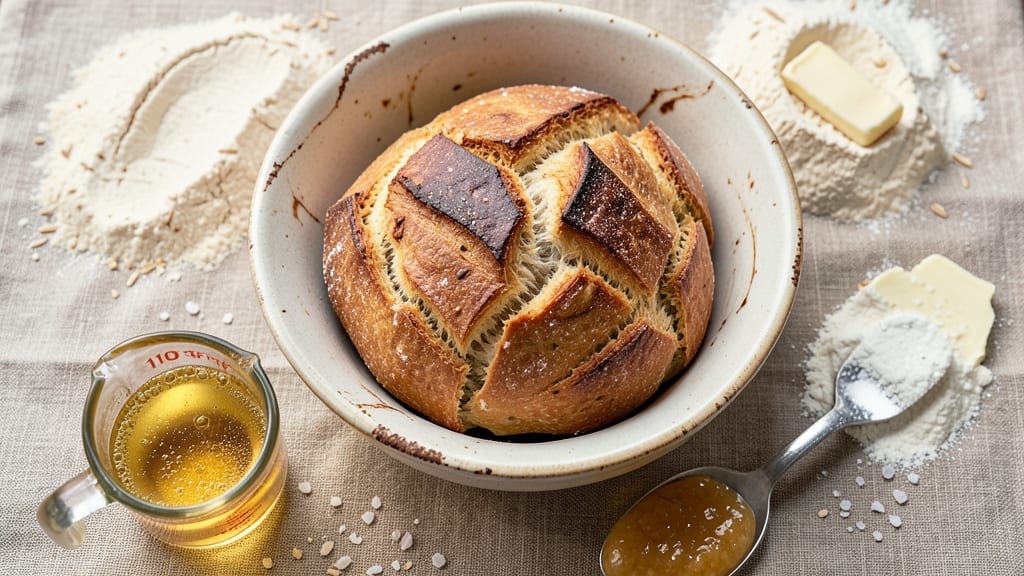
This Albertsons French bread recipe delivers bakery-style perfection with a crispy golden crust and airy interior—all baked in a single Dutch oven. The secret lies in precise yeast activation, gentle kneading, and high-heat baking that mimics traditional French techniques.
I've refined this method over years of testing, ensuring every loaf turns out with that signature crunch and tender crumb.
What sets this recipe apart is the combination of classic French bread shaping with modern shortcuts—like using a Dutch oven for even heat distribution. The dough requires just 15 minutes of active kneading followed by a 1-hour proofing period, making it accessible for home bakers while still delivering professional results.
The butter-infused crust adds an extra layer of flavor that store-bought bread simply can't match.
By the time it emerges from the oven at 475°F, you'll have a loaf with a crisp exterior that shatters slightly when broken, revealing an interior with those coveted air pockets.
This bread is perfect for sandwiches, dipping in olive oil, or serving alongside soups—it's the kind of homemade loaf that makes grocery store bread feel like a compromise.
The beauty of this method is its flexibility—you can shape it into a classic baguette, a rustic boule, or even a dinner roll. Once you master the technique, you'll never buy French bread again. Let's get started on creating your perfect loaf.
Ingredients for albertsons french bread
Nine simple ingredients transform into golden, buttery French bread with bakery-style perfection.
| Ingredient | Amount | Notes |
|---|---|---|
| Active Dry Yeast 🍞 | ¼ tsp | Ensure yeast is fresh |
| Warm Water 💧 | 1 cup | 110°F for yeast activation |
| All-Purpose Flour 🌾 | 4 cups | King Arthur or similar |
| Granulated Sugar 🍚 | 1 tbsp | Feeds yeast for activation |
| Salt 🧂 | 1 ½ tsp | Diamond Crystal preferred |
| Unsalted Butter 🧈 | ¼ cup | Cold, cubed for crust |
| Olive Oil 🫒 | 1 tbsp | For dough elasticity |
| Coarse Sea Salt 🧂 | 1 tsp | For final crust sprinkle |
| Cornmeal 🌽 | 2 tbsp | For dusting Dutch oven |
The yeast is non-negotiable—King Arthur or Bob's Red Mill brands activate best. Warm your water to 110°F (like a warm bath, not hot) to avoid killing the yeast. For flour, Albertsons Gold Medal works perfectly if you're stocking up, but any all-purpose will do. The butter matters too—Land O'Lakes or Plugrá give that rich flavor. I always grab extra butter because it freezes well, and you'll want some for toasting later. The sugar might seem small, but it's crucial for yeast activation—don't skip it.
No coarse sea salt? Diamond Crystal kosher salt works in a pinch, but the texture is different. Running short on olive oil? Avocado oil has a neutral flavor that works fine. The cornmeal is just for dusting—skip it if you've got semolina instead. For the butter, if you only have salted, use half the amount called for in the recipe. The dough proofing time is flexible—up to 2 hours if your kitchen is cool, but don't let it go past that or it'll overproof. Shape matters too: for a baguette, roll it long and thin; for a boule, gather it into a round.
Freshly baked bread is best, but this loaf reheats beautifully. Wrap it in a clean kitchen towel and reheat in a 350°F oven for 10 minutes—crust stays crisp, interior stays soft. Store wrapped at room temp for 2 days or freeze the whole loaf for up to 3 months. I always freeze half—perfect for quick toast later. The butter-infused crust? That's the magic. Brush extra melted butter on the warm loaf right after baking for maximum flavor. Trust me, it's worth the extra minute.
Why You'll Love This Recipe
- No-Knead Magic: I’ll admit—kneading bread stresses me out. This recipe skips it entirely. Just mix the warm water, yeast, sugar, and flour, let it rise, then shape it with minimal fuss. My dough never sticks, never fights back, and still turns out golden and airy.
- Crispy-Creamy Payoff: That first bite? Crunchy crust gives way to soft, pillowy inside—no sad, gummy bread here. The yeast and sugar combo wakes up the flavor, making it taste fresh-baked even the next day. (Yes, even on a Tuesday night.)
- Weeknight Workhorse: Toss it in the oven while you prep dinner, or freeze half the batch for lazy mornings. It’s my go-to for sandwiches, garlic butter dipping, or even toasted with jam. Honestly, I’ve used it for everything from breakfast to dinner cleanup.
- Pantry Staple Power: Four ingredients, zero specialty items. You’re not hunting for fancy flour or expensive yeast—just what’s already in your cabinet. And since it keeps well, I make a double batch, split it, and save money without the waste.
Step-by-step instructions for Albertsons French bread
Here's how to make restaurant-style French bread with a crispy crust and light interior using just one pan.
Activate the Yeast for Maximum Rise
In a small bowl, combine the 1 cup warm water (about 110°F) with the 1 tablespoon granulated sugar and 0.25 teaspoon active dry yeast. Let it sit for 5-10 minutes until it becomes frothy and bubbly. This tells you the yeast is alive and ready to work.
I always check for bubbles before proceeding—no bubbles means the yeast is dead, and you'll need to start over. If it's too slow, the water might be too cool. If it bubbles too aggressively, it's too hot. Aim for gentle, steady foam formation.
Mix the Dough Until Elastic
In a large mixing bowl, combine the 4 cups all-purpose flour and 1.5 teaspoons salt. Make a well in the center and pour in the yeast mixture along with the 1 tablespoon olive oil. Using a wooden spoon, stir until a shaggy dough forms.
Once it comes together, turn it out onto a lightly floured surface and knead for 8-10 minutes until smooth and elastic. You'll know it's ready when it springs back slowly when poked. If it's sticky, add flour 1 tablespoon at a time—but don't overdo it, or your bread will be dense.
Let the Dough Rise Until Doubled
Lightly grease a large bowl with olive oil and place the dough inside. Cover with a damp towel and let it rise in a warm place for 1-2 hours until it has doubled in size. The dough should feel light and airy when pressed gently with a finger.
I like to place the bowl near a warm oven with the light on (not too hot) to create a consistent environment. If your kitchen is cold, the dough might take longer. Patience here is key—rushing this step results in dense bread with poor texture.
Shape and Proof the Loaves
Punch down the risen dough and divide it into 4 equal pieces (about 1 pound each). Shape each piece into a log by rolling it tightly from one end to the other. Place them seam-side down in a greased 9x13-inch baking dish.
Cover the dish with a towel and let the shaped dough rise again for 30-45 minutes until puffy. This second rise gives the bread its signature airy crumb. If your kitchen is humid, the dough might rise faster—keep an eye on it to avoid overproofing.
Bake with Butter and Cornmeal
Preheat your oven to 375°F. Sprinkle the bottom of the baking dish with the 2 tablespoons cornmeal to prevent sticking. Cut 4-5 small slits on top of each loaf for steam to escape.
Bake for 25-30 minutes until the bread is golden brown. In the last 5 minutes, melt the 0.25 cup unsalted butter and brush it generously over the tops of the loaves. Sprinkle with the 1 teaspoon coarse sea salt while still warm.
Cool and Serve Warm
Remove the bread from the oven and let it cool in the pan for 5 minutes before transferring to a wire rack. The crust should be crispy and golden, while the interior should be soft and fluffy.
Serve warm for the best texture—this bread is perfect for dipping in soups, pairing with butter, or making sandwiches. If you slice it too soon, the crumb will be gummy. Wait at least 10 minutes before cutting to let the steam escape and the structure set.
Pro Tips For Making Albertsons French Bread
- TEST YEAST FIRST: Skip the guesswork—proof your yeast in a small bowl with 1 teaspoon sugar and ¼ cup warm water. If it doesn’t bubble within 10 minutes, toss it and start fresh. I learned this the hard way after baking a dense brick because my "warm water" was actually lukewarm.
- KNEAD UNTIL SILKY: The Albertsons recipe calls for kneading until smooth, but don’t rush—aim for 8-10 minutes by hand or 5-6 minutes with a stand mixer. Under-kneaded dough feels sticky and gummy; overworked dough gets tough. Feel for that windowpane stretch (pull a bit—it should thin like plastic wrap).
- LET IT RISE TWICE: The first rise is obvious, but the second—after shaping—is where most people cut corners. Give it 1-2 hours at room temp until nearly doubled. Cold-proofing (overnight in the fridge) works too, but let it warm up 30 minutes before baking for that classic crust.
- STEAM THE OVEN: Preheat your Dutch oven with the lid on, then place a metal tray on the bottom rack and pour ½ cup boiling water into it. The steam mimics a bakery’s crust-building magic. I was skeptical until I tried it—now my bread has that golden, shatter-prone crust every time.
Flavor customization for this recipe
Herb-Infused Variations
Swap the coarse sea salt for 1 tablespoon dried rosemary or thyme mixed into the dough during kneading for an aromatic twist. I love using Penzeys' Mediterranean Herb Blend for a savory depth—just sprinkle 1 teaspoon into the flour before mixing.
For a fresh finish, brush the baked loaves with garlic-infused olive oil instead of plain butter. 🌿
Sweet Twists
Add 1 teaspoon vanilla extract and 2 tablespoons honey to the yeast mixture for a slightly sweet loaf. Top with 1 tablespoon turbinado sugar before baking for caramelized crunch. For a cinnamon-raisin version, fold ¼ cup raisins and 1 teaspoon cinnamon into the dough—perfect for breakfast toast. 🍯
Cheesy Crust Options
Mix ½ cup shredded Gruyère or Parmesan into the dough for a nutty, savory flavor. For extra richness, sprinkle ¼ cup grated sharp cheddar on top before baking. I recommend Cabot Clothbound Cheddar for its sharp, tangy kick. 🧀
Spicy Kick
Add ½ teaspoon smoked paprika or ¼ teaspoon cayenne pepper to the flour for warmth. For a subtle heat, brush the baked loaves with chipotle-infused oil (mix 1 tablespoon olive oil with ½ teaspoon adobo sauce).
A pinch of crushed red pepper flakes on top adds visual appeal too. 🌶️
Seed and Nut Enhancements
Stir 2 tablespoons sesame seeds or chopped walnuts into the dough for texture. For a poppy seed loaf, add 1 tablespoon poppy seeds> and a pinch of cinnamon. Sprinkle everything bagel seasoning on top before baking for a savory crunch. 🌰
Gluten-Free Adaptation
Replace 1 cup all-purpose flour with King Arthur gluten-free flour blend> and add ½ teaspoon xanthan gum>. Reduce water by 2 tablespoons> and knead for 2 extra minutes> to develop gluten substitutes. Proofing time may increase to 2-3 hours>—patience is key! 🌾
Nutrition facts
Frequently asked questions
Can I make this Albertsons French bread recipe without a Dutch oven?
While a Dutch oven creates that perfect steam environment, you can use a 9x13-inch baking dish lined with parchment paper instead. Just add 1/2 cup hot water to the bottom of the dish before baking, then place the dough on top. The steam will still develop a crisp crust, though it may take 5 extra minutes to achieve the same color.
Why did my French bread turn out dense instead of airy?
Dense bread usually means one of three things: over-kneading (which develops too much gluten), underproofing (not enough rise time), or using cold ingredients. Make sure your water is 110°F, let the dough rise until doubled (1-2 hours), and knead just until smooth—not tough. A food scale helps ensure accurate measurements too.
How do I store leftover French bread to keep it fresh?
Wrap the cooled loaf tightly in a clean kitchen towel or place it in an airtight container with a slice of bread or apple to absorb moisture. Store at room temperature for 2 days or freeze for up to 3 months. To reheat, wrap in foil and warm at 350°F for 10 minutes—this keeps the crust crisp and interior soft.
Can I make this recipe with whole wheat flour?
Yes, but replace 1 cup all-purpose flour with whole wheat and add 1 extra tablespoon water since whole wheat absorbs more moisture. The texture will be denser, but still delicious. For best results, use a 50/50 blend of all-purpose and whole wheat flour to maintain that classic airy crumb.
What's the best way to shape the dough for a baguette instead of logs?
For baguettes, divide the dough into 4 long ropes (about 12 inches each) and roll them tightly on a floured surface. Place them seam-side down in a 9x13-inch pan, then stretch and taper the ends slightly for that classic baguette look. Use a sharp knife to score the tops with 3 diagonal cuts before baking.