
Desserts
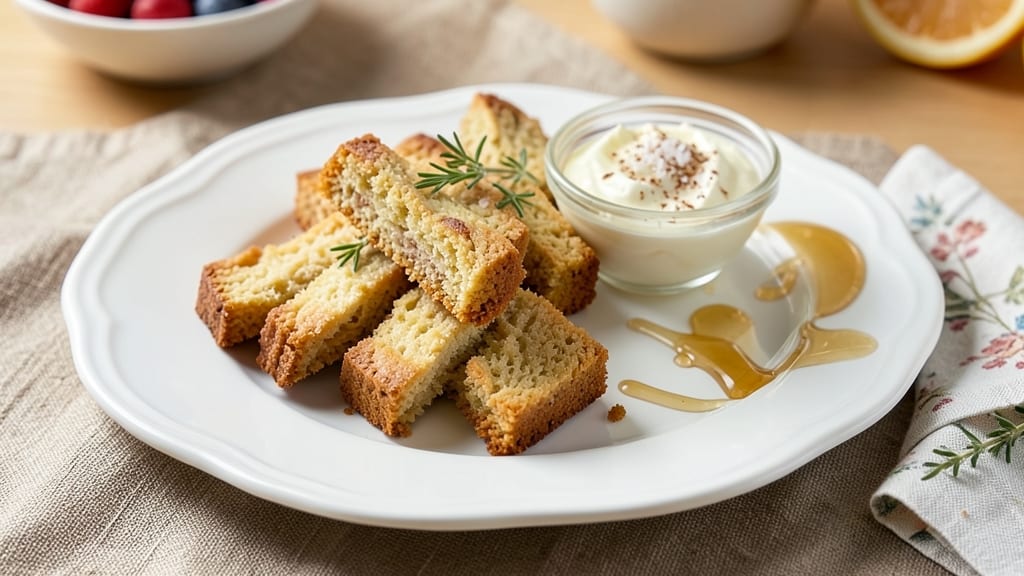
Alexandra Cooks' shortbread recipe delivers those iconic buttery layers that crumble perfectly yet melt in your mouth—just like the ones you crave from fancy tea rooms. 💛 The secret lies in cold butter, precise measurements, and a gentle touch when shaping, all working together to create shortbread with a delicate crumb and rich, caramelized edges.
This classic recipe is simpler than it looks, with just five ingredients that come together in minutes. The magic happens during the baking process, where the dough transforms into golden, crisp layers with a tender center.
No fancy equipment needed—just a bowl, a rolling pin, and a little patience for chilling the dough.
By the time you pull these out of the oven, you’ll have shortbread that’s crisp enough to hold its shape but tender enough to dissolve on your tongue.
The aroma alone will have everyone in the kitchen asking for seconds, and the buttery richness makes it perfect for pairing with tea, coffee, or even as a base for desserts.
Whether you stick with the classic version or experiment with add-ins like citrus zest or vanilla, this recipe is your go-to for foolproof, restaurant-quality shortbread that tastes homemade. Let’s get baking!
Ingredients for alexandra cooks shortbread
Five ingredients, one golden secret to tea-room-worthy shortbread that crumbles like magic.
| Ingredient | Amount | Notes |
|---|---|---|
| Unsalted Butter 🧈 | 1 lb | Cold, cubed for even baking |
| All-Purpose Flour 🌾 | 2 cups | Sifted for light texture |
| Granulated Sugar 🍚 | ¼ cup | Fine white sugar preferred |
| Vanilla Extract 🌸 | 1 tsp | Pure vanilla for authentic flavor |
| Kosher Salt 🧂 | ½ tsp | Diamond Crystal preferred |
The butter is non-negotiable—cold, unsalted, and cubed is key. Grab a high-fat, European-style butter like Plugrá or Land O'Lakes if you're in the U.S. (avoid margarine or low-fat). The flour should be sifted—this removes lumps and gives that signature delicate crumb. I always double-check the flour's freshness by smelling it: if it smells like hay, it's past its prime. For sugar, fine white granulated works best—it dissolves evenly and doesn’t leave gritty bits.
No vanilla extract? Vanilla bean paste or even a scraped vanilla bean adds depth. Short on sugar? Powdered sugar at the same amount works, but the texture will be slightly softer. The salt is crucial—Diamond Crystal (not Morton’s) gives that perfect balance. For a citrus twist, add 1 tsp lemon zest to the dough, but keep it separate from the vanilla. And if you’re baking for a crowd, double the recipe—it freezes beautifully for up to 3 months.
Store the dough in the fridge for up to 2 days wrapped in plastic. Once baked, keep shortbread in an airtight container at room temperature for 1 week—they’ll stay crisp but lose their crunch after that. For gifting, wrap individual pieces in parchment paper and tie with a ribbon. Pro tip: Reheat slices at 300°F for 2 minutes to restore crispiness if they’ve gone soft.
Why You'll Love This Recipe
- Four Hands, Zero Stress: The dough comes together in three steps—no mixer, no fuss. Just cold butter, flour, and a pinch of salt, all worked by hand (or a fork, no judgment). My kids "help" by patting it down, and honestly? The mess is worth it.
- Butter-Sugar Magic: That crispy, golden edge with a melt-in-your-mouth center? It’s all in the cold butter and sugar. The vanilla? A whisper, but it turns every bite into something ridiculously comforting. (Yes, even on a Tuesday night.)
- Tea Time Every Time: Breakfast? Check. Dessert? Done. Gift box? Perfect. These squares stay fresh for weeks in an airtight container, and they’re the only thing my coffee-drinking husband actually asks for. (He’s picky.)
- Pantry Staple Payoff: You already have the ingredients—no specialty trips. A single batch costs less than takeout, and the leftovers? They disappear faster than I can say "second cup of tea." Budget-friendly and foolproof.
Step-by-step instructions for alexandra Cooks' shortbread
Here's how to create those iconic buttery layers that crumble perfectly every time.
👨🍳 Step 1: Cube and Chill the Butter
Take the 1 lb unsalted butter from the fridge and cut it into ½-inch cubes using a sharp chef's knife. I like to work in batches—this size ensures even baking without melting. Place the cubed butter on a parchment-lined plate and refrigerate for 15 minutes to firm up slightly.
Cold butter is non-negotiable here. If your kitchen is warm, pop the plate in the freezer for 5 minutes instead. You want butter that stays solid during mixing but softens just enough to create that signature crumbly texture. Press down gently on a cube—it should dent slightly but not flatten completely.
👨🍳 Step 2: Mix Dry Ingredients
In a large mixing bowl, whisk together the 2 cups all-purpose flour, 0.25 cup granulated sugar, 0.5 tsp kosher salt, and 1 tsp vanilla extract. I use a whisk for even distribution, especially around the sugar which can clump. Sift the flour first if you have time—it prevents lumps and creates a lighter texture.
This is your flavor foundation. The vanilla extract might seem like a small amount, but it makes a difference in these delicate cookies. Give everything a good stir so the sugar crystals disperse evenly throughout the flour. The mixture should look like fine, pale sand with no visible sugar granules.
🍳 Step 3: Cut in the Butter
Add the chilled butter cubes to the dry ingredients and use a pastry cutter or your fingers to work the butter into the flour mixture. I like to use my fingers for this step—it gives me better control over the texture. Press the butter pieces into the flour until you have pea-sized crumbs with some larger butter pieces remaining.
Here's the thing—you want to keep some texture in the dough. When you're done, the mixture should look like coarse sand with visible butter pieces. If it starts to look like wet sand, you've overworked it. The butter should be mostly incorporated but still visible in some places—this creates those beautiful layers when baked.
🥘 Step 4: Shape and Chill the Dough
Press the dough mixture evenly into a 9x13-inch baking pan, using the bottom of a measuring cup to create an even surface. I like to press down firmly but not compact it—think of it like making a sandcastle base. The dough should be about ½-inch thick all over. Sprinkle any remaining flour on top to prevent sticking.
Cover the pan tightly with plastic wrap and refrigerate for at least 1 hour (I usually do 2 hours if I have time). This chilling step is crucial—it firms up the butter and prevents the cookies from spreading too much in the oven. The dough should feel cold to the touch when you're ready to bake.
🔥 Step 5: Bake to Golden Perfection
Preheat your oven to 325°F—this lower temperature ensures even baking without browning. Remove the chilled dough from the fridge and cut it into your desired shapes using a sharp knife or cookie cutter. I like to make rectangles about 1-inch wide, but fingers or squares work too.
Place the cut shortbread pieces on a parchment-lined baking sheet, leaving about ½-inch between each piece. Bake for 25-30 minutes until the edges are very lightly golden and the centers still look slightly pale. They'll firm up as they cool, so don't overbake. The shortbread should smell like pure butter when it's done.
⏰ Step 6: Cool and Enjoy
Remove the shortbread from the oven and let them cool in the pan for 10 minutes before transferring to a wire rack. They'll continue to set as they cool, becoming firmer and developing that characteristic crumbly texture. Once completely cooled, store in an airtight container at room temperature for up to 1 week.
Here's the magic: these shortbread cookies should be firm at room temperature but melt instantly in your mouth when you take a bite. The layers should be distinct but not crumbly—almost like delicate paper. If they're too soft, your butter wasn't cold enough when you baked them. If they're too crumbly, you might have overworked the dough.
Pro Tips For Making Alexandra Cooks Shortbread
- CHILL THE DOUGH: After mixing, let the dough sit in the fridge for at least 30 minutes—no, not because you’re lazy about shaping it. Cold butter behaves better when you roll it out, and the dough won’t spread like a melted puddle when you cut those perfect squares. I learned this the hard way when my first batch turned into a buttery pancake.
- WEIGH THE BUTTER: Use a kitchen scale for the butter—no eyeballing. Packed butter (the kind that’s been sitting in your fridge for weeks) weighs more than you think, and that extra ounce throws off the texture. Unsalted butter should be just soft enough to press with your finger, not greasy. If it’s too warm, pop it back in the fridge for 10 minutes.
- PRESS, DON’T ROLL: For even thickness, press the dough into the pan instead of rolling it. A rolling pin can warm the butter and make the edges uneven. Use a glass or metal measuring cup to press down firmly—it gives you crisp, consistent edges every time. (Yes, it’s more work, but your shortbread will look like it came from a bakery.)
- SALT THE EDGES: Sprinkle that kosher salt only on the edges of the dough before baking—none in the center. The salt crisps up beautifully while the middle stays tender. If you salt everywhere, you’ll end up with a salty bite in the center that ruins the buttery sweetness. Trust me, it’s worth the extra second.
Wine and beer pairings for this dish
Classic Tea Pairings
Shortbread’s buttery richness pairs beautifully with Earl Grey—its bergamot notes cut through the fat while the tannins balance the sweetness. I always reach for Harney & Sons or Twinings for that perfect floral-citrus contrast.
For a bolder match, try Assam—its malty depth stands up to the shortbread’s caramelized edges. 💛
Creamy Coffee Companions
A dark roast like Peet’s Major Dickason’s Blend enhances shortbread’s vanilla undertones without overpowering. For something lighter, Starbucks Cinnamon Dolce adds a subtle spice that complements the butter’s richness. Avoid overly sweet lattes—they’ll clash with the delicate crumb.
Wine Pairings
Dry Sauternes from Bordeaux is a luxurious match—the wine’s honeyed apricot flavors mirror the shortbread’s caramelized notes. For something more approachable, a Moscato d’Asti offers a light, fizzy contrast that cleanses the palate. Avoid heavy reds—they’ll overwhelm the delicate texture.
Beer Pairings
A Belgian witbier like Hoegaarden with its coriander and citrus zest provides a refreshing contrast to the buttery shortbread. For a richer option, try a German Hefeweizen—its banana and clove notes complement the vanilla. Avoid dark ales or stouts that would clash with the shortbread’s lightness. 🍺
Seasonal Adaptations
In summer, serve shortbread with iced hibiscus tea—the tartness balances the butter’s richness. For winter, pair with spiced chai—the cinnamon and cardamom echo the shortbread’s warm vanilla notes. Each season’s drink enhances the shortbread’s natural flavors without competing.
Unexpected Pairings
Try smoked salmon with shortbread and a splash of crème fraîche for a savory-sweet contrast. Or pair with dark chocolate (70% cocoa or higher) to let the shortbread’s buttery layers shine against the chocolate’s bitterness. These pairings turn shortbread into a versatile dessert or even a light lunch option.
Nutrition facts
Frequently asked questions
Can I use salted butter instead of unsalted?
You can, but reduce the added salt to ¼ tsp to avoid over-salting. Salted butter already contains about ¼ tsp salt per tablespoon, so your shortbread will taste too salty if you use the full ½ tsp in the recipe. For best results, stick with unsalted butter and measure the salt precisely.
Why did my shortbread turn out crumbly instead of layered?
Overworking the dough or using warm butter are the most common culprits. The butter should remain cold and in pea-sized pieces when mixed—if it melts completely, the layers won't form. Also, avoid pressing the dough too firmly when shaping. For a test batch, chill the dough longer (up to 3 hours) to ensure the butter stays firm during baking.
Can I make this recipe gluten-free?
Yes, but you'll need a 1:1 gluten-free flour blend designed for baking (like Bob's Red Mill or King Arthur). Replace the all-purpose flour with the same measurement, but add ½ tsp xanthan gum to mimic the structure. Keep in mind the texture will be slightly denser and less crumbly than traditional shortbread.
How do I store shortbread for maximum freshness?
Keep them in an airtight container at room temperature for up to 1 week—they'll stay crisp but lose crunch after that. For longer storage, freeze the baked shortbread in a single layer for 1 hour, then transfer to a sealed bag. They'll keep for 3 months this way. To restore crispness, reheat at 300°F for 2-3 minutes before serving.
What's the best way to shape shortbread for gifts?
Use a round cutter (2-3 inches wide) for classic tea-room style, or cut into rectangles with scalloped edges for elegance. For extra presentation, press a fluted edge around the perimeter with a fork. Wrap individual pieces in parchment paper, tie with a ribbon, and place in a decorative box. The golden color makes them look luxurious!