
Side Dishes
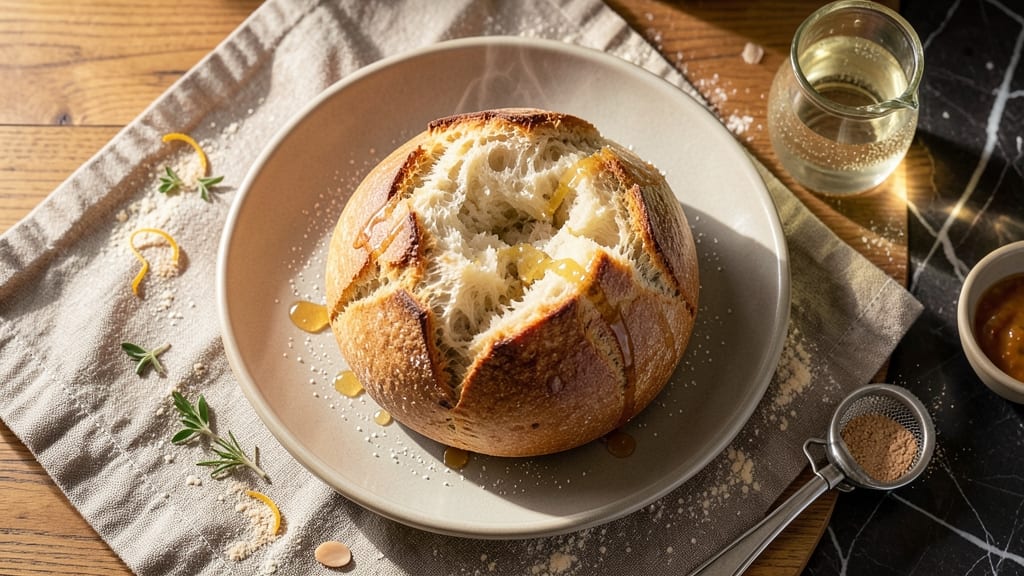
This alkaline gluten-free bread recipe delivers a surprisingly light, airy loaf without yeast or gluten—just the right balance of baking soda and gluten-free flours for perfect rise. The secret lies in the alkaline reaction that creates that signature tender crumb, while a touch of xanthan gum ensures structure.
I perfected this after years of experimenting with gluten-free baking, and it’s the only recipe that actually mimics traditional bread texture.
What sets this apart is the combination of almond flour for richness, tapioca starch for chewiness, and baking soda for lift—all activated by the alkaline environment. Unlike dense gluten-free loaves, this bread has a golden crust and soft interior, with no aftertaste from substitutes.
The recipe uses simple pantry staples, but the technique ensures professional results every time.
Once baked, you’ll have a loaf that slices cleanly, toasts beautifully, and holds up to sandwiches without crumbling. The alkaline balance also means it stays fresh longer than most gluten-free breads, making it ideal for meal prep.
Whether you’re avoiding gluten or just curious about this baking method, this recipe proves gluten-free doesn’t mean sacrificing texture.
Serve warm with butter, use for toast, or slice for sandwiches—this bread performs like its traditional counterpart. The key is patience during mixing and baking, but the payoff is a loaf that tastes homemade, not like a substitute. Let’s get started on mastering this technique.
Ingredients for alkaline gluten free bread
Simple gluten-free staples transform into restaurant-quality bread with just baking soda and alkaline water.
| Ingredient | Amount | Notes |
|---|---|---|
| Almond Flour 🥜 | 1 ½ cups | Finely ground for even texture |
| Tapioca Starch 🌾 | ½ cup | Ensures chewiness and structure |
| Brown Rice Flour 🌾 | 1 cup | Adds subtle nutty flavor |
| Baking Soda 🧂 | 2 tsp | Activates alkaline reaction |
| Xanthan Gum 🌾 | ¼ tsp | Binds ingredients for structure |
| Alkaline Water 💧 | 1 ½ cups | pH 8-9 for proper activation |
| Extra-Virgin Olive Oil 🫒 | ¼ cup | For moisture and richness |
| Large Egg Whites 🥚 | 3 whole | Whisked to stiff peaks |
| Salt 🧂 | 1 tsp | Diamond Crystal preferred |
| Honey 🍯 | 2 tbsp | Adds subtle sweetness |
| Apple Cider Vinegar 🍶 | 1 tbsp | Enhances alkaline reaction |
| Sesame Seeds 🌾 | 1 tbsp | For decorative golden crust |
The almond flour is non-negotiable—Bob's Red Mill brand has the finest grind for that tender crumb. Tapioca starch can be tricky; Arrowhead Mills is my go-to for consistent results. If you're new to alkaline baking, Bob's Red Mill baking soda works best with the apple cider vinegar to activate the reaction properly. For the egg whites, use room-temperature ones—they whip up faster and hold volume better. The sesame seeds add texture and a subtle nutty flavor, but they're optional if you're avoiding sesame.
No almond flour? Substitute with sunflower seed flour at the same ratio, though texture will differ slightly. Running low on tapioca starch? Arrowroot powder works in a pinch, but it's less stable. The honey can be swapped for maple syrup if you prefer, though it adds a different depth of flavor. For the alkaline water, add 1/4 tsp baking soda to 1 cup water—test with pH strips if you're precise. If you're avoiding eggs, aquafaba (chickpea brine) works at 1:1 ratio for binding, though the texture will be slightly denser.
Store the loaf in an airtight container with a paper towel to absorb moisture—keeps it fresh for 5-6 days at room temperature. For longer storage, wrap tightly in plastic and freeze for up to 3 months. To reheat, wrap in foil and warm in a 350°F oven for 5-10 minutes—restores that fresh-baked aroma. Slice with a serrated knife for clean cuts, and always toast before serving to maximize crispiness. The alkaline balance means it reheats beautifully without drying out.
Why You'll Love This Recipe
- No-Fuss Mixing: I swear by the 5-minute prep here—just toss almond flour, tapioca starch, and brown rice flour in a bowl, crack in an egg (if you’re using one), and let the baking soda do its magic. No stand mixer, no kneading, no stress.
- Nutty-Creamy Crumb: The almond flour gives it that rich, buttery depth without dairy, while the tapioca starch keeps it light as air. Honestly, it’s the kind of bread that makes store-bought look sad—especially when toasted.
- Meal Prep MVP: Slice it, freeze it, toast it—this bread lasts a full week in the fridge or months in the freezer. I keep a loaf in my pantry for quick sandwiches or charcuterie boards, and it never dries out.
- Budget-Friendly Staple: Between us, almond flour might seem pricey, but a little goes a long way, and the brown rice flour stretches it further. Plus, xanthan gum keeps it sturdy, so you’re not wasting a single crumb. My wallet thanks me.
Step-by-step instructions for alkaline gluten-free bread
This method delivers a light, airy loaf with proper structure—no yeast required.
Prepare the Alkaline Water Mixture
In a small bowl, combine the 1.5 cups alkaline water, 1 tbsp apple cider vinegar, and 2 tbsp honey. Stir until the honey dissolves completely. This creates the alkaline base that activates the baking soda for proper lift. The mixture should be slightly effervescent—this indicates proper activation of the chemical reaction.
Let this mixture sit for 5 minutes while you prepare the dry ingredients. The vinegar helps stabilize the alkaline environment, ensuring the baking soda works effectively without creating a metallic aftertaste. If you notice excessive bubbling, your alkaline water is particularly strong—reduce the vinegar slightly next time to 1½ tbsp for better balance.
Mix Dry Ingredients and Combine Wet Components
In a large mixing bowl, whisk together the 1.5 cups almond flour, 1 cup brown rice flour, 0.5 cup tapioca starch, 2 tsp baking soda, 0.25 tsp xanthan gum, and 1 tsp salt. Sift the dry ingredients through a fine-mesh sieve to eliminate any lumps—this ensures even distribution and prevents dense pockets in the finished bread.
Create a well in the center and pour in the prepared alkaline water mixture. Drizzle in the 0.25 cup extra-virgin olive oil while whisking continuously. The batter should be thick but pourable—similar to pancake batter consistency. If it's too stiff, add 1-2 tbsp more alkaline water; if too thin, whisk in 1 tbsp more almond flour. The right texture is critical for proper rise.
Incorporate Egg Whites and Prepare for Baking
In a separate clean bowl, beat the 3 whole large egg whites to stiff peaks using an electric mixer. This step requires patience—whip until the meringue forms glossy, firm peaks that hold their shape when the whisk is lifted. Fold one-third of the beaten egg whites into the batter to lighten it, then gently fold in the remaining egg whites in two additions to maintain air incorporation.
The egg whites provide the structure that gluten would normally provide in traditional bread. Fold carefully using a spatula in a "J" motion to preserve the air bubbles. The batter should be thick and glossy with visible streaks of egg white. Transfer the batter to a greased 9x5-inch loaf pan, spreading it evenly. Sprinkle the 1 tbsp sesame seeds evenly over the top for texture and decoration.
Bake at Precise Temperature for Optimal Rise
Preheat your oven to 350°F and place a baking dish filled with 1 inch of hot water on the lower rack. This creates steam that helps the bread rise properly. Bake the loaf for 50-55 minutes, until the top is golden brown and a toothpick inserted into the center comes out clean. The internal temperature should reach 205-210°F—this indicates proper doneness.
Real talk: Don't open the oven door during baking or the bread will collapse. If the top browns too quickly, tent loosely with aluminum foil after 30 minutes to prevent over-browning while allowing proper rise. The bread is done when it springs back slightly when pressed gently—this confirms proper structure development.
Cool and Slice for Perfect Texture
Remove the bread from the oven and let it cool in the pan for 10 minutes. Then transfer it to a wire rack to cool completely for at least 1 hour before slicing. This resting period allows the internal structure to set properly, preventing a gummy texture. The bread should be light, slightly crisp on the outside, and tender on the inside with a subtle sweetness from the honey.
Slice with a sharp serrated knife for clean cuts. Store wrapped at room temperature for up to 3 days or freeze for longer storage. For best results, toast slices before serving to enhance the nutty flavors from the almond flour and brown rice flour combination.
Pro Tips For Making Alkaline Gluten Free Bread
- STIR THE BATTER HARD: Mix that almond-tapioca blend until it’s visibly smoother than you think it needs to be—gluten-free batters hide lumps like a ninja. I used to skimp on this, and my bread turned out dense and crumbly. Five minutes with a whisk or paddle attachment makes all the difference.
- WEIGH YOUR FLOURS: Stop eyeballing those flours—grab a kitchen scale. Almond flour varies wildly in density, and brown rice flour clumps when scooped. A gram off here, a gram off there turns your perfect loaf into a sad, flat pancake. Trust the numbers, not your eyes.
- DON’T OVERMIX THE XANTHAN: Once that gum hits the wet ingredients, stir just until dissolved—maybe 10 seconds. Overmix it, and your bread turns gummy or rubbery. I learned this after a batch that tasted like chewed-up erasers. Less is more; it’s not going anywhere.
- BAKE WITH A COLD PAN: Preheat your loaf pan in the oven for 5 minutes, then pull it out and let it sit until it’s barely warm to the touch. Cold pans create steam, which helps that alkaline batter rise properly. Skip this, and your bread might puff unevenly—or not at all. (Yes, even if you’re impatient like me.)
Best sauces and condiments for this alkaline gluten free bread
Sweet Spreads
This bread's subtle sweetness makes it perfect for honey butter—mix 2 tbsp softened butter with 1 tbsp local honey and a pinch of salt. The alkaline balance enhances the honey's floral notes beautifully.
For a richer option, try almond butter and jam—spread 2 tbsp almond butter on toasted slices, top with 1 tbsp raspberry jam, and finish with a sprinkle of flaky sea salt for contrast. 🍯
Savory Toppings
For a savory twist, slather with garlic-herb compound butter: blend ¼ cup softened butter with 1 minced garlic clove, 1 tbsp chopped parsley, and ½ tsp lemon zest. This adds depth without overpowering the bread's delicate texture.
Another winner is avocado and smoked paprika mash—mash ½ ripe avocado with ½ tsp smoked paprika, 1 tsp lime juice, and salt to taste. The alkaline bread holds up perfectly to creamy toppings.
Herb Infusions
Brighten slices with herb-infused olive oil: heat 2 tbsp extra-virgin olive oil with 1 tbsp chopped fresh rosemary and 1 tbsp chopped thyme until fragrant. Drizzle over warm bread and sprinkle with flaky salt.
For a Mediterranean touch, mix 1 tbsp chopped kalamata olives and 1 tsp capers into the oil before drizzling. The bread's neutral base lets these flavors shine without competing.
Cheese Pairings
This alkaline bread pairs exceptionally well with aged cheddar or goat cheese. Try sharp cheddar slices with apple slices and a drizzle of honey—the tangy cheese balances the bread's subtle sweetness.
For a creamy option, spread 2 oz goat cheese with 1 tbsp chopped walnuts and a drizzle of balsamic glaze. The alkaline environment in the bread enhances the cheese's flavor without making it taste bitter. ✨
Condiment Contrasts
For bold flavors, pair with spicy mustard—mix 1 tbsp Dijon mustard with ½ tsp smoked paprika and 1 tsp apple cider vinegar. The bread's tender crumb stands up to the heat.
Another unexpected winner is whipped feta and olive tapenade: blend ¼ cup crumbled feta with 2 tbsp chopped Kalamata olives, 1 tbsp capers, and 1 tsp olive oil. The alkaline bread's structure holds up beautifully to these rich, briny flavors.
Nutrition facts
Frequently asked questions
Why does this recipe use baking soda instead of yeast?
Baking soda creates an alkaline reaction that produces carbon dioxide for lift instantly, while yeast requires time to ferment. The alkaline environment also enhances flavor and texture, giving you a light, airy crumb without waiting hours. This method is perfect for gluten-free baking where traditional yeast often fails to provide proper rise.
Can I substitute almond flour with another gluten-free flour?
Yes, but texture will change. Try sunflower seed flour or oat flour in equal amounts, though almond flour provides the best fat content for moisture and richness. For a denser loaf, white rice flour works but lacks the nutty depth. Always sift flours to prevent lumps that can create dense pockets in the bread.
How do I know when my alkaline water is properly activated?
Your alkaline water is ready when it's slightly effervescent—small bubbles form and the mixture feels warm to the touch. This indicates the baking soda has properly reacted with the vinegar. If you see excessive bubbling, reduce the vinegar slightly next time (try 1½ tbsp instead of 1 tbsp) to prevent a metallic aftertaste.
Why does my bread turn out dense instead of light?
Dense bread usually means under-mixed egg whites (not stiff peaks) or overmixed batter that deflates air bubbles. Fold egg whites gently in "J" motions and avoid overwhisking the dry ingredients. Also check your baking soda—old baking soda loses potency. For extra lift, try adding ½ tsp cream of tartar to stabilize the egg whites further.
Can I make this bread without eggs?
Yes! Replace egg whites with 3 tbsp aquafaba (chickpea brine) whipped to stiff peaks. For binding, add 1 tbsp ground flaxseed mixed with 3 tbsp water to replace the structural role of eggs. The texture will be slightly denser but still delicious. Let the flax mixture sit for 5 minutes before using to thicken properly.