
Side Dishes
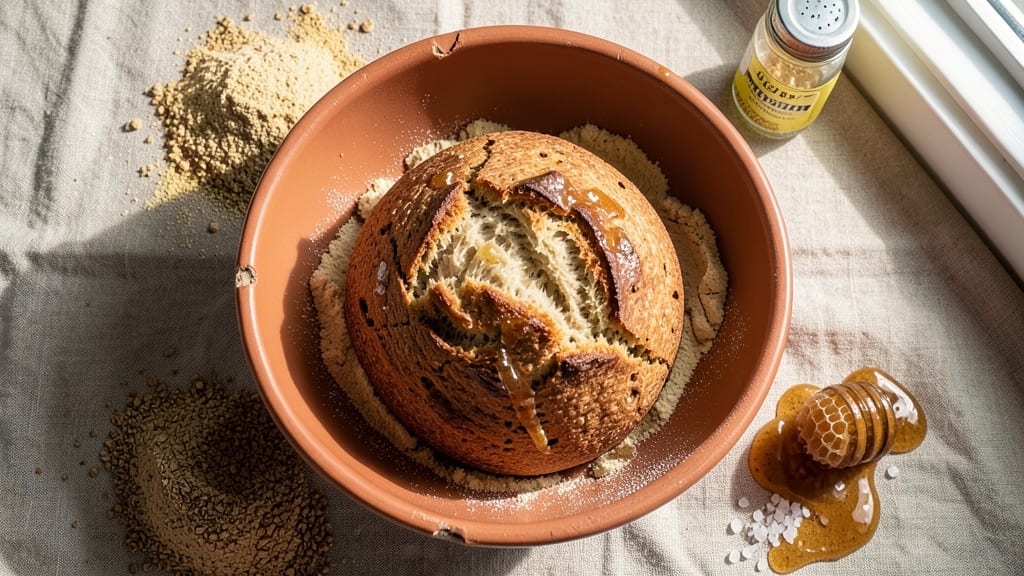
This all whole wheat bread recipe delivers a no-knead crust with rich, nutty depth that rivals artisanal loaves—without the hours of labor. The secret lies in a precise blend of whole wheat flour and vital wheat gluten, which creates that signature open crumb and satisfying chew.
I developed this method after years of experimenting with dense, heavy whole wheat breads that never quite lived up to expectations.
What sets this recipe apart is the foolproof no-knead technique, which requires just 10 minutes of prep followed by an overnight rise. This slow fermentation develops incredible flavor while keeping the texture light and airy—something most whole wheat breads struggle to achieve.
The dough's natural elasticity comes from the gluten blend, ensuring a tender crumb without sacrificing nutrition.
By the time it emerges from the oven, you'll have a golden-brown loaf with a crisp crust and an interior that's perfectly balanced—neither too dense nor too crumbly. The nutty aroma fills your kitchen, and each slice offers that satisfying pull-apart texture.
This bread freezes beautifully for up to 3 months, making it perfect for batch baking.
For added flavor, consider mixing in seeds or herbs during the final knead. The recipe maintains its structure whether you bake it immediately or let it rise overnight—giving you flexibility for any schedule. Let's get started on your perfect loaf.
Ingredients for all whole wheat bread
These whole wheat essentials blend to create a loaf with artisanal texture and nutty depth.
| Ingredient | Amount | Notes |
|---|---|---|
| Whole Wheat Flour 🌾 | 3 cups | High-protein for better texture |
| Vital Wheat Gluten 🌾 | ½ cup | For elasticity and structure |
| Instant Yeast 🍞 | ½ tsp | Active dry works too |
| Warm Water 💧 | 1 ½ cups | 110°F for optimal yeast activation |
| Honey 🍯 | 2 tbsp | Feeds yeast for better rise |
| Salt 🧂 | 1 ½ tsp | Kosher or sea salt preferred |
| Olive Oil 🫒 | 2 tbsp | Extra-virgin for richness |
| Sunflower Seeds 🌻 | ¼ cup | Optional for texture and flavor |
| Cornmeal 🌽 | ¼ cup | For dusting and crust texture |
| Coarse Sea Salt 🧂 | 1 tbsp | For sprinkling on top |
| Ice Water ❄️ | ½ cup | For final dough adjustment |
The whole wheat flour is key—look for high-protein varieties like King Arthur or Bob's Red Mill for that perfect chew. Vital wheat gluten is non-negotiable here; it gives the dough that signature elasticity whole wheat breads often lack. I grab mine from King Arthur Flour or the bulk section at Whole Foods. The gluten should be fine and powdery—if it's clumpy, sift it before mixing. For the yeast, always check the expiration date—old yeast won't activate properly, and you'll end up with a flat loaf. Store-bought bread machines often use this same blend, but you get better control making it from scratch.
No honey? Maple syrup works too, though it adds a slightly different flavor profile. Running low on sunflower seeds? Pumpkin seeds or flaxseeds add a nice crunch and work perfectly. The olive oil can be swapped for avocado oil or melted coconut oil if you prefer. For the water, tap water is fine, but if yours is particularly hard (high mineral content), filtered water gives a cleaner flavor. The ice water is your secret weapon—it helps control the dough's final temperature, preventing overproofing. If you don't have ice, just chill the water in the fridge for 30 minutes before using.
This dough is forgiving—it can rise at room temperature for 8-12 hours or overnight in the fridge for even more flavor. For best results, let it rise in a lightly oiled bowl covered with a damp towel. The loaf freezes beautifully: wrap it in foil and freeze for up to 3 months. To reheat, thaw overnight in the fridge, then warm in a 200°F oven for 10 minutes. I always bake two loaves—one for the freezer and one to enjoy fresh. The crust stays crisp for about 2 days if stored in a paper bag.
Why You'll Love This Recipe
- No-Knead Magic: I swear, the mix-and-wait method with vital wheat gluten cuts my usual kneading time by half. Just toss the whole wheat flour, yeast, and honey in warm water, let it sit, then shape—no fancy skills needed.
- Honeyed Depth Wins: That single tablespoon of honey isn’t just for sweetness—it feeds the yeast and adds a subtle caramel warmth to every slice. The gluten gives it a satisfying chew, not the dense brick I expected from whole wheat.
- Weeknight Workhorse: I bake a loaf on Sundays, then use it all week: toast for breakfasts, sandwiches for lunches, even croutons for salads. The crust stays crisp for days, and the crumb softens perfectly when toasted.
- Budget Loaf, Big Payoff: A single batch costs pennies—whole wheat flour’s cheap, and vital wheat gluten stretches it further. I get two loaves for what store-bought charges for one, plus zero preservatives. My wallet and waistline thank me.
Step-by-step instructions for no-knead whole wheat bread
Here's how to make a bread so tender it'll surprise you—no kneading required.
Mix the Dough for Maximum Flavor
In a large mixing bowl, combine the 3 cups whole wheat flour and 0.5 cup vital wheat gluten. This blend gives you that perfect balance of nutty flavor and chewy texture. Add the 0.5 tsp instant yeast and 1.5 tsp salt, then whisk everything together to break up any lumps.
Next, pour in the 1.5 cups warm water (around 110°F) and 2 tbsp honey. The honey won't just sweeten the bread—it feeds the yeast for a better rise. Stir in the 2 tbsp olive oil until everything comes together into a shaggy, sticky mass. Don't worry if it looks messy; this is normal for no-knead dough. Let it sit for 10 minutes while you prep the next steps.
Add Seeds and Cornmeal for Texture
After the initial mix, fold in the 0.25 cup sunflower seeds and 0.25 cup cornmeal. The sunflower seeds add crunch and a subtle nutty flavor, while the cornmeal helps create that beautiful crust. Use a wooden spoon or dough scraper to gently incorporate everything—you're just combining, not developing gluten here.
Cover the bowl with a damp kitchen towel and let it rest at room temperature for 1-2 hours. You'll notice the dough slowly rise and become more manageable. This resting period allows the gluten to relax and the flavors to meld. If your kitchen is cold, place the bowl near a warm spot to help the dough rise more quickly.
Shape and Proof the Dough
After the initial rise, give the dough a gentle fold. Wet your hands slightly to prevent sticking, then lift the dough and fold it over itself two or three times. This helps strengthen the gluten without kneading. Transfer the dough to a lightly floured surface and shape it into a round loaf. The dough will be soft and slightly sticky—this is perfect for our no-knead method.
Place the shaped dough in a greased 9x5-inch loaf pan or a round baking dish. Cover it again with the damp towel and let it proof for another 1-2 hours until it's noticeably puffed and nearly doubled in size. The dough should spring back slowly when you press it gently with a finger—this is your signal it's ready for the oven.
Prepare for Baking with Coarse Salt
Preheat your oven to 375°F. Sprinkle the 1 tbsp coarse sea salt evenly over the top of the dough. This isn't just for flavor—it also helps create that beautiful crust. Bake the bread for 45-50 minutes, until it's deep golden brown and sounds hollow when tapped on the bottom.
If you're unsure whether it's done, insert a toothpick into the center. It should come out clean with just a few moist crumbs clinging to it. The bread will continue to firm up as it cools, so don't wait too long to slice into it—warm bread is always best!
Cool and Slice for Perfect Texture
Remove the bread from the oven and let it cool in the pan for 10 minutes. Then transfer it to a wire rack to cool completely. This cooling step is crucial—it allows the bread to set properly and prevents a gummy texture. Once fully cooled, slice it with a serrated knife for clean cuts and enjoy the perfect balance of nutty whole wheat flavor and tender crumb.
This bread keeps well at room temperature for 3-4 days, or you can freeze slices for up to 3 months. The no-knead method might seem unusual, but trust me—it delivers a bread that's nearly as easy to make as it is delicious to eat.
Pro Tips For Making All Whole Wheat Bread
- Mix the Gluten First: Whole wheat flour and vital wheat gluten play different roles—don’t just toss them in. Sift the gluten into the dry ingredients first, then fold it in with the flour. This ensures even distribution so your bread doesn’t turn out dense or gummy in spots.
- Use a Thermometer for Water: That "warm" water is trickier than it sounds. Aim for 100–110°F—any hotter and you’ll kill the yeast before it even wakes up. I learned this the hard way when my first batch of bread flopped because I eyeballed it.
- Skip the Honey Shortcut: If you’re using honey as a sweetener, don’t just dump it in at the start. Mix it with the warm water first, then let it sit for 5 minutes before adding yeast. This gives the yeast a head start and prevents a sluggish rise.
- Knead Less, Rest More: This dough is stubborn—don’t overwork it. After the initial mix, let it rest for 20 minutes before shaping. The gluten relaxes, and you’ll save your arms from a workout you don’t need. (Yes, even if you’re impatient like me.)
Wine and beer pairings for this all whole wheat bread
Crisp White Wine
Whole wheat bread's nutty depth pairs beautifully with a dry Riesling from Germany or Austria. The wine's slight sweetness and acidity balance the bread's earthy notes while keeping your palate refreshed.
I love Dr. Loosen Blue Slate Riesling—its crisp finish cuts through the richness without overpowering the whole grain. Serve slightly chilled (50-55°F) to enhance its brightness. 🍷
Light Lager
A crisp Italian lager like Peroni or Birra Moretti is my go-to beer pairing. The subtle maltiness and effervescence complement the bread's texture without competing flavors. For a craft option, try a Belgian witbier—the citrus and peppery notes from coriander add an interesting contrast.
Keep it cold (38-42°F) to highlight its clean, refreshing profile. 🍺
Malty Amber Ale
If you prefer beer, an amber ale with caramel and biscuit notes works wonderfully. Fat Tire or New Belgium Fat Tire brings out the bread's toasty qualities while adding a touch of sweetness.
The beer's moderate alcohol content (5.2% ABV) won't overpower the bread's nutty flavor. Serve at 45°F to balance its maltiness with crispness.
Herbal Infusions
For a unique twist, try an herbal tea like hibiscus or chamomile. The floral notes elevate the bread's earthiness, while the warmth of the tea enhances the nutty flavors.
Brew a strong cup and sip alongside toasted slices. If you prefer coffee, a light roast with medium body complements the bread's texture without dominating. ☕
Seasonal Adaptations
In summer, a sparkling rosé adds a festive touch to your bread pairing. The bubbles cleanse your palate between bites, while the berry notes harmonize with the sunflower seeds.
For winter, a dry cider like Strongbow introduces a crisp, slightly tart contrast that brightens the bread's richness. Both options work beautifully with the bread's versatile flavor profile. 🍇
Nutrition facts
Frequently asked questions
Why does this recipe use vital wheat gluten?
Vital wheat gluten gives your whole wheat bread that light, airy texture most recipes struggle to achieve. Whole wheat flour alone lacks the gluten structure for a good rise, but adding 0.5 cup vital wheat gluten creates elasticity similar to white flour bread. Think of it as the secret ingredient that prevents dense, heavy loaves.
Can I make this bread without a loaf pan?
Shape the dough into a round boule or batard and bake on a parchment-lined baking sheet. For extra crust, sprinkle cornmeal on the parchment first. Bake at 375°F for 40-45 minutes until golden. The no-knead method works beautifully for free-form shapes too.
What if my dough doesn't rise properly?
Check your yeast first—it must be fresh. Use warm water (110°F) and let the dough rest in a warm spot (like near your oven with the light on). If it's still flat, try adding 1 tsp extra yeast and letting it rise another 1-2 hours. Cold kitchens often slow fermentation—place the bowl on a heating pad set to low for better results.
How do I store leftovers to keep them fresh?
Wrap cooled slices in parchment paper and store in an airtight container at room temperature for 3-4 days. For longer storage, freeze individual slices for up to 3 months. To revive, toast frozen slices in a 350°F oven for 5-7 minutes until crisp. The no-knead method actually improves flavor when stored properly!
Can I add other whole grains to this recipe?
Yes! Try replacing 0.5 cup whole wheat flour with oat flour, spelt flour, or rye flour for different flavors. For texture, add 1 tbsp ground flaxseed or chia seeds to the dough. Just remember: every 1 cup of whole grain flour replacement should reduce liquid by 1 tbsp to maintain proper consistency.