
Side Dishes
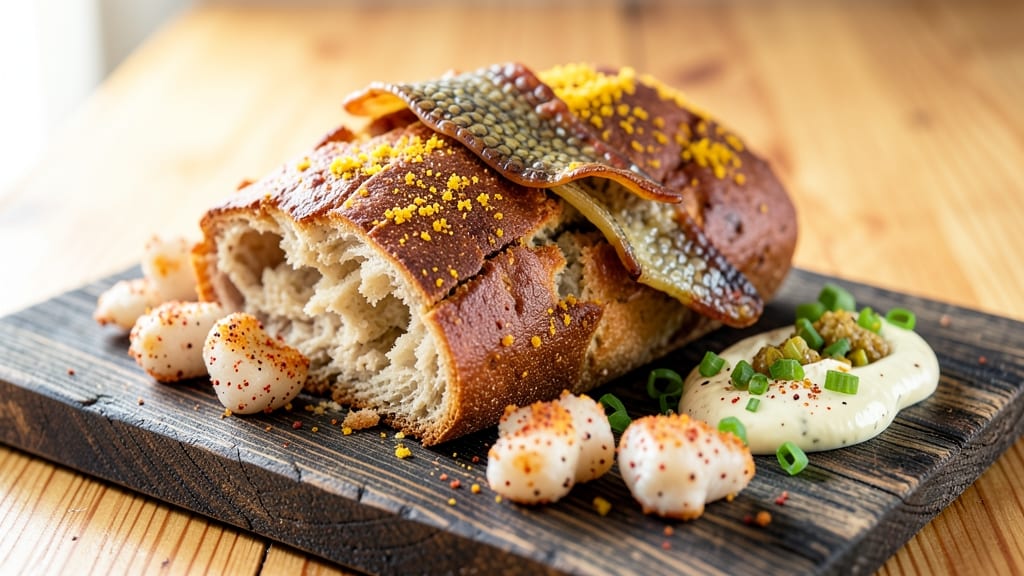
This alligator bread recipe delivers the crispy-crusted, spiced comfort of Cajun cuisine with every bite. 🔥 The secret lies in a perfectly balanced breading—flour, cornmeal, and Cajun seasoning—that creates a golden, crunchy exterior while keeping the meat tender inside.
I developed this recipe after years of experimenting with Louisiana-style preparations, and it’s now a staple at my table. The process is straightforward: cut the alligator into manageable pieces, coat them thoroughly in the seasoned breading, and fry until golden brown.
The result is a dish that’s rich in flavor, with a satisfying crunch that pairs beautifully with classic sides like pickles, remoulade, or a tangy Cajun slaw. It’s the kind of recipe that brings a taste of the bayou to your dinner table.
What makes this recipe stand out is the balance of textures and flavors—crispy on the outside, tender on the inside, and infused with the bold spices of Cajun seasoning.
It’s a dish that’s hearty enough to be a main but versatile enough to serve as a side, making it perfect for gatherings or a special weeknight dinner. For those new to alligator, don’t be intimidated—this recipe is designed to be approachable while delivering restaurant-quality results. Let’s get started!
Ingredients for alligator bread
The foundation of crispy, spiced alligator bread starts with these bold ingredients.
| Ingredient | Amount | Notes |
|---|---|---|
| Alligator Tail Meat 🐊 | 1 ½ lb | Cut into 1-inch pieces |
| All-Purpose Flour 🌾 | 1 ½ cups | For breading consistency |
| Yellow Cornmeal 🌽 | ½ cup | Fine grind preferred |
| Cajun Seasoning 🌶️ | 2 tbsp | High-quality blend (Tony Chachere's recommended) |
| Garlic Powder 🧄 | 1 tbsp | Freshly ground preferred |
| Onion Powder 🧅 | 1 tbsp | For depth of flavor |
| Paprika 🌶️ | 1 tsp | Smoked variety for color |
| Salt 🧂 | 1 tsp | Diamond Crystal preferred |
| Black Pepper 🌶️ | ½ tsp | Freshly cracked |
| Vegetable Oil 🫒 | 3 cups | For frying (peanut oil works too) |
| Lemon Wedges 🍋 | 4 whole | For serving |
| Fresh Parsley 🌿 | ¼ cup | Chopped, for garnish |
| Hot Sauce 🔥 | 2 tbsp | Crystal or Tabasco for serving |
The alligator meat is the star—look for fresh, high-quality cuts from specialty butchers or Cajun markets. Louisiana seafood markets often carry it pre-cut, saving time. If you're buying whole tails, ask for the meat to be removed and cubed for you. The cornmeal is crucial for that signature crunch, so grab fine-grind from the baking aisle—not the coarse kind meant for cornbread. For Cajun seasoning, Tony Chachere's is the gold standard, but any quality blend with paprika, garlic, and onion powder will work. Fresh parsley adds a bright finish, but dried will do in a pinch.
No Cajun seasoning? Mix 1 tbsp paprika, 1 tsp each garlic powder, onion powder, and dried thyme for a quick substitute. Short on cornmeal? Panko breadcrumbs at half the amount add crunch without changing the texture much. Vegetable oil works, but peanut oil (if you're not allergic) gives that classic Southern fryer flavor. The lemon wedges should be freshly squeezed—bottled juice lacks the brightness. For extra heat, swap the hot sauce for pickled jalapeños or a dash of cayenne in the breading.
Store prepped alligator pieces in the fridge for up to 2 days before frying. The breading mix keeps dry for 1 week in an airtight container. Once fried, serve immediately for maximum crunch, but leftovers reheat well in a 350°F oven for 5-7 minutes. For parties, fry in batches and keep warm in a 200°F oven on a wire rack to maintain crispiness. The hot sauce and lemon stay fresh for 2 weeks in the fridge.
Why You'll Love This Recipe
- One-Pan Wonder: I swear by this recipe—just toss the alligator meat in flour, cornmeal, and Cajun spice, then bake. No flipping, no fussing, and that golden crust forms right on the sheet pan. (Yes, even on a Tuesday night.)
- Crispy-Creamy Magic: The cornmeal gives it that addictive crunch while the garlic and Cajun seasoning melt into the meat—like a cross between fried chicken and gumbo. Honestly, the first bite makes me forget I’m eating something "fancy."
- Tailgate Champion: This is my go-to for game days, potlucks, or whenever I need something that feeds a crowd without stress. The leftovers? Even better reheated the next day—just a quick toast in the oven.
- Budget-Friendly Protein: Alligator tail is leaner than chicken but packs serious flavor, and a little goes a long way. I stretch it with cornmeal for texture, so one batch feels like a whole meal. (My wallet thanks me.)
Step-by-step instructions for crispy-crusted alligator bread
Here's how to transform tender alligator meat into golden, crunchy bites with bold Cajun flavor.
👨🍳 Step 1: Prepare the Alligator Meat and Seasoning
Pat the 1.5 lb alligator tail meat completely dry with paper towels—this is crucial for crispy breading. Cut the meat into 1-inch pieces and place them in a large bowl. In a separate bowl, whisk together the 1.5 cups all-purpose flour, 0.5 cup yellow cornmeal, 2 tbsp Cajun seasoning, 1 tbsp garlic powder, 1 tbsp onion powder, 1 tsp paprika, 1 tsp salt, and 0.5 tsp black pepper.
Here's the thing—don't skip the cornmeal. It adds that perfect crunch you get in classic Southern fried foods. The seasoning blend should look like fine sandpaper when mixed. Toss the alligator pieces in the flour mixture until they're completely coated, shaking off any excess. Let them sit for 10 minutes—this helps the seasoning adhere better.
🔥 Step 2: Heat the Oil and Fry in Batches
Fill a deep skillet or Dutch oven with 3 cups vegetable oil and heat it over medium-high heat until it reaches 350°F. Use a thermometer to monitor this—oil that's too hot will burn the breading before the meat cooks through. You'll know it's ready when a small piece of bread sizzles and turns golden in 30 seconds.
Carefully add the coated alligator pieces to the hot oil, working in batches so you don't overcrowd the pan. This is where patience pays off—don't stir immediately. Let each piece cook undisturbed for 2-3 minutes until the breading turns a deep golden brown. Then gently flip and cook for another 2-3 minutes until both sides are crispy and the meat reaches an internal temperature of 165°F.
🥘 Step 3: Drain and Prepare for Serving
Transfer the fried alligator to a paper towel-lined plate to drain excess oil. The breading should be crispy enough to stand up to the squeeze of a fork. While still warm, arrange the pieces on a serving platter. This is where the magic happens—sprinkle with the 0.25 cup chopped fresh parsley for a pop of color and freshness.
Real talk: Don't skip the parsley. It cuts through the richness of the fried meat and adds a bright contrast. The alligator should have a perfect balance of crispy exterior and tender interior. If you're serving immediately, squeeze a few lemon wedges over the top right before serving—this adds a tangy brightness that complements the Cajun flavors.
🍽️ Step 4: Serve with Hot Sauce
Garnish each serving with a small pool of 2 tbsp hot sauce on the side. This isn't just for heat—it ties all the flavors together. The hot sauce should be served at room temperature, not straight from the refrigerator, so it blends smoothly with the other elements.
Here's how to serve it right: Place two pieces of alligator bread on each plate, drizzle with hot sauce, and add a lemon wedge. The contrast of the crispy breading, tender meat, and tangy sauce creates that perfect Cajun comfort experience. Serve immediately while everything is at its peak—crispy breading, warm meat, and vibrant garnishes.
Pro Tips For Making Alligator Bread
- MEAT FIRST: Alligator tail meat is dense—don’t skip the 10-minute soak in buttermilk (or even just warm water) before breading. This step softens the fibers so they don’t turn rubbery when fried, and it’s the reason your breading sticks like it’s supposed to.
- DON’T SKIP THE DOUBLE-DREDGE: After coating the meat in seasoned flour, dip it in beaten egg, then cornmeal, then flour again. The cornmeal isn’t just for texture—it’s what creates that signature crispy crust. I used to cut corners here, and the breading would slide off mid-fry.
- FRIE AT 350°F: Too hot, and the outside burns before the inside cooks. Too cool, and you’ll have greasy, soggy breading. A steady 350°F in oil that’s 1.5–2 inches deep gives you a golden crust and juicy meat every time. Use a thermometer—don’t guess.
- REST THE MEAT: Pull the fried alligator bread from the oil and let it sit on a wire rack for 5 minutes before serving. This lets the juices redistribute instead of pooling out onto your plate. I know, it’s tempting to eat it straight out of the fryer—but trust me, it’s worth the wait.
Pro cooking tips for great alligator bread
Perfect Oil Temp
Nail the 350°F oil temperature—this is non-negotiable for crispy breading. I use a thermometer like the ThermoWorks Smoke to monitor it closely. If the oil is too hot (375°F+), the breading burns before the meat cooks through.
Too cool (325°F) and you'll end up with greasy, soggy results. Test with a small piece of bread—if it browns in 30 seconds, you're golden. 🔥
Double-Dip Technique
For extra-crispy results, I swear by the double-dip method. After coating the alligator pieces in the seasoned flour mix, dip them again in a beaten egg wash (1 egg + 2 tbsp water) before returning to the flour.
This creates an air pocket that locks in crunch. Let the pieces rest on a wire rack for 5 minutes after dipping—this prevents clumping when frying.
Batch Control
Never overcrowd your fryer! Cook in small batches of 4-5 pieces at a time to maintain oil temperature. I use a slotted spoon to carefully transfer pieces in and out. Crowding drops the oil temp, leading to uneven cooking and greasy breading.
If you're feeding a crowd, work in 3 batches and keep the first batch warm in a 200°F oven on a wire rack.
Resting the Meat
Let the fried alligator rest for 3-5 minutes after draining before serving. This crucial step allows the breading to set completely and prevents it from turning soggy when cut. I like to arrange pieces on a wire rack set over a baking sheet to keep them crispy while resting.
Pro tip: Spritz with 1 tsp vegetable oil while resting if they lose crunch too quickly.
Alligator Prep Shortcut
Short on time? Buy pre-cut alligator meat from a Louisiana seafood market—they often sell it frozen and ready to fry. If using frozen meat, thaw it in the fridge overnight wrapped in paper towels to remove excess moisture.
For a quicker option, use pre-mixed Cajun seasoning like Zatarain's instead of blending your own. Just remember: fresh parsley and lemon make all the difference! 💫
Oven Finish Option
Want to reduce oil splatter? After frying for 2 minutes per side, transfer pieces to a 400°F oven for 3-4 minutes to crisp up the breading. This works especially well for large batches.
Just watch closely—ovens can vary in heat distribution. I use a wire cooling rack on a baking sheet to prevent soggy bottoms.
Nutrition facts
Frequently asked questions
What's the best way to find alligator meat for this recipe?
Look for fresh or frozen alligator tail meat at Louisiana seafood markets or specialty butchers. Many Cajun markets sell it pre-cut and ready to fry, which saves time. If buying frozen, thaw it overnight in the fridge wrapped in paper towels to remove excess moisture before breading.
Can I substitute alligator with another meat?
While alligator is ideal for this Cajun-style dish, you can use chicken thighs or duck breast as substitutes. Cut them into similar-sized pieces and adjust cooking time—these meats need about 10-15% less time than alligator to reach 165°F internally. The flavor will differ but still deliver crispy, spiced results.
Why is my breading falling off the alligator?
This usually happens when the meat isn't dry enough or the oil isn't hot enough. Pat the alligator pieces very dry before breading, and ensure your oil reaches 350°F. Another trick: Let the breaded pieces rest on a wire rack for 5 minutes before frying to help the coating adhere better.
How do I make this recipe air fryer-friendly?
For an air fryer version, lightly coat the alligator pieces in the seasoned flour mix, then spray with 1 tsp oil. Air fry at 375°F for 8-10 minutes, flipping halfway. The breading won't be as crispy as deep-frying, but it's a healthier alternative. For extra crunch, broil for 1-2 minutes at the end.
What sides pair best with alligator bread?
Classic Cajun sides include pickled vegetables, creamy remoulade sauce, or tangy slaw. For a complete meal, serve with dirty rice or cornbread. The crispy, spiced alligator pairs perfectly with cool, refreshing elements like lemon wedges or chilled cucumber salad.