
Side Dishes
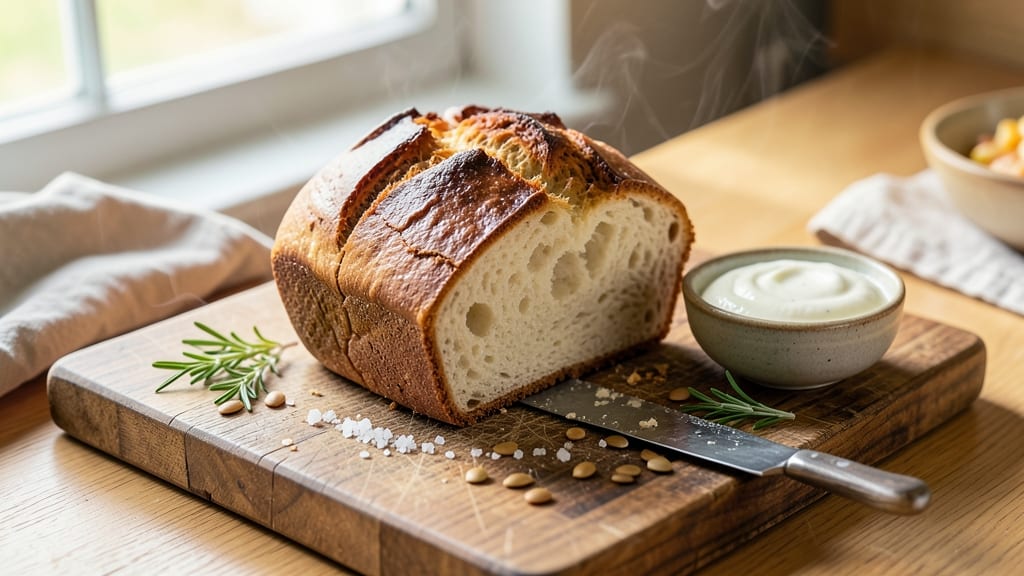
This Allinson bread recipe delivers the pull-apart softness and buttery layers that make it a British baking classic. 💛 Unlike yeast-based breads, this soda bread relies on baking soda for a tender crumb and subtle tang—perfect for sandwiches or serving alongside soups.
The secret lies in the mix of flour, buttermilk, and soda, which creates an airy texture without yeast's fermentation time.
What sets this recipe apart is its simplicity: just five core ingredients and 30 minutes of active time, including shaping. The bread develops its signature texture as it bakes, with a golden crust and crumb that's both tender and slightly dense.
For extra flair, I recommend adding seeds or herbs to the dough before baking—traditional options include caraway, poppy, or rosemary.
Baking at 425°F for 25-30 minutes ensures a crisp exterior and soft interior, while the pull-apart quality comes from a gentle shaping technique. This bread stays fresh for 3-4 days when wrapped, making it ideal for meal prep. The buttery layers melt into every bite, balancing the bread's natural tang.
Serve warm with butter, jam, or as the base for hearty sandwiches. The recipe scales easily, so you can halve or double it for gatherings. Here’s how to achieve that restaurant-quality texture at home—no experience required.
Ingredients for allinson bread
Five ingredients create this British classic with pull-apart perfection and rich buttery layers.
| Ingredient | Amount | Notes |
|---|---|---|
| All-Purpose Flour 🌾 | 3 cups | Sifted for even distribution |
| Buttermilk 🥛 | 1 ½ cups | Room temperature preferred |
| Baking Soda 🧂 | 1 tsp | Pure, aluminum-free |
| Salt 🧂 | ½ tsp | Diamond Crystal preferred |
| Unsalted Butter 🧈 | ½ cup | Cold, cubed for even melting |
| Optional Seeds or Herbs 🌿 | ¼ cup | Caraway, poppy, or rosemary |
| Granulated Sugar 🍚 | 1 tbsp | For subtle sweetness |
The flour is the foundation—King Arthur or AP flour work best for that tender crumb. Buttermilk should be room temperature for even mixing, and baking soda must be fresh (test by dropping a pinch in water—it should fizz immediately). For the butter, European-style (like Plugrá) has higher fat content, yielding richer layers. Diamond Crystal salt dissolves more easily than Morton's, so use it if you're precise. Optional seeds or herbs (like caraway or rosemary) should be toasted lightly in a dry pan before adding for deeper flavor.
No buttermilk? Mix 1.5 tbsp vinegar or lemon juice with 1.5 cups milk and let sit 5 minutes. Baking powder can replace baking soda at half the amount, but the texture will differ slightly. For a sweeter loaf, add 1 tbsp honey (though the intro emphasizes the bread's natural tang). If you prefer a denser texture, reduce flour by 1 tbsp. Pre-shaping the dough gently (without overworking) ensures that signature pull-apart quality—don’t knead like yeast bread.
Store wrapped in a clean kitchen towel at room temperature for 3-4 days to maintain freshness. For longer storage, freeze slices between parchment paper for up to 3 months. Reheat in a 350°F oven for 5-7 minutes to restore crispness. The bread’s buttery layers develop fully after 24 hours, making it even more delicious the next day. Portion into individual slices before freezing for quick toast.
Why You'll Love This Recipe
- No-Fuss Mixing: I swear by this recipe because it’s just three bowls and a whisk. Butter melted into warm buttermilk, flour and baking soda tossed in—no kneading, no fuss, no waiting for dough to rise. My lazy Sunday mornings thank me every time.
- Buttery Tang Magic: That buttermilk cut with cold butter? It’s what makes this bread ridiculously good. The crumb stays tender, the crust gets golden and crisp, and there’s this subtle tang that makes it taste homemade—not store-bought. Honestly, it’s the little things.
- Weeknight Workhorse: I bake a loaf on Sundays, and it feeds my family for days. Toast it for breakfast, use it for sandwiches, or tear it into croutons—it’s that adaptable. Even my picky teenager doesn’t complain when it’s buttered straight from the oven.
- Budget Baking Wins: Five ingredients, one of which is butter (which you probably already have). No yeast, no fancy add-ins, just pure, reliable bread that costs pennies per slice. Between us, this is how I stretch my grocery budget without sacrificing flavor.
Step-by-step instructions for Allinson bread
Master the art of creating rich, buttery layers with this foolproof method.
👨🍳 Step 1: Prepare the Dough Foundation
In a large mixing bowl, combine the 3 cups all-purpose flour, 1 tsp baking soda, and 0.5 tsp salt. Sift the flour mixture together to eliminate any lumps and create an even distribution of leavening agents. This ensures your bread rises uniformly and develops that signature Allinson texture.
In a separate bowl, whisk together the 1.5 cups buttermilk (room temperature), 0.5 cup cold cubed unsalted butter, 1 tbsp granulated sugar, and the 0.25 cup optional seeds or herbs. The cold butter should remain in chunks to create pockets of flavor and moisture as it melts during baking. Pour this wet mixture into the dry ingredients and stir gently with a wooden spoon until just combined—you should still see some flour streaks.
🍳 Step 2: Develop the Dough for Maximum Flavor
Turn the dough onto a lightly floured surface and knead gently for 2-3 minutes until it begins to come together. Avoid overworking the dough, as this can develop gluten excessively and make the bread dense rather than tender. The dough should be soft and slightly sticky, forming a cohesive mass.
Divide the dough into 4 equal portions (about 1 cup each) and shape each into a rough ball. Place them in a lightly greased 9x5-inch loaf pan, arranging them side by side with slight gaps between them. This arrangement allows the dough to expand and create those signature buttery layers as it bakes. Cover the pan loosely with plastic wrap and let the dough rise in a warm place for 1 hour, or until it has nearly doubled in size.
🔥 Step 3: Bake for Golden Layers and Softness
Preheat your oven to 375°F. The high heat is crucial for creating the crispy, buttery layers while keeping the interior soft. Once the oven reaches temperature, bake the bread for 40-45 minutes, or until the top is deep golden brown and a toothpick inserted into the center comes out clean. The edges should pull away slightly from the pan, indicating proper baking.
Here's the key moment: As the bread bakes, the cold butter chunks will melt and create steam pockets, which expand and form those characteristic layers. If the top browns too quickly, tent the pan with aluminum foil to prevent over-browning while allowing the interior to finish baking.
⏰ Step 4: Rest and Serve for Perfect Texture
Remove the bread from the oven and let it cool in the pan for 10 minutes. This resting period allows the layers to set and the bread to firm up slightly, making it easier to slice without falling apart. After 10 minutes, transfer the bread to a wire rack to cool completely before slicing.
For the best experience, serve the bread warm or at room temperature. The layers should separate cleanly with a gentle pull, revealing rich, buttery pockets throughout. Each slice should be tender yet sturdy enough to hold up to toppings like jam, butter, or cream cheese. Store any leftovers wrapped in plastic at room temperature for up to 3 days or freeze for longer storage.
Pro Tips For Making Allinson Bread
- MEASURE BUTTERMILK PRECISELY: Allinson bread relies on that tangy buttermilk for tenderness, but I learned the hard way—using "about" a cup leads to dense, gummy loaves. Weigh it (240g for 1 cup) or fill a measuring cup to the brim, then tap it firmly on the counter 3 times to settle. No shortcuts here—this is the thing that matters most for that perfect crumb.
- LET THE DOUGH REST: Skip the 10-minute rest after mixing, and your bread will fight you in the oven. I was skeptical until I tried it—just let the bowl sit covered at room temp while you preheat. The gluten relaxes, and the butter melts slightly, giving you that signature tender, layered texture. (Yes, even if you're impatient like me.)
- USE COLD BUTTER: Soft butter makes for a greasy, uneven crumb. Cut that unsalted butter straight from the fridge into cubes and fold it into the dry ingredients—this keeps the dough firm enough to handle without overworking. The result? A cleaner rise and those signature flaky pockets. I skip this when I'm lazy, but the dish is noticeably better when I don’t.
- CHECK OVEN TEMP AFTER 10 MINUTES: Allinson bread needs a hot oven to rise properly, but mine always runs hotter than the thermometer says. After 10 minutes, stick an oven thermometer in—if it’s under 400°F (200°C), crank it up another 25°F (15°C). That extra heat guarantees a proper rise and a crisp crust. (Your future self will thank you.)
Flavor customization for this dish
Sweet Variations
Craving something sweeter? Swap the 1 tbsp granulated sugar for 2 tbsp brown sugar and add ½ cup raisins or chopped dates to the dough. The molasses notes in brown sugar enhance the buttery layers, while dried fruit adds chewy pockets.
For a caramel twist, fold in ¼ cup chopped walnuts and 1 tsp cinnamon—this creates a spiced loaf perfect for breakfast with butter. 🍯
Herb & Cheese Twist
Boost savory flavors by mixing ½ cup shredded cheddar and 1 tbsp fresh rosemary into the dough. The cheese melts into the butter pockets, creating a rich, pull-apart texture. For a Mediterranean flair, use feta and oregano instead—just reduce the buttermilk by 2 tbsp to account for moisture.
These variations work best when baked in a cast-iron skillet for extra crispiness. 🧀
Spiced Seed Blend
Toast ¼ cup seeds (caraway, poppy, or sesame) in a dry pan until fragrant, then mix into the dough. For warmth, add ½ tsp ground coriander or ¼ tsp smoked paprika.
This blend adds texture and depth, balancing the bread’s buttery richness. Store seeds in an airtight container to keep them fresh for future batches. 🌾
Gluten-Free Adaptation
Replace 3 cups all-purpose flour with a 1:1 gluten-free blend (like Bob’s Red Mill) plus 2 tbsp xanthan gum. Use 1.75 cups buttermilk to compensate for reduced moisture absorption.
The texture will be slightly denser but still pull-apart tender. For extra binding, add 1 extra tbsp cold butter. 🌱
Whole Wheat Boost
Substitute 1 cup all-purpose flour with whole wheat flour for a nuttier flavor and extra fiber. Reduce buttermilk by 2 tbsp to prevent a gummy texture. The bread will have a denser crumb but retain its buttery layers. Pair it with apple butter or nutella for a hearty breakfast. 🌾
Savory Garlic & Parmesan
Infuse the dough with 2 minced garlic cloves and ¼ cup grated Parmesan for a savory kick. Add 1 tsp dried thyme for an Italian-inspired twist. This version shines alongside soups or as a base for garlic butter sandwiches. The Parmesan enhances the bread’s tang without overpowering. 🧄
Nutrition facts
Frequently asked questions
Why does Allinson bread have that signature pull-apart texture?
The buttery layers come from cold cubed butter melting during baking, creating steam pockets that expand as the bread rises. The gentle shaping technique and baking soda (not yeast) also contribute to that tender yet sturdy crumb. The key is arranging the dough balls with slight gaps in the pan so they can expand freely.
Can I make this bread without buttermilk?
Yes! Mix 1.5 tbsp vinegar or lemon juice with 1.5 cups milk and let sit 5 minutes to mimic buttermilk's tang. This substitution works perfectly for the same tender crumb. For extra richness, add 1 tbsp melted butter to the wet ingredients.
How do I prevent my Allinson bread from turning out dense?
Don't overmix the dough—just combine until flour streaks remain. Avoid kneading like yeast bread, and use fresh baking soda (test by dropping in water—it should fizz immediately). Also, ensure your oven is fully preheated to 375°F before baking. Overworking the dough or underbaking are the most common causes of density.
What's the best way to reheat stale Allinson bread?
Wrap slices in foil and warm at 350°F for 5-7 minutes until crispy again. For extra flavor, brush with melted butter before reheating. Alternatively, toast slices in a dry pan over medium heat for 1-2 minutes per side. The layers will revive beautifully!
Can I make this bread in a Dutch oven for extra crispiness?
Shape the dough into a round loaf instead of using a pan, then bake in a preheated Dutch oven at 425°F for 30-35 minutes. This creates a crispy crust while keeping the interior tender. For best results, add the dough to the hot Dutch oven and cover immediately.