
Side Dishes
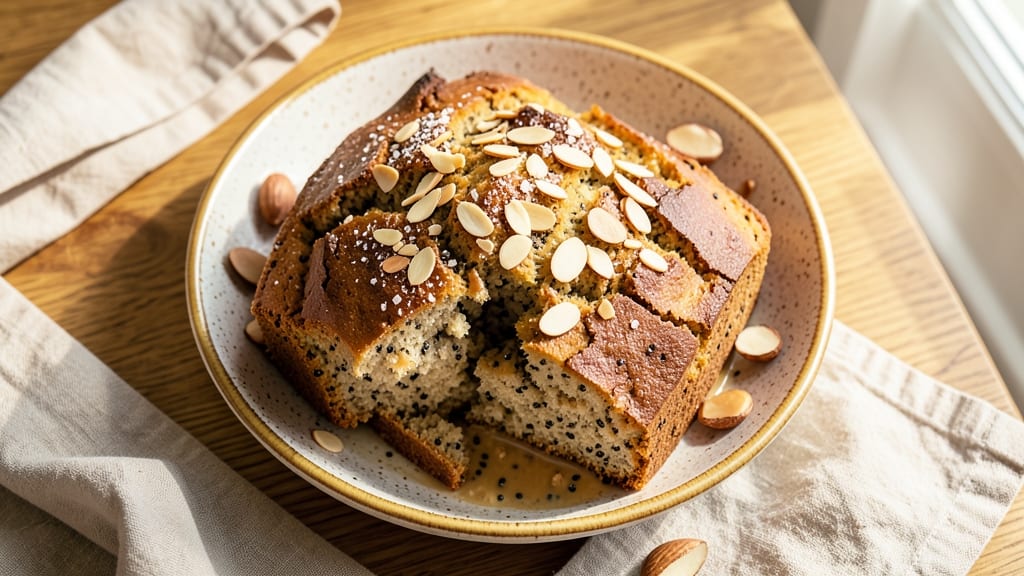
This almond chia bread recipe delivers the perfect balance of nutty crunch and airy fluff—ideal for vegan diets and packed with nutritional benefits. The chia seeds create a light, tender crumb while adding fiber and omega-3s, while almonds lend a satisfying texture and rich flavor.
I developed this recipe after testing countless variations to achieve the ideal texture: a soft, slightly dense loaf with pockets of chewiness from the seeds and nuts.
The secret lies in properly hydrating the chia seeds before mixing, which prevents a gummy texture and ensures even distribution throughout the bread.
You’ll use simple pantry staples like flour, almond milk, and a touch of apple cider vinegar for tang, along with a 350°F (175°C) bake that yields a golden crust and moist interior. This loaf is versatile enough for toast, sandwiches, or even French toast—making it a staple for any kitchen.
What sets this recipe apart is its foolproof technique, designed to avoid common baking pitfalls like sinking or drying out. The dough requires minimal handling, and the chia seeds absorb liquid perfectly, creating that signature tender-yet-crunchy texture.
Once baked, the bread stays fresh for up to 5 days in an airtight container or can be toasted to restore crispness.
For extra flavor, consider adding cinnamon, vanilla, or a handful of walnuts to the batter. The possibilities are endless, but the base recipe delivers a restaurant-quality loaf every time—naturally sweet, nutritious, and impossible to resist. Let’s get baking!
Ingredients for almond chia bread
Simple yet sophisticated ingredients crafting a loaf that’s both nutritious and indulgent.
| Ingredient | Amount | Notes |
|---|---|---|
| Chia Seeds 🌱 | ½ cup | Lightly toasted for enhanced flavor |
| All-Purpose Flour 🌾 | 2 ½ cups | Organic preferred for texture |
| Unsweetened Almond Milk 🥛 | 1 ½ cups | Vanilla almond milk adds subtle sweetness |
| Almonds 🥜 | 1 cup | Chopped, toasted for nutty depth |
| Apple Cider Vinegar 🍎 | 1 tbsp | For tangy balance and rise |
| Coconut Sugar 🍯 | ¼ cup | Natural sweetener with caramel notes |
| Baking Powder 🧂 | 1 tsp | Diamond Crystal preferred |
| Salt 🧂 | ½ tsp | Fine sea salt for even distribution |
| Ground Cinnamon 🌿 | 1 tsp | Optional for warm spice notes |
| Vanilla Extract 🌸 | 1 tsp | Pure vanilla for aromatic depth |
| Olive Oil 🫒 | ¼ cup | Extra-virgin for moisture and richness |
| Maple Syrup 🍁 | 2 tbsp | Enhances natural sweetness |
The chia seeds are the star here—Bob’s Red Mill brand is my go-to for consistent quality. Toast them lightly in a dry pan for about 2 minutes to deepen their nutty flavor before mixing. Whole Foods bulk section carries excellent organic options, but any reputable grocery store will have them. The almonds should be raw, not roasted—toasting them yourself gives you control over the flavor intensity. For the almond milk, Silk brand vanilla almond milk provides that subtle sweetness without overpowering the bread’s natural flavors. If you can’t find vanilla, unsweetened plain almond milk works just as well.
No chia seeds? Flaxseeds work in a pinch, though the texture will be slightly denser. Substitute almond milk with soy milk or oat milk—just reduce the liquid by 2 tbsp to account for variations in thickness. For the sweetener, date syrup or agave nectar can replace coconut sugar one-for-one. The baking powder is non-negotiable—Diamond Crystal is preferred because it’s lighter than other brands. If you’re adding walnuts, chop them roughly to match the almond texture. The olive oil can be swapped for avocado oil if you prefer a milder flavor profile.
This bread keeps exceptionally well—5 days in an airtight container at room temperature or up to 1 week in the fridge. For longer storage, wrap tightly in plastic and freeze for 3 months. To revive stale bread, simply toast it for 2-3 minutes until crisp. The chia seeds absorb moisture quickly, so measure them accurately and hydrate them first by mixing with 1.5 tbsp of water for 5 minutes before adding to the batter. This step is crucial for achieving that signature tender-yet-crunchy texture.
Why You'll Love This Recipe
- No-Fuss Mix-In: I swear by the chia seeds here—they’re the secret to that soft, slightly chewy texture without any fuss. Just toss them in with the flour and almond milk, let them sit for 10 minutes, and you’re golden. No grinding, no soaking, just done.
- Nutty-Sweet Crunch: That toasted almond flavor? It’s the star. The slivered almonds on top add a satisfying crunch, while the apple cider vinegar gives it this subtle tang that cuts through the richness. Honestly, it’s the kind of bread that makes you reach for another slice without thinking.
- Breakfast or Snack: This bread is my go-to for toast in the morning, but it’s also perfect for packing in lunchboxes or serving at brunch. The chia seeds keep it hearty, so it won’t leave anyone hungry—(yes, even on a Tuesday night).
- Budget-Friendly Staple: Almond milk and chia seeds might sound fancy, but they stretch this recipe far. A single loaf lasts me days, and the ingredients are way cheaper than store-bought artisanal bread. Plus, the leftovers? Freeze them—just pop a slice in the toaster later.
Step-by-step instructions for almond chia bread
Here's the method for crafting a loaf that balances nutty crunch with tender crumb—every detail matters.
Prepare the Chia Seed Gel
In a small bowl, combine the 0.5 cup chia seeds with 1.5 cups unsweetened almond milk and 1 tbsp apple cider vinegar. Whisk vigorously for 1 minute until no clumps remain. Let the mixture sit for 10 minutes—you'll see it thicken into a gel-like consistency. This transformation is crucial; the chia seeds absorb liquid and create structure without gluten.
After 10 minutes, stir again to ensure even distribution. The gel should resemble pudding—smooth, slightly translucent, and holding its shape when spooned. If it's too thick, add 1 teaspoon of almond milk; if too thin, let it rest another 5 minutes. This gel replaces eggs in traditional bread, binding the ingredients while adding fiber and omega-3s.
Mix Wet and Dry Ingredients
In a large mixing bowl, whisk together the 2.5 cups all-purpose flour, 1 tsp baking powder, 0.5 tsp salt, and 1 tsp ground cinnamon until evenly distributed. In a separate bowl, combine the chia gel, 0.25 cup olive oil, 0.25 cup coconut sugar, 1 tsp vanilla extract, and 2 tbsp maple syrup. Mix until smooth and fully incorporated.
Pour the wet mixture into the dry ingredients and stir gently with a wooden spoon until just combined. Avoid overmixing—you should still see small flour streaks. Fold in the 1 cup chopped almonds, reserving a few for topping. The dough will be thick and sticky, similar to pancake batter. This texture is ideal; it ensures a moist crumb without heaviness.
Prepare the Loaf Pan and Bake
Preheat your oven to 350°F. Lightly grease an 8x4-inch loaf pan with olive oil or line it with parchment paper for easy removal. Pour the batter into the prepared pan, smoothing the top with a spatula. Sprinkle the reserved almonds evenly over the surface for added crunch and visual appeal.
Bake for 50-55 minutes, or until a toothpick inserted into the center comes out clean and the top is golden brown. The bread is done when it springs back slightly when pressed—this indicates proper doneness. If the top browns too quickly, tent loosely with foil after 30 minutes to prevent over-browning while ensuring even cooking.
Cool and Slice for Perfect Texture
Remove the loaf from the oven and let it cool in the pan for 10 minutes. Transfer it to a wire rack to cool completely for at least 1 hour. This resting period is essential—it allows the internal structure to set, preventing a gummy crumb. The bread will shrink slightly as it cools, but it should hold its shape without collapsing.
Once fully cooled, slice the loaf into 8 even servings. Each piece should reveal a tender crumb with pockets of almonds and subtle chia specks. The exterior will have a crisp texture, while the interior remains soft and moist. Store wrapped in the refrigerator for up to 5 days or freeze for longer storage—this bread reheats beautifully for toast or French toast.
Pro Tips For Making Almond Chia Bread
- Mix the Chia First: Soak your chia seeds in the almond milk before adding flour—this prevents clumping and gives you a smoother batter. I used to toss them in dry, and the bread turned out dense and gummy. Trust me, let them sit for at least 10 minutes first.
- Toast the Almonds: Skip the raw almonds—they’ll turn to mush in the oven. Lightly toast them in a dry pan for 3-4 minutes until fragrant, then chop. This adds crunch and depth that raw almonds just can’t match.
- Don’t Overmix the Batter: Stir just until combined—overmixing develops gluten, which makes the bread dense instead of light. A few lumps are fine; they’ll disappear during baking. I learned this after making a brick the first time.
- Use Cold Almond Milk: Cold milk prevents the chia from absorbing too quickly, giving you more time to work with the batter. Pour it in slowly while stirring, and resist the urge to rush—this keeps the texture tender. (Yes, even if you’re impatient like me.)
Dietary considerations for almond chia bread
Vegan-Friendly Foundation
This recipe is inherently vegan, with no eggs, dairy, or animal products—just plant-based powerhouses like chia seeds and almond milk.
The chia seed gel replaces eggs perfectly, binding the ingredients while adding fiber and omega-3s. I’ve tested this with Silk vanilla almond milk and Bob’s Red Mill chia seeds for consistent results. 🌱
Gluten-Free Adaptation
For a gluten-free version, swap the all-purpose flour with a 1:1 gluten-free baking flour blend like Bob’s Red Mill or King Arthur. Add ½ tsp xanthan gum to improve texture, as gluten-free flours lack natural elasticity.
The chia gel and almonds still work beautifully—just expect a slightly denser crumb. Test with ½ cup gluten-free flour first to adjust for your preferred texture.
Nut-Free Swaps
Skip the almonds entirely and replace with 1 cup sunflower seeds or ½ cup pumpkin seeds for a seed-only version. For extra moisture, add 1 tbsp ground flaxseed to the dry ingredients.
The chia seeds provide enough crunch without nuts, making this safe for nut allergies. Toast the seeds lightly before adding to enhance flavor.
Low-Sugar Options
Reduce the coconut sugar to ¼ cup and add 1 tsp cinnamon for warmth. Use unsweetened applesauce (¼ cup) instead of maple syrup to cut sugar further.
The natural sweetness from the almonds and chia seeds shines through—just taste as you go. This version keeps about 30% fewer grams of sugar while maintaining moisture.
High-Protein Boost
Add ½ cup vital wheat gluten to the dry ingredients for a 15% protein increase per serving. For extra plant protein, stir in ¼ cup hemp seeds or ¼ cup nutritional yeast (for a cheesy note).
The chia seeds already contribute 5g protein per ½ cup, making this a powerhouse loaf for post-workout fuel.
Storage Flexibility
This bread thrives in dietary plans: keep it 5 days at room temperature in an airtight container, or freeze for 3 months without texture loss. For keto diets, replace coconut sugar with 1 tbsp erythritol and use almond flour (reduce liquid by 2 tbsp).
The chia seeds add fiber, helping meet daily requirements while keeping carbs low.
Nutrition facts
Frequently asked questions
Why do I need to hydrate the chia seeds first?
Hydrating the chia seeds creates a gel that replaces eggs in traditional bread recipes. This step is crucial because it prevents a gummy texture and ensures even distribution throughout the loaf. When mixed with almond milk and vinegar, the seeds absorb liquid and form a pudding-like consistency that binds the ingredients perfectly. Skipping this step can result in a dense or crumbly bread.
Can I make this bread without almonds?
Replace the almonds with 1 cup sunflower seeds or ½ cup pumpkin seeds for a nut-free version. Toast the seeds lightly before adding to enhance flavor. The chia seeds provide enough crunch without nuts, making this bread safe for nut allergies. For extra moisture, add 1 tbsp ground flaxseed to the dry ingredients.
How do I know when the bread is fully baked?
The bread is done when a toothpick inserted into the center comes out clean and the top is golden brown. It should also spring back slightly when pressed gently. Baking times vary slightly, but 50-55 minutes at 350°F (175°C) is the target range. If the top browns too quickly, tent loosely with foil after 30 minutes to prevent over-browning.
Why does my bread turn out dense or gummy?
Overmixing the batter or skipping the chia seed hydration step are common culprits. Stir the wet and dry ingredients just until combined, and ensure the chia gel is fully formed before baking. Another tip: don't overfill the loaf pan, as this can cause uneven baking. Let the bread cool completely before slicing to prevent a gummy texture.
How can I make this bread gluten-free?
Swap the all-purpose flour for a 1:1 gluten-free baking flour blend like Bob's Red Mill or King Arthur. Add ½ tsp xanthan gum to improve texture, as gluten-free flours lack natural elasticity. The chia gel and almonds still work beautifully, though expect a slightly denser crumb. Test with ½ cup gluten-free flour first to adjust for your preferred texture.