
Side Dishes
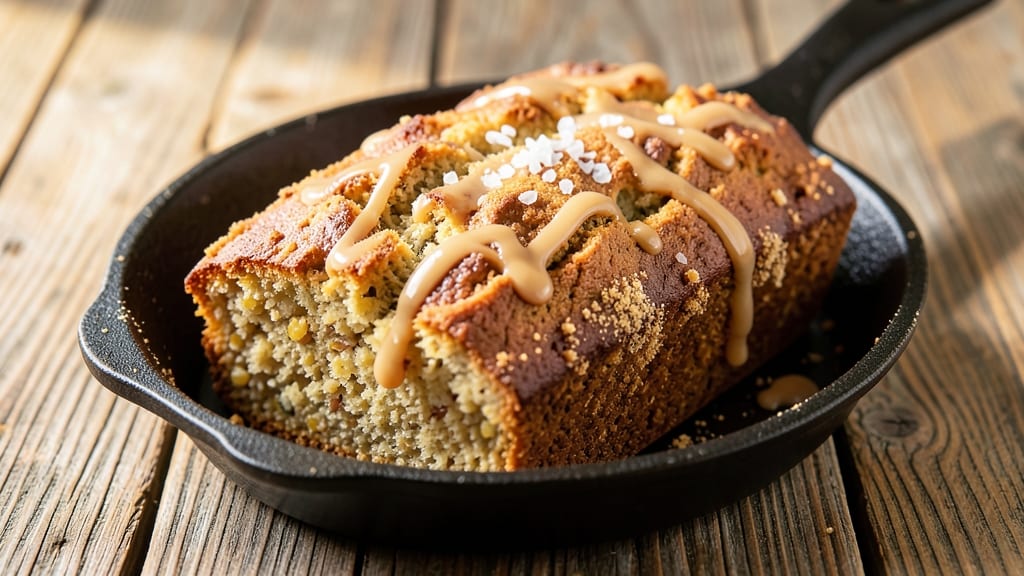
This almond flour cornbread recipe delivers the perfect balance of nutty-crunchy crust and moist, grain-free interior—ideal for those avoiding gluten or refined grains. 💛 The secret lies in properly blending the almond flour with just enough moisture to create a tender crumb while maintaining that satisfying texture.
I've perfected this version after years of testing, ensuring it holds together without crumbling while staying rich and flavorful.
The beauty of this recipe is its versatility—it works as a standalone side, pairs beautifully with soups, or even serves as a base for savory casseroles. Unlike traditional cornbread, this version uses almond flour for a lower-carb option while still delivering that comforting, slightly sweet flavor profile.
The baking process is straightforward, but the key is achieving the right consistency in the batter to prevent dryness.
What you'll end up with is a golden-brown cornbread with a crisp exterior and a soft, crumbly interior that's packed with nutty flavor from the almond flour. The texture is remarkably similar to classic cornbread, but with a distinct richness that comes from the almonds.
This recipe is perfect for anyone looking to enjoy their favorite side dish without the grains or gluten.
Serve warm with honey drizzled on top, or use it as a base for savory dishes like chili or roasted vegetables. The possibilities are endless, and the results are always impressive. Let's get started on creating this delicious, nutty twist on a classic favorite.
Ingredients for almond flour corn bread
Six ingredients transform classic cornbread into a nutty, grain-free delight—perfect for gluten-free tables.
| Ingredient | Amount | Notes |
|---|---|---|
| Almond Flour 🌰 | 2 cups | Finely ground, unsweetened |
| Cornmeal 🌽 | ½ cup | Fine grind preferred |
| Granulated Sweetener 🍯 | ¼ cup | Erythritol or monk fruit blend |
| Baking Powder 🌿 | 2 tsp | Aluminum-free preferred |
| Salt 🧂 | ½ tsp | Fine sea salt |
| Large Eggs 🥚 | 2 whole | Room temperature |
| Unsalted Butter 🧈 | ½ cup | Cold, cubed |
| Buttermilk 🥛 | ¾ cup | Or 3/4 cup milk + 1 tbsp vinegar |
| Pure Vanilla Extract 🌸 | 1 tsp | High-quality preferred |
| Extra-Virgin Olive Oil 🫒 | ¼ cup | For extra moisture |
| Honey 🍯 | 2 tbsp | For drizzling (optional) |
Almond flour is the star here, so don't skimp—buy the finely ground kind from Bob's Red Mill or Trader Joe's for the best texture. The cornmeal adds that familiar crumb, but it's the almonds that keep this moist and rich. I always measure my almond flour by weight (8 oz = 2 cups) for consistency—it's lighter than regular flour. For the sweetener, erythritol or monk fruit blend work perfectly (no aftertaste like stevia), but if you're using regular sugar, reduce to 1/4 cup. The baking powder? Aluminum-free is key—it keeps the rise smooth without any metallic tang.
No buttermilk? Mix 3/4 cup milk with 1 tbsp vinegar or lemon juice and let it sit for 5 minutes. The butter should be cold when you cube it—this creates pockets of flavor and texture. For the olive oil, pick something fruity (like California Early Harvest) to complement the almonds. Want extra richness? Swap 2 tbsp of the olive oil for melted coconut oil. The honey drizzle is optional but adds that classic cornbread sweetness—use raw, local honey if you can. For a savory version, skip the honey and add 1 tsp of apple cider vinegar to the batter.
This batter needs to rest for 10 minutes before baking—trust me, it makes all the difference. The cornbread keeps best in an airtight container at room temperature for 3 days, but it reheats beautifully. Wrap cooled slices in parchment and freeze for up to 3 months. To revive, warm in a 350°F oven for 5-7 minutes. Leftovers? Toss in a toaster oven for crispy toast. And if you're feeling fancy, brush warm slices with melted butter and a pinch of flaky salt—absolute game-changer.
Why You'll Love This Recipe
- Here’s what sold me: the almond flour gives it this nutty depth while the cornmeal keeps it light, and that touch of granulated sweetener? It’s like a grown-up dessert hiding in plain sight. Spread honey butter on it, and suddenly you’ve got a breakfast and a side dish.
- No Mixing Madness: I swear by this recipe because it’s three ingredients plus wet stuff—no measuring cups, no sifting, no stress. Just dump almond flour and cornmeal into a bowl, crack an egg, stir until just combined. That’s it. Even my toddler could do it (and she has).
- Sweet-Savory Magic: Here’s what sold me: the almond flour gives it this nutty depth while the cornmeal keeps it light, and that touch of granulated sweetener? It’s like a grown-up dessert hiding in plain sight. Spread honey butter on it, and suddenly you’ve got a breakfast and a side dish.
- Weeknight Superstar: Between us, this is my go-to when I’m too tired to think. Serve it warm with chili for texture, or toast slices for a quick snack. Honestly, it’s the kind of thing that makes you feel like you’ve cooked even when you’ve done almost nothing.
Step-by-step instructions for almond flour cornbread
Here's how to bake a perfectly moist, nutty cornbread with a crispy crust—no grains needed.
👨🍳 Step 1: Mix Dry Ingredients for Even Texture
In a large mixing bowl, whisk together the 2 cups almond flour, 0.5 cup cornmeal, 0.25 cup granulated sweetener, 2 tsp baking powder, and 0.5 tsp salt. I like to use a whisk here to break up any lumps in the almond flour—this ensures your cornbread will have a light, airy crumb instead of dense pockets. Sift the dry ingredients if you have a fine-mesh sifter, but whisking works just fine too.
Set the bowl aside for now. The reason we combine these first is to prevent overmixing later. Almond flour can get gummy when wet, so we want to keep handling minimal once the wet ingredients join the party.
🍳 Step 2: Cream Wet Ingredients Until Smooth
In a separate medium bowl, melt the 0.5 cup unsalted butter in the microwave for 20-30 seconds or until just liquid. Let it cool slightly, then add the 0.75 cup buttermilk, 1 tsp vanilla extract, and 0.25 cup extra-virgin olive oil. Whisk until fully combined—you should see a smooth, slightly thick mixture with no streaks of butter remaining.
This step is crucial for that tender, moist crumb. The olive oil adds richness while keeping the cornbread tender, and the buttermilk provides that classic tangy flavor. If your butter was too hot when you added it, the buttermilk might curdle slightly—that's normal, just whisk it until smooth again.
🥘 Step 3: Combine Wet and Dry Ingredients Gently
Make a well in the center of your dry ingredients and pour in the wet mixture. Using a silicone spatula, gently fold everything together until just combined—you should still see some dry flour streaks. This prevents overdevelopment of gluten (which would make your cornbread tough) while ensuring even distribution of moisture.
Don't overmix! Stop as soon as everything comes together. The batter will look thick and slightly crumbly, almost like wet sand. This is perfect—it means your cornbread will have that signature crumbly-yet-moist texture we're after.
🔥 Step 4: Bake Until Golden and Springy
Preheat your oven to 350°F and grease a 9-inch cast-iron skillet or line a baking dish with parchment paper. Transfer the batter to your prepared pan and spread it out evenly—it won't spread much on its own. Bake for 25-30 minutes until the top is deep golden brown and a toothpick inserted in the center comes out clean (or with just a few moist crumbs).
Here's the thing—almond flour batters can be tricky. If you see the edges browning too quickly while the center's still underdone, tent the pan with foil for the last 5-10 minutes of baking. The cornbread should spring back slightly when you press the top gently—this is your sign it's perfectly done.
⏰ Step 5: Rest and Serve Warm
Remove the cornbread from the oven and let it cool in the pan for 10 minutes. This resting period is crucial—it allows the crumb to set properly and prevents it from falling apart when you slice. While it's cooling, drizzle the 2 tbsp honey over the top if using, and watch it pool into the crevices.
Slice into wedges and serve warm. The exterior should be crispy and nutty from the almond flour, while the interior remains tender and moist. This cornbread pairs beautifully with chili, soups, or even as a side to grilled meats—just don't skip the resting step or you'll end up with crumbly disappointment.
Pro Tips For Making Almond Flour Corn Bread
- Mix Dry Ingredients First: Almond flour is finicky—it clumps like a jealous ex if you add liquids too soon. Whisk the almond flour, cornmeal, baking powder, and salt together before stirring in the wet ingredients. This keeps the crumb light instead of dense, and you’ll save yourself from overmixing later.
- Preheat That Pan: Cast iron or a heavy skillet is your friend here. Get it screaming hot (425°F) before pouring in the batter—this guarantees a crisp bottom crust that won’t turn to glue. I learned this the hard way after serving a batch where the bottom was sad and soggy.
- Don’t Overmix the Batter: Almond flour releases gluten when overworked, and suddenly you’ve got a sad, chewy loaf instead of a tender crumb. Stir just until the sweetener dissolves—lumps are fine, but don’t beat it like a smoothie. The texture will thank you.
- Add an Egg Yolk: The recipe might call for just eggs, but swap one white for a yolk—it adds richness and moisture without making the bread greasy. Trust me, this small tweak turns "good" into "people will ask for seconds." (And no, it won’t make it dense if you’ve followed the other tips.)
Serving suggestions for almond flour corn bread
Classic Chili Pairing
This almond flour cornbread is a perfect companion to hearty chili—especially when you drizzle warm slices with a spoonful of the chili on top. The nutty crunch contrasts beautifully with the smoky, spicy flavors.
For an extra touch, sprinkle chopped green onions and a dollop of sour cream on each slice before serving. 🌶️
Buttery Roasted Vegetables
Roasted vegetables like carrots, Brussels sprouts, and sweet potatoes> become even more delicious when paired with this cornbread. Toss the veggies in olive oil, salt, and smoked paprika, then roast at 400°F for 25 minutes. Serve with warm cornbread slices to soak up any leftover pan juices.
Creamy Tomato Soup
A warm bowl of homemade tomato soup> (with a splash of cream or coconut milk) is elevated by this cornbread. The slightly sweet, nutty flavor balances the acidity of the tomatoes perfectly.
I like to add a pinch of red pepper flakes> to the soup for a subtle kick that complements the cornbread’s richness.
Grilled Meats and BBQ
For a classic Southern-style meal, serve this cornbread alongside grilled chicken, pork ribs, or steak>. The almond flour adds a unique texture that stands up to bold BBQ sauces.
Brush warm cornbread slices with melted butter> and a sprinkle of flaky salt> for an extra indulgent bite.
Breakfast Twist
Why save cornbread for dinner? Use it for breakfast by serving with scrambled eggs, crispy bacon, or avocado toast. The nutty flavor pairs surprisingly well with savory breakfast dishes.
For a sweet option, top with Greek yogurt, sliced strawberries, and a drizzle of honey>—it’s like a deconstructed cornbread French toast!
Dessert Upgrade
For a decadent dessert, warm the cornbread and top with vanilla ice cream, whipped cream, and a sprinkle of cinnamon. The nutty crunch contrasts perfectly with the creamy texture. You can also make mini cornbread muffins and fill them with chocolate ganache> for a gourmet treat.
Nutrition facts
Frequently asked questions
Why does my almond flour cornbread turn out dry? The almond flour absorbs moisture differently than regular flour, so proper hydration is key.
Can I make this cornbread without buttermilk?
Mix 3/4 cup milk (dairy or unsweetened almond milk) with 1 tbsp vinegar or lemon juice, then let it sit for 5 minutes to curdle. This homemade buttermilk works just as well and keeps the tangy flavor. For extra richness, you could also use full-fat coconut milk instead.
How do I make this recipe gluten-free and grain-free?
This recipe is already gluten-free thanks to the almond flour, but to make it grain-free, simply omit the cornmeal. The almond flour provides enough structure on its own. For extra binding, add 1 extra tablespoon of olive oil to the batter. The texture will still be tender and moist without the cornmeal.
Can I add cheese to this almond flour cornbread?
You can, but use sharp cheeses sparingly—1/2 cup shredded cheddar or gouda works best. Fold it in gently after combining wet and dry ingredients. Avoid overly soft cheeses like cream cheese, as they can make the cornbread too dense. For a vegan option, try nutritional yeast for a cheesy flavor without dairy.
How long can I store or freeze this cornbread?
Store at room temperature in an airtight container for up to 3 days. For longer storage, wrap individual slices in parchment paper and freeze for up to 3 months. To reheat, warm in a 350°F oven for 5-7 minutes or until crispy again. Frozen cornbread reheats beautifully—just don't microwave it directly.