
Side Dishes
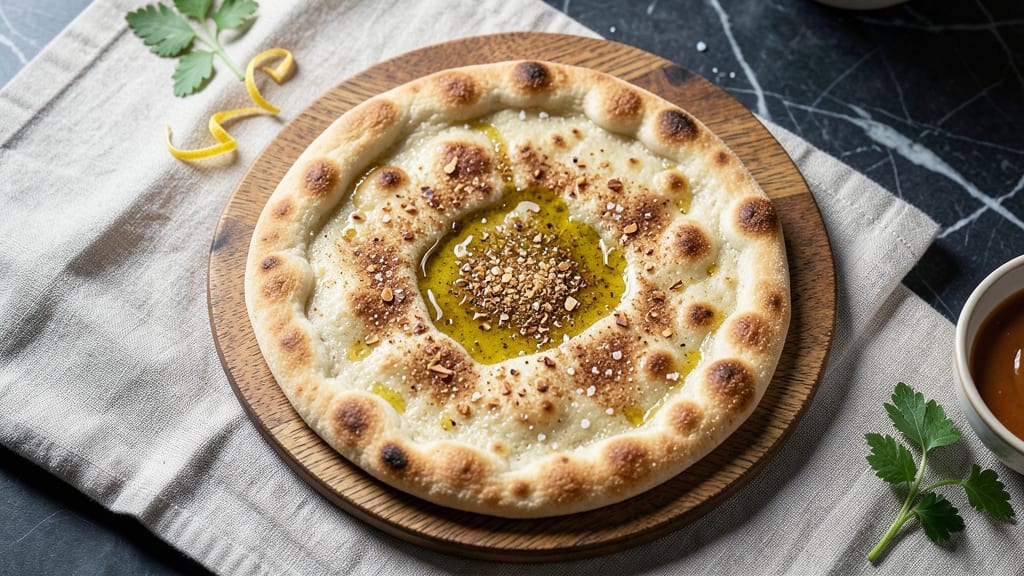
This almond flour flatbread bread recipe delivers the perfect balance of nutty crisp edges and a soft, pillowy center—ideal for wrapping tacos, sandwiches, or serving alongside soups. The secret lies in almond flour's natural richness, which creates a distinctly flavorful bread without gluten.
I developed this recipe after struggling to find a vegan flatbread that held up to hearty fillings, and it never fails to impress.
The process is surprisingly simple: mix, shape, and bake for just 10–15 minutes at 375°F, resulting in a golden, aromatic flatbread with a crunchy exterior and tender interior. Unlike traditional flour, almond flour adds a nutty depth that pairs beautifully with Mediterranean herbs or a drizzle of olive oil.
No special equipment is needed—just a baking sheet and your favorite toppings. What sets this recipe apart is its versatility. Use it as a wrap for grilled veggies, a base for flatbread pizza, or even as a side for dips.
The almond flour ensures a nutritious yet satisfying texture, making it a favorite for both health-conscious eaters and baking enthusiasts. The aroma alone will have everyone asking for seconds.
Perfect for meal prep or last-minute gatherings, this flatbread comes together in under 20 minutes—no yeast, no kneading, just foolproof results. Let’s get baking!
Ingredients for almond flour flatbread bread
Nine simple ingredients transform into crisp-edged, pillowy almond flour flatbreads—no yeast, no fuss.
| Ingredient | Amount | Notes |
|---|---|---|
| Almond Flour 🌰 | 1 ½ cups | Finely ground, unsweetened preferred |
| Tapioca Starch 🌾 | ¼ cup | For binding and elasticity |
| Extra-Virgin Olive Oil 🫒 | ¼ cup | High quality, fruity flavor |
| Warm Water 💧 | ½ cup | Room temperature preferred |
| Garlic Powder 🧄 | 1 tsp | Freshly ground preferred |
| Onion Powder 🧅 | 1 tsp | Adds depth to flavor |
| Sea Salt 🧂 | ¾ tsp | Diamond Crystal preferred |
| Dried Rosemary 🌿 | ½ tsp | Or fresh, finely chopped |
| Ground Black Pepper 🌶️ | ½ tsp | Freshly cracked for best flavor |
| Sesame Seeds 🌻 | 1 tbsp | For topping, optional |
| Fresh Thyme Leaves 🌿 | ¼ tsp | Or 1/4 tsp dried thyme |
Almond flour is the star here, so choose high-quality, finely ground—the kind labeled 'blanched' for smoother texture. Bob's Red Mill or Anthony's Goods are my go-tos, but any reputable brand works. The tapioca starch is non-negotiable for that perfect chewy bite; don't skip it. For the olive oil, look for extra-virgin with a harvest date—older oils lose their fruity punch. Fresh herbs like thyme and rosemary add that Mediterranean touch, but dried works in a pinch if that's what you've got. Just halve the amount if substituting.
No almond flour? Hazelnut flour works too, though the flavor will shift slightly. Short on tapioca starch? Arrowroot powder in the same amount does the trick. The warm water needs to be just that—warm, not hot—so it activates the starch properly. For extra flavor, add a pinch of smoked paprika or a dash of nutritional yeast (about 1 tbsp). The sesame seeds are optional but give that authentic flatbread crunch—toast them in a dry pan for 30 seconds first to deepen their flavor.
Mix everything together, let it rest for 10 minutes, then shape and bake. These flatbreads keep well for 3 days in an airtight container at room temperature, though they're best fresh. For longer storage, freeze shaped dough balls for up to 3 months—just bake straight from frozen, adding 2-3 extra minutes. Reheat in a toaster or oven for maximum crispiness. Perfect for meal prep—make a batch and freeze extras for quick, nutritious meals all week.
Why You'll Love This Recipe
- No-Fuss Mixing: Just 5 ingredients, no kneading, no waiting. Toss the almond flour, tapioca starch, and olive oil—warm water binds it all together in minutes. Honestly, I’ve made this while scrolling through my phone.
- Garlicky Crisp Magic: That garlic powder? It’s the secret weapon—warming the bread with a subtle, savory punch. The tapioca starch gives it a satisfying crunch, while the almond flour keeps it tender. (Yes, even on a Tuesday night.)
- Meal Prep MVP: Freezes like a dream—just reheat in a dry pan or oven for fresh flatbreads all week. I keep a stack in my freezer for quick wraps, dipping bread, or even a last-minute side for dinner guests.
- Budget-Friendly Luxury: Uses pantry staples you already own, but tastes like a fancy bakery loaf. The almond flour adds richness without breaking the bank, and a little olive oil goes a long way. My wallet and taste buds both win.
Step-by-step instructions for almond flour flatbread with nutty crisp edges
Here's how to craft a perfectly balanced flatbread with crisp edges and tender centers.
Combine Dry Ingredients for Optimal Texture
In a large mixing bowl, whisk together the 1.5 cups almond flour and 0.25 cup tapioca starch until fully combined. This step ensures even distribution of the starch, which acts as a binder and gives that signature elasticity to the flatbread. I like to use a whisk for this part—it breaks up any clumps in the almond flour that might otherwise create dense pockets in your bread.
Next, add the 1 tsp garlic powder, 1 tsp onion powder, 0.75 tsp sea salt, 0.5 tsp dried rosemary, 0.5 tsp ground black pepper, and 0.25 tsp fresh thyme leaves to the dry mixture. The rosemary and thyme add subtle earthy notes that complement the nutty almond flour beautifully. Mix these spices thoroughly so every bite gets that balanced flavor profile.
Incorporate Wet Ingredients for the Perfect Dough
Create a well in the center of your dry mixture and pour in the 0.25 cup extra-virgin olive oil and 0.5 cup warm water. The olive oil adds richness while keeping the flatbread moist, and the warm water helps activate the tapioca starch for that perfect chewy texture. Using your hands or a spatula, gently fold the wet ingredients into the dry until you form a cohesive dough.
Here's the thing—this dough will be slightly sticky, almost like a thick cookie dough. That's completely normal. If it feels too dry, add 1 teaspoon more warm water at a time until it comes together. The goal is a dough that holds its shape when pressed but still feels pliable enough to roll out smoothly. Don't overwork it though—just mix until combined.
Rest the Dough for Improved Workability
Cover the bowl with plastic wrap and let the dough rest at room temperature for at least 15 minutes. This resting period allows the tapioca starch to fully hydrate and the gluten (from the tapioca) to relax slightly, making it much easier to handle later. I know it's tempting to skip this step, but trust me—this makes all the difference in getting that perfect even thickness when you roll it out.
While the dough rests, preheat your oven to 375°F and line a baking sheet with parchment paper. The high heat will create those beautiful crisp edges we're after, while the parchment prevents sticking. If you're feeling fancy, you can also place a pizza stone or baking steel in the oven to preheat—this will give you even more crispiness at the edges.
Shape and Cook for Perfect Flatbread
After resting, divide the dough into 4 equal portions (about 4 ounces each). Working with one piece at a time, roll it out on a lightly floured surface to about 1/8-inch thickness. The goal is an even circle—if you notice any thicker spots, gently press them down with your fingers. You'll know you've got it right when the edges start to become slightly translucent.
Transfer the rolled-out dough to your prepared baking sheet. Brush the top lightly with a bit of extra-virgin olive oil (about 1 teaspoon per flatbread) and sprinkle with 1/4 tablespoon sesame seeds for that classic nutty crunch. The oil helps create a golden crust, while the sesame seeds add both texture and visual appeal. Space them about 1 inch apart on the baking sheet to prevent sticking during cooking.
Bake to Golden Perfection with Crisp Edges
Bake the flatbreads in the preheated oven for 10-12 minutes until the edges are deep golden brown and the centers feel slightly soft when pressed. The key here is to watch closely after the first 8 minutes—almond flour flatbreads can go from perfect to overdone in seconds. You'll know they're done when they're firm around the edges but still have that tender, almost doughy center.
For extra crispiness, you can also broil for 1-2 minutes at the end, watching carefully to prevent burning. The flatbreads should be hot and slightly crisp when you remove them from the oven. Let them cool on the baking sheet for 2-3 minutes before serving—this helps set the texture and makes them easier to handle. Serve warm with your favorite dips, hummus, or simply enjoy them on their own with a sprinkle of flaky sea salt.
Pro Tips For Making Almond Flour Flatbread Bread
- STIR VIGOROUSLY: Mix the almond flour and tapioca starch dry first—really work that bowl with a fork or your hands for 30 seconds. I used to skip this, and the dough would clump like wet sand. Breaking up those lumps upfront means smoother dough and fewer surprises when you add the water.
- MEASURE WATER PRECISELY: Cold water makes this dough fight you. Use warm water (not hot—think bath temperature) and measure it by weight if you can (3 tablespoons per 1 cup almond flour). I learned this the hard way when my first batch turned out either too stiff or too sticky. The tapioca starch needs that warmth to activate properly.
- PRESS THIN, COOK FAST: Roll the dough to ⅛-inch thickness—no thicker, or it’ll steam instead of crisp up. Heat your skillet or griddle to medium-high before adding oil, then cook each flatbread for 90 seconds max. I was skeptical until I tried it—rushing the heat makes them rubbery, but high heat gives that perfect char in seconds.
- GARLIC POWDER LAST: Add the garlic powder after the dough comes together. Sprinkle it into the dry mix first, and you’ll end up with uneven pockets of flavor. Instead, mix it into the wet dough at the end—it’ll distribute evenly and won’t clump. (Yes, even if you’re impatient like me.)
Flavor customization for this almond flour flatbread bread
Herb-Infused Variations
Swap out the rosemary and thyme for fresh cilantro and lime zest to create a zesty Mexican-inspired flatbread. Add ½ tsp ground cumin and ¼ tsp chili powder to the dry mix for warmth.
Brush baked flatbreads with 1 tbsp tahini mixed with lime juice for a nutty, tangy finish. 🌿
For a Mediterranean twist, replace the sesame seeds with toasted pine nuts and add 1 tsp dried oregano to the dough. Finish with a sprinkle of crumbled feta (optional for vegan versions, use vegan feta) and a drizzle of lemon-infused olive oil before baking.
The pine nuts add a delightful crunch that complements the nutty almond flour.
Sweet & Savory Adaptations
Transform your flatbread into a sweet breakfast option by adding 1 tbsp maple syrup and ½ tsp cinnamon to the dough. Top with chopped walnuts and a pinch of sea salt before baking.
Serve warm with almond butter or Greek yogurt for a satisfying morning treat. The natural sweetness of the almond flour pairs beautifully with these flavors.
For a savory-sweet fusion, mix 1 tbsp honey and ½ tsp smoked paprika into the dough. After baking, drizzle with balsamic glaze and sprinkle with crushed pistachios.
This combination works wonderfully as a base for fig and prosciutto (or vegan prosciutto) sandwiches or as a side with roasted vegetables.
Global Flavor Profiles
Create an Indian-inspired version by adding ½ tsp ground coriander, ¼ tsp turmeric, and ¼ tsp garam masala to the dry ingredients. Top with toasted cumin seeds and a pinch of asafetida (hing) for an authentic touch.
Serve with mint chutney or yogurt-based raita for a flavor-packed experience. The spices add a warm, aromatic depth that pairs perfectly with the nutty base.
For a Middle Eastern twist, replace the garlic and onion powder with 1 tsp ground sumac and ½ tsp ground cardamom. After baking, drizzle with extra-virgin olive oil and sprinkle with toasted za'atar seasoning.
This version is fantastic with hummus, baba ganoush, or spiced lamb (or vegan lamb alternatives). The sumac adds a tangy brightness that cuts through the richness of the almond flour. 🌍
Nutrition facts
Frequently asked questions
Why does my almond flour flatbread turn out dense instead of crisp? Almond flour absorbs moisture differently than wheat flour, so overmixing or skipping the 15-minute rest can create dense pockets.
Can I make this flatbread without sesame seeds?
Swap sesame seeds for toasted sunflower seeds, pumpkin seeds, or even crushed nuts like walnuts or pecans. For a seed-free option, try a sprinkle of flaky sea salt or smoked paprika before baking. The topping is purely decorative and doesn't affect texture.
How do I store or reheat these flatbreads?
Keep them fresh in an airtight container at room temperature for 3 days. For longer storage, freeze shaped dough balls for up to 3 months—bake straight from frozen, adding 2-3 extra minutes. To reheat, warm in a toaster for 30 seconds or oven at 350°F for 3-5 minutes until crisp again.
Is this recipe gluten-free?
Yes! Since it uses almond flour and tapioca starch, this flatbread is naturally gluten-free. Just ensure your almond flour is processed in a gluten-free facility if you have severe sensitivities. The texture will be slightly denser than wheat-based flatbreads but still crisp and flavorful.
Can I make these flatbreads ahead of time?
Perfect for meal prep! Shape the dough into balls and refrigerate for up to 2 days or freeze for 3 months. When ready to bake, roll and cook as directed. The dough balls keep beautifully in an airtight container—just let them sit at room temperature for 10 minutes before rolling to prevent cracking.