
Side Dishes
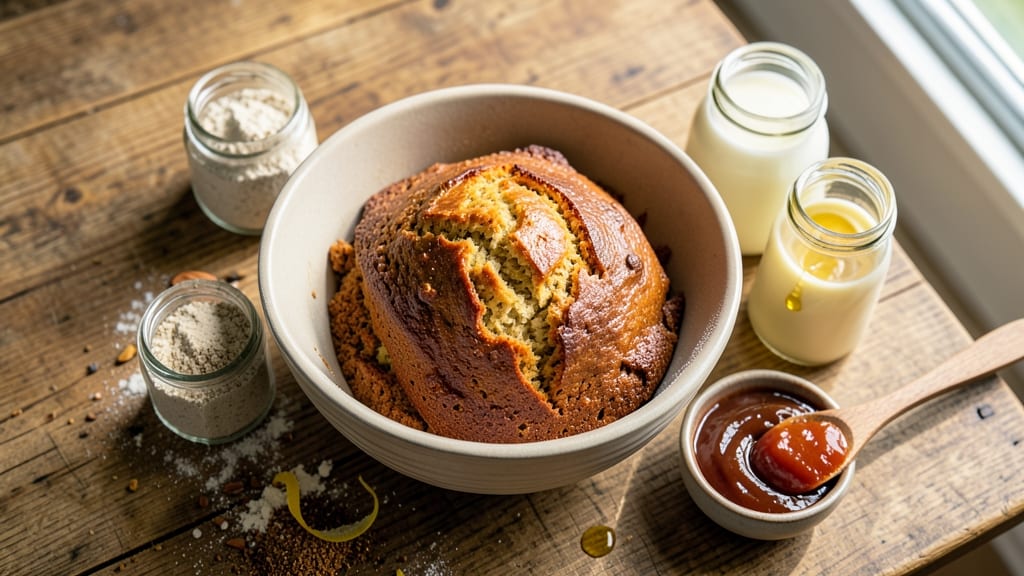
This almond flour quick bread recipe delivers a moist, tender crumb without eggs or dairy—perfect for gluten-free, keto, or allergy-friendly diets. The secret lies in a simple binding technique that replaces traditional ingredients while keeping the texture light and fluffy.
I developed this recipe after years of testing almond flour baked goods, and it never fails to impress with its foolproof method and quick preparation.
What sets this recipe apart is its versatility—equally at home as a sweet breakfast loaf or a savory side dish. The almond flour base provides natural sweetness and richness, while a touch of apple cider vinegar ensures a tender crumb.
No special equipment is needed, just a standard mixing bowl and oven. The recipe bakes up in under 45 minutes, making it ideal for busy mornings or last-minute gatherings.
By the time it emerges from the oven, you'll have a golden-brown loaf with a perfectly moist interior and subtle nutty flavor. Slice it warm for breakfast toast or serve as a side with soups and salads.
The texture stays fresh for days, making it a great make-ahead option. This quick bread proves that gluten-free and dairy-free don't mean sacrificing taste or texture.
The beauty of this recipe is its adaptability—add dried fruits for sweetness, herbs for savory flavor, or even a sprinkle of cheese if you're not strictly avoiding dairy. Each batch turns out consistently, thanks to the precise ratio of ingredients and simple technique.
Whether you're accommodating dietary restrictions or simply exploring almond flour baking, this recipe delivers restaurant-quality results at home.
Ingredients for almond flour quick bread
Twelve ingredients transform into a restaurant-quality loaf—moist, tender, and perfectly nutty.
| Ingredient | Amount | Notes |
|---|---|---|
| Blanched Almond Flour 🥜 | 2 cups | Finely ground, unsweetened preferred |
| Coconut Sugar 🍯 | ½ cup | Or granulated erythritol for keto |
| Unsweetened Applesauce 🍎 | ½ cup | For moisture binding |
| Extra-Virgin Olive Oil 🫒 | ⅓ cup | Light flavor profile preferred |
| Unflavored Almond Milk 🥛 | ½ cup | Full-fat for richness |
| Apple Cider Vinegar 🍎 | 1 tbsp | For tenderizing reaction |
| Baking Powder 🍞 | 1 tsp | Aluminum-free preferred |
| Ground Cinnamon 🌿 | 1 tsp | Freshly ground preferred |
| Sea Salt 🧂 | ½ tsp | Fine grain preferred |
| Vanilla Extract 🌸 | 1 tsp | Pure alcohol-free preferred |
| Ground Flaxseed 🌾 | 1 tbsp | For egg replacement |
| Warm Water 💧 | 3 tbsp | For flax egg activation |
| Optional Dried Cranberries 🍇 | ¼ cup | Chopped for sweet variation |
Almond flour is the star here, so choose blanched, finely ground for the tenderest crumb. Bob's Red Mill or Anthony's Goods are reliable brands with consistent quality. The flour should be freshly ground if possible—pre-ground flour loses texture benefits over time. For the sweetener, coconut sugar adds caramel notes, but erythritol or monk fruit work perfectly for keto adaptations. The applesauce acts as both binder and moisture source—unsweetened is critical to avoid altering the flavor balance. If you're using dried fruits like cranberries, chop them finely to prevent texture issues in the final loaf.
No almond flour? Hazelnut flour or sunflower seed flour can substitute at a 1:1 ratio, though texture will differ slightly. Running short on applesauce? Mashed banana or pumpkin purée work in a pinch—adjust other liquids to maintain balance. The flax egg is non-negotiable for binding, but chia seeds or psyllium husk can replace it at the same ratio. For a savory version, omit sweetener entirely and add dried rosemary or thyme plus a pinch of smoked paprika. The vanilla extract should be pure—alcohol-free versions from McCormick or Frontier Co-op work best without imparting off-flavors.
This loaf stays fresh for 5 days at room temperature, wrapped in a clean kitchen towel. For longer storage, slice and freeze portions for up to 3 months. Reheat individual slices in a toaster or 350°F oven for 5 minutes to restore freshness. The baking powder activates fully at 375°F, so preheat your oven thoroughly. For extra crisp edges, brush the loaf with melted coconut oil before baking. Leftovers make excellent toast—just add a sprinkle of cinnamon and a thin layer of almond butter for a protein boost.
Why You'll Love This Recipe
- No Mixer Needed: I swear by this recipe when my blender’s occupied—just fold the almond flour, applesauce, and olive oil until it’s almost smooth. The coconut sugar caramelizes beautifully without overworking, and honestly? The texture’s better for it.
- Nutty Sweet Magic: That first bite—warm, tender crumb with a subtle almond richness—is my weakness. The applesauce keeps it moist without tasting like cake, while the olive oil adds a buttery depth. It’s the kind of bread that makes me reach for a second slice before I even finish the first.
- Breakfast or Snack Star: I keep a loaf in the fridge for quick toast in the morning, but it’s also perfect for afternoon tea or packed in a lunchbox. The almond milk keeps it light enough for a snack but hearty enough to satisfy a bigger hunger.
- Budget-Friendly Pantry Win: Almond flour might seem pricey, but this recipe uses just a cup—plus, applesauce and coconut sugar stretch further than you’d think. I’ve made three loaves from one batch of ingredients, and the leftovers? They last a week if I’m smart.
Step-by-step instructions for almond flour quick bread
Here's the method for achieving a perfectly moist, tender crumb without eggs or dairy.
Prepare the Flax Egg
In a small bowl, combine the 1 tablespoon ground flaxseed with the 3 tablespoons warm water. Stir vigorously and let the mixture sit for 5 minutes until it thickens into a gel-like consistency resembling an egg. This flax egg will bind the bread together just like traditional eggs would.
The gel should be smooth and slightly translucent—if it looks too thin, add another teaspoon of flaxseed. If it's too thick, whisk in a few drops of warm water. This step is critical for achieving the right texture in your bread, so don't rush it. The flax egg needs time to fully activate and develop its binding properties.
Mix Wet Ingredients
In a large mixing bowl, combine the 0.5 cup unsweetened applesauce, 0.33 cup extra-virgin olive oil, and the activated flax egg. Whisk these ingredients together until smooth and fully incorporated. The applesauce will help create moisture while the olive oil adds richness and tenderizes the crumb.
Next, add the 0.5 cup unflavored almond milk and 1 tablespoon apple cider vinegar to the mixture. Stir well to combine. The vinegar will react with the almond milk, creating a slight curdling effect that helps tenderize the bread. This reaction also adds a subtle tang that balances the sweetness of the coconut sugar and cranberries.
Combine Dry Ingredients and Fold
In a separate bowl, sift together the 2 cups blanched almond flour, 0.5 cup coconut sugar, 1 teaspoon baking powder, 1 teaspoon ground cinnamon, and 0.5 teaspoon sea salt. Whisk these dry ingredients thoroughly to ensure even distribution of the baking powder and salt throughout the flour.
Gradually add the dry ingredients to the wet mixture, folding gently with a spatula until just combined. Be careful not to overmix—stop as soon as the dry ingredients are incorporated. If you've included the 0.25 cup optional dried cranberries, fold them in now. The batter should be thick but still pourable, similar to a dense cake batter.
Bake for a Moist Crumb
Preheat your oven to 350°F and lightly grease a 9-inch loaf pan or line it with parchment paper for easy removal. Pour the batter into the prepared pan and smooth the top with a spatula. For an even more tender crumb, I recommend tapping the pan gently on the counter a few times to release any air bubbles that may have formed during mixing.
Bake the bread for 45-50 minutes or until a toothpick inserted into the center comes out clean. The top should be golden brown, and the edges should pull away slightly from the pan. If you're unsure whether it's fully baked, check the internal temperature with an instant-read thermometer—it should read 205-210°F. The bread will continue to cook slightly as it cools, so don't overbake it.
Cool and Serve
Remove the bread from the oven and let it cool in the pan for 10 minutes. Then, carefully transfer it to a wire rack to cool completely. This cooling period is essential—it allows the bread to set properly and prevents it from becoming gummy. If you serve it too soon, the texture will be more like a cake than a bread.
Once fully cooled, slice the bread into 4 equal servings (about 1-inch thick slices). The interior should be moist and tender with a fine crumb, while the exterior should have a slightly crisp texture. Store any leftovers in an airtight container at room temperature for up to 3 days, or freeze for up to 3 months for maximum freshness.
Pro Tips For Making Almond Flour Quick Bread
- MEASURE ALMOND FLOUR BY WEIGHT: Almond flour is deceptive—scooping it straight from the bag packs it down, making your bread dense. Use a kitchen scale for accuracy (about 120g for a standard loaf), or spoon it lightly into your measuring cup and level it off. I learned this the hard way when my first batch turned out like a brick.
- WHISK DRY INGREDIENTS FIRST: Mixing the almond flour, coconut sugar, and a pinch of salt before adding wet ingredients prevents lumps and ensures even distribution. The sugar dissolves better this way, too—no grainy surprises in your bite. (Yes, even if you’re impatient like me.)
- DON’T OVERMIX THE BATTER: Once you fold in the applesauce and almond milk, stop after 10-12 strokes. Overworking the batter makes the bread tough, and almond flour doesn’t need gluten development. Just until everything’s combined—no need to turn it into a science project.
- BAKE UNTIL THE CENTER HITS 205°F: Almond flour breads can look done before they are. Use an instant-read thermometer to check the center—it should read 205°F (210°F if you’re paranoid, like I was after my first underbaked loaf). The edges might pull away, but the middle’s the real test.
Make-ahead tips for almond flour quick bread
Prep Ahead Strategy
Make the batter up to 24 hours in advance and store it in an airtight container in the refrigerator. The flavors meld beautifully overnight, and the texture remains perfect when baked fresh.
Simply remove the batter from the fridge 30 minutes before baking to bring it to room temperature—this ensures even cooking. 💫
Freezer-Friendly Method
For maximum convenience, prepare the batter as directed, then freeze it in a ziplock freezer bag for up to 3 months. When ready to bake, thaw the batter in the fridge overnight, then proceed with the recipe.
The frozen batter maintains its moisture and binding properties, so your bread will turn out just as tender as if you'd made it fresh.
Bake and Store
Bake your loaf as usual, then let it cool completely before slicing. Wrap the whole loaf in plastic wrap followed by a clean kitchen towel to preserve moisture. Store at room temperature for 5 days or freeze individual slices for up to 3 months.
The towel wrap prevents drying while allowing slight air circulation for that perfect crust.
Reheating Secrets
To revive stale slices, wrap them in a damp paper towel and reheat in a 350°F oven for 5-7 minutes until warmed through. For quick toast, use a toaster set to medium heat—this restores crispness without drying out the interior.
A sprinkle of cinnamon and almond butter makes reheated slices taste almost as good as fresh. ✨
Batch Prep Tips
Double the recipe and bake two loaves simultaneously in your oven. Use two 9-inch loaf pans placed on the middle and lower racks for even heat distribution.
This cuts prep time in half when you need multiple servings. Label each loaf with the date and store them separately to maintain freshness.
Gift-Worthy Packaging
For a thoughtful gift, wrap cooled loaves in brown paper secured with twine. Add a handwritten note about the recipe's dietary benefits. The bread stays fresh for 1 week when packaged this way, making it perfect for holidays or housewarming gifts.
The rustic presentation adds a personal touch that store-bought bread can't match. 🎁
Nutrition facts
Frequently asked questions
Why does this almond flour bread need applesauce and vinegar?
The applesauce replaces eggs by adding moisture and binding, while the apple cider vinegar creates a chemical reaction with the almond milk to tenderize the crumb. Together, they mimic egg's dual role of moisture retention and structure without dairy or eggs. This combo is the secret to that perfectly moist texture!
Can I make this recipe without almond flour?
Yes! Substitute with hazelnut flour or sunflower seed flour at a 1:1 ratio, though texture will differ slightly. For a nut-free version, try oat flour (ensure gluten-free if needed) or coconut flour—just add 1 extra tablespoon of liquid per cup of coconut flour to prevent dryness. The flavor profile will change, but the method remains the same.
How do I fix a dense or dry almond flour quick bread?
Dense bread often means overmixing—stop folding once dry ingredients are incorporated. For dryness, ensure your almond flour is fresh (pre-ground loses moisture) and add 1 extra tablespoon of almond milk to the batter. If using coconut flour, reduce baking time by 5 minutes to prevent over-browning. Always preheat your oven thoroughly for even heat distribution.
What are the best ways to serve this bread?
Warm slices make perfect toast with almond butter or cream cheese, while thicker cuts pair beautifully with soups or salads. For a sweet treat, drizzle with honey and sprinkle cinnamon. The savory version works as a side for roasted meats or as a base for open-faced sandwiches. Store-bought versions never compare to this homemade version!
Is this recipe truly egg-free and dairy-free?
The flax egg replaces traditional eggs, while almond milk and olive oil eliminate dairy. All ingredients are plant-based, making this ideal for vegan diets. Even those with egg or dairy allergies can enjoy it safely. The texture remains light and fluffy thanks to the clever binding techniques used.