
Side Dishes
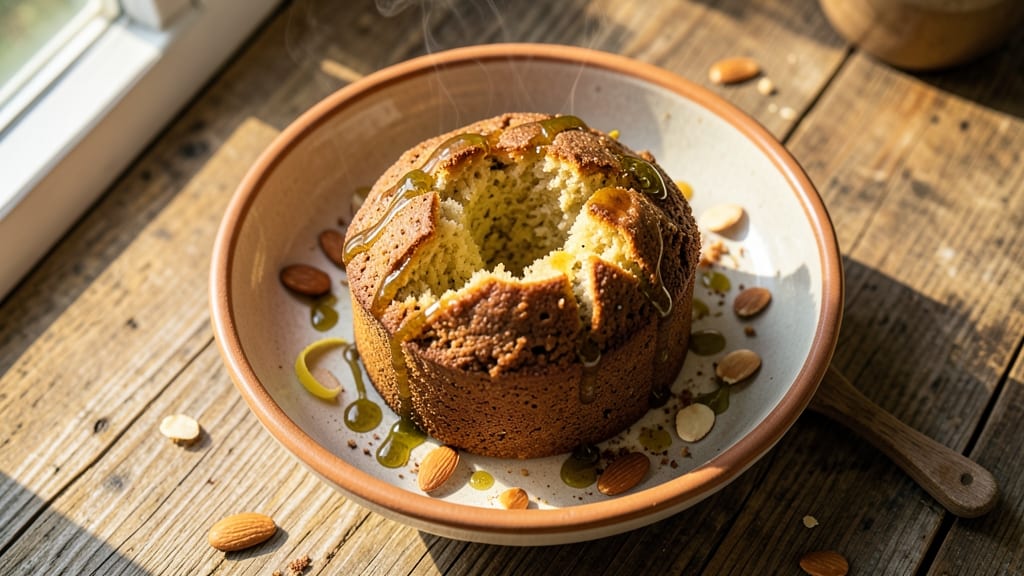
This almond flour soda bread recipe delivers a nutty crunch and light, airy texture without a single grain of gluten. The secret lies in balancing almond flour's density with soda's traditional lift, creating a loaf that's both hearty and delicate.
I developed this version after struggling to find a gluten-free soda bread that didn't turn out dense or dry—this one rises beautifully while keeping that signature crumb.
The magic happens with a foolproof method that incorporates almond flour's natural oils for moisture while using baking soda for that classic soda bread rise. Unlike traditional recipes, this version requires no kneading or resting, making it perfect for busy weeknights.
The result? A loaf with a golden crust, tender interior, and subtle almond flavor that pairs perfectly with soups, stews, or as a standalone snack.
What sets this apart is how the almond flour transforms the texture—lighter than stone-ground versions but with a satisfying chew. The recipe includes tips for achieving the perfect rise, including proper mixing techniques and oven temperature control.
Once baked, the bread stays fresh for days when stored properly, making it ideal for meal prep or gifting.
Whether you're gluten-free, nut-conscious (use sunflower seed flour instead), or simply craving something different, this recipe delivers restaurant-quality results at home. The nutty depth and crisp edges make it unforgettable—ready in just 60 minutes with minimal effort. Let's get baking!
Ingredients for almond flour soda bread
Balancing almond flour's density with traditional soda bread lift—just twelve ingredients for a loaf that's both hearty and delicate.
| Ingredient | Amount | Notes |
|---|---|---|
| Almond Flour 🌰 | 3 cups | Finely ground, unsweetened |
| All-Purpose Flour 🌾 | 1 cup | Gluten-free blend preferred |
| Baking Soda 🧂 | 1 ½ tsp | Freshly measured |
| Apple Cider Vinegar 🍎 | 1 tbsp | For activation |
| Extra-Virgin Olive Oil 🫒 | ½ cup | Cold-pressed for flavor |
| Pure Maple Syrup 🍁 | ¼ cup | Grade A or higher |
| Ground Flaxseed 🌾 | 1 tbsp | For binding |
| Filtered Water 💧 | ¾ cup | Room temperature |
| Sea Salt 🧂 | 1 tsp | Fine grain preferred |
| Vanilla Extract 🌿 | 1 tsp | Pure vanilla |
| Sunflower Seed Flour 🌻 | ½ cup | Nut-free alternative |
| Nutritional Yeast 🧀 | 1 tbsp | For cheesy flavor |
The almond flour is non-negotiable here—Bob's Red Mill or Anthony's Goods are gold standards, but any finely ground, unsweetened variety works. Sunflower seed flour is your nut-free backup, though it'll lack that signature crunch. Measure the baking soda last to preserve its potency, and if you're using a pre-mixed gluten-free flour blend, King Arthur or Cup4Cup will give you the best texture. The olive oil should be cold-pressed; anything else tastes flat. For the maple syrup, Grade A ensures proper sweetness without overpowering the almond flavor.
No almond flour? Sunflower seed flour is the only true substitute, though it'll alter the texture slightly. Running short on baking soda? Baking powder at half the amount works in a pinch, but the rise won't be as pronounced. The vanilla extract can be swapped for vanilla bean paste> if you're feeling fancy, though pure extract is fine. For a deeper nutty flavor, toast the almond flour at 350°F for 5 minutes before mixing—worth the extra minute for that restaurant-quality aroma. The flaxseed is crucial for binding; don't skip it unless you're using an egg substitute like aquafaba.
This loaf keeps beautifully—3 days> at room temperature wrapped in a clean kitchen towel, or 1 week> in the fridge sealed in an airtight container. For longer storage, slice and freeze portions for up to 3 months>. Reheat slices in a 350°F oven for 5 minutes to restore crispness. The bread's texture improves slightly after the first day, so bake extra if you can. It also freezes exceptionally well as a whole loaf—thaw at room temperature for 2 hours before slicing.
Why You'll Love This Recipe
- No-Mix Magic: I swear by the vinegar trick here—just stir in the apple cider vinegar and olive oil, let it sit, then fold in the flours. No stand mixer, no overworking, just a bowl and a spoon. Honestly, I’ve made this while chatting on the phone.
- Nutty-Good Crust: That crispy almond crust? It’s the star. The toasted almond flour gives it a buttery, almost biscuit-like edge, while the olive oil keeps it tender inside. I’ll be real: my husband steals slices straight from the pan when it’s hot.
- Weeknight Wonder: This bread is my go-to for quick lunches, sandwiches, or even toast with jam. The baking soda lift means it’s light enough to eat plain, but hearty enough to hold up to charcuterie boards. (Yes, even on a Tuesday night.)
- Leftovers That Last: A loaf keeps perfectly for days—no soggy middle, no weird aftertaste. I’ve had this last me five days, sliced thin for toast or stuffed with cheese for a lazy dinner. Budget-friendly? Absolutely. Waste-free? Even better.
Step-by-step instructions for almond flour soda bread
This gluten-free bread delivers a tender crumb and nutty richness without traditional rising agents.
Combine Wet Ingredients for Optimal Texture
In a medium bowl, whisk together the 0.5 cup extra-virgin olive oil, 0.25 cup pure maple syrup, and 1 tbsp apple cider vinegar until fully emulsified. The vinegar will react with the maple syrup, creating a subtle tang that balances the sweetness. Add the 1 tbsp ground flaxseed and 0.75 cup filtered water, then stir until the flaxseed forms a gel-like consistency—this acts as our natural binder.
Next, incorporate the 1 tsp vanilla extract and 1 tbsp nutritional yeast, whisking until smooth. The nutritional yeast adds a cheesy depth that complements the almond flour's natural nuttiness. Let this wet mixture sit for 5 minutes while you prepare the dry ingredients—this resting period ensures even distribution of flavors.
Mix Dry Components for Perfect Structure
In a separate large bowl, sift together the 3 cups almond flour, 1 cup all-purpose flour, 0.5 cup sunflower seed flour, 1.5 tsp baking soda, and 1 tsp sea salt. The baking soda will activate when combined with the wet ingredients, creating lift without gluten. Use a whisk to break up any flour clumps—this prevents dense pockets in the finished bread.
Create a well in the center of the dry mixture and pour in the wet ingredients. Using a rubber spatula, gently fold everything together until just combined—overmixing develops gluten in the all-purpose flour, which we want to minimize. The dough will be thick and sticky, resembling wet sand. This texture is normal and essential for the bread's moist crumb.
Prepare the Pan and Shape the Dough
Preheat your oven to 350°F and line a 9x5-inch loaf pan with parchment paper, allowing the ends to overhang for easy removal. Lightly grease the parchment with olive oil to prevent sticking. Transfer the dough to the prepared pan, spreading it evenly with your hands—press gently but firmly to fill all corners of the pan.
The dough won't rise significantly like traditional soda bread, so shaping is critical. Use the back of your spatula to create a slight crosshatch pattern on top—this both enhances visual appeal and allows steam to escape during baking. Spritz the top lightly with water and sprinkle with an additional pinch of sea salt for extra flavor contrast.
Bake Until Golden and Internal Temp is Perfect
Place the prepared loaf pan in the center rack of your preheated oven and bake for 45-50 minutes, until the top is deep golden brown and a toothpick inserted into the center comes out clean. The bread's exterior should develop a crisp texture while maintaining a tender interior—this balance is what makes almond flour breads special.
I recommend checking for doneness at the 40-minute mark—every oven varies, and almond flour breads can dry out if overbaked. When you remove it from the oven, the bread will still feel slightly warm to the touch. Let it cool in the pan for 10 minutes before transferring to a wire rack. This resting period prevents cracking and allows the crumb to set properly.
Slice and Serve for Maximum Freshness
Once completely cooled, use a sharp serrated knife to slice the bread into ½-inch thick pieces. The knife should glide through cleanly without tearing the crumb. Serve the bread warm or at room temperature—it reheats beautifully in a 350°F oven for 5-8 minutes if needed.
This almond flour soda bread keeps well at room temperature for 3 days wrapped in a clean kitchen towel to maintain freshness. For longer storage, slice and freeze individual portions—when toasted from frozen, the bread develops an even more intense nutty flavor. The combination of sunflower seed flour and nutritional yeast gives it a subtle depth that pairs beautifully with soups, spreads, or simply enjoyed on its own.
Pro Tips For Making Almond Flour Soda Bread
- Mix Vinegar Last: The apple cider vinegar is your leavening lifeline—don’t add it until just before shaping. I learned this after one batch collapsed like a sad soufflé because the baking soda had too much time to fizz out before baking. Stir it in the bowl right before folding in the wet ingredients, then work fast.
- Sift the Almond Flour: Yes, even almond flour clumps like a teenager ignoring house rules. Give it a good sift with your regular flour to avoid dense, heavy bread. I used to just dump it in, and the texture suffered—like eating a brick with crumbs. A quick sift also aerates it, which matters more than you’d think.
- Skip the Overmixing: This dough is stubborn. Once you fold in the wet ingredients, stop stirring the second everything comes together—no need to "make sure it’s mixed." Overworking it turns the crumb into a sad, gummy mess. My first batch was a chewy disappointment because I kept stirring like I was kneading pizza dough.
- Preheat Pan and Oven: Cold pans = uneven baking. Toss your loaf pan in the oven with the bread while it preheats—just 2-3 minutes—so it’s piping hot when the dough goes in. I was skeptical until I tried it: the crust browns faster, and the bread rises more evenly. (Yes, even if you’re impatient like me.)
Pro cooking tips for this recipe
Mixing Technique Matters
Almond flour absorbs moisture differently than traditional flours, so avoid overmixing—the dough should look like wet sand when combined. Use a rubber spatula to gently fold the wet ingredients into the dry mixture just until no dry spots remain.
Overmixing activates gluten in the all-purpose flour, creating a tougher crumb. I find the dough is ready when it holds together when pressed but still feels slightly sticky—this ensures maximum tenderness. 🌰
Dough Consistency Secrets
The dough will be thicker than traditional soda bread due to almond flour's high fat content. If it feels too dry, add 1 tablespoon of filtered water at a time until it reaches a cohesive, spreadable consistency.
Too wet? Sprinkle in 1 tablespoon of extra almond flour to absorb excess moisture. The ideal texture should cling slightly to your fingers but still be workable—this balance prevents cracks during baking.
Pan Prep for Perfect Rise
Line your 9x5-inch loaf pan with parchment paper, leaving overhangs for easy removal. Lightly grease the parchment with extra-virgin olive oil—this prevents sticking and creates a crisp bottom crust. Press the dough firmly into the corners of the pan to eliminate air pockets, which can cause uneven baking.
The crosshatch pattern on top isn't just decorative—it helps steam escape evenly, preventing a dense center. ✨
Oven Temperature Control
Preheat your oven to 350°F and place the loaf pan in the center rack for even heat distribution. Almond flour breads bake faster than traditional loaves, so check for doneness at 40 minutes—the internal temperature should reach 205°F at the center.
If the top browns too quickly, tent loosely with foil to prevent over-browning while maintaining a tender crumb. A toothpick test is your best friend here.
Resting Prevents Cracks
Never slice the bread immediately after baking—let it cool in the pan for 10 minutes, then transfer to a wire rack to cool completely. This resting period allows the crumb to set properly, preventing cracks and ensuring clean slices.
I've ruined many loaves by slicing too soon, so patience here pays off in texture. For extra flavor, brush the warm loaf with a little maple syrup or melted coconut oil before serving. 💫
Storage for Maximum Freshness
Wrap cooled bread in a clean kitchen towel and store at room temperature for up to 3 days—the towel traps moisture while allowing airflow. For longer storage, slice and freeze portions in an airtight container for up to 3 months.
To reheat, toast slices in a 350°F oven for 5-8 minutes until crispy. The bread actually improves slightly after the first day as the flavors meld together—perfect for meal prep! ❄️
Nutrition facts
Frequently asked questions
Why does this almond flour bread need baking soda instead of yeast?
Unlike traditional soda bread, this recipe relies on baking soda for quick chemical leavening rather than yeast fermentation. The baking soda reacts with the acidic apple cider vinegar to create bubbles that lighten the crumb, while almond flour's natural oils help maintain moisture without needing gluten development. This method delivers a tender texture in just 45-50 minutes—perfect for busy weeknights!
Can I make this nut-free? What's the best sunflower seed flour substitution?
Yes! Replace the 3 cups almond flour with 3 cups sunflower seed flour (like Bob's Red Mill) and reduce the all-purpose flour to ½ cup. The texture will be slightly denser but still delicious. For extra moisture, add 1 extra tablespoon of olive oil. The sunflower seed flour brings a mild earthiness that pairs beautifully with the maple syrup's sweetness.
My bread turned out dense—what went wrong?
Dense bread usually means overmixing or insufficient leavening. First, check your baking soda—it must be fresh (test by mixing with water; bubbles = good). Second, avoid overmixing the dough (just combine until no dry spots remain). Finally, ensure your oven is fully preheated to 350°F and the pan is properly lined/greased. If all else fails, try adding ½ tsp extra baking soda> next time for better lift.
How can I make this bread sweeter or more flavorful?
For extra sweetness, add 1-2 tablespoons of maple syrup> or drizzle warm bread with melted butter (or coconut oil). For deeper flavor, toast the almond flour at 350°F for 5 minutes> before mixing, or sprinkle the top with flaky sea salt> and everything bagel seasoning> before baking. The nutritional yeast already adds a cheesy note, but you can boost it with an extra 1 teaspoon> if desired.
Is this bread safe for nut allergies if I use sunflower seed flour?
When using sunflower seed flour> as the only flour, this bread is nut-free and safe for most nut allergies. However, always check your sunflower seed flour label for cross-contamination warnings (some brands process in facilities with nuts). For absolute safety, bake in a dedicated nut-free kitchen or use certified allergy-free flours. The recipe's binding agents (flaxseed) are nut-free, so no additional substitutions are needed.