
Side Dishes
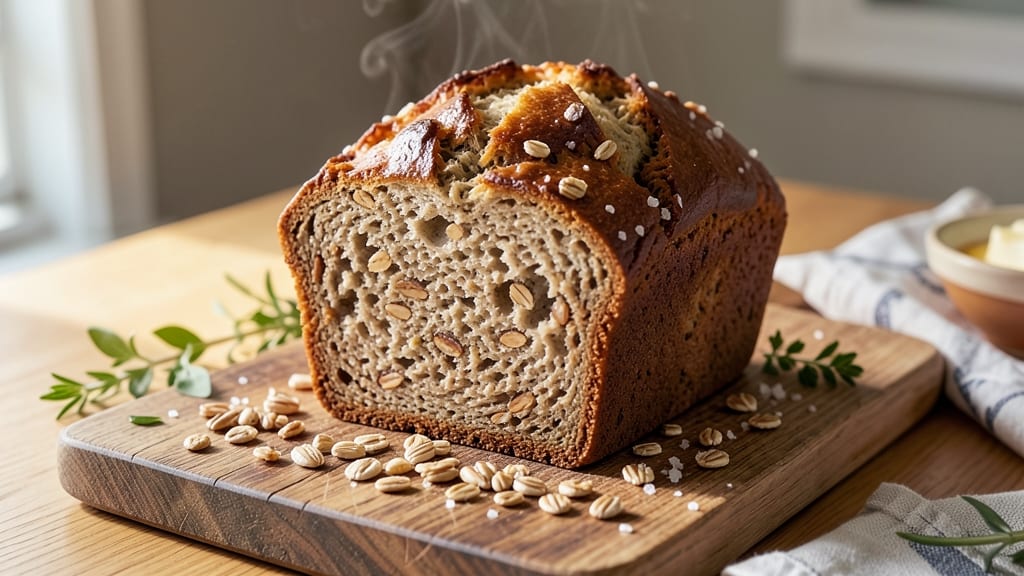
Alton Brown's oat bread recipe delivers that perfect balance of fluffy crumb and nutty depth that makes every bite satisfying. 💛 The secret lies in combining rolled oats with a precise yeast-leavened dough, creating a texture that's both hearty and tender.
This recipe has become a staple in my kitchen—not just for its deliciousness, but for its reliability, especially when paired with soups or served alongside breakfast.
The process starts with a simple yet structured approach: mixing dry ingredients first, then gradually incorporating wet ingredients to avoid overmixing. Kneading just until smooth ensures the gluten develops enough to hold the bread's shape while keeping the crumb light.
Proofing at the right temperature is critical—too cold, and it takes forever; too warm, and it can overproof. The key is patience here, letting the dough rise until it nearly doubles in size.
Once baked at 375°F for about 30-35 minutes, the bread emerges with a golden crust and an irresistible aroma that fills the kitchen. The oats add a subtle nuttiness that pairs beautifully with butter or honey, making it versatile for any meal.
Whether you're serving it warm with soup or toasted for breakfast, this bread is a game-changer for any home baker.
For added flavor, consider incorporating honey, cinnamon, or even a handful of chopped nuts into the dough before baking. The variations are endless, but the foundation remains the same: a foolproof method that delivers restaurant-quality results every time. Let's get started on creating this perfect loaf.
Ingredients for alton brown oat bread
These simple yet deliberate ingredients create Alton Brown's signature oat bread with perfect texture and flavor.
| Ingredient | Amount | Notes |
|---|---|---|
| All-Purpose Flour 🌾 | 4 cups | Spooned and leveled measurement |
| Rolled Oats 🥣 | 1 cup | Old-fashioned, not quick oats |
| Active Dry Yeast 🍞 | 2 ¼ tsp | Ensure yeast is fresh |
| Granulated Sugar 🍚 | 1 tbsp | For yeast activation |
| Salt 🧂 | 1 ½ tsp | Kosher or sea salt |
| Whole Milk 🥛 | 1 cup | Warmed to 110°F |
| Unsalted Butter 🧈 | ½ cup | Softened to room temperature |
| Large Eggs 🥚 | 1 whole | Room temperature |
| Honey 🍯 | 1 tbsp | For subtle sweetness |
| Cornmeal 🌽 | ½ cup | For bread pan coating |
| Water 💧 | ¼ cup | Warm, not hot |
The rolled oats are non-negotiable here—they give that signature hearty texture. Bob's Red Mill or Quaker Old Fashioned are my go-tos, but any brand labeled 'old-fashioned' works. The yeast is critical: check the expiration date and use within 3 months for best results. For the milk, warming it to 110°F activates the yeast properly—too hot and you'll kill it. The butter should be softened but not melted; if it's too firm, microwave it for 20 seconds to loosen. Honey adds subtle sweetness, but don't substitute maple syrup unless you reduce it first—the moisture content differs.
No whole milk? Warm water with 1 tsp sugar works in a pinch, but the texture won't be quite the same. Short on butter? Vegetable oil at half the amount keeps things moist, though the flavor changes. The cornmeal coating isn't just for looks—it prevents sticking and adds a slight crunch. If you're feeling fancy, toast the oats for 5 minutes before mixing to deepen their flavor. For the egg, room temperature is key—it helps the dough come together smoothly. And if you're curious, the 1/4 cup warm water is there to help hydrate the flour properly, especially if your kitchen is dry.
This dough is a patient one—let it rise until it nearly doubles in size, which should take about 1 to 1.5 hours in a warm spot. Store any extra dough in an airtight container in the fridge for up to 24 hours, or freeze it for 3 months by wrapping it tightly in plastic. The baked bread keeps well at room temperature for 2 days, but it's best enjoyed fresh. For longer storage, slice it and freeze the pieces—just toast straight from frozen. The honey in the dough adds a subtle sweetness that pairs beautifully with butter, making this bread perfect for breakfast or soup accompaniment.
Why You'll Love This Recipe
- No-Fuss Mix-In: I swear by this recipe because it’s the kind of dough you can toss together while waiting for the yeast to bloom. Just flour, oats, yeast—no fancy add-ins required, and the rolled oats give it that satisfying chew without extra effort.
- Sweet-Savory Balance: That touch of granulated sugar isn’t just for show—it rounds out the bread’s earthy oat flavor while keeping it light. Honestly, it’s the kind of bread that’s almost dessert, but not quite.
- Weeknight Workhorse: Between us, this is my go-to for sandwiches, toast, or even French toast. The dense texture holds up to everything—jam, butter, or even a hearty peanut butter and banana mashup—without falling apart.
- Budget-Friendly Staple: Five ingredients, zero waste. The oats stretch the dough, the yeast does all the work, and leftovers toast up like new. I’ve made a loaf for under $2, and it lasts me all week.
Step-by-step instructions for alton brown's oat bread
Here's the method that delivers that signature nutty depth and fluffy crumb we love.
👨🍳 Step 1: Activate the Yeast and Mix Wet Ingredients
In a small bowl, combine the 1 cup warm whole milk (110°F), 1 tbsp granulated sugar, and 2.25 tsp active dry yeast. Let it sit for 5-10 minutes until frothy—this tells you your yeast is alive and ready to work. If it doesn't bubble, your yeast may be dead, and you'll need to start over.
In a separate large bowl, whisk together the 1 whole large egg, 1 tbsp honey, and 0.5 cup softened unsalted butter until smooth and fully combined. This mixture should be creamy and homogeneous, with no visible butter lumps. The honey adds subtle sweetness while helping to tenderize the final bread.
👨🍳 Step 2: Combine Dry Ingredients and Build the Dough
In the bowl with the yeast mixture, gradually add the 4 cups all-purpose flour and 1.5 tsp salt while mixing with a wooden spoon or dough whisk. The flour will absorb the liquid, creating a shaggy dough that's still quite sticky at this stage.
Add the egg mixture to the flour and mix until a rough dough forms. Then incorporate the 1 cup rolled oats by hand, pressing them into the dough. The oats will add texture and that distinctive nutty flavor we're after. Turn the dough onto a lightly floured surface and knead for 8-10 minutes until smooth and elastic.
🔥 Step 3: First Rise and Shape the Loaf
Lightly grease a 9x5-inch loaf pan and sprinkle the bottom with 0.5 cup cornmeal—this prevents sticking and adds a subtle crunch to the bottom crust. Place the dough in the prepared pan and cover it with a clean kitchen towel.
Let the dough rise in a warm place for 1 to 1.5 hours or until it has doubled in size and reaches just above the top of the pan. You'll know it's ready when you poke it gently and the indentation springs back slowly. The warm environment helps the yeast activate properly, giving you that perfect rise.
🔥 Step 4: Bake to Golden Perfection
Preheat your oven to 375°F while the dough is rising. When the dough has doubled, place the loaf pan on the middle rack and bake for 35-40 minutes until the top is deep golden brown and sounds hollow when tapped on the bottom.
Here's the trick: I like to tent the loaf with aluminum foil after 20 minutes to prevent over-browning while still allowing it to cook through. The internal temperature should reach 190-200°F when done. Remove from the oven and let it cool in the pan for 10 minutes before transferring to a wire rack to cool completely.
⏰ Step 5: Rest and Slice for Maximum Flavor
While the bread cools, resist the urge to slice immediately—this is where the magic happens. Let it rest for at least 1 hour at room temperature. This resting period allows the gluten to relax and the crumb to set properly, resulting in a slice that's light and airy rather than dense.
Once cooled, slice the bread and serve. You'll notice the perfect combination of a crisp crust, tender crumb, and those delightful oat bits that add both texture and nutty depth. This bread keeps well at room temperature for 2-3 days or can be frozen for up to 3 months for fresh slices whenever you need them.
Pro Tips For Making Alton Brown Oat Bread
- TOAST THE OATS FIRST: I learned this the hard way—skipping the toasting step means your bread will taste bland and gummy. Spread the rolled oats on a baking sheet at 350°F (175°C) for 8-10 minutes until they’re golden and fragrant. The nutty depth is non-negotiable.
- WEIGH YOUR FLOUR LIKE A PRO: That "1 cup" measurement in your measuring cup isn’t foolproof—pack it too lightly, and your dough gets dry; pack it too tight, and it’s gummy. Use a kitchen scale for the all-purpose flour (usually ~450g for this recipe) for consistent, foolproof results. Yes, even if you’re impatient like me.
- LET THE DOUGH RISE TWICE: The first rise is obvious, but the second one—after shaping—is where most people rush. Give it a full 1-2 hours until it’s puffed and jiggly when poked. Skimping here means dense, chewy bread instead of the light, airy texture you’re after.
- USE COLD WATER FOR YEAST: Mix your yeast with cold water (not warm) to avoid overproofing while you’re measuring other ingredients. Once everything’s combined, let it sit for 5 minutes—if it’s bubbly, you’re good to go. If not, your yeast might be dead, and you’ll end up with flat disappointment.
Dietary considerations for this recipe
Gluten-Free Adaptation
For a gluten-free version, replace the 4 cups all-purpose flour with a 1:1 gluten-free baking flour blend like King Arthur Measure for Measure or Bob's Red Mill 1-to-1. Add 1 extra tbsp xanthan gum to mimic gluten's binding properties.
The dough will be stickier, so use wet hands when handling it. Proofing time may extend to 2 hours due to slower fermentation in gluten-free flours. Bake at 350°F for 40-45 minutes—the center should reach 190-200°F. 💪
Vegan Substitutions
Swap the whole milk for unsweetened almond milk warmed to 110°F and replace the 1 egg with 1 tbsp ground flaxseed mixed with 3 tbsp water (let it sit for 5 minutes to thicken). Use vegan butter (like Miyoko's) instead of unsalted butter.
The yeast activation step remains the same, but the dough may require 5 extra minutes of kneading to develop structure. Proofing and baking times stay identical. ✨
Low-Sugar Option
Reduce the 1 tbsp granulated sugar to ½ tbsp and omit the 1 tbsp honey entirely. Instead, add ½ tsp vanilla extract for depth. The dough will still rise well, though the flavor profile shifts slightly toward savory.
This version pairs beautifully with tomato soup or sharp cheeses like aged cheddar. The texture remains light, just without the subtle sweetness. 🍯
Nut-Free Version
Skip the rolled oats and replace them with ½ cup crushed cornflakes or 1 cup finely chopped dried apricots for moisture and texture. Add 1 tsp cinnamon if using fruit to enhance sweetness.
The dough will be slightly drier, so mix in 1 extra tbsp warm water if needed. Bake as usual—this version works well for those with nut allergies while keeping the hearty texture. 🌾
Dairy-Free Adjustments
Use coconut milk (full-fat, warmed) instead of whole milk and olive oil instead of butter. The dough will be slightly richer, so reduce the 1 tbsp honey to ½ tbsp to balance.
Proofing time remains the same, but the crust may brown faster—watch closely after 30 minutes in the oven. The flavor leans earthier, perfect for herb-based soups or avocado toast. 🥛
Allergy-Friendly Tips
Always check labels for cross-contamination warnings if allergies are a concern. For egg-free versions, ensure your gluten-free flour blend includes xanthan gum. If avoiding dairy, opt for nutritional yeast (½ tsp) to add a cheesy note.
Store baked bread in an airtight container with a slice of bread clip to maintain freshness. Label all substitutions clearly to avoid mix-ups in shared kitchens. 💡
Nutrition facts
Frequently asked questions
Why does Alton Brown's oat bread need a first rise?
The first rise allows the yeast to activate fully and develop flavor, creating that signature light, airy crumb. Without it, the bread would be dense and lack the proper texture. The warm environment (like a turned-off oven with a bowl of hot water) helps speed up fermentation, giving you that perfect rise in about 1 to 1.5 hours.
Can I make this bread without a loaf pan?
Yes! Shape the dough into a round or oval and place it on a parchment-lined baking sheet. Brush with melted butter before baking for a crispier crust. The baking time may increase to 40-45 minutes since the edges won't be confined. For extra flavor, sprinkle with coarse salt or everything bagel seasoning before baking.
What if my dough doesn't rise after the first proofing?
Cold temperatures or dead yeast are the most common culprits. Try placing the dough in a warmer spot (like near a turned-off oven with the light on) for 30-60 minutes to encourage rising. If the yeast didn't activate during the initial step (no bubbles), replace it with fresh yeast and start over. The dough should visibly expand and feel springy when gently pressed.
How do I store leftovers to keep them fresh?
Wrap the cooled loaf tightly in plastic wrap or place it in an airtight container. Store at room temperature for 2-3 days or freeze sliced pieces for up to 3 months. To revive frozen slices, toast directly from frozen—no thawing needed! For extra freshness, sprinkle a little cornmeal on the cut surface before wrapping to prevent drying.
Can I add extras like nuts or seeds to this recipe?
Fold in ½ cup chopped walnuts, pecans, or sunflower seeds during the kneading step. For seeds, toast them lightly first to enhance flavor. If using nuts, soak them in warm water for 10 minutes first to prevent them from absorbing too much moisture from the dough. Start with small amounts—too many can make the bread dense.