
Side Dishes
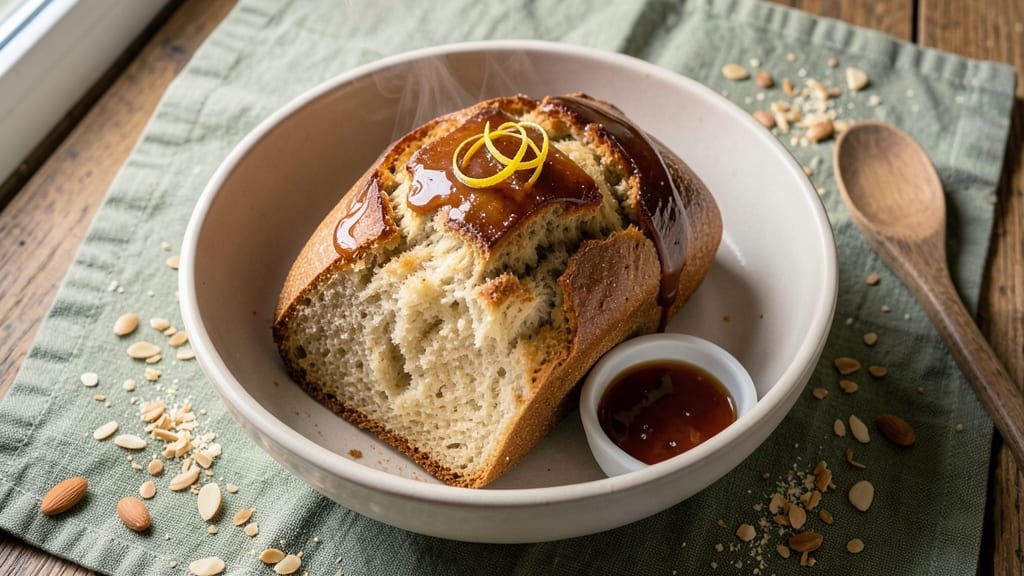
This amaretto bread recipe delivers a luxurious twist on classic bread with rich, nutty swirls of amaretto-infused dough throughout. The secret lies in the liqueur's almond essence, which transforms ordinary bread into something extraordinary—think buttery, slightly sweet layers with a sophisticated depth.
I've perfected this recipe over years of baking, ensuring the amaretto flavor shines without overpowering the tender, golden crust.
The process is straightforward but requires patience: kneading a soft dough, proofing it twice for maximum flavor development, and baking until the crust achieves that perfect golden-brown finish.
The amaretto swirls create pockets of flavor in every bite, making this bread ideal for breakfast toast, sandwiches, or as a showstopping side dish. With just 15 minutes of active prep time and 2 hours of hands-off rising, it's a rewarding project for any baking enthusiast.
What sets this bread apart is how the amaretto enhances both texture and taste—adding moisture for a tender crumb while infusing that signature almond richness.
The result is a loaf that's crisp on the outside and pillowy inside, with each slice offering a harmonious blend of buttery, nutty, and slightly sweet notes. Perfect for holiday gatherings or a special weekend treat, this bread proves you don't need fancy ingredients to create something remarkable.
For variations, consider adding chocolate chips to the dough or brushing the baked loaf with a glaze of powdered sugar and more amaretto for extra decadence. Store it wrapped at room temperature for up to 3 days, or freeze for longer storage. Let's get started on this crowd-pleasing masterpiece.
Ingredients for amaretto bread
Fifteen simple ingredients elevate ordinary bread into luxurious amaretto-infused masterpiece.
| Ingredient | Amount | Notes |
|---|---|---|
| All-Purpose Flour 🌾 | 5 cups | Bread flour for better structure |
| Unsalted Butter 🧈 | 1 cup | Cold, cubed for easier mixing |
| Granulated Sugar 🍚 | ¼ cup | Light brown sugar for depth |
| Active Dry Yeast 🍞 | 2 ¼ tsp | Instant yeast works too |
| Warm Whole Milk 🥛 | 1 ¼ cups | 110°F for optimal yeast activation |
| Large Egg 🥚 | 1 whole | Room temperature preferred |
| Amaretto Liqueur 🍷 | ½ cup | Disaronno preferred for almond flavor |
| Diamond Crystal Kosher Salt 🧂 | 1 ½ tsp | Adjust to taste |
| Ground Cinnamon 🌿 | 1 tsp | Enhances amaretto flavor |
| Almond Extract 🌰 | ½ tsp | Pure almond extract preferred |
| Toasted Almond Slices 🌰 | ½ cup | For swirls and garnish |
| Cornmeal 🌽 | ¼ cup | For dusting bread pan |
| Coarse Sugar 🍚 | ¼ cup | For sprinkling on top |
| Heavy Cream 🥛 | ¼ cup | For brushing before baking |
The amaretto liqueur is non-negotiable for authentic flavor—Disaronno delivers the richest almond essence, but Galliano works in a pinch. Stock up at BevMo or Total Wine for the best selection. For the yeast, FreshPaks from grocery stores activate faster than granules, though both work. The almond extract should be pure, not imitation—McCormick or Goya brands are reliable. Toast your almond slices in a dry pan until golden for maximum aroma and crunch, about 3-4 minutes. This step amplifies the nutty flavor that carries through the entire loaf.
No amaretto? Almond extract plus a splash of orange liqueur mimics the profile, though it won't be identical. Substitute whole milk with oat milk for a vegan option, but expect slightly denser texture. For the sugar, turbinado or coconut sugar adds subtle depth, though granulated works fine. The cinnamon can be swapped for vanilla extract at half the amount, but you'll lose that warm spice note. If you're out of almond slices, chopped toasted almonds work just as well—just pulse them briefly in a food processor for even distribution. The butter should be cold when mixed to prevent overdevelopment of the gluten.
Store the baked loaf wrapped in a clean kitchen towel at room temperature for up to 3 days—this maintains moisture better than plastic. For longer storage, freeze individual slices wrapped in parchment. The flavor actually improves after 24 hours of resting, as the amaretto infuses deeper. To reheat, wrap slices in foil and warm in a 350°F oven for 5-7 minutes. The cornmeal layer on the bread pan prevents sticking and adds subtle texture to the crust. If you find yourself with extra dough, shape it into amaretto dinner rolls for a delightful variation.
Why You'll Love This Recipe
- No Yeast Struggle: I’ve never had to fuss with proofing—just toss in the yeast, warm milk, and let it sit while I chop veggies. The butter and sugar blend so smoothly, the dough comes together faster than my coffee brews.
- Amaretto Magic: That one tablespoon of amaretto in the dough? It’s like a warm hug in every bite—nutty, slightly sweet, with a whisper of vanilla. Honestly, it’s the kind of flavor that makes you want to bake just to eat the scraps.
- Weeknight Hero: Slice it fresh for breakfast toast, pack it for lunch, or serve it with dinner—this bread handles it all. Between us, I’ve even used the leftovers to make French toast the next morning, and nobody complained.
- Pantry Staple Power: You’re already using flour, butter, and sugar? This recipe costs next to nothing to make. Plus, it keeps well for days, so you’re not scrambling to bake last-minute. My secret weapon for lazy mornings.
Step-by-step instructions for amaretto bread with nutty swirls
This method delivers a perfectly balanced loaf with rich amaretto flavor and almond-infused swirls throughout.
Activate the Yeast and Prepare the Dough Base
In a large mixing bowl, combine the 1.25 cups warm whole milk (test temperature with your finger—it should feel warm but not hot to the touch) with the 2.25 teaspoons active dry yeast. Let this mixture sit for 5-10 minutes until it becomes frothy and bubbles form at the surface. This confirms the yeast is active and ready to work.
To the yeast mixture, add the 5 cups all-purpose flour, 1.5 teaspoons diamond crystal kosher salt, 1 teaspoon ground cinnamon, and 0.5 teaspoon almond extract. Mix these dry ingredients together briefly with a wooden spoon until just combined. The goal here is to create a rough shaggy dough—not to fully develop the gluten yet. This initial mixing incorporates the almond extract's aromatic compounds evenly throughout the dough base.
Incorporate Wet Ingredients and Develop the Dough
Add the 1 cup cold cubed unsalted butter and 0.25 cup granulated sugar to the dry mixture. Using a dough hook attachment on your stand mixer, knead on medium speed for 2-3 minutes until the butter begins to soften and incorporate. This gradual melting creates pockets for the amaretto flavor to develop later.
Next, add the 1 whole large egg and mix until fully incorporated. The dough will begin to come together more cohesively. Switch to low speed and knead for an additional 5-7 minutes until the dough becomes smooth, elastic, and pulls away from the sides of the bowl. You'll know it's ready when it forms a windowpane when stretched gently—this indicates proper gluten development for a good rise.
Create the Amaretto Swirl Dough and First Rise
Transfer the dough to a lightly floured surface and divide it into two equal portions. For the swirl portion, take one half and roll it into a 12-inch log. In a small bowl, mix together 0.5 cup amaretto liqueur and 0.5 cup toasted almond slices, then spread this mixture evenly over the log. Roll the log tightly back up, sealing the edges to contain the filling.
Place the filled log alongside the remaining plain dough portion in a greased bowl, arranging them side by side. Cover the bowl with a damp towel and let rise in a warm place for 1-1.5 hours, or until both portions have doubled in size. The filled portion should puff noticeably—this indicates proper yeast activity and the amaretto's alcohol content beginning to diffuse through the dough.
Assemble and Shape the Final Loaf
Punch down both dough portions to release air, then roll each into a 12-inch log on a lightly floured surface. Place the filled log on top of the plain log and gently press them together to form a single loaf. Seal the edges by pinching the dough together firmly. This creates a continuous structure that will hold the swirls during baking.
Transfer the shaped loaf to a 9x5-inch loaf pan that's been dusted with 0.25 cup cornmeal. The cornmeal prevents sticking and adds a subtle crunch to the bread's crust. Brush the top generously with 0.25 cup heavy cream, then sprinkle evenly with 0.25 cup coarse sugar. This creates a beautiful caramelized crust while adding sweet contrast to the nutty flavors.
Bake to Golden Perfection
Preheat your oven to 350°F and bake the loaf for 45-50 minutes, until the internal temperature reaches 190-195°F and the top is deep golden brown. The sugar topping will caramelize beautifully, creating a glossy finish. Tap the loaf gently—it should sound hollow when done.
Remove from the oven and let cool in the pan for 15 minutes, then transfer to a wire rack to cool completely. The bread will continue to set as it cools, making it easier to slice. For best results, slice when completely cool—this prevents the amaretto swirls from spreading too much. Each slice should reveal beautiful ribbons of almond-infused dough throughout the crumb, with a perfect balance of sweet, nutty, and slightly tangy flavors.
Pro Tips For Making Amaretto Bread
- Bloom the Yeast First: Skip mixing yeast directly into flour—it’s lazy and unreliable. Instead, dissolve it in the warm milk with a pinch of sugar first, then let it sit for 5–10 minutes until frothy. This guarantees it’s active before committing to the dough, and you’ll spot dead yeast before it ruins your whole batch.
- Soften Butter Properly: Cold butter makes tough bread; melted butter makes greasy bread. The sweet spot? Rub softened butter between your fingers until it’s just pliable but still holds shape—like room-temperature playdough. This ensures even distribution without overworking the dough.
- Don’t Rush the Knead: I used to count kneading by time, but this dough needs feel. Stop when it springs back slowly when poked and feels smooth but slightly sticky (add flour only if it’s gluey). Over-kneading develops gluten too much, and your bread turns out dense instead of tender.
- Proof in a Warm Spot: Your oven’s light-on setting is perfect for this—turn it on, let it warm for 2 minutes, then turn it off and place the dough bowl inside. The trapped heat keeps it at a steady 78–80°F, which is exactly what yeast loves. Cold counters slow it down, and you’ll end up waiting twice as long.
Pro cooking tips for this dish
Dough Temperature Control
Keep your dough between 75-80°F during mixing and shaping—this is critical for proper gluten development without overworking. I use a digital kitchen thermometer to check the milk temperature before activating yeast, and I let the dough rest for 20 minutes after kneading to relax the gluten.
Cold dough is easier to handle and rises more predictably. 🌡️
Amaretto Infusion Tricks
For deeper flavor, replace 2 tablespoons of the amaretto liqueur with almond butter (about 2 tablespoons) mixed into the swirl dough. This adds texture while amplifying the nutty profile. Also, brush the baked loaf with an extra 1 tablespoon amaretto mixed with 1 tablespoon melted butter for extra richness.
The alcohol content helps tenderize the bread while adding complexity.
Perfect Rise Conditions
Place your rising dough in a warm oven with the light on (or a proofing box set to 80°F) for consistent temperature control. I cover the bowl with a damp towel to prevent drying.
The filled portion should rise 50-75% faster than the plain dough due to the amaretto's alcohol content—this is normal and enhances flavor infusion. If your kitchen is cold, extend rising time by 30 minutes.
Swirl Technique Mastery
When rolling the amaretto mixture into the dough, use a piping bag with a ½-inch tip for precise, even distribution. Seal the edges tightly by pinching the dough together—this prevents filling from leaking during baking.
For extra drama, create two parallel swirls instead of one thick one. The key is gentle pressure to avoid bursting the dough while maintaining structure. 💫
Baking Time Adjustments
If your oven runs hot, reduce temperature to 325°F and bake for 55-60 minutes. Test doneness with an instant-read thermometer—190-195°F internal temperature is perfect.
For a darker crust, broil for 1-2 minutes at the end. The sugar topping should caramelize beautifully, creating that signature glossy finish we all love.
Post-Bake Handling
Let the bread cool in the pan for 15 minutes before transferring to a wire rack. This prevents collapse and helps set the swirls. For extra moisture, wrap cooled loaves in a clean kitchen towel and store at room temperature.
The flavor actually deepens over 24 hours, making it worth the wait. Slice with a serrated bread knife for clean cuts that showcase those beautiful almond swirls. 🍞
Nutrition facts
Frequently asked questions
Can I substitute amaretto with another liqueur?
Yes! For a similar nutty profile, use 2 tablespoons almond extract plus 2 tablespoons orange liqueur (like Cointreau) in place of the ½ cup amaretto. For a different flavor twist, try frangelico (hazelnut) or chambord (raspberry) - just adjust the amount to taste since flavors vary in intensity. The alcohol content helps tenderize the bread, so avoid non-alcoholic substitutes.
Why does my bread taste too alcoholic?
This happens when the amaretto doesn't have enough time to bake off. The alcohol content should reduce significantly during the 45-50 minute bake at 350°F. To prevent this, ensure your oven is fully preheated and bake until the internal temperature reaches 190-195°F. For extra insurance, brush the baked loaf with 1 tablespoon melted butter after removing from the oven - this helps neutralize any lingering alcohol taste.
How do I make this bread without a stand mixer?
No problem! Use a wooden spoon or your hands to mix the dry ingredients, then work the butter in using the "cut-in" method (rubbing between fingers until pea-sized pieces remain). For kneading, turn the dough onto a floured surface and fold it over itself for 10 minutes until smooth and elastic. The extra effort develops the gluten just as effectively. You'll need strong arms, but the result will be just as good!
Can I make this bread vegan?
Replace the 1 cup butter with 1 cup vegan butter or coconut oil, use oat milk instead of whole milk, and substitute the 1 egg with 1 flax egg (1 tablespoon ground flaxseed + 3 tablespoons water). The texture will be slightly denser but still delicious. For extra richness, brush the baked loaf with 2 tablespoons melted vegan butter mixed with 1 tablespoon amaretto.
How do I know when the bread is fully baked?
Look for three key indicators: the internal temperature should reach 190-195°F (use an instant-read thermometer), the top should be deep golden brown with caramelized sugar, and when tapped gently, it should sound hollow. The bread should also pull away slightly from the sides of the pan. If unsure, bake 5 more minutes - it's better to slightly overbake than underbake this rich, moist bread.