
Side Dishes
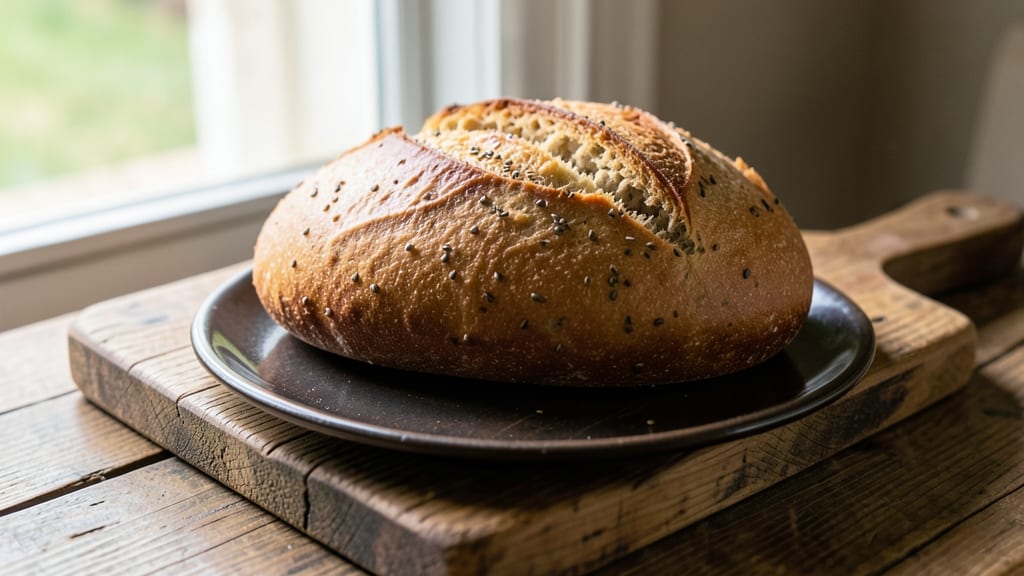
This American rye bread recipe delivers the perfect balance of hearty crust and tangy molasses depth—ideal for sandwiches, toast, or serving alongside hearty stews. The key lies in combining traditional rye flour with caraway seeds for that signature flavor, while a touch of molasses adds depth without overpowering.
I’ve perfected this recipe to ensure a dense yet crumbly texture with a crispy exterior that holds up beautifully.
The process begins with a simple yeast activation, followed by mixing and kneading the dough just enough to develop gluten without overworking it. Proofing is where the magic happens—allowing the dough to rise slowly at room temperature enhances flavor and creates that signature open crumb structure.
For an authentic touch, I recommend using a Dutch oven to trap steam during baking, which yields a crust so crisp it’s nearly impossible to resist.
Baking at 375°F for about 35-40 minutes ensures a golden-brown crust with a tender interior, while scoring the top before baking adds that rustic appeal. The result is a loaf that’s dense yet satisfying, with a subtle sweetness from the molasses and a warm, earthy note from the rye.
This bread keeps well for days, making it perfect for meal prep or gifting.
For those who prefer a lighter texture, consider substituting half the rye flour with whole wheat or even sourdough starter. The possibilities are endless, but the foundation remains the same: a rustic, flavorful loaf that’s as versatile as it is delicious. Let’s get started on baking yours!
Ingredients for american rye bread
Rustic rye flour, toasted caraway seeds, and rich molasses create the perfect foundation for this American classic.
| Ingredient | Amount | Notes |
|---|---|---|
| Active Dry Yeast 🍞 | ¼ tsp | Ensure yeast is fresh and active |
| Warm Water 💧 | ¼ cup | 110°F for yeast activation |
| Rye Flour 🌾 | 3 cups | Dark rye for authentic flavor |
| All-Purpose Flour 🌾 | 1 cup | For balanced texture |
| Whole Wheat Flour 🌾 | ½ cup | Substitutes half rye for lighter texture |
| Dark Brown Sugar 🍚 | ¼ cup | Enhances molasses depth |
| Unsalted Butter 🧈 | ½ cup | Cold, cubed for texture |
| Molasses 🍯 | ¼ cup | Use unsulphured for best flavor |
| Caraway Seeds 🌿 | 1 tbsp | Toasted for enhanced aroma |
| Salt 🧂 | 1 ½ tsp | Diamond Crystal preferred |
| Honey 🍯 | 1 tbsp | For yeast activation |
| Large Egg 🥚 | 1 whole | Room temperature preferred |
| Milk 🥛 | ½ cup | Warmed for dough elasticity |
The rye flour is non-negotiable for that signature dense texture and earthy flavor. King Arthur or Bob's Red Mill brands deliver consistent quality, but any dark rye flour will work. Caraway seeds should be toasted in a dry pan for 30 seconds to release their aromatic oils—Penzeys Spices sells whole seeds that work best. For the molasses, unsulphured is essential—sulphured varieties add a bitter aftertaste. If you can't find dark brown sugar, light brown sugar plus 1 tsp extra molasses works as a substitute. The yeast must be active: proof it in warm water with honey for 5 minutes before using.
No rye flour? Substitute with whole wheat or pumpernickel, though texture will differ slightly. Short on caraway seeds? Fennel seeds at half the amount provide a similar anise note. The butter can be swapped for vegetable shortening if you prefer a lighter loaf, though flavor will suffer. For a sweeter profile, increase molasses to 3 tbsp but reduce brown sugar by the same amount. The milk can be replaced with water or plant-based milk, though dairy adds richness. Always measure flour by spooning it into the cup and leveling—never scooping directly from the bag.
This dough benefits from slow fermentation. After mixing, let it rest at room temperature for 1 hour before shaping, which improves gluten development. The shaped loaf keeps 3-4 days wrapped in a clean kitchen towel at room temperature, or 1 week in the fridge. For longer storage, freeze the baked loaf in slices—3 months at peak freshness. Reheat slices in a 350°F oven for 5 minutes to restore crispness. The crust freezes beautifully, making this an excellent make-ahead option for holiday gifting.
Why You'll Love This Recipe
- No-Knead Magic: I swear by this—just toss the yeast into warm water, let it sit while you make coffee, then mix in those hearty flours. No stand mixer, no elbow grease, just a dough that practically shapes itself.
- Earthy & Toasty: That rye flour gives it a deep, almost nutty bite, while the whole wheat adds a subtle sweetness. Spread it with butter? Heaven. Toast it? Even better.
- Weeknight Workhorse: Use it for sandwiches, French toast, or even breadcrumbs—it’s my go-to for quick meals. Honestly, I make a loaf every Sunday and it lasts until Thursday.
- Pantry Staple: A single batch costs less than $3 and keeps for days. Freeze half for lazy mornings, and the rest? Perfect for reviving soups or soaking up gravy. Budget-friendly doesn’t get better.
Step-by-step instructions for American rye bread
This method delivers a dense, flavorful loaf with a deep molasses tang and satisfying crust.
Activate the Yeast and Mix the Wet Ingredients
In a small bowl, combine the 0.25 tsp active dry yeast, 0.25 cup warm water (110°F), and 1 tbsp honey. Let it sit for 5-10 minutes until frothy—this confirms your yeast is active and ready to work. If it doesn't bubble, your yeast may be old or the water too hot.
In a separate large bowl, whisk together the 0.25 cup molasses, 0.25 cup dark brown sugar, and 0.5 cup milk until fully dissolved. The mixture should be smooth with no graininess. This sweet base forms the foundation of your bread's signature depth.
Combine the Dough Ingredients
Add the 3 cups rye flour, 1 cup all-purpose flour, and 0.5 cup whole wheat flour to the wet ingredients. Mix with a wooden spoon until a shaggy dough forms. The rye flour will make this dough denser than traditional bread dough—don't worry if it looks dry at first.
Next, cut the 0.5 cup unsalted butter into small cubes and add them to the bowl. Use your fingers to work the butter into the dough until it begins to soften and incorporate. The butter will create pockets of flavor and contribute to the bread's tender crumb.
Knead the Dough Until Elastic
Transfer the dough to a lightly floured surface and knead for 8-10 minutes until smooth and elastic. The dough should be slightly tacky but not sticky—add small amounts of flour only if needed. The kneading develops gluten, which gives the bread structure to hold its shape during baking.
During kneading, you'll notice the dough becoming firmer as the gluten forms. It should pass the "windowpane test"—stretch a small piece thin enough to see light through it without tearing. This ensures proper texture for slicing later.
First Rise and Prepare for Shaping
Place the dough in a lightly greased bowl, cover with a damp towel, and let rise in a warm place for 1-2 hours or until doubled in size. The warm environment (around 75°F) helps activate the yeast. You'll see bubbles forming on the surface and the dough will feel light when pressed gently.
While the dough rises, toast the 1 tbsp caraway seeds in a dry skillet over medium heat for 1-2 minutes until fragrant. Let them cool completely before adding to the dough later. This enhances their aroma without burning them.
Shape, Proof, and Bake for Maximum Flavor
Punch down the risen dough to release air, then shape it into a loaf by folding the edges toward the center. Place it in a greased 9x5-inch loaf pan and cover again with a damp towel. Let it proof for another 30-45 minutes until it rises about 1 inch above the pan.
Preheat your oven to 375°F. Before baking, sprinkle the toasted caraway seeds and 1.5 tsp salt evenly over the dough. Bake for 50-55 minutes until the top is deep golden brown and an instant-read thermometer inserted in the center reads 190°F. The bread should sound hollow when tapped on the bottom.
Cool and Slice for Perfect Texture
Remove the bread from the pan and let it cool on a wire rack for at least 30 minutes. This resting period allows the internal structure to set, preventing a gummy crumb. The bread will continue to firm up as it cools, developing its final texture.
Slice the loaf with a serrated knife while still slightly warm for clean cuts. Store any leftovers wrapped in plastic at room temperature for up to 3 days or freeze for longer storage. The molasses and butter create a rich, satisfying flavor that improves slightly as it sits.
Pro Tips For Making American Rye Bread
- Bloom the Yeast First: Skip mixing dry yeast straight into the flour—dissolve it in the warm water with a pinch of sugar first, then let it sit for 5-10 minutes until frothy. I learned this the hard way when my rye dough took forever to rise because the yeast was hiding in the flour instead of activating properly.
- Soften Your Rye Flour: Rye flour is dense and absorbs liquid like a sponge. Mix it with the warm water first, then let it sit for 10 minutes before adding the rest of the ingredients. This prevents a gummy, heavy dough—trust me, your sandwiches will thank you.
- Don’t Over-Knead the Dough: Rye and whole wheat flour make the dough tough if you work it too much. Knead just until the ingredients come together—about 5-6 minutes by hand—then let the gluten relax during the first rise. Overworking it turns your bread into a chewy brick.
- Use a Dutch Oven for Crust: If you want that classic American rye crust (not a sad, pale loaf), bake it in a preheated Dutch oven with a lid for the first 20 minutes. The steam traps moisture while building a deep, caramelized crust—no fancy equipment, just better bread.
Wine and beer pairings for this dish
Classic American Lager
A crisp, light-bodied American lager like Bud Light or Coors Banquet complements this rye bread beautifully. The clean, slightly sweet profile cuts through the molasses depth while enhancing the caraway notes.
I recommend chilling your beer to 38-40°F—this temperature highlights its subtle malt sweetness without overpowering the bread’s robust flavors. 🍺
Dark Wheat Ales
For a bolder pairing, try a dark wheat ale such as Blue Moon Belgian White or Allagash White. The caramel and spice notes in these beers mirror the molasses and caraway in the bread, creating a harmonious balance.
Serve slightly chilled (42-45°F) to let the beer’s effervescence cleanse your palate between bites.
Rye-Inspired Sours
If you love tangy flavors, a rye-infused sour beer like Goose Island Rye Sour is a game-changer. The beer’s funky, slightly acidic profile echoes the bread’s molasses depth while adding a refreshing contrast.
Pair it with a slice of this rye on corned beef or pastrami for a match made in sandwich heaven.
Wine Pairings: Dry Reds
A dry red wine like Cabernet Sauvignon or Syrah stands up to the bread’s richness. The tannins in these wines help cut through the butter and molasses, while their dark fruit notes complement the caraway.
I prefer a California Cab with 14-15% ABV—just enough body to stand its ground without overpowering the bread’s rustic charm.
White Wine: Riesling
For a lighter option, an off-dry Riesling from Germany or Washington State adds a delightful contrast. The wine’s bright acidity and hints of peach or apricot balance the bread’s earthy rye and molasses.
Choose a Kabinett or Spätlese for a touch of sweetness that enhances the bread’s depth without clashing. ✨
Non-Alcoholic Options
Don’t drink alcohol? No problem! A sparkling apple cider like Martinelli’s or a ginger beer with a squeeze of lime works wonders. The effervescence and citrus notes refresh your palate, while the natural sweetness complements the molasses.
For a festive touch, serve the cider chilled in a coupe glass with a cinnamon stick. 🍎
Nutrition facts
Frequently asked questions
Why does my American rye bread turn out too dense or heavy?
Over-kneading or using too much rye flour can make the bread dense. Aim for 8-10 minutes of kneading and balance the 3 cups rye flour with 1 cup all-purpose flour for structure. Also, ensure your yeast is active—if it doesn’t bubble in 5 minutes with warm water and honey, start fresh. The butter and molasses add richness, so don’t skip them, but measure carefully!
Can I make this rye bread without a loaf pan?
Shape the dough into a round boule or freeform loaf on a baking sheet lined with parchment paper. For extra crispiness, bake in a preheated Dutch oven at 425°F for 30 minutes (covered), then uncover and bake another 15-20 minutes until golden. Brush the crust with water before baking for a shinier finish.
How do I store leftover rye bread to keep it fresh?
Wrap the cooled loaf tightly in plastic wrap or store it in an airtight container at room temperature for 3-4 days. For longer storage, freeze sliced bread in a sealed bag for up to 3 months. To revive stale slices, warm them in a 350°F oven for 5 minutes or toast in a pan with a pat of butter for that fresh-baked taste.
What’s the best way to substitute rye flour if I can’t find it?
Replace 1 cup rye flour with a mix of 0.75 cup whole wheat flour and 0.25 cup pumpernickel flour for a similar earthy flavor. For a lighter texture, use 1 cup whole wheat flour alone, but expect a slightly less dense result. If you’re avoiding gluten, a 1:1 gluten-free flour blend (like Bob’s Red Mill) works, though the crumb may be less open.
Can I add seeds or nuts to this recipe?
Yes! Fold in 0.5 cup chopped walnuts, pecans, or sunflower seeds during the final kneading stage. For extra crunch, sprinkle them on top before baking. Toast the seeds or nuts first to enhance their flavor—just 3-5 minutes in a dry pan over medium heat until fragrant. Avoid adding too many, or the bread may become dense.