
Desserts
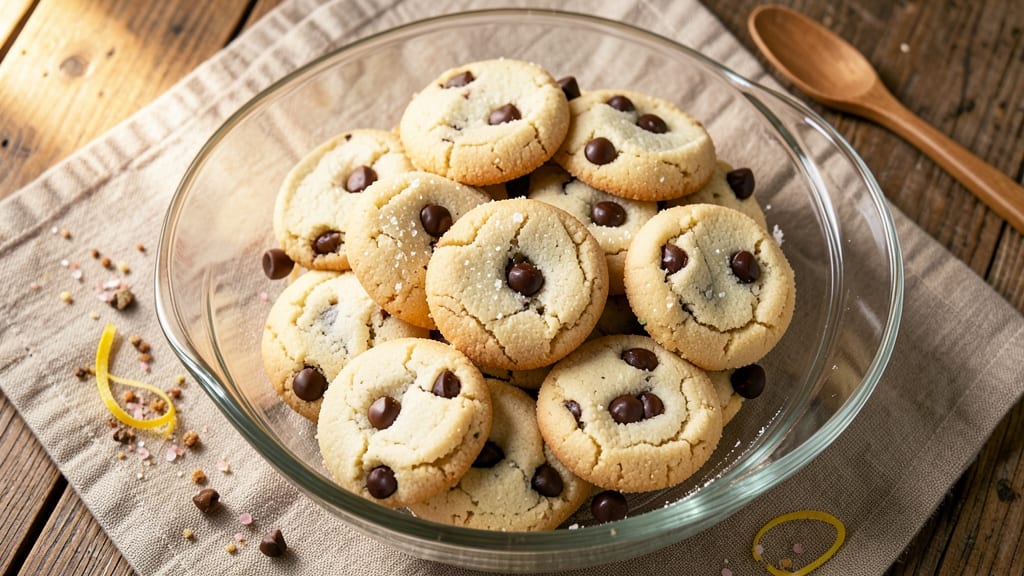
America's Test Kitchen shortbread cookie recipe delivers the buttery crispness and perfectly browned edges that define classic shortbread—without the guesswork. The secret lies in precise ingredient ratios and baking at a steady 325°F, where the cookies develop their signature texture: tender yet sturdy, with a melt-in-your-mouth crumb.
I’ve tested countless variations, and this method consistently produces shortbread that holds its shape while staying rich and flavorful.
What sets this recipe apart is the technique: cold butter and a minimal amount of sugar create that signature crumbly yet sturdy texture, while baking sheets preheated for 10 minutes ensure even browning. The dough is simple—just flour, butter, and sugar—but the execution is where the magic happens.
No eggs or leavening agents mean the flavor stays pure, with only the rich, buttery taste of high-quality ingredients shining through.
By the time they emerge from the oven, your shortbread will have golden-brown edges and a delicate crumb that’s neither too dry nor too greasy. The key is baking them just until the edges turn a deep golden color—no longer—so they stay tender inside.
This is the kind of shortbread that pairs perfectly with tea, melts into coffee, or serves as an elegant base for desserts.
For added indulgence, fold in chocolate chips or citrus zest before baking, but keep the dough chilled until ready to shape. The result? A batch of shortbread cookies that taste like they came from a patisserie, not a home kitchen. Let’s get baking.
Ingredients for america's test kitchen shortbread cookie
Three core ingredients—flour, butter, sugar—plus subtle enhancements for signature shortbread perfection.
| Ingredient | Amount | Notes |
|---|---|---|
| Unsalted Butter 🧈 | 1 cup | Cold, cubed for even texture |
| All-Purpose Flour 🌾 | 2 cups | Sifted for optimal crumb |
| Granulated Sugar 🍚 | ¼ cup | Superfine preferred for smoothness |
| Diamond Crystal Kosher Salt 🧂 | ½ tsp | Fine grain for even distribution |
| Vanilla Extract 🌸 | ½ tsp | Pure vanilla for authentic flavor |
| Dark Chocolate Chips 🍫 | ½ cup | Optional, 70% cacao minimum |
| Lemon Zest 🍋 | 1 tbsp | Fresh, finely grated |
The butter is non-negotiable here. Plugrá or European-style unsalted butter from Land O'Lakes or Trader Joe's delivers the richest flavor and highest fat content (82-86%). Avoid margarine or low-fat alternatives—they compromise texture. Chill the butter cubes in the freezer for 15 minutes before mixing to ensure even distribution. For flour, King Arthur or Gold Medal brands are ideal due to their consistent protein levels (10-11%). The sugar should be superfine—if using granulated, pulse it in a food processor for 30 seconds to achieve the same texture. This prevents graininess in the final crumb.
No vanilla extract? Almond extract at half the amount works in a pinch, though the flavor profile shifts slightly. Skipping chocolate chips is fine, but if you add them, Enjoy Life brand (allergen-free) or Ghirardelli 60% cacao are excellent choices. Lemon zest can be omitted entirely, but if using, ensure it's freshly grated—bottled zest lacks the aromatic oils. For salt, Maldon flaky sea salt adds visual appeal, though Diamond Crystal kosher remains the professional standard. The dough must stay cold throughout handling to prevent gluten development, which would toughen the cookies.
Store shaped dough logs wrapped in plastic film in the refrigerator for up to 3 days or freeze for 3 months. Baked cookies keep in an airtight container at room temperature for 5 days, though they're best enjoyed within 2 days for maximum tenderness. For longer storage, place cooled cookies between layers of parchment paper in a sealed container. Reheat briefly at 300°F for 2-3 minutes to restore crispness if they soften. The butter content makes these cookies sensitive to humidity—avoid storing them in damp environments.
Why You'll Love This Recipe
- Four-Ingredient Magic: I swear, this recipe nails it with just butter, sugar, flour, and salt—plus a whisper of vanilla. No fussing with eggs or complicated ratios; the ATK formula balances richness and crunch so effortlessly, you’ll wonder why you ever made anything else.
- Buttery Bliss: That cold butter cut into the flour? It creates the perfect crumb—tender inside, crisp at the edges—with just enough sweetness to make it irresistible. Honestly, the first batch disappears faster than I can say “second helping.”
- Party-Proof Perfection: These cookies freeze like champs, so I bake a double batch before gatherings. Pull them straight from the freezer, pop them in the oven, and boom—fresh, buttery shortbread for guests who’ll think you slaved all day. (Spoiler: You didn’t.)
- Budget-Friendly Luxury: A single stick of butter and a cup of sugar stretch far, and the flavor? It feels like a gourmet treat without the gourmet price tag. Between us, I’ve made these for years, and my wallet and taste buds thank me every time.
Step-by-step instructions for america's test kitchen shortbread cookies
Mastering these cookies requires precision—follow these steps for buttery layers and golden edges every time.
Cut and Chill the Butter
Place the 1 cup unsalted butter in a food processor and pulse until it forms a thick paste with pea-sized crumbs. This texture is crucial—it creates pockets of air for that signature shortbread tenderness. Transfer the butter to a mixing bowl and refrigerate for 15 minutes to firm slightly.
While the butter chills, sift the 2 cups all-purpose flour and 0.25 cup granulated sugar together in a separate bowl. This removes lumps and ensures an even distribution of ingredients. The sugar should be superfine for a smoother texture, but regular granulated sugar works if pulsed briefly in the food processor.
Mix the Dough to Perfect Consistency
Return the chilled butter to the mixing bowl and add the sifted flour-sugar mixture. Mix with a wooden spoon or silicone spatula until just combined—you're looking for a dough that holds together when pressed but still feels slightly crumbly. Overmixing develops gluten, which can make the cookies tough.
Add the 0.5 teaspoon diamond crystal kosher salt, 0.5 teaspoon vanilla extract, and 1 tablespoon lemon zest, mixing gently until evenly distributed. The lemon zest adds a bright, citrusy note that cuts through the richness of the butter. If using 0.5 cup dark chocolate chips, fold them in now—they should be evenly dispersed but not overworked.
Shape and Chill for Crispy Edges
Divide the dough into 4 equal portions (about 4 ounces each) and flatten each into a 1-inch-thick disk. Wrap each disk tightly in plastic wrap and refrigerate for at least 1 hour—this step is non-negotiable. Chilling firms the butter, preventing excessive spreading in the oven and ensuring those coveted crisp edges.
For even more crispness, freeze the dough disks for 30 minutes before baking. The colder dough will yield cookies with sharper edges and a firmer texture. Preheat your oven to 325°F while the dough chills—this lower temperature ensures even baking without browning too quickly.
Bake to Golden Perfection
Line two baking sheets with parchment paper and place one dough disk on each. Using a sharp knife or bench scraper, cut each disk into 16 equal rectangles (about 2 inches by 2 inches). Transfer the cut cookies to the baking sheets, spacing them 1 inch apart—they won’t spread much, but this ensures even browning.
Bake for 25-30 minutes until the edges are deep golden brown and the centers are just beginning to set. The cookies should feel firm to the touch but still slightly soft in the middle—they’ll firm up as they cool. Rotate the baking sheets halfway through for even heat distribution.
Cool and Enjoy
Remove the cookies from the oven and let them cool on the baking sheets for 10 minutes before transferring to a wire rack. This brief rest prevents them from cracking as they firm up. Serve warm for maximum tenderness, or let them cool completely for a crispier texture.
The result should be layers of buttery shortbread with a crisp exterior and a melt-in-your-mouth center. The lemon zest adds a subtle brightness, while the chocolate chips (if used) provide pockets of rich contrast. Store in an airtight container for up to 5 days—though they rarely last that long.
Pro Tips For Making America'S Test Kitchen Shortbread Cookie
- CHILL THE DOUGH: The recipe calls for a 1-hour fridge rest, but I’ve learned to double that if your kitchen’s warm—especially in summer. Cold butter is the whole game here, and dough left out too long turns gummy. Use this time to prep your baking sheets (parchment’s a must) so you’re ready to roll when the dough’s firm.
- WEIGH THE FLOUR: Scooping flour from the bag packs it down unevenly, and this recipe is not forgiving. Use a kitchen scale for the 1 ½ cups—it should hit 180 grams. Packing flour too tightly adds moisture, and under-measuring means cookies spread like sad pancakes. (I know, I know—you’re in a hurry, but trust me on this.)
- PRESS DON’T ROLL: The recipe’s method of pressing dough into pans (not rolling) is genius—it keeps the texture tender and prevents cracking. Use a glass or metal measuring cup to press firmly in ½-inch layers, then chill 10 minutes between layers. Skipping the chill? You’ll end up with cookies that look like they’ve been through a food processor.
- SALT THE BUTTER: Diamond Crystal kosher salt is the call, but don’t just toss it in dry. Mix the ½ teaspoon into the softened butter first—it dissolves better and distributes evenly. This isn’t just about flavor; it’s about preventing those weird, unsalted pockets that make a bite taste bland. (Yes, even if the recipe says “add to flour.”)
Pro cooking tips for this recipe
Butter Texture Matters
The key to perfect shortbread lies in the butter's state—cold, cubed, and evenly textured. Pulse 1 cup unsalted butter in a food processor until it forms a thick paste with pea-sized crumbs. This creates air pockets that give shortbread its signature tenderness.
Chill the butter for 15 minutes before mixing to prevent excessive spreading in the oven. I use Plugrá or Land O'Lakes European-style butter for the highest fat content (82-86%), which is non-negotiable for that rich, melt-in-your-mouth texture. 🧈
Prevent Overmixing
Shortbread dough is delicate—overmixing develops gluten, making cookies tough. Mix the chilled butter with 2 cups sifted flour and 0.25 cup superfine sugar just until combined. Use a wooden spoon or silicone spatula to avoid overworking the dough.
The moment it holds together when pressed but still feels slightly crumbly, stop mixing. I’ve ruined batches by overmixing, so I always check consistency by pinching a small piece—it should crumble easily but not fall apart. 🌾
Chill Dough for Crisp Edges
Chilling the dough is the secret to crisp edges and even baking. Divide the dough into 4 equal portions (about 4 ounces each) and flatten into 1-inch-thick disks. Wrap tightly in plastic wrap and refrigerate for at least 1 hour—this firms the butter, preventing excessive spreading.
For extra crispness, freeze the disks for 30 minutes before baking. I find this step transforms the texture from soft to perfectly sturdy. ❄️
Bake at Low Heat
Shortbread bakes best at 325°F—lower than you might expect. This gentle heat ensures even browning without burning. Cut the chilled dough into 16 equal rectangles (about 2 inches by 2 inches) and space them 1 inch apart on parchment-lined sheets.
Bake for 25-30 minutes until the edges are deep golden brown and the centers are just set. Rotate the sheets halfway for even heat distribution. The cookies should feel firm but still slightly soft—they’ll crisp up as they cool. 🔥
Cool Properly
Let the cookies cool on the baking sheets for 10 minutes before transferring to a wire rack. This brief rest prevents cracking as they firm up. Serve warm for maximum tenderness or let them cool completely for a crispier texture.
I always taste-test one immediately—it’s the only way to know when they’re perfect. The result should be layers of buttery shortbread with a crisp exterior and a melt-in-your-mouth center. 💫
Nutrition facts
Frequently asked questions
Can I use salted butter instead of unsalted in this recipe?
No, unsalted butter is essential for precise flavor control. If you only have salted butter, reduce the added salt to ¼ teaspoon instead of ½ teaspoon. Salted butter has inconsistent salt levels, which can make your shortbread taste unevenly seasoned. For best results, use high-quality European-style unsalted butter like Plugrá or Land O'Lakes.
Why does my shortbread dough look too crumbly to handle?
This is actually ideal! Shortbread dough should be crumbly yet hold together when pressed. If it's too dry, add 1 teaspoon cold water at a time until it just comes together. Overworking the dough will develop gluten and make cookies tough. The key is gentle mixing—just until combined—then proper chilling before shaping.
Can I make these cookies without a food processor?
Yes! Use a pastry cutter or two forks to cut 1 cup cold cubed butter into 2 cups flour until pea-sized crumbs form. Work quickly to keep everything cold. The texture will be slightly less uniform, but the cookies will still turn out delicious. Just be extra careful not to overmix when combining with wet ingredients.
What if my cookies spread too much during baking?
This happens when the dough isn't cold enough. Always chill shaped dough disks for at least 1 hour (or freeze for 30 minutes) before baking. Use a sharp knife to cut rectangles and space them 1 inch apart on the baking sheet. Baking at 325°F (not higher) also prevents excessive spreading while ensuring proper browning.
How can I add flavor variations without altering the texture?
Stick to dry mix-ins like 1 tablespoon lemon zest, ½ cup chocolate chips, or ½ teaspoon cinnamon. Avoid wet additions like fruit preserves or syrups, which can make the dough sticky. For savory options, try ½ teaspoon smoked paprika or ¼ teaspoon garlic powder—just fold them in gently at the end to preserve that signature crumbly texture.