
Desserts
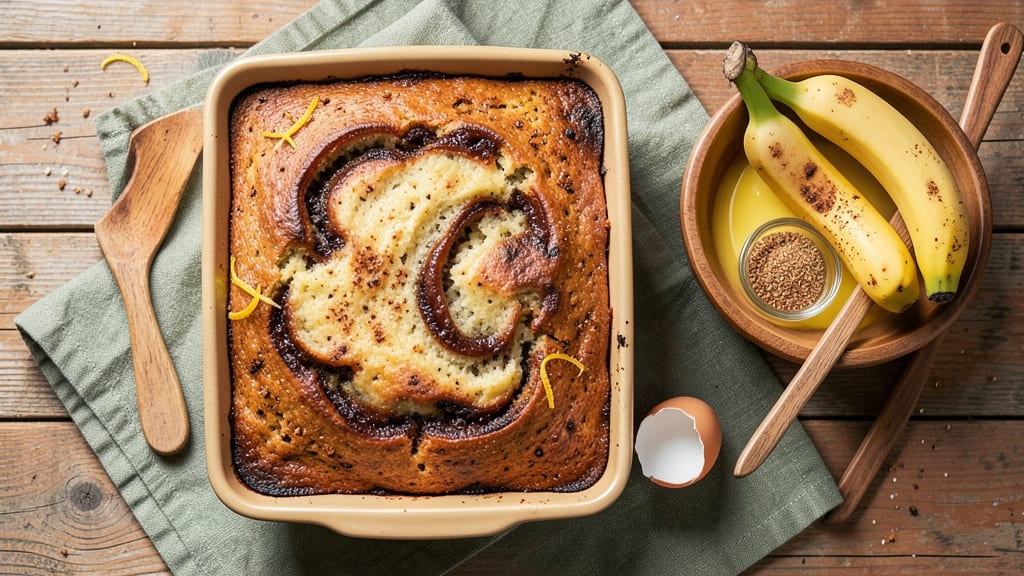
This America's Test Kitchen ultimate banana bread recipe delivers the perfect balance of a moist, tender crumb and an irresistibly crispy top—something no other recipe quite achieves. The secret lies in precise techniques like creaming butter and sugar properly and using just the right amount of flour to avoid dryness.
I've baked this version dozens of times, and it never fails to impress, whether you're making it for a weekend breakfast or a special dessert.
What sets this recipe apart is the attention to detail that transforms ordinary banana bread into something extraordinary. Overmixing is the enemy of tender crumb, so we mix just until combined, and we use ripe bananas (with those brown spots) for maximum sweetness and moisture.
The baking powder and baking soda work together to create that signature crispy top while keeping the interior soft and fluffy.
By the time it emerges from the oven, you'll have a loaf with a golden, crackly crust that gives way to a velvety interior with pockets of moistness.
The aroma alone will have everyone gathering in the kitchen, and each slice will be perfectly balanced—sweet from the bananas, rich from the butter, and just slightly spiced with cinnamon.
The beauty of this recipe is its versatility—add nuts, chocolate chips, or even a swirl of peanut butter for extra flavor. It's the kind of banana bread that makes you want to bake it again and again. Let's get started on creating your perfect loaf.
Ingredients for america's test kitchen ultimate banana bread
These perfectly balanced ingredients create America's Test Kitchen's legendary banana bread with crispy top and moist crumb.
| Ingredient | Amount | Notes |
|---|---|---|
| Ripe Bananas 🍌 | 3 medium | Brown spots preferred |
| Unsalted Butter 🧈 | ½ cup | Softened but not melted |
| Granulated Sugar 🍚 | 1 cup | White or light brown |
| Light Brown Sugar 🍚 | ½ cup | Packed firmly |
| Large Eggs 🥚 | 2 whole | Room temperature |
| All-Purpose Flour 🌾 | 2 cups | Spooning and leveling |
| Baking Powder 🍞 | 1 ½ tsp | Diamond Crystal preferred |
| Baking Soda 🍞 | ½ tsp | Freshly opened |
| Ground Cinnamon 🌿 | 1 tsp | Freshly ground preferred |
| Salt 🧂 | ½ tsp | Fine sea salt |
| Vanilla Extract 🍯 | 1 tsp | Pure vanilla preferred |
| Milk 🥛 | ½ cup | Room temperature |
| Vegetable Oil 🫒 | ¼ cup | Light, neutral flavor |
| Chopped Walnuts 🥜 | ½ cup | Optional, toasted |
Ripe bananas are non-negotiable here—the more brown spots, the sweeter and moister the bread. Trader Joe's and Whole Foods usually have the ripest ones, but check your local grocery store's produce section first. For butter, Land O'Lakes unsalted is my go-to—it's consistent and melts beautifully. If you're using a mix of sugars, light brown sugar adds that caramel depth that makes this bread stand out. And trust me on the vanilla—pure Madagascar bourbon from Goya or Nestlé makes all the difference.
No baking powder? Baking soda plus cream of tartar works in a pinch, but the texture won't be quite the same. Short on walnuts? Pecans or chocolate chips add great texture too—just halve the amount since they're smaller. Using store-bought vanilla extract? Check the label—some cheap brands are just vanilla-flavored water. And if your milk is cold, let it sit out for 10 minutes first—room temperature milk mixes better and gives a smoother batter. The flour is where precision matters—spoon it into the cup and level it off, don't scoop directly from the bag.
This bread tastes even better the next day once the flavors meld. Wrap it tightly in plastic wrap and store at room temperature for 3-4 days, or freeze slices for up to 3 months. For reheating, 30 seconds in the microwave brings back that fresh-from-oven warmth. Pro tip: If you're making this ahead, bake it a day early—the crust gets even better as it sits. And if you're feeling fancy, brush the top with a little extra milk before baking for that extra golden shine.
Why You'll Love This Recipe
- No Mash Required: I swear by the creaming method here—just mix the butter, sugars, and eggs first, then fold in the mashed bananas. No sticky, lumpy mess, and the texture stays perfectly tender every time.
- Moisture Locked In: That combo of brown sugar and ripe bananas? It’s like a sponge soaking up flavor. The bread stays fresh-tasting for days, not dry or crumbly—honestly, my coworkers still ask for slices after a week.
- Breakfast or Snack: Slice it warm with butter for a quick breakfast, or pack it for lunch. The balance of sweetness and richness makes it just as good cold as it is fresh—my go-to when I’m too tired to plan.
- Pantry-Friendly Magic: You’re probably already using these ingredients—no specialty items needed. A few overripe bananas and a stick of butter turn into something that feels like a treat, not a chore. (Yes, even on a Tuesday night.)
Step-by-step instructions for america's Test Kitchen ultimate banana bread
Here's how to bake the perfect banana bread with a moist crumb and that coveted crispy top.
Mix Wet Ingredients Until Perfectly Combined
First, let's get the wet ingredients ready. In a large mixing bowl, combine the 3 medium ripe bananas with the 0.5 cup unsalted butter and 1 cup granulated sugar. Mash the bananas with a fork until smooth, then whisk everything together until the mixture is completely homogeneous and the sugar has dissolved. This step is crucial—you want to eliminate any lumps that could affect texture.
Next, add the 0.5 cup light brown sugar, 2 whole large eggs, 1 tsp vanilla extract, 0.5 cup milk, and 0.25 cup vegetable oil to the bowl. Mix vigorously for about 2 minutes until the batter is thick, smooth, and fully incorporated. The batter should coat the back of a spoon and hold its shape when lifted. If it looks too thin, don't worry—it will thicken as we add the dry ingredients. This is where the magic of that crispy top begins, as the proper emulsion of fats and sugars creates the ideal texture.
Combine Dry Ingredients and Fold Gently
In a separate medium bowl, whisk together the 2 cups all-purpose flour, 1.5 tsp baking powder, 0.5 tsp baking soda, 1 tsp ground cinnamon, and 0.5 tsp salt. Sift the ingredients lightly to aerate the flour and ensure even distribution of the leavening agents. This step prevents dense pockets in your bread and ensures a light, tender crumb.
Now, gradually add the dry ingredients to the wet mixture, folding gently with a spatula just until combined. Be careful not to overmix—stop as soon as the flour disappears. If you're using the 0.5 cup chopped walnuts, fold them in now. The goal is to maintain as much air as possible in the batter, which will translate to that perfect rise and moist texture. The batter should be thick but pourable—if it's too stiff, you can add a splash of milk to loosen it slightly.
Prepare the Pan for Maximum Crispiness
Preheat your oven to 350°F. Here's the secret to that perfect crispy top: generously grease a 9x5-inch loaf pan with butter or cooking spray, then line it with parchment paper, leaving an overhang on the sides for easy removal. The paper prevents sticking and helps create that beautiful caramelized crust. Brush the greased paper with a thin layer of the 0.25 cup vegetable oil—this extra step ensures the top doesn't dry out or stick to the paper.
Pour the batter into the prepared pan and smooth the top with a spatula. Tap the pan gently on the counter a few times to release any air bubbles. For that extra-crispy top, sprinkle a thin layer of granulated sugar evenly over the batter. This creates a beautiful caramelized crust while keeping the interior moist. Bake for 50-60 minutes, or until a toothpick inserted in the center comes out clean and the top is deep golden brown.
Test for Doneness and Rest Properly
Remove the banana bread from the oven and let it cool in the pan for 10 minutes. This resting period allows the heat to distribute evenly and prevents the bread from falling apart when you remove it. While it's cooling, use the parchment paper overhang to lift the bread out of the pan onto a wire rack. Here's where patience pays off—let it cool completely for at least 1 hour before slicing. This ensures clean cuts and prevents the bread from becoming gummy.
The final result should be a loaf with a crackly, caramelized top that gives way to a moist, tender crumb. Each slice should be perfectly balanced—sweet from the bananas and sugar, spiced with cinnamon, and enriched with the buttery, oily goodness that keeps it moist for days. Slice it thick for hearty portions or thin for delicate tea sandwiches. Trust me, the wait is worth it—this is the ultimate banana bread experience.
Pro Tips For Making America'S Test Kitchen Ultimate Banana Bread
- Mash Bananas Thoroughly: I learned this the hard way—skip the blender and use a sturdy fork to crush bananas until no visible chunks remain. The recipe relies on smooth texture for even baking, and those little specks of banana turn to dry spots in the oven. (Yes, even if you're impatient like me.)
- Cream Butter and Sugars First: Don’t just mix the wet ingredients—beat the softened butter with both sugars on medium-high for 3 full minutes until light and fluffy. This incorporates air, which prevents a dense crumb. I used to rush this, and the bread always tasted heavier.
- Avoid Overmixing the Batter: Once you fold in the dry ingredients, stop after 10 strokes—just until combined. Overmixing develops gluten, making the bread tough. The recipe’s magic is in its tender, moist crumb, not structure.
- Check Doneness with a Toothpick: The recipe’s 50–55 minutes is a guideline, but insert a toothpick into the center: it should come out with moist crumbs, not wet batter or dry flour. I’ve pulled banana bread too soon (soggy) and too late (dry)—this test never lies.
Common mistakes when making perfect results
Overmixing the Batter
This is the #1 mistake I see in home bakes—overmixing develops gluten, making your banana bread dense instead of tender. Stop mixing as soon as the flour disappears into the wet ingredients. I've ruined many loaves by beating until smooth, only to end up with a brick-like texture.
Use a spatula to gently fold the dry ingredients in just until combined—about 10-12 strokes max. 🥄
Using Unripe Bananas
Those bright yellow bananas? Big mistake. The recipe demands ripe bananas with brown spots for maximum sweetness and moisture. I once used "perfect" bananas and ended up with a dry, bland loaf.
Pro tip: Place bananas in a paper bag with an apple overnight to speed up ripening. The darker the spots, the better the flavor and texture.
Skipping the Room-Temp Ingredients
Cold eggs and butter create pockets of steam in your batter, leading to uneven baking and potential sinking. Let your eggs and butter sit at room temperature for 30-60 minutes before mixing.
I've learned this the hard way—my first attempt with cold butter resulted in a lopsided loaf that needed 15 extra minutes in the oven to cook through properly.
Incorrect Pan Preparation
Greasing your pan isn't enough—you need that parchment paper for easy removal and even browning. I've had banana bread stick so badly I needed a butter knife to pry it loose.
Line your 9x5-inch pan with parchment, leaving overhangs, and brush it with vegetable oil before adding batter. This creates the perfect barrier for that crispy top while preventing sticking.
Baking Without Sugar Topping
The thin layer of granulated sugar sprinkled on top isn't just decoration—it creates that signature caramelized crust. I've made this mistake and ended up with a bread that looked beautiful but lacked that irresistible crackly top. Sprinkle evenly and bake as directed for that perfect balance of crisp and moist.
Cutting Too Soon
Patience is key here! Slicing warm banana bread makes it gummy and difficult to serve. Let it cool completely on a wire rack for at least 1 hour before cutting.
I've served slices too soon and had guests complain about the texture. The wait ensures clean cuts and that perfect crumb every time. 🕒
Nutrition facts
Frequently asked questions about america's Test Kitchen banana bread
Why does this banana bread have a crispy top?
The secret lies in the combination of vegetable oil brushed on parchment paper and the thin layer of granulated sugar sprinkled on top before baking. This creates caramelization while keeping the interior moist. The 350°F oven temperature also helps develop that perfect crackly crust.
Can I make this recipe without walnuts?
The walnuts are optional. For a different texture, try chopped pecans, chocolate chips, or even dried fruit. Just reduce any other add-ins by 1/4 cup to maintain the proper batter consistency. The recipe still works beautifully without them.
How do I know when the bananas are ripe enough?
Look for bananas with many brown spots on the peel—the darker, the better! They should yield slightly when pressed. If your bananas aren't ripe, place them in a paper bag with an apple for 24 hours to speed up ripening. Overripe bananas (black peel) work too—they'll make your bread extra sweet.
What if my banana bread comes out dense?
Overmixing is the most common cause. Mix the batter just until combined—about 10-12 strokes with a spatula. Also ensure your eggs and butter are room temperature and don't overfill the pan. If it's still dense, try baking at 325°F for 5-10 minutes longer to let the moisture evaporate.
Can I use this recipe for a bundt pan instead?
Yes, but you'll need to adjust the baking time. A 10-12 cup bundt pan requires about 45-55 minutes at 350°F. Grease the pan thoroughly and reduce the sugar topping by 1/4 cup since bundt pans have less surface area. The texture will be excellent, though the shape will differ from a traditional loaf.