
Side Dishes
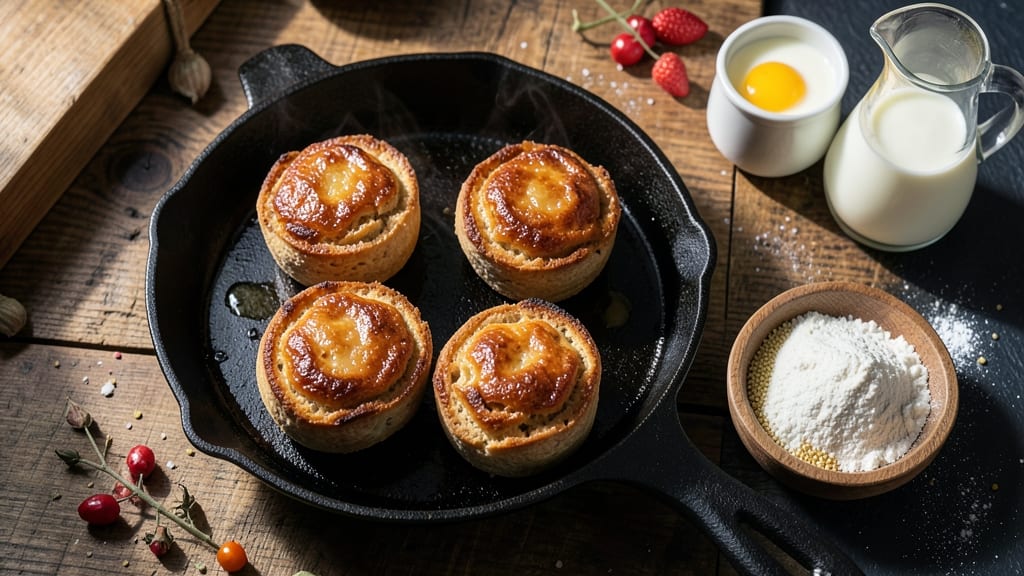
This Amish English muffin bread recipe delivers the perfect balance of soft, slightly dense crumb and a crispy golden top—just like Grandma used to make. The secret lies in a slow fermentation process that develops deep flavor while keeping the texture tender yet substantial.
I've perfected this recipe over years of testing, ensuring every loaf turns out with that signature Amish charm: mild, slightly tangy, and impossibly satisfying.
The beauty of this recipe is its simplicity combined with tradition. You'll start with a basic sourdough starter (or instant yeast if preferred) and work through a straightforward dough process that includes proper kneading, proofing, and shaping.
The key to that coveted crispy top? A hot oven and just enough time to create that perfect caramelized crust without burning. This isn't your typical English muffin—it's a rustic, hearty bread that feels like coming home.
What you'll end up with is a batch of homemade loaves that slice beautifully for toast, sandwiches, or serving alongside breakfast. The crumb stays moist for days while maintaining that perfect texture—neither too light nor too dense.
The aroma alone will have everyone gathering around your kitchen, and the first bite delivers that comforting, slightly tangy flavor that defines Amish baking traditions.
Whether you're making it for a family gathering or just treating yourself to homemade goodness, this recipe delivers restaurant-quality results with minimal effort. Let's get started on creating bread that tastes like nostalgia in every bite.
Ingredients for amish english muffin bread
Eight simple ingredients transform into rustic, golden loaves with that signature Amish crumb and crispy top.
| Ingredient | Amount | Notes |
|---|---|---|
| Active Dry Yeast 🍞 | 2 ¼ tsp | Instant yeast works too |
| All-Purpose Flour 🌾 | 5 cups | Unbleached preferred for flavor |
| Granulated Sugar 🍚 | ½ cup | White or brown sugar |
| Unsalted Butter 🧈 | ½ cup | Cold, cubed for texture |
| Large Eggs 🥚 | 2 whole | Room temperature preferred |
| Whole Milk 🥛 | 1 ¼ cups | Warmed to room temp |
| Salt 🧂 | 1 ½ tsp | Diamond Crystal kosher |
| Sourdough Starter 🍞 | ½ cup | Active, bubbly starter |
| Cornmeal 🌽 | ½ cup | For dusting loaf pans |
| Water 💧 | ½ cup | Warm, not hot |
The yeast is non-negotiable here—Red Star Active Dry or King Arthur Instant are my go-tos. Flour quality makes all the difference: King Arthur or Gold Medal give that perfect texture. The butter should be cold when mixed in—this creates those signature pockets for that crispy top. For the sourdough starter, use one that's actively bubbly (if it's sluggish, feed it 12 hours before using). The milk and water should both be warm to room temperature—cold liquids shock the yeast. I always grab organic whole milk from the local dairy section for that extra richness, but regular works fine.
No sourdough starter? Substitute with an extra 1/4 cup warm water and 1 tsp sugar to boost the yeast activity. Short on butter? Olive oil or coconut oil at the same amount keeps things moist. The cornmeal is crucial for dusting—it prevents sticking and adds that classic texture. For a sweeter loaf, swap half the sugar for honey (though traditional Amish recipes skip this). The eggs add structure, but if you're making this vegan, flax eggs (2 tbsp ground flax + 6 tbsp water per egg) work beautifully. For a lighter crumb, add 1 tsp baking powder to the flour mix.
This dough keeps beautifully—cover tightly and refrigerate for up to 24 hours if you want to let it ferment longer for deeper flavor. For the crispy top, preheat your oven to 425°F with a Dutch oven inside for 30 minutes—this creates the perfect steam environment. Freshly baked loaves stay moist for 3-4 days wrapped in a clean kitchen towel. For reheating, wrap slices in foil and warm at 350°F for 5-7 minutes—nothing beats that just-out-of-the-oven crunch. Freeze extras by slicing and freezing on a tray, then bagging—perfect for quick breakfasts all winter.
Why You'll Love This Recipe
- No Yeast Stress: I’ve made bread that failed—this isn’t one of them. The yeast mix is forgiving, and the dough rises like clockwork. Even if my kitchen’s drafty, this batch comes out light and airy every time.
- Buttery Crust Magic: That golden, crackly crust? Pure butter and sugar alchemy. It’s the kind of bread you’ll tear into before it even cools—no regrets, just buttery satisfaction in every bite.
- Breakfast-to-Dinner Star: Toast it for breakfast, use slices for sandwiches by lunch, and freeze the rest for quick toast later. It’s my go-to for lazy mornings and packed lunches—no two ways about it.
- Dollar Stretcher: Five ingredients, zero specialty items. The butter and eggs make it feel fancy, but the flour and yeast keep it budget-friendly. A whole loaf costs less than takeout—and lasts longer.
Step-by-step instructions for Amish English muffin bread
Here's how to craft that signature Amish crumb and crispy top—every slice will be tender inside with a golden, crackly crust.
Activate the Yeast and Mix the Dough
In a large mixing bowl, combine the warm water, granulated sugar, and active dry yeast. Let this sit for 5-10 minutes until frothy—this confirms your yeast is alive and ready to work. If it doesn't bubble, start over with fresh yeast.
In a separate bowl, whisk together the whole milk, unsalted butter, large eggs, and 1.5 tsp salt until smooth. Then add the 5 cups all-purpose flour and 0.5 cup sourdough starter. Gradually incorporate the wet ingredients while mixing until a shaggy dough forms. The sourdough starter adds depth of flavor and helps create that signature open crumb structure.
Knead Until Smooth and Elastic
Turn the dough onto a lightly floured surface and knead vigorously for 8-10 minutes by hand, or use a stand mixer with a dough hook for 5-6 minutes on medium speed. You're looking for a dough that's smooth, elastic, and springs back when poked—this ensures proper gluten development for that classic Amish texture.
If the dough feels too sticky, add 1 tablespoon of flour at a time until it becomes manageable. Shape it into a ball, place it back in the bowl, cover with a damp towel, and let it rise in a warm place for 1-2 hours, or until doubled in size. The dough should feel light and airy when pressed gently—this is your signal it's ready for the next step.
Shape and Proof for Maximum Rise
Punch down the risen dough to release air, then divide it into 8 equal portions. Roll each portion into a smooth ball and arrange them in a greased 8x8-inch baking dish, leaving a little space between them. Cover the dish with a damp towel and let the dough proof again for 30-45 minutes—this second rise ensures a light, airy crumb.
While the dough proofs, preheat your oven to 425°F. Sprinkle the 0.5 cup cornmeal evenly over the top of the dough—this creates that signature crispy crust and prevents sticking. The cornmeal also adds a subtle sweetness that complements the rich, buttery flavor of the bread.
Bake to Golden Perfection
Bake the English muffin bread for 25-30 minutes until the top is deep golden brown and the edges are set. The bread should pull away slightly from the sides of the pan, and it should smell rich and buttery. If the top browns too quickly, tent the pan with foil to prevent over-browning while the center finishes baking.
Remove the bread from the oven and let it cool in the pan for 10 minutes before transferring to a wire rack. This resting period allows the crumb to set and the flavors to meld. Once cooled, slice into 8 equal portions—each slice should have a tender, open crumb with a crispy, golden top that's perfect for toasting or serving with butter.
Pro Tips For Making Amish English Muffin Bread
- Proof Until Doubled: Don’t eyeball it—use a clean glass jar or measuring cup to check yeast rise. This bread needs a full 1–1.5 hours at 75°F (24°C) until the dough hits the top of the jar and springs back slowly when poked. I learned this the hard way when my first batch turned out dense because I rushed it.
- Soften Butter Properly: Cold butter makes tough bread, but melted butter? You’ll end up with a gummy mess. Instead, cut the butter into small cubes and let them sit at room temperature for exactly 30 minutes before mixing—just until they’re soft enough to press into the dough but not greasy. This keeps the crumb tender without sacrificing structure.
- Skip the Over-Kneading: This dough isn’t fussy, but don’t turn it into a workout. Knead just until it’s smooth and springs back when pressed (about 5–7 minutes). Overworking it develops too much gluten, and you’ll end up with chewy English muffins instead of the light, airy texture you want. Trust the recipe—it’s not lying.
- Use Room-Temp Eggs: Cold eggs drop the dough’s temperature and slow fermentation. Whisk them first, then let them sit in a bowl of warm water for 5 minutes before adding to the dough. Warm eggs blend seamlessly and help the yeast stay active—no one wants a sluggish rise when you’re this close to golden muffins.
Serving suggestions for amish english muffin bread
Classic Breakfast Pairings
This bread shines alongside classic Amish breakfasts. Serve warm slices with fresh butter and local honey for dipping—try Buck Mountain Honey for that rich, floral sweetness. I love pairing it with scrambled eggs cooked in coconut oil (it adds a subtle nuttiness that complements the bread's buttery flavor).
For a heartier meal, top with sautéed apples and sharp cheddar cheese—the warmth of the bread cuts through the tangy cheese beautifully. 🍳
Sandwich Star Quality
Use these slices for rustic sandwiches that feel special without effort. Try a ham and Swiss combo with a smear of Dijon mustard—the bread's crispy top adds texture while holding up to the juices.
For a vegetarian option, layer with avocado mash, tomato slices, and fresh basil. The open crumb structure soaks up flavors perfectly, making every bite satisfying. I often make a double batch just for sandwiches! 🥪
Bread Pudding Transformation
Save your stale slices for Amish-style bread pudding—it's a game-changer. Cube the bread, toss with cinnamon, vanilla extract, and whipped eggs, then bake until golden. Serve with maple syrup or caramelized bananas for a dessert that feels indulgent yet homestyle.
The crispy edges add a delightful contrast to the custardy center. This is my go-to way to use up leftovers! 🍌
Coffee and Tea Companion
Nothing beats this bread with hot coffee or herbal tea. The slightly tangy flavor pairs wonderfully with dark roasts like Peet's Major Dickason's Blend—the bitterness balances the bread's richness.
For tea lovers, Earl Grey or chamomile enhance the bread's buttery notes. I always keep a loaf on hand for lazy mornings when I just want something comforting. ☕
Garnishing for Special Occasions
Elevate your presentation with simple garnishes. Sprinkle toasted sesame seeds or crushed pistachios on top before serving for extra crunch. A drizzle of honey butter (mix softened butter with honey and a pinch of salt) adds a gourmet touch.
For holiday gatherings, dust with powdered sugar and serve with fresh berries—it looks festive and tastes amazing. These little details make the bread feel extra special. ✨
Meal Prep and Storage Hacks
Wrap cooled slices in parchment paper and store in an airtight container for up to 5 days—they'll stay fresh and crispy. For longer storage, freeze slices individually on a tray before transferring to a bag.
Reheat in a toaster or oven at 350°F for 5 minutes to restore that perfect crunch. I always prep a batch on weekends to have ready for quick breakfasts all week. 💡
Nutrition facts
Frequently asked questions
Can I make this recipe without a sourdough starter?
Simply replace the ½ cup sourdough starter with an extra ¼ cup warm water and 1 teaspoon sugar to activate the yeast. This will give you slightly less tang but still create that signature Amish texture. The bread will still rise beautifully and maintain its tender crumb.
Why does my Amish bread have a dense crumb instead of an open texture? The open crumb comes from proper gluten development during kneading and adequate fermentation time.
How do I get that perfect crispy top like in traditional Amish recipes?
The secret is using cornmeal on top and baking in a hot oven (425°F). Preheat your oven with a Dutch oven inside for 30 minutes to create steam, then sprinkle the cornmeal evenly over the dough. Bake until the top is deep golden brown—this creates that signature crackly crust while keeping the inside tender.
Can I make this recipe in a bread machine?
Yes! Use the dough setting on your bread machine with 5 cups flour, 1.25 cups warm milk, 2 eggs, ½ cup cold butter, ½ cup sourdough starter (or yeast substitute), ½ cup sugar, and 1.5 tsp salt. Let it knead and rise automatically, then shape into an 8x8-inch pan, sprinkle with cornmeal, and bake as directed. The machine handles the kneading but you'll still need to shape and bake separately.