
Desserts
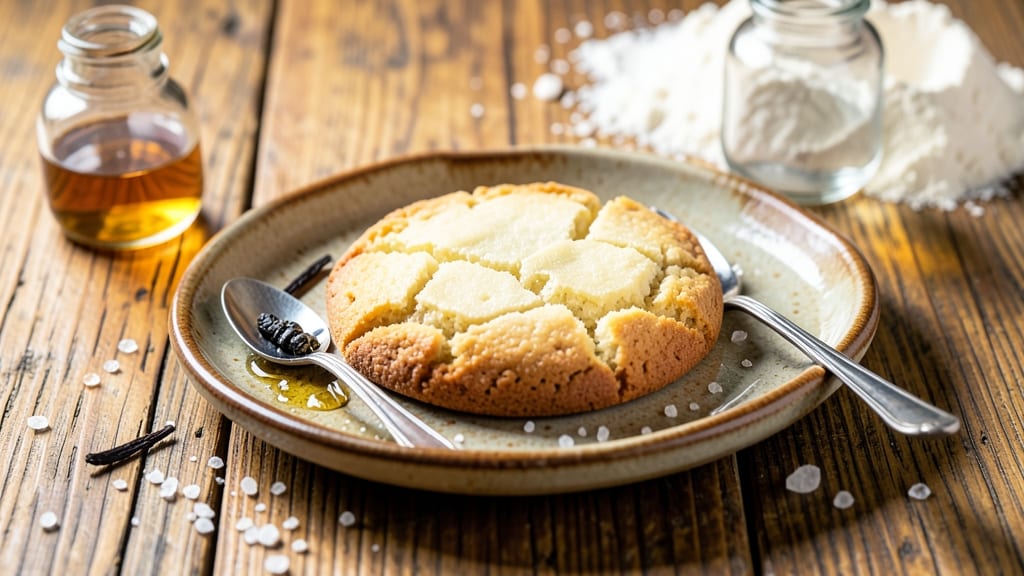
This Amish shortbread cookie recipe delivers the signature buttery crunch and tender layers that make them legendary. 💛 The secret lies in cold butter and a precise mixing technique that creates those signature flaky, melt-in-your-mouth textures with every bite.
What sets these apart from traditional shortbread is the vanilla bean infusion that adds depth without overpowering the classic buttery flavor.
Amish communities have perfected this recipe through generations, using simple pantry staples to create something extraordinary. The dough requires minimal handling—just cream, mix, and chill—before baking to golden perfection. This method ensures consistent results every time, with that signature crackly top and tender crumb that disappears on your tongue.
What makes these cookies truly special is their versatility—they're perfect for holiday gatherings, afternoon tea, or as a simple treat to enjoy with coffee. The vanilla infusion adds a subtle warmth that complements the rich butter flavor, creating a cookie that's both comforting and sophisticated.
Once you try these, you'll understand why they're a staple in Amish kitchens.
With just five ingredients and a straightforward process, you'll have warm, fragrant cookies ready in under 30 minutes. The key is patience during the chilling and baking stages, which ensures that perfect texture we all love. Let's get started on making these timeless treats that taste like home.
Ingredients for amish shortbread cookie
Five simple ingredients transform into legendary Amish shortbread with vanilla-infused depth and signature buttery crunch.
| Ingredient | Amount | Notes |
|---|---|---|
| Unsalted Butter 🧈 | 1 cup | Cold, cubed for flaky layers |
| Granulated Sugar 🍚 | ½ cup | Superfine preferred for smooth texture |
| Vanilla Bean 🌿 | 1 whole | Seeds scraped for infusion |
| All-Purpose Flour 🌾 | 2 cups | Sifted for light crumb |
| Diamond Crystal Kosher Salt 🧂 | ½ tsp | Fine grain preferred |
| Vanilla Extract 🍯 | ½ tsp | Pure alcohol-free preferred |
The butter makes or breaks these cookies. European-style unsalted butter from Plugrá or Berkshire delivers the richest flavor, but any high-fat butter works. Keep it cold—cubed and chilled for 30 minutes before mixing. The vanilla bean is non-negotiable for that authentic Amish touch. Madagascar Bourbon beans from Williams Sonoma give the best balance of sweetness and aroma, but any quality bean will work. If you can't find whole beans, pure vanilla extract (like McCormick Pure) is a solid backup—just use the seeds from one bean plus the extract.
No vanilla bean? Double the vanilla extract and add a pinch of cinnamon for depth. Superfine sugar isn't critical, but it dissolves better—pulse regular sugar in a food processor if needed. The flour should be cool and sifted before mixing to avoid gluten development. For a nutty twist, add 1/4 cup finely chopped pecans to the dough. And if you're feeling fancy, wrap the dough in parchment before chilling—prevents sticking and makes slicing easier later.
Chill the dough for at least 2 hours—overnight is ideal. Store wrapped in the fridge for up to 48 hours or freeze for 3 months. Baked cookies keep in an airtight container for 5 days at room temperature. For extra crunch, sprinkle with flaky sea salt (like Maldon) right after baking. These reheat beautifully—5 seconds in the microwave restores that warm-from-the-oven magic.
Why You'll Love This Recipe
- No-Fuss Mixing: I swear by this recipe because it’s just three ingredients (plus salt) mixed with a wooden spoon—no food processor, no chilling dough, just soft butter and sugar creamed together until it’s like a dreamy, crumbly hug. The vanilla bean isn’t even optional; it’s the soul of these cookies, and you can split one pod for a whole batch.
- Buttery Bliss: That crispy, melt-in-your-mouth texture? Pure butter and sugar magic. The Amish version skips the cornstarch—just flour, salt, and a touch of vanilla—so every bite is rich without being heavy. Honestly, I’ve tried fancier shortbread, but these taste like a warm hug from a kitchen I’d trust.
- Gift-Worthy Always: These cookies freeze like champs, so I make a double batch and tuck them in jars for holidays, teacher gifts, or “just because” moments. No one ever guesses they’re this easy—just wrap them in parchment, tie with twine, and boom: instant crowd-pleaser.
- Pantry Staple: Between us, this recipe costs pennies—just butter, sugar, and flour—and uses what you already have. I’ve made them with expired vanilla beans (yes, really), and they still turn out buttery perfection. Plus, they keep for weeks in an airtight container, so you’re never scrambling for a snack.
Step-by-step instructions for Amish shortbread cookies
Here's how to create those iconic buttery layers and vanilla aroma that define Amish shortbread.
👨🍳 Step 1: Prepare the Vanilla-Infused Butter
First, split the 1 whole vanilla bean lengthwise and scrape out the seeds using the back of a knife. Place the seeds in a small bowl with the 1 cup unsalted butter (cubed, not melted). Let this mixture sit at room temperature for 15 minutes—this infusion creates that signature vanilla depth.
While waiting, preheat your oven to 350°F. The butter should soften slightly but remain cool to the touch. This step is crucial—it ensures those beautiful flaky layers later. I like to press the vanilla seeds into the butter cubes to maximize flavor extraction.
👨🍳 Step 2: Combine Dry Ingredients
In a medium bowl, whisk together the 2 cups all-purpose flour (sifted for a light crumb), 0.5 cup granulated sugar, 0.5 tsp Diamond Crystal kosher salt, and 0.5 tsp vanilla extract. The sugar should be evenly distributed—this prevents sandy pockets in your cookies.
Here's the thing—don't overmix. Just combine until the dry ingredients look like fine crumbs with no flour streaks remaining. Overworking develops gluten, which makes shortbread tough instead of tender. I like to use a silicone spatula to gently fold everything together.
🥘 Step 3: Create the Dough and Chill
Add the vanilla-infused butter cubes to the dry ingredients and work them in using your fingers or a pastry cutter. You're looking for a mixture that resembles coarse crumbs with pea-sized butter pieces throughout. Press the dough together gently—it should hold when formed into a ball but still feel slightly crumbly.
Form the dough into a disk, wrap tightly in plastic wrap, and refrigerate for at least 1 hour (up to 24 hours for best results). Chilling firms up the butter, which prevents excessive spreading during baking. This is where the magic happens—the longer it chills, the more pronounced those flaky layers become.
🔥 Step 4: Roll and Cut the Shortbread
Remove the chilled dough from the refrigerator and let it sit at room temperature for 5-10 minutes to soften slightly. Roll it out between two sheets of parchment paper to about ¼-inch thickness. I use a rolling pin with guides to maintain consistent thickness—this ensures even baking.
Use a round cutter (about 2.5 inches in diameter) to cut out circles. Press gently but firmly—this helps create clean edges. Place the cutouts on a parchment-lined baking sheet, spacing them about 1 inch apart. You should get about 12-14 cookies from this dough.
⏰ Step 5: Bake to Golden Perfection
Bake the shortbread for 12-15 minutes until the edges are just beginning to turn pale golden brown. The centers should still look slightly underbaked—they'll continue cooking on the hot sheet. Rotate the baking sheet halfway through for even browning.
Remove from the oven and let cool on the baking sheet for 5 minutes before transferring to a wire rack. The cookies will firm up as they cool, developing that signature crisp texture. Here's a pro tip: I like to press the warm cookies gently with a fork while they're still on the sheet—this creates those beautiful crisscross patterns that define Amish shortbread.
Pro Tips For Making Amish Shortbread Cookie
- Cream Butter Slowly: I learned this the hard way—ditch the food processor for a mixer and whip the butter and sugar on medium until just combined. Pulsing it to death makes the cookies dense; you want fluffy, cloud-like dough that holds its shape when cut. Stop when the mixture looks like wet sand, not wet cement.
- Scrape Vanilla Properly: Skip the lazy scrape and split that vanilla bean lengthwise. Use a butter knife to dig out every last speck—the seeds are where the magic hides. Toss the scraped pod into the dough too; it’ll add subtle depth without overpowering. (Yes, even if you’re impatient like me.)
- Chill Dough Twice: One hour in the fridge isn’t enough. After mixing, flatten the dough into a disk, wrap it tightly, and refrigerate for at least 2 hours—overnight is better. This prevents cracking when baking and guarantees those signature crisp edges. Trust me, your cookies will thank you.
- Bake in Batches: Crowd the pan, and you’ll end up with flat, sad cookies. Use a cookie scoop for even sizes, leave 2 inches between them, and bake one tray at a time. The oven’s hot spots will thank you, and you’ll avoid the greasy mess of overbaked edges. (Your future self will notice the difference.)
Troubleshooting your amish shortbread cookie
Butter Too Soft?
If your butter melts before mixing, pop it in the freezer for 10 minutes to firm up. Cold butter is non-negotiable for those signature flaky layers—it creates steam pockets during baking that give shortbread its signature texture.
I've ruined batches before by skipping this step, so always check your butter's temperature before starting. 🧈
Dough Sticking to Hands
Floury hands are normal, but if your dough feels too sticky, add 1-2 tablespoons more flour while mixing. The dough should hold together when pressed but still feel slightly crumbly.
For extra insurance, chill the dough for an additional 30 minutes before rolling—this helps the gluten relax and prevents sticking when handling. 💫
Cookies Spread Too Much
Over-spreading usually means your butter wasn't cold enough or your oven runs hot. Preheat your oven for 15 minutes before baking and use an oven thermometer to confirm it's at 350°F.
Also, make sure your dough has chilled for the full 2 hours—this firms up the butter and prevents excessive spreading. If it's too late, try baking at 325°F for 15-18 minutes instead. ⚡
Pale or Cakey Texture
This happens when butter melts too quickly during baking. Bake at a slightly lower temperature (325°F) for 15-18 minutes instead of the standard 350°F. Also, ensure your dough is rolled to ¼-inch thickness—thicker cookies bake more evenly and develop better color.
For extra crunch, sprinkle with flaky sea salt right after baking. 💡
Vanilla Flavor Weak
If your cookies lack vanilla aroma, increase the vanilla extract to 1 teaspoon or add ½ teaspoon ground vanilla bean powder (from scraping extra beans). For a stronger infusion, let the vanilla seeds steep in 2 tablespoons warm butter for 30 minutes before mixing.
Freshness matters—use vanilla beans within 6 months of harvest for peak flavor. 🌿
Cookies Too Dry
Dry cookies often result from overbaking or too much flour. Bake for 12-15 minutes at 350°F until edges are just golden—don't wait for full browning. If your dough feels too dry during mixing, add 1 tablespoon cold milk or cream to help bind the ingredients.
Store cookies in an airtight container with a slice of bread to prevent drying out. 💛
Nutrition facts
Frequently asked questions
Why do Amish shortbread cookies need to chill before baking?
The chilling step is essential for creating those signature flaky layers. When cold butter stays solid during baking, it creates steam pockets that lift the dough, resulting in the iconic texture. Chilling also prevents excessive spreading and helps the gluten relax for a tender crumb. For best results, chill the dough for at least 2 hours—overnight is ideal!
Can I substitute vanilla extract for the whole vanilla bean?
Yes, but you'll notice a difference in flavor depth. Use 1 teaspoon pure vanilla extract plus a pinch of cinnamon to mimic the bean's complexity. For the most authentic taste, always use a whole bean—it adds those beautiful black specks and a more nuanced aroma that extract can't replicate. If you must substitute, choose high-quality extract like McCormick Pure.
How do I store leftover Amish shortbread?
Keep cookies in an airtight container at room temperature for up to 5 days. For longer storage, freeze them for 3 months—they reheat beautifully in the oven at 300°F for 3-5 minutes. To prevent drying, place a slice of bread in the container or cover with parchment paper. These cookies taste even better the next day as the flavors meld!
What's the secret to getting that perfect crackly top?
The crackly texture comes from proper butter temperature and baking time. Use cold cubed butter (not softened) and bake at 350°F for 12-15 minutes until edges are just golden. The key is removing them when the centers still look slightly soft—they'll firm up as they cool. For extra crunch, press warm cookies gently with a fork while still on the baking sheet.
Can I make these cookies without a rolling pin?
Roll the dough between two sheets of parchment paper using a wine bottle or even a sturdy glass. Press down firmly and roll in one direction to maintain even thickness. For cutting, use a glass or metal lid about 2.5 inches in diameter. The dough should be ¼-inch thick—use a ruler to check. This method works perfectly for small batches!