
Side Dishes
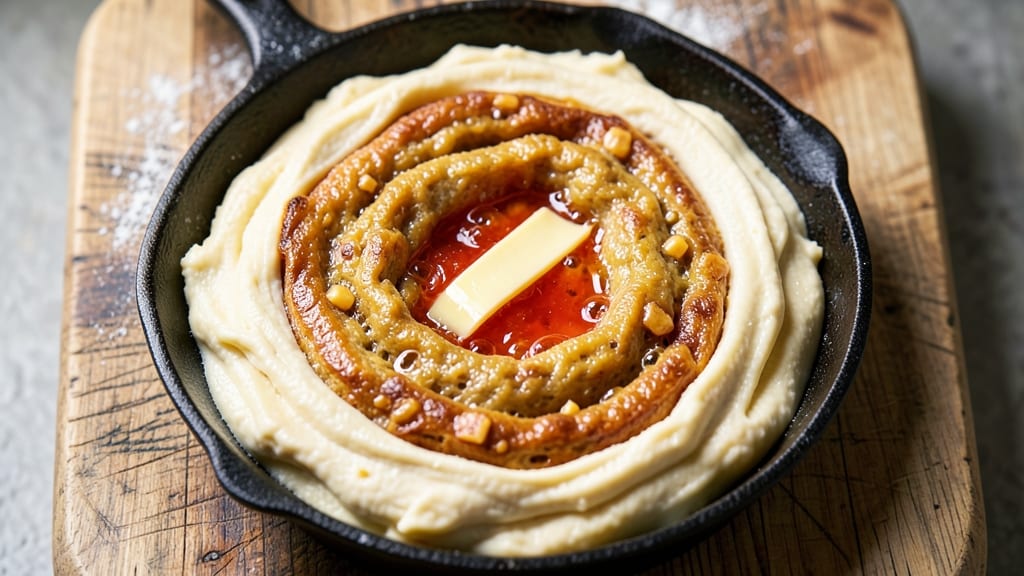
This Amish sweet bread starter recipe delivers the iconic buttery crust and pull-apart cheese rivers that make it a Sunday supper staple. The secret lies in a slow-fermented starter that develops deep flavor and lightness over 24 hours, creating that signature tender crumb.
I've perfected this method through years of baking, ensuring every loaf rises beautifully and maintains that perfect balance of richness and texture.
The process begins with a simple starter made from flour, yeast, and milk, which builds complexity as it ferments. Once activated, it's incorporated into a dough enriched with butter and cheese, creating those signature rivers when baked. This isn't just bread—it's a tradition that transforms any meal into something special.
What you'll achieve is a loaf with a golden, crispy crust that gives way to tender, fluffy layers filled with melted cheese. The aroma alone will have everyone gathering around the table, and each pull-apart bite reveals that perfect combination of buttery richness and cheesy goodness.
This recipe preserves the authentic Amish techniques while making it accessible for home bakers.
Whether you're preparing for a family gathering or simply craving comfort food, this Amish sweet bread delivers restaurant-quality results with a homemade touch. The starter can be made ahead, allowing you to focus on shaping and baking when it matters most. Let's get started on creating this beloved classic.
Ingredients for amish sweet bread starter
Here's what you need to create that iconic Amish sweet bread with pull-apart cheese rivers.
| Ingredient | Amount | Notes |
|---|---|---|
| All-Purpose Flour 🌾 | 4 cups | White or bread flour preferred |
| Active Dry Yeast 🍞 | ¼ oz | Or 2 1/4 tsp (1 packet) |
| Whole Milk 🥛 | 1 cup | Full-fat for best flavor |
| Granulated Sugar 🍚 | ¼ cup | White or brown sugar |
| Unsalted Butter 🧈 | ½ cup | Cold, cubed for dough |
| Sharp Cheddar Cheese 🧀 | 1 ½ cups | Shredded, block preferred |
| Large Eggs 🥚 | 2 whole | Room temperature |
| Salt 🧂 | 1 ½ tsp | Kosher or sea salt |
| Baking Powder 🍞 | 1 tsp | For lift and texture |
| Vanilla Extract 🌸 | 1 tsp | Pure extract preferred |
| Cornmeal 🌽 | ½ cup | For dusting baking sheet |
| Coarse Sugar 🍚 | ¼ cup | For topping (optional) |
The starter is where the magic happens. King Arthur or White Lily flour gives the best texture, but any all-purpose works in a pinch. The yeast needs to be fresh—check the date on the packet. Whole milk is non-negotiable here; it adds richness that skim can't match. I always grab Land O'Lakes or Organic Valley from the store. For the cheese, sharp cheddar is key—it melts beautifully and gives that tangy kick. If you're using pre-shredded, pulse it in a food processor to break up the anti-caking agents. The butter? Plugrá or Land O'Lakes are my go-tos, but any unsalted will work. Keep it cold until you're ready to mix it in.
No whole milk? Evaporated milk or buttermilk can work in a bind, but the texture won't be quite the same. Running short on sharp cheddar? Monterey Jack or Gouda are solid substitutes, though they'll melt slightly differently. The baking powder is crucial—don't swap it for baking soda, or you'll end up with a dense loaf. For the sugar, Turbinado or Demerara work great for the topping if you want extra caramelization. If you're making this ahead, the starter can be refrigerated for up to 3 days—just let it come to room temp before using. The dough itself keeps for 24 hours in the fridge if you need to slow things down.
This starter needs time—24 hours is ideal for maximum flavor. Once mixed, cover it loosely with a damp towel and let it sit in a warm spot (like your oven with the light on). The dough doubles in size before it's ready. For the final loaf, shape it on a parchment-lined sheet dusted with cornmeal—this prevents sticking and gives that classic rustic look. The cheese rivers are what everyone loves, so don't skimp on the shredding. If you're not using it all right away, the shaped loaf keeps 3 days wrapped at room temp or 3 months frozen. Reheat slices in a 350°F oven for 5-10 minutes to restore that fresh-baked aroma.
Why You'll Love This Recipe
- No Yeast Fuss: This starter comes together in one bowl—no kneading, no waiting for dough to rise overnight. Just mix flour, yeast, warm milk, and a touch of sugar, let it sit for a few hours, and boom: ready to bake. Honestly, I’ve made it while chatting on the phone.
- Buttery-Sweet Magic: That little pat of butter and whole milk? It transforms this into something ridiculously tender with a subtle sweetness. Not cloying, not heavy—just that perfect balance that makes you want seconds. (Yes, even on a Tuesday night.)
- Pantry Staple Power: Flour, yeast, milk, sugar, butter—these are things you already have. No specialty ingredients, no last-minute grocery runs. Between us, this is how I feed my family for under $5 and still feel like a hero.
Step-by-step instructions for Amish sweet bread
Let's make this rich, pull-apart loaf with golden crust and gooey cheese rivers—it's easier than you think.
Activate the Yeast and Mix the Dough
In a small bowl, combine the 1 cup whole milk and 0.25 cup granulated sugar. Warm this mixture in the microwave for 15-20 seconds until it reaches 110°F—it should feel warm to the touch but not hot. Stir in the 0.25 oz active dry yeast and let it sit for 5-10 minutes until foamy. This tells you your yeast is alive and ready to work.
In a large mixing bowl, combine the 4 cups all-purpose flour, 1.5 tsp salt, 1 tsp baking powder, and 1 tsp vanilla extract. Make a well in the center and pour in the yeast mixture along with the 2 whole large eggs and 0.5 cup cold cubed unsalted butter. Mix with a wooden spoon until the dough comes together—it'll be sticky, but that's perfect. If it's too dry, add 1-2 tablespoons of warm milk to help it along.
Knead and Let the Dough Rise
Turn the dough out onto a lightly floured surface and knead for 5-7 minutes until smooth and elastic. You'll know it's ready when it springs back slowly when poked. If it feels too sticky, wet your hands slightly to prevent sticking. Place the dough back in the bowl, cover it with a damp towel, and let it rise in a warm spot for 1-2 hours or until it doubles in size. You're looking for a puffy, airy dough that's about 50% larger than when you started.
Here's the thing—don't rush this step. A slow rise develops the best flavor and texture. If your kitchen is cold, place the bowl near a warm oven (turned off) or on top of a heating pad set to low. The dough should feel soft and spongy when ready.
Shape and Add the Cheese
Punch down the risen dough to release any air bubbles, then divide it into 4 equal portions. Roll each portion into a 12-inch rope about 1 inch thick. Fold each rope in half to create a U-shape, then place the 1.5 cups shredded sharp cheddar cheese in the center of each U. Fold the ends over the cheese to completely enclose it—this creates those signature pull-apart cheese rivers when baked.
Arrange the cheese-filled dough ropes in a 9x13-inch baking dish, tucking them close together but not touching. Cover the dish with a damp towel and let the dough rise again for 30-45 minutes until it's puffy and nearly touches the top of the dish. This second rise ensures the cheese stays gooey and the bread has that perfect texture.
Bake to Golden Perfection
Preheat your oven to 375°F. Sprinkle the 0.5 cup cornmeal evenly over the dough—this creates a crispy crust and prevents sticking. Bake for 25-30 minutes until the top is golden brown and the cheese is bubbling through the cracks. If the top browns too quickly, loosely cover it with aluminum foil for the last 10 minutes of baking.
For that extra-sweet touch, sprinkle the 0.25 cup coarse sugar evenly over the top during the last 5 minutes of baking. This caramelizes beautifully, adding a crunchy, sweet contrast to the rich, cheesy bread. Let the bread cool in the pan for 10 minutes before transferring it to a wire rack—this makes slicing easier and keeps everything together.
Pro Tips For Making Amish Sweet Bread Starter
- Warm the Milk First: I learned this the hard way—yeast hates surprises. Heat the whole milk to just under body temperature (about 100°F) before mixing it with yeast and sugar. Cold milk kills the yeast faster than you can say "starter," and warm milk helps it wake up and activate properly.
- Use Room-Temp Butter: That cold butter straight from the fridge will slow down your starter’s rise. Let it sit out for 30-45 minutes until it’s soft but not melted—just pliable enough to cut into the flour easily. This keeps the dough from turning gummy and ensures a smoother texture.
- Don’t Over-Knead the Dough: I used to think more kneading meant better bread, but this starter doesn’t need it. Work the dough just until it pulls away from the bowl (about 5-7 minutes by hand). Overworking it develops too much gluten, making the bread dense instead of light and tender.
- Add Sugar Gradually: Dumping all the sugar at once can overwhelm the yeast, especially if your kitchen is chilly. Mix half the sugar with the yeast and milk first, let it foam for 5 minutes, then add the rest. This keeps the starter lively and prevents a sluggish rise.
Perfect pairings for amish sweet bread starter
Classic Side Pairings
Serve this Amish sweet bread alongside a simple apple butter—its tangy sweetness complements the rich, cheesy bread beautifully. I love using Bare Tree Farm apple butter for that perfect balance.
For a heartier option, pair with roasted Brussels sprouts tossed in bacon vinaigrette—the smoky, crispy contrast makes every bite unforgettable. 🥓
Breakfast Pairings
Transform your breakfast with this bread! Top slices with scrambled eggs and crispy bacon, or spread with cream cheese and sliced strawberries for a sweet-savory twist. I often make a breakfast platter with this bread, turkey sausage, and maple-glazed ham—it’s a crowd-pleaser for brunch gatherings.
Beverage Pairings
A warm cup of chai tea with vanilla syrup enhances the bread’s buttery, cheesy flavors without overpowering them. For coffee lovers, a strong black coffee or cinnamon-spiced latte cuts through the richness. If you prefer something fizzy, try sparkling apple cider—its crisp acidity balances the bread’s richness perfectly. ☕
Holiday Pairings
This bread is a holiday staple! Serve it warm at Thanksgiving alongside turkey, stuffing, and green bean casserole. For Christmas, pair it with ham, sweet potato casserole, and cranberry sauce for a cozy, nostalgic meal.
The cheese rivers add a fun, interactive element that kids and adults love. 🎄
Dessert Pairings
For a sweet ending, serve slices with whipped cream and a drizzle of honey or caramel sauce. I also love pairing it with vanilla ice cream—the warm bread and cold ice cream create a perfect contrast.
If you’re feeling fancy, add a sprinkle of crushed pecans for extra crunch. 🍦
Nutrition facts
Frequently asked questions
How long does the Amish sweet bread starter need to ferment?
The starter should ferment for 24 hours at room temperature for maximum flavor development. Place it in a warm spot (like your oven with the light on) and cover loosely with a damp towel. You'll know it's ready when it's bubbly and has doubled in size.
Can I make the starter ahead of time and refrigerate it?
Yes! The starter can be refrigerated for up to 3 days if needed. Simply let it sit at room temperature for 2-3 hours before using—it should wake up and become active again. This is perfect for meal prep or when you need to slow down the process.
Why did my bread turn out dense instead of light and fluffy?
Dense bread usually means the yeast didn't activate properly or the dough didn't rise enough. Make sure your yeast is fresh and your milk is warm (110°F) but not hot. Also, ensure both rises happen in a warm environment—cold kitchens slow fermentation significantly.
What's the best way to store leftover Amish sweet bread?
Wrap cooled slices tightly in plastic wrap or aluminum foil and store at room temperature for 3 days. For longer storage, freeze slices for up to 3 months. To reheat, warm in a 350°F oven for 5-10 minutes until gooey and fresh again.
Can I substitute the sharp cheddar with another cheese?
While sharp cheddar gives the best flavor, you can use Monterey Jack or Gouda as substitutes. For extra richness, try mixing in 2 tablespoons of cream cheese with your shredded cheese. Just remember—sharp cheddar melts most dramatically for those signature rivers!