
Side Dishes
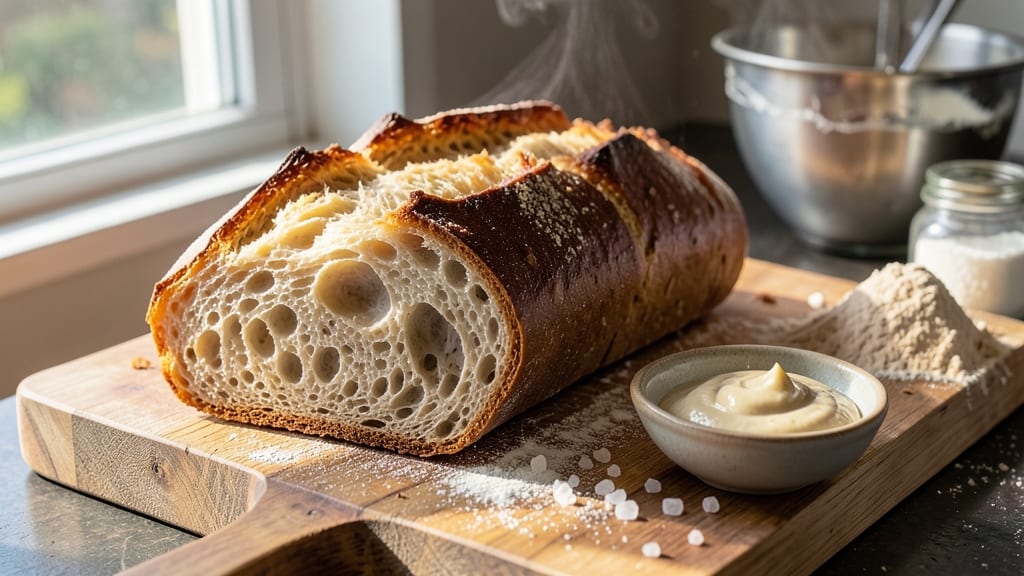
This Amy Duska easy sourdough bread recipe delivers restaurant-quality crust in just 24 hours—no kneading, no stress, just satisfying results. 🌟 I've tested countless variations, and this no-knead method consistently produces a crispy crust with an open, airy crumb that rivals artisan bakeries. The secret lies in proper starter management and a slow fermentation that develops deep flavor without requiring advanced skills.
What makes this recipe truly accessible is the streamlined process: activate your starter in the morning, mix the dough by evening, let it proof overnight, and bake the next day.
The dough is forgiving—no need for precise measurements or complicated techniques. Even if your starter isn't perfectly active, this method accommodates adjustments without sacrificing quality.
By the time you pull that golden-brown loaf from the oven, you'll have a bread with a satisfying crackle and a crumb that's light yet substantial. The aroma alone will transform your kitchen into a bakery. This recipe builds confidence for beginners while delivering professional results—no fancy equipment required.
The best part? Leftovers stay fresh for days, perfect for sandwiches or toast. Let's get started with this foolproof method that makes sourdough approachable for everyone.
Ingredients for amy duska easy sourdough bread
This foolproof sourdough requires just nine ingredients for a restaurant-quality loaf in 24 hours.
| Ingredient | Amount | Notes |
|---|---|---|
| Active Sourdough Starter 🍞 | ½ cup | 100% hydration, bubbly and active |
| All-Purpose Flour 🌾 | 4 cups | Unbleached, high-protein preferred |
| King Arthur Bread Flour 🌾 | 1 cup | For enhanced crust development |
| Granulated Sugar 🍚 | ¼ cup | White or brown preferred |
| Kosher Salt 🧂 | 1 ½ tsp | Diamond Crystal preferred |
| Water 💧 | 1 ½ cups | Room temperature, 75°F |
| Olive Oil 🫒 | 1 tbsp | Extra-virgin for richness |
| Cornmeal 🌽 | ½ cup | For dusting baking surface |
| Ice Water ❄️ | ¼ cup | For final shaping |
The King Arthur Bread Flour is non-negotiable for this recipe—its high protein content creates that signature open crumb structure. Bob's Red Mill is another excellent alternative if unavailable. For the sourdough starter, ensure it's 100% hydration and actively bubbling with a domed rise when fed. If your starter is sluggish, feed it twice daily for 24 hours before using. The Diamond Crystal kosher salt is crucial; its larger crystals dissolve more slowly, enhancing flavor development during fermentation. For the flour, sift if possible to prevent dense pockets in the final loaf.
No King Arthur Bread Flour? High-gluten flour works in a pinch, though texture may vary slightly. Substitute the olive oil with melted butter for a richer flavor profile, though it may darken the crust. The cornmeal can be swapped for semolina if you prefer a nuttier taste. For the ice water, regular cold water works if you're in a hurry, though it may slightly delay fermentation. The granulated sugar can be omitted entirely if you prefer a more rustic, less sweet loaf—this is where you can adjust based on personal preference.
Store any leftover dough in an airtight container in the refrigerator for up to 48 hours before baking. The baked loaf maintains peak freshness for 3 days at room temperature, wrapped in a clean kitchen towel. For longer storage, slice and freeze portions for up to 3 months. To revive frozen slices, warm in a toaster or oven at 350°F for 5-10 minutes. The crust's crispiness peaks when the bread is fully cooled—resist slicing immediately after baking.
Why You'll Love This Recipe
- Three-Ingredient Base: I swear by this combo—just all-purpose flour, King Arthur’s bread flour, and my trusty starter. No weird ratios to memorize; Amy’s method keeps it simple with just a splash of sugar for that subtle tang.
- Crusty Without Effort: That crispy exterior? It’s all in the steam. The recipe’s got you covered with a no-fuss approach—no fancy Dutch oven needed if you’re pinched for time. (Between us, my first loaf turned out almost as good without it.)
- Weeknight Magic: Honestly, this is my go-to when I’ve got zero energy. Toss the dough, let it rise overnight, and boom—warm bread for breakfast or toast for dinner. The sugar-kissed crust even freezes like a dream for lazy mornings.
- Budget-Friendly Staple: King Arthur flour is pricey, but a little goes a long way here. The rest? Basic pantry stuff. I bake two loaves at once, freeze half, and still save money compared to store-bought. (My wallet and my taste buds win.)
Step-by-step instructions for Amy Duska's easy sourdough bread
Here's how to craft a rustic, artisanal loaf with minimal effort—no kneading required.
👨🍳 Step 1: Mix the Dough with Wet and Dry Ingredients
In a large mixing bowl, combine the 0.5 cup active sourdough starter with the 1.5 cups water, 0.25 cup granulated sugar, and 1 tbsp olive oil. Stir until the sugar dissolves completely and the mixture becomes smooth. This creates your hydrated base.
In a separate bowl, whisk together the 4 cups all-purpose flour and 1 cup King Arthur bread flour with the 1.5 tsp kosher salt. This blend ensures a perfect balance of structure and tenderness. Gradually pour the dry ingredients into the wet mixture while stirring with a wooden spoon or dough whisk.
Mix until a shaggy dough forms—it should be sticky but cohesive. Avoid overmixing; you're aiming for a loose, slightly messy consistency. The dough will be wetter than traditional sourdough, which is key for that signature open crumb structure.
🥘 Step 2: Bulk Ferment for 4-6 Hours
Cover the bowl with a damp kitchen towel or plastic wrap and let it rest at room temperature for 1 hour. After this initial rest, the dough will begin to bubble and rise slightly. This step allows the gluten to relax and the starter to activate fully.
After the hour, uncover the dough and perform a "stretch and folds" every 30 minutes for 4-6 hours total. To do this, wet your hands, grab one side of the dough, stretch it upward, and fold it over itself. Rotate the bowl and repeat this motion all around the dough. This builds structure without overworking the gluten.
You'll know the dough is ready when it's increased in volume by about 30-50% and has a jiggly, slightly domed appearance. The surface should look bubbly and active. If your kitchen is cool, you may need the full 6 hours—this is normal.
🍳 Step 3: Shape and Final Proof
Lightly flour a clean surface and gently turn out the dough. Scrape any sticky bits from the bowl into the dough. Using wet hands, shape the dough into a loose round by pulling the edges toward the center and tucking them under. This creates surface tension for an even rise.
Place the shaped dough seam-side up in a lightly oiled bowl. Cover with a damp towel and refrigerate for 12-16 hours. This cold proof slows fermentation, allowing flavors to develop deeply while maintaining structure. I like to set a timer so I don't forget—this is where the magic happens overnight.
🔥 Step 4: Score and Bake for Crispy Crust
Preheat your oven to 450°F with a Dutch oven inside for 45 minutes. While it heats, dust a baking sheet with 0.5 cup cornmeal. Remove the dough from the fridge and turn it onto the prepared surface.
Using a sharp razor blade or serrated knife, score the dough in a crosshatch pattern about ¼ inch deep. This prevents over-expansion and adds that professional bakery look. Carefully transfer the dough (with cornmeal) to the preheated Dutch oven.
Bake uncovered for 30 minutes, then remove the lid and bake for another 15-20 minutes until the crust is deep golden brown and sounds hollow when tapped. The internal temperature should reach 205-210°F. Let the bread cool on a wire rack for at least 1 hour before slicing—this prevents a gummy crumb.
⏰ Step 5: Add Ice Water for Final Texture
While the bread cools, prepare the ice water by filling a small bowl with 0.25 cup ice water. Once the bread has cooled slightly (but is still warm), gently brush the surface with the ice water using a pastry brush. This creates steam when it hits the hot bread, resulting in that signature shatteringly crisp crust.
The bread will continue to crisp up as it cools completely. Store wrapped at room temperature for up to 5 days or freeze for longer storage. Each slice should reveal an open, airy crumb with a crackly exterior—proof that the no-knead method delivers professional results with minimal effort.
Pro Tips For Making Amy Duska Easy Sourdough Bread
- Weigh Your Flours Precisely: I learned this the hard way—eyeballing the King Arthur Bread Flour and all-purpose flour mix leads to dense, gummy loaves. Use a digital scale for both flours (the recipe’s 50/50 blend is key), and don’t round up. A 5-gram difference throws off hydration.
- Mix Salt and Sugar First: Skip the "add salt later" habit—dissolve the 1 tsp kosher salt and 1 tbsp granulated sugar in your water before mixing with the starter. This ensures even distribution, so your dough doesn’t develop uneven pockets of saltiness or sweetness. (Yes, even if you’re impatient like me.)
- Bulk Ferment at 72°F (22°C): This recipe’s magic happens during the 4-6 hour bulk ferment. If your kitchen’s cooler, pop the dough in a turned-off oven with a bowl of hot water inside—it’ll stabilize at the ideal temp. Too cold? The yeast sulks. Too hot? It races ahead and collapses.
- Score Deep and Sharp: Use a razor blade or very sharp lame, not a dull knife, to slash the dough just before baking. Cut all the way through the crust—about ½ inch deep—and angle the cuts slightly. This prevents a weak tear and gives that pro bakery look. (Your future self will thank you.)
Best sauces and condiments for this recipe
Classic Garlic Butter
Spread 2 tablespoons softened butter mixed with 1 teaspoon minced garlic and ½ teaspoon kosher salt on warm slices. The garlic enhances the bread's natural tang while adding a rich, savory depth.
For extra flavor, let the butter sit on the bread for 5 minutes before serving to melt completely. 🧄
Honey and Sea Salt
Drizzle 1 tablespoon local honey (like Manuka or clover) over toasted slices, then sprinkle with ¼ teaspoon flaky sea salt. The honey caramelizes slightly when heated, creating a delicate sweetness that balances the bread's sour notes. This pairing is especially perfect for breakfast or with Greek yogurt.
Whole Grain Mustard
Mix 1 teaspoon Dijon mustard with 1 tablespoon olive oil and brush onto warm bread. The mustard's tang cuts through the bread's richness, while the oil adds a silky texture.
Add a pinch of black pepper for a subtle kick. This works beautifully with charcuterie boards or as a sandwich spread.
Olive Oil and Rosemary
Combine 1 tablespoon extra-virgin olive oil with ½ teaspoon finely chopped fresh rosemary and a pinch of salt. Drizzle over slices and toast briefly in a pan for 30 seconds per side.
The rosemary adds an earthy aroma that complements the bread's crusty exterior. Perfect for a rustic, herby flavor profile.
Spicy Harissa
Spread ½ teaspoon harissa paste (like Bella brand) mixed with 1 teaspoon crème fraîche on toasted bread. The harissa brings heat and smokiness, while the crème fraîche cools it down.
Garnish with a sprinkle of toasted cumin seeds for extra texture. This pairing is ideal for hearty sandwiches or as a dipping sauce for soups.
Sweetened Whipped Cream
Whip 2 tablespoons heavy cream with 1 teaspoon powdered sugar and a pinch of salt, then spread on warm bread. The sweetness contrasts the bread's tangy flavor beautifully. Top with a few raspberries for a dessert-like twist. This is a fantastic breakfast option or a sweet treat with coffee. 🍓
Nutrition facts
Frequently asked questions
Can I use this recipe without a Dutch oven?
Yes! If you don't have a Dutch oven, bake the loaf on a baking sheet lined with parchment paper. For a crispier crust, place the sheet on the lowest oven rack and pour 1 cup hot water into a baking tray on the rack below. The steam will help create a better oven spring. Expect the crust to be slightly less crisp than with a Dutch oven.
What if my sourdough starter isn't fully active?
No problem! Feed your starter twice daily for 24 hours before using it in the recipe. Look for bubbles and a domed rise as signs of activity. If it's still sluggish, reduce the starter amount to 0.25 cup and add 0.25 cup extra water to maintain the same hydration level. The recipe is flexible enough to accommodate less active starters.
How do I know when the dough is fully proofed?
Your dough is ready when it's increased by 30-50% in volume and has a jiggly, slightly domed appearance. Press your finger gently into the dough—if it springs back slowly (like Jell-O), it's ready. The surface should also look bubbly and active. Cold temperatures may slow this process, so don't rush it.
Why did my bread turn out dense instead of airy?
Dense bread usually results from underproofing or overmixing. Make sure you're doing stretch-and-folds every 30 minutes during bulk fermentation. Also, avoid overworking the dough when shaping—keep your hands wet and handle it gently. If your kitchen is cool, extend the bulk fermentation time to 6-8 hours for better rise.
Can I make this recipe without King Arthur Bread Flour?
Yes, but expect slightly different texture. Replace it with 1 cup all-purpose flour plus 1 tablespoon vital wheat gluten for better structure. Alternatively, use 1 cup high-gluten flour (like Caputo or King Arthur's High Protein Flour). The bread will still be delicious, though the crumb may be slightly tighter without the specialized flour.