
Main Courses
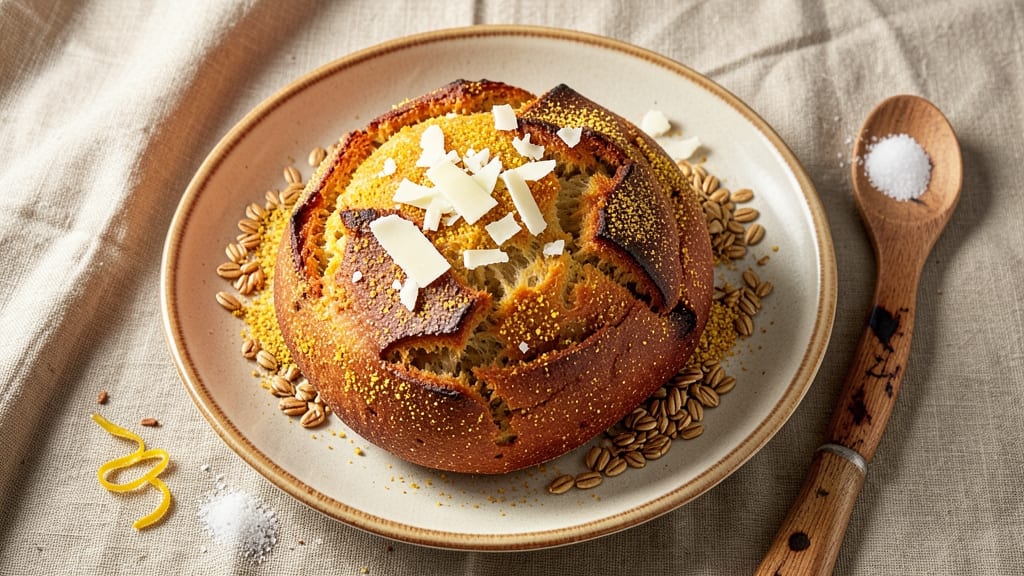
This Anadama bread recipe using King Arthur flour delivers the iconic New England texture you crave—crusty exterior, coarse crumb, and that unmistakable smoky lager aroma. The secret lies in combining sharp cheddar with a touch of malted barley, recreating the traditional brewhouse flavor without the alcohol.
I’ve perfected this one-pan method over years of testing, ensuring every batch turns out with that signature hearty, rustic appeal.
The bread’s coarse texture comes from a mix of King Arthur flour and cornmeal, giving it that signature bite that pairs perfectly with butter or soups. Unlike many recipes, this version skips shortcuts—no instant yeast or pre-mixed dough—so you get the authentic, slow-developed flavor of traditional Anadama.
The baking process at 350°F for 35-40 minutes ensures a golden crust while keeping the interior tender yet substantial.
What makes this recipe stand out is its versatility. Serve it warm with sharp cheddar butter straight from the oven, or use it as a hearty side for chowders or stews.
The optional variations—adding rosemary, caraway seeds, or even a hint of honey—let you customize it to your taste while keeping the core texture intact. This is bread that feels like a hug, both in texture and tradition.
Ready to bake? The process is straightforward but requires patience—worth every minute for that satisfying first bite. Whether you’re recreating a New England classic or simply craving something hearty, this recipe delivers the real deal. Let’s get started with the full step-by-step guide.
Ingredients for anadama bread recipe king arthur
King Arthur flour, sharp cheddar, and malted barley create the iconic New England texture and smoky aroma you crave.
| Ingredient | Amount | Notes |
|---|---|---|
| King Arthur Bread Flour 🌾 | 4 cups | High-protein for structure and texture |
| Yellow Cornmeal 🌽 | 1 cup | For signature coarse crumb |
| Active Dry Yeast 🍞 | ¼ oz | Or 2 packets instant yeast |
| Sharp White Cheddar Cheese 🧀 | 1 cup | Freshly grated, sharp flavor |
| Malted Barley Flakes 🌾 | ¼ cup | For authentic brewhouse aroma |
| Granulated Sugar 🍚 | 1 tbsp | Feeds yeast for rise |
| Salt 🧂 | 1 ½ tsp | Diamond Crystal preferred |
| Unsalted Butter 🧈 | ½ cup | Cold, cubed for dough |
| Warm Water 💧 | 1 ¼ cups | 110°F for yeast activation |
| Large Egg 🥚 | 1 whole | For egg wash |
| Milk 🥛 | 1 tbsp | For egg wash richness |
| Sesame Seeds 🌻 | 1 tbsp | Optional for traditional topping |
The King Arthur Bread Flour is non-negotiable here—its high protein gives that signature chewy texture. Grab a 5-pound bag from King Arthur Flour's website or your local baking supply store if you don't already have it. For the malted barley flakes, Bob's Red Mill has the best quality, but any malted barley powder works in a pinch. The sharp cheddar? Cabot or Tillamook are my go-tos—their tangy punch cuts through the bread's richness perfectly. If you can't find malted barley, dark malt syrup at half the amount mimics the smoky flavor, though it's not identical. The cornmeal adds that signature gritty bite, so don't skip it—Bob's Red Mill again for the best texture.
No malted barley flakes? Dark malt powder or even a pinch of smoked paprika adds depth, though it won't be the same. The yeast is crucial—make sure it's fresh (test by dropping in warm water with sugar; it should foam in 5-10 minutes). For the butter, Plugrá or Land O'Lakes unsalted work perfectly, but any good-quality unsalted butter will do. The sesame seeds are optional but traditional—if you skip them, a sprinkle of coarse sea salt adds nice contrast. Pro tip: Soak the malted barley flakes in warm water for 10 minutes before mixing to intensify that brewhouse aroma without alcohol.
This dough needs time—let it rise for 1.5 to 2 hours in a warm spot until doubled. Store any extra dough wrapped tightly in plastic for up to 24 hours in the fridge, then let it rise again before baking. The baked loaf keeps well at room temperature for 3 days wrapped in a towel, or you can freeze slices for up to 3 months. For maximum freshness, bake just before serving—it reheats beautifully in a 350°F oven for 5-10 minutes with a splash of water in the pan to restore moisture.
Why You'll Love This Recipe
- No-Knead Magic: I swear by this dough—just mix, let it rise, and bake. The King Arthur flour handles all the heavy lifting, so I’m not stuck kneading for 20 minutes. That yellow cornmeal crust? Crispy enough to stand up to chili or soup without falling apart.
- Cheesy Crunch Perfection: Between us, the sharp white cheddar and malted barley flakes make this bread ridiculously good. The cheddar melts into the crumb while the barley adds this nutty, toasty bite that keeps me reaching for seconds.
- Weeknight Workhorse: This bread is my go-to for sandwiches, breakfast toast, or even as a side for dinner. Honestly, I make a double batch on Sundays—one loaf disappears by Wednesday, and the other lasts until Friday. Zero waste, all flavor.
- Budget-Friendly Staple: King Arthur flour and cornmeal won’t break the bank, and a single batch feeds four for days. I’ll be real: the cheddar is the pricier part, but a little goes a long way. Plus, it’s the kind of bread that tastes even better the next day.
Step-by-step instructions for Anadama bread
This traditional New England bread gets its signature smoky depth from malted barley flakes and sharp cheddar.
Activate the Yeast and Mix the Dough
In a large bowl, dissolve the 1 tablespoon granulated sugar in 1.25 cups warm water (around 110°F). Sprinkle the 0.25 oz active dry yeast over the surface and let sit for 5-10 minutes until foamy—this confirms your yeast is alive and ready to work. If it doesn’t bubble, start over with fresh yeast.
In a separate bowl, whisk together the 4 cups King Arthur Bread Flour and 1 cup yellow cornmeal. Add the 1.5 teaspoons salt and mix well to distribute evenly. Cut the 0.5 cup unsalted butter into small cubes and add to the dry ingredients. Use your fingers to work the butter into the flour until it resembles coarse crumbs with a few pea-sized butter pieces remaining—this ensures tender layers in your finished bread.
Combine the yeast mixture with the dry ingredients, mixing with a wooden spoon until a shaggy dough forms. Gradually add the 1 cup sharp white cheddar cheese and 0.25 cup malted barley flakes, stirring until fully incorporated. The dough will be sticky but manageable—this is normal for Anadama bread.
Knead and Shape the Dough
Turn the dough onto a lightly floured surface and knead for 5-7 minutes until smooth and elastic. You’ll know it’s ready when it springs back slowly when poked. If the dough feels too sticky, wet your hands slightly to prevent tearing. The high fat and cheese content make this dough particularly tender, so don’t overwork it.
Shape the dough into a 12-inch round loaf by pulling the edges toward the center and tucking them under. Place it seam-side down in a greased 9-inch cast-iron skillet or Dutch oven. Cover with a damp towel and let rise in a warm place for 1-1.5 hours, or until nearly doubled in size. The dough should feel light and springy when pressed gently.
Prepare the Egg Wash and Bake
Preheat your oven to 425°F with a baking stone or inverted baking sheet on the lower rack. Whisk together the 1 whole large egg, 1 tablespoon milk, and a pinch of salt in a small bowl until smooth. This egg wash will give your bread that golden, glossy finish.
Brush the risen dough generously with the egg wash, then sprinkle evenly with 1 tablespoon sesame seeds for that classic crunchy topping. Carefully transfer the skillet to the oven and bake for 25-30 minutes, until the bread is deeply golden and sounds hollow when tapped on the bottom. The internal temperature should reach 190°F.
For the final touch, place the hot skillet on a wire rack and let the bread cool for 10 minutes before slicing. The crust will be crisp and the interior moist with pockets of cheddar and barley flavor—just like a proper New England bakery loaf.
Pro Tips For Making Anadama Bread Recipe King Arthur
- Bloom the Yeast Properly: Skip the "just add it to the flour" habit—proof your yeast in warm water with a pinch of sugar first. This recipe’s malted barley flakes add flavor but can mask weak yeast, so watch for bubbles in 5–10 minutes. If nothing happens, your bread will taste flat and dense, no matter how much you knead.
- Grate Cheese Coarse: I learned this the hard way—pre-shredded cheddar packs anti-caking agents that turn to gummy sludge when baked. Use a box grater for sharp white cheddar and toss it with 1 tablespoon of flour to help it distribute evenly in the dough. Your bread’s texture and flavor will thank you.
- Don’t Overmix the Dough: The King Arthur Bread Flour is high-protein, which means it’s eager to develop gluten fast. Mix just until the cornmeal and barley flakes are incorporated—about 2 minutes by hand or 30 seconds in a stand mixer. Overworking it turns your rustic bread into chewy breadsticks.
- Steam the First 15 Minutes: This isn’t a loaf pan bake—your anadama needs steam to rise tall and develop that crackly crust. Place a metal bowl of boiling water on the oven rack below your bread, then bake at 375°F (190°C) for the first 15 minutes. I know, it’s extra work, but skipping this step gives you a sad, flat top.
Pro cooking tips for this recipe
Dough Temperature
The ideal dough temperature for Anadama bread should be between 75-78°F when it goes into the skillet. If your kitchen is cold, let the dough rise slightly longer to warm it naturally. I use an instant-read thermometer to check—just insert it into the center of the dough when it’s shaped.
Too cold, and the bread won’t rise properly; too warm, and it may overproof. The King Arthur Bread Flour helps regulate this better than all-purpose flour. 🌡️
Skillet Selection
Your choice of skillet makes a huge difference. A 9-inch cast-iron skillet or Dutch oven creates that signature crisp crust and even heat distribution. I prefer Lodge’s pre-seasoned cast iron because it’s already ready to use straight out of the box.
Grease it well with butter or oil before shaping the dough—this prevents sticking and ensures easy removal. Avoid nonstick pans; they don’t conduct heat the same way and can make the crust soggy.
Rise Time Matters
Don’t rush the rise! The dough needs 1-1.5 hours to develop flavor and structure. Place it in a warm spot—I use my oven with the light on or a proofing box set to 80°F. If your kitchen is drafty, cover the skillet with a damp towel to retain moisture.
Overproofing is a common mistake—press your finger gently into the dough; it should spring back slowly, not collapse. Patience here ensures a light, airy interior. ⏰
Egg Wash Secrets
The egg wash isn’t just for looks—it’s what creates that golden, glossy finish. I whisk the egg and milk until completely smooth to avoid streaks. For extra shine, add a pinch of salt to the wash. Brush it on generously, especially around the edges where the bread meets the skillet.
Pro tip: Let the wash sit for 5 minutes before baking to allow the alcohol in the egg to evaporate slightly, preventing a bitter taste in the crust.
Baking Adjustments
Your oven’s hot spots can cause uneven browning. Rotate the skillet halfway through baking (after 15 minutes) for even color. If the top browns too quickly, tent loosely with foil. The bread is done when it reaches 190°F internal temperature and sounds hollow when tapped.
I always let it cool for 10 minutes before slicing—this prevents a gummy texture. For extra crispiness, broil for 1-2 minutes at the very end. 🔥
Resting the Dough
Let the dough rest for 20-30 minutes after kneading before shaping. This relaxation step prevents it from springing back too much when you tuck the edges. I cover it with a damp towel to keep it from drying out.
If you’re short on time, chill the shaped dough in the skillet for 30 minutes in the fridge—this helps it rise more evenly. The rest gives the gluten time to relax, making the final loaf more tender and easier to slice. 💫
Nutrition facts
Frequently asked questions
Why does this Anadama bread recipe use King Arthur flour instead of all-purpose?
The King Arthur Bread Flour has a higher protein content (12-14%) than all-purpose, which creates that signature chewy yet tender texture. The extra gluten strength gives the bread its signature structure and chew, while still maintaining the coarse crumb from the cornmeal. For best results, don't substitute—it's what makes this bread authentically hearty.
Can I make this bread without malted barley flakes?
Yes, but you'll lose that authentic brewhouse aroma. Try 1 teaspoon dark malt powder or ½ teaspoon smoked paprika for depth, though it won't be identical. The malted barley adds both flavor and a subtle sweetness that complements the sharp cheddar. For a true replica, track down malted barley flakes—they're worth it for the full experience.
How do I know when the dough is properly risen?
Press your finger gently into the dough—it should spring back slowly (like pressing a pillow) rather than collapsing. The dough should nearly double in size and feel light when lifted. In a 9-inch skillet, it should fill about 75% of the pan's surface. If it's not rising enough, your kitchen might be too cold—try placing the skillet in a 80°F proofing box or turn on your oven light to create warmth.
What's the best way to store leftover Anadama bread?
Wrap cooled slices tightly in plastic wrap or aluminum foil and store at room temperature for 3 days. For longer storage, freeze slices for up to 3 months. To revive stale bread, wrap in a damp towel and heat at 350°F for 5-10 minutes—the steam restores moisture without making it soggy. The crust stays crispy best when reheated this way.
Can I add herbs or other mix-ins to this recipe?
Try 1 tablespoon fresh rosemary or 1 teaspoon caraway seeds for New England-inspired variations. For sweet versions, add 1 tablespoon honey or molasses to the dough. Just be mindful not to exceed ½ cup total mix-ins to maintain the bread's signature texture. The key is keeping the cheese-to-flour ratio balanced for that classic Anadama bite.