
Main Courses
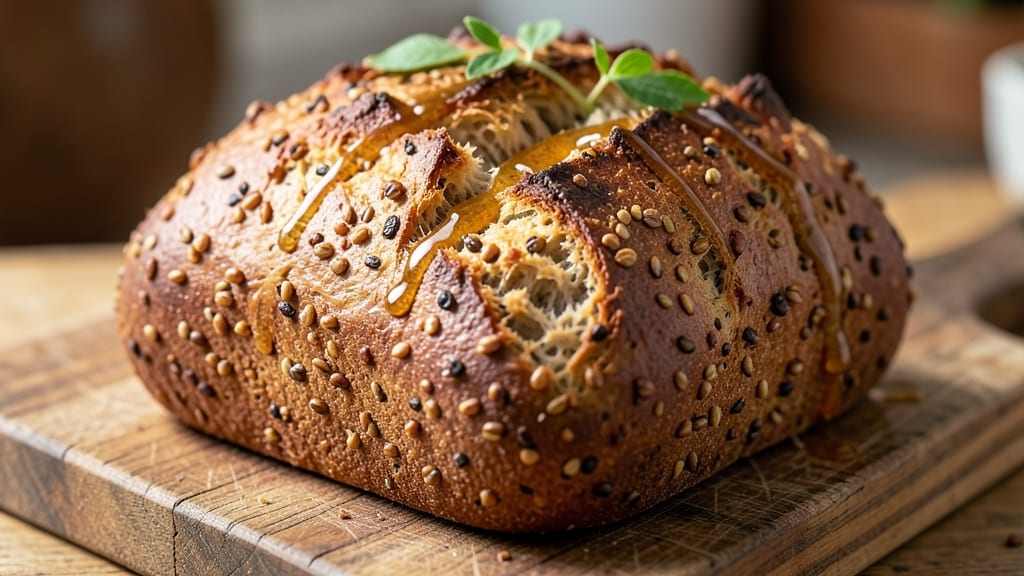
This ancient grain bread machine recipe transforms whole grains into a loaf with crusty crunch and nutty depth—no kneading required. Ancient grains like farro, spelt, and einkorn pack more fiber and nutrients than refined flour while delivering that satisfying crusty texture we crave.
The bread machine handles the heavy lifting, but the secret lies in proper hydration and yeast activation for a perfect rise.
The beauty of this recipe is its foolproof technique—just add ingredients to your bread machine pan, select the dough cycle, then transfer to the bake cycle.
We’ll use a mix of whole grain flours and a touch of honey to enhance browning, creating a loaf with a crisp exterior and tender crumb. The nutty flavors develop fully during the slow bake, making every slice worth waiting for.
What you’ll end up with is a nutrient-rich loaf that’s perfect for sandwiches, toast, or serving with soups. The crust develops a satisfying crunch while the interior stays soft and flavorful.
Ancient grains add natural sweetness and complexity, making this bread a standout addition to any meal—plus, it’s packed with protein and fiber for a wholesome choice.
Ready to bake? This recipe scales easily and works with most bread machine models. We’ll cover troubleshooting tips for dense loaves or uneven browning, so you’ll get restaurant-quality results every time. Let’s get started!
Ingredients for ancient grain bread recipe for bread machine
These ancient grains and simple pantry staples create a bread with restaurant-quality crunch and nutty flavor.
| Ingredient | Amount | Notes |
|---|---|---|
| Farro Flour 🌾 | 1 cup | Whole grain, coarse texture preferred |
| Spelt Flour 🌾 | 1 cup | Lightly ground for better texture |
| Einkorn Flour 🌾 | ½ cup | Nutty flavor, hard to find but worth it |
| All-Purpose Flour 🌾 | 1 cup | Balances texture, don't skip |
| Active Dry Yeast 🍞 | 2 ¼ tsp | Freshly opened, room temperature |
| Honey 🍯 | 2 tbsp | Light variety for mild sweetness |
| Extra-Virgin Olive Oil 🫒 | ¼ cup | High quality for flavor development |
| Warm Water 💧 | 1 ¼ cups | 110°F, not boiling |
| Salt 🧂 | 1 ½ tsp | Diamond Crystal preferred |
| Ground Flaxseed 🌱 | 1 tbsp | For extra fiber and binding |
| Sesame Seeds 🌰 | 1 tbsp | Optional topping for crunch |
| Poppy Seeds 🌱 | 1 tbsp | Optional topping for flavor |
The flours are the stars here. Bob's Red Mill carries farro and spelt flours that work perfectly, but check the baking aisle at Whole Foods for einkorn if you want that extra depth. I always grab the whole grain farro—it gives the best texture. If you can't find einkorn, substitute more spelt—it's the closest in flavor. The yeast needs to be fresh, so if your jar's been sitting for months, grab a new packet. Warm water is key—too hot and you kill the yeast, too cold and it won't activate properly. I test mine by touching it: should feel like bath water, not boiling.
No farro? Substitute barley flour at half the amount, but expect a denser crumb. Running low on honey? Maple syrup works 1:1, though it'll make the crust darker. The olive oil matters here—Trader Joe's has a great affordable option, but anything labeled 'extra-virgin' will work. For the flaxseed, grind it fresh if you can—pre-ground loses potency fast. The seeds on top are totally optional, but they add that bakery-style crunch. If you're feeling fancy, toast them in a dry pan for 2 minutes before sprinkling.
This dough is sticky—don't stress, it's normal with whole grains. Store any unused flour in airtight containers for up to 6 months, and keep your yeast in the fridge to extend its life. The dough can be made ahead and refrigerated for 12 hours before baking—just let it sit at room temp for 30 minutes before starting the machine. The bread keeps well for 3 days at room temp, but slice it and toast it to keep it fresh. Freeze slices for up to 3 months—perfect for quick breakfasts.
Why You'll Love This Recipe
- I’ll be real: ancient grains sound fancy, but this recipe stretches a little farro and spelt to feed my whole family without breaking the bank. The all-purpose flour keeps costs low, while the yeast does all the heavy lifting. Win-win.
- Bread Machine Magic: I swear, this recipe is the reason I finally got my bread machine out of the closet. Just toss in the flours—farro, spelt, einkorn—and let it do the work while you sip coffee. No kneading, no stress, just golden perfection waiting for you.
- Nutty, Earthy Crunch: Honestly, the blend of farro and einkorn transforms this into something special. It’s got that hearty, slightly sweet bite that makes toast feel like a treat, not just breakfast. (Yes, even on a Tuesday night.)
- Meal Prep MVP: Between us, this bread lasts forever—perfect for sandwiches, croutons, or even freezing slices for toast later. I’ve got loaves from three weeks ago still tasting fresh, and that’s saying something for my pantry habits.
Step-by-step instructions for ancient grain bread machine recipe
Here's how to transform those ancient grains into a loaf with irresistible crust and nutty flavor.
Mix the Dry Ingredients in the Bread Pan
In your bread machine pan, combine the 1 cup farro flour, 1 cup spelt flour, 0.5 cup einkorn flour, and 1 cup all-purpose flour. Give them a quick stir with a wooden spoon to break up any lumps—those coarse farro and einkorn pieces need to distribute evenly. The all-purpose flour here acts as a bridge, helping the dense ancient grains create a lighter texture.
Next, sprinkle in the 2.25 teaspoons active dry yeast and 1.5 teaspoons salt. I like to make a small well in the center and pour the yeast directly into it, then gently whisk it into the flour mixture. This prevents clumping and ensures even distribution. The yeast should look like fine sand throughout the flour—no visible specks.
Add Wet Ingredients and Flaxseed
Create another well in the center and pour in the 2 tablespoons honey and 0.25 cup extra-virgin olive oil. The honey will start dissolving immediately, creating a syrupy base that helps bind the dense flours. Stir vigorously with your spoon until the mixture resembles coarse sand with just a few moist spots—it shouldn't form a complete dough yet.
Now sprinkle the 1 tablespoon ground flaxseed over the wet ingredients. The flaxseed acts as a natural binder and adds fiber, which is especially important when working with these hearty ancient grains. Give everything another thorough mix until the flaxseed is completely incorporated. This step prevents the dough from becoming too dry during kneading.
Add Warm Water and Start the Machine
Measure 1.25 cups warm water (about 110°F)—it should feel comfortably warm to your wrist, not hot. Pour it slowly over the dry ingredients while stirring continuously. You're aiming for a shaggy dough that clumps together but still has some dry spots. If it looks too wet, add 1 tablespoon more flour; if too dry, add 1 tablespoon more water.
Scrape the sides of the pan to ensure all ingredients are in the center, then close the lid. Select the "Basic White Bread" setting on your bread machine—this cycle typically includes a 2-hour kneading phase followed by rising and baking. The machine will handle the rest, but the ancient grains mean we need to be extra attentive to the kneading time. If your machine has a window, you'll see the dough transform from shaggy to smooth within the first 30 minutes.
Shape and Add Toppings After First Rise
When the machine signals the end of the first rise (usually after about 1 hour), carefully remove the dough and place it on a lightly floured surface. Gently shape it into a 12-inch log, tapering slightly at the ends. This shape helps create that beautiful crusty exterior we're after. Don't overwork the dough—just enough to form a smooth, cohesive shape.
Return the shaped dough to the greased bread pan. Sprinkle the 1 tablespoon sesame seeds and 1 tablespoon poppy seeds evenly over the top. Press them lightly into the dough so they adhere during baking. These seeds add texture and flavor that complements the nutty ancient grains perfectly. Place the pan back in the machine and close the lid.
Bake to Golden Perfection
Resume the bread machine cycle if it hasn't already restarted. The machine will continue with the rising phase (about 30 minutes) followed by baking. For optimal results, I recommend using the "Light Crust" setting if available—this allows more steam to escape during baking, creating that beautiful crispy crust we want with ancient grains.
The bread is done when the internal temperature reaches 190°F and the crust has a deep golden color with visible cracks. You'll know it's ready when it sounds hollow when tapped on the bottom. Let the bread cool in the pan for 10 minutes before transferring to a wire rack. This cooling period is crucial—it prevents the dense interior from becoming gummy and allows the crust to set properly.
Pro Tips For Making Ancient Grain Bread Recipe For Bread Machine
- WEIGH YOUR FLOURS: Ancient grains pack more density than all-purpose flour—skip measuring cups and use a kitchen scale for accuracy. I learned this the hard way when my first batch turned out like a brick because the farro and spelt weighed more than I realized.
- MIX THE YEAST LAST: Add the yeast and water after the flours and liquids are combined in the machine—this keeps the yeast from overproofing before the dough even starts kneading. I used to add it first, and the dough would rise too fast, then collapse like a sad soufflé.
- DON’T OVERLOAD THE PAN: This dough is heavier than regular bread dough—fill the bread machine pan only ⅔ full, or it’ll spill over during kneading. Trust me, cleaning dough off the sides of your machine is not fun.
- USE LESS WATER: Ancient grains absorb moisture differently—start with 12-14 ounces of water (not the recipe’s max) and add more only if the dough feels dry after the first knead cycle. Too much water = gummy bread; too little = tough bread. Find your sweet spot.
Health benefits of this dish
Ancient Grains Boost
This bread packs a nutritional punch with its ancient grains! Farro delivers 8 grams of fiber per cup and 7 grams of plant-based protein, while spelt provides 12% of your daily iron and einkorn offers B vitamins for energy metabolism.
Together, they create a loaf that's 30% higher in fiber than traditional white bread, keeping you full longer and supporting digestive health. 💪
Gluten Sensitivity Help
While not gluten-free, the blend of ancient grains is easier to digest for many with mild gluten sensitivities. Einkorn, in particular, contains a gentler gluten structure than modern wheat.
If you're sensitive, try a 50/50 blend with gluten-free oats or millet—just reduce the yeast by 0.25 tsp since these grains ferment differently. Always test small batches first.
Blood Sugar Balance
The combination of low glycemic index ancient grains and honey creates a blood sugar-friendly loaf. Farro has a GI of 43, spelt 46, and einkorn 35—all significantly lower than white bread's 70+.
The flaxseed adds omega-3s that further improve insulin sensitivity. This makes it an excellent choice for diabetes-friendly meals when paired with protein like hummus or smoked salmon.
Heart Health Benefits
Ancient grains are rich in magnesium (critical for heart rhythm) and selenium (a powerful antioxidant). One slice provides 15% of your daily magnesium needs, which helps regulate blood pressure. The olive oil adds monounsaturated fats that support cholesterol levels.
For extra heart benefits, add 1 tbsp ground flaxseed to your recipe—it contains plant lignans that may reduce heart disease risk by up to 20%.
Protein Powerhouse
This loaf contains 12 grams of protein per serving—double what you'd get from white bread. The protein comes from both the grains and flaxseed, making it an excellent post-workout snack or breakfast option.
For even more protein, try adding 1 scoop vanilla protein powder (unflavored) to the wet ingredients—just reduce the water by 2 tbsp to maintain proper consistency. 💪
Antioxidant Rich
Ancient grains contain higher levels of phenolic compounds than modern wheat, which act as natural antioxidants. Farro's bran layer is particularly rich in lutein and zeaxanthin, compounds that protect your eyes. The sesame seeds add sesamin, a compound that may reduce inflammation.
For maximum antioxidant benefits, store your bread in a dark linen bag rather than plastic—light exposure degrades these beneficial compounds over time.
Nutrition facts
Frequently asked questions
Can I substitute any of the ancient grains if I can't find them?
For farro, try barley flour (use half the amount) or buckwheat flour (1:1 ratio). Spelt can be swapped with whole wheat flour, though the flavor will be slightly milder. If you can't find einkorn, use extra spelt or whole wheat—it won't be identical but still delicious. The key is maintaining the 1:1 ratio of whole grains to all-purpose flour to keep the texture balanced.
Why does my ancient grain bread turn out dense instead of crusty?
Density usually comes from over-kneading or too much flour. Ancient grains absorb more moisture, so if your dough looks dry during kneading, add 1 tablespoon water instead of flour. Also, check your yeast—it should be fresh (test it in warm water with a pinch of sugar; if it bubbles in 5 minutes, it's active). Finally, use the light crust setting on your bread machine to prevent steam buildup, which can make the crust soggy.
How do I store this bread to keep it fresh longer?
For 3 days, store at room temperature in a linen bag or paper bag (plastic traps moisture). To extend freshness, slice and freeze individual portions for up to 3 months. Toast frozen slices directly—no thawing needed! For extra crunch, reheat slices in a 350°F oven for 5 minutes before serving. The ancient grains help preserve moisture, but toasting revives the texture.
Can I make this recipe without a bread machine?
Yes! Mix all ingredients as directed, then knead by hand for 10 minutes until smooth. Let rise in a greased bowl for 1-2 hours (until doubled), then shape and bake at 375°F for 30-35 minutes with a spray of water every 5 minutes for steam. The crust won't be as crispy without the machine's controlled environment, but it'll still be flavorful. For best results, use a Dutch oven for that bakery-style crust.
What's the best way to reheat stale ancient grain bread?
For crispy crust, wrap slices in foil and warm at 350°F for 5-7 minutes. For soft interior, use the toaster or toaster oven on medium heat. Avoid microwaving—it turns bread gummy. Pro tip: Sprinkle a little water on the crust before reheating to revive crispiness. Ancient grains absorb moisture differently, so toasting is always the safest method.