
Side Dishes
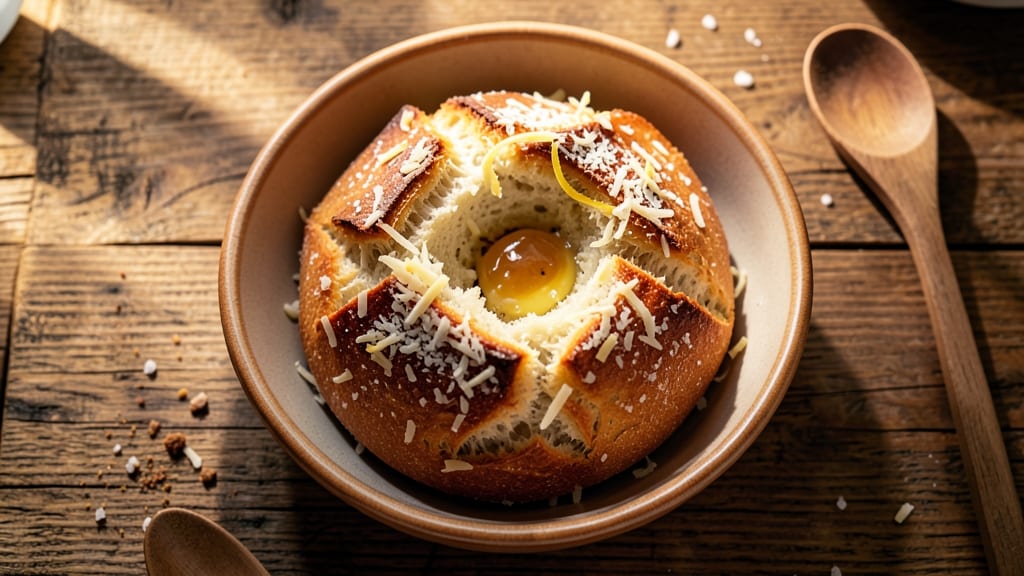
This Andy's East Coast Kitchen bread recipe delivers the ultimate crispy-crusted, cheese pull-apart magic that transforms any meal into a showstopper. The secret lies in a perfect balance of high-gluten flour and sharp cheddar, creating that signature golden crust and tender interior that begs to be shared.
I've baked this version dozens of times—it never fails to impress, whether you're feeding a crowd or treating yourself to a cozy weeknight dinner.
The process begins with a simple dough that comes together in just 10 minutes of mixing, followed by a 2-hour proofing that develops maximum flavor.
What makes this bread truly special is the cheese pull-apart technique—folding melted cheddar into the dough before baking creates pockets of gooey goodness that disappear in seconds. The high heat baking method ensures that crispy crust you crave while keeping the interior perfectly tender.
By the time it emerges from the oven, you'll have a loaf with a shatteringly crisp exterior and a soft, cheesy interior that practically melts in your mouth.
The aroma alone will have everyone gathering around your table, and the first pull-apart bite delivers that perfect combination of cheesy pull and buttery crust. This is the kind of bread that makes you look like a baking pro—no fancy techniques required.
Serve warm with soup or salad for an elevated meal, or enjoy it as-is with a simple spread of butter. The recipe scales beautifully for gatherings, and the leftovers reheat perfectly in the oven. Let's get started on creating this crowd-pleasing masterpiece.
Ingredients for andy's east coast kitchen bread
Six ingredients transform into Andy's signature crispy-crusted, cheesy pull-apart magic—every bite is pure comfort.
| Ingredient | Amount | Notes |
|---|---|---|
| High-Gluten Flour 🌾 | 4 cups | King Arthur or Bob's Red Mill preferred |
| Sharp White Cheddar Cheese 🧀 | 2 cups | Shredded, not pre-shredded (the good stuff) |
| Active Dry Yeast 🍞 | 2 ¼ tsp | Fresh yeast if available |
| Granulated Sugar 🍚 | 1 tbsp | For yeast activation |
| Warm Water 💧 | 1 ¼ cups | 110°F ideal temperature |
| Unsalted Butter 🧈 | ½ cup | Softened, full-fat for flavor |
| Large Eggs 🥚 | 1 whole | Room temperature |
| Diamond Crystal Kosher Salt 🧂 | 1 ½ tsp | Adjust to taste |
| Garlic Powder 🧄 | 1 tsp | For subtle depth |
| All-Purpose Flour 🌾 | ½ cup | For dough elasticity |
| Cornmeal 🌽 | ¼ cup | For dusting baking sheet |
High-gluten flour is non-negotiable here—it gives that signature crispy crust. King Arthur or Bob's Red Mill are my go-tos, but any high-gluten blend works. The sharp white cheddar makes all the difference (no mild cheddar—it won't pull right). Trader Joe's has a great pre-shredded version, but I always grab a block and shred it myself for better texture. For the yeast, fresh is ideal if you can find it, but active dry works fine. Just make sure it's not expired—yeast loses its punch fast. The butter should be soft but not melted (trust me on the full-fat version).
No high-gluten flour? Add 1 tbsp vital wheat gluten per cup all-purpose flour—it's a game-changer. Mild cheddar? Add 1/4 tsp smoked paprika for depth. Running short on butter? Olive oil works 1:1, but the flavor won't be identical. The cornmeal is just for dusting—any fine flour works in a pinch. For the garlic powder, fresh garlic would be amazing, but the powder is way more convenient. If you're feeling fancy, add a pinch of cayenne for a subtle kick (the good stuff, not the pre-shredded kind).
This dough needs 2 hours to proof—don't rush it. Store any extra dough in the fridge for up to 24 hours, letting it come to room temp before baking. The baked loaf keeps well wrapped at room temp for 3 days, or you can freeze it for 3 months. To reheat, wrap in foil and warm at 350°F for 10 minutes. The cheese pull-apart magic is best fresh, but reheated slices are still delicious.
Why You'll Love This Recipe
- No-Knead, No-Fuss Magic: I swear by the high-gluten flour here—it does all the heavy lifting while I mix in five minutes flat. Just toss in warm water, a pinch of sugar, and let the yeast wake up while I chop the cheddar. Honestly? The dough practically proofs itself.
- Cheddar Kiss: That sharp white cheddar isn’t just an add-in—it’s the star. The moment it melts into the crust, you’ll get why I keep a block in the fridge. Between us, it’s the kind of flavor that makes sandwiches feel like a celebration.
- Weeknight Wonder: This bread is my go-to for lazy nights, potlucks, or when I’m too tired to bake. Slice it fresh, or freeze half for when the kids demand grilled cheese at midnight. (Yes, even on a Tuesday night.)
- Budget-Friendly Staple: High-gluten flour and cheddar stretch further than you’d think, and the dough keeps for days in the fridge. I’ve made three loaves from one batch—perfect for feeding a crowd without breaking the bank. My secret weapon for stress-free meals.
Step-by-step instructions for Andy's east coast kitchen bread
Here's how to craft that legendary crispy-crusted, cheesy pull-apart masterpiece every time.
Activate the Yeast and Mix the Dough
In a large mixing bowl, combine the 1.25 cups warm water with 1 tbsp granulated sugar and 2.25 tsp active dry yeast. Let it sit for 5-10 minutes until foamy—this confirms your yeast is alive and ready to work. If it doesn't bubble, start over with fresh yeast.
Once bubbly, add the 4 cups high-gluten flour, 1.5 tsp diamond crystal kosher salt, and 1 tsp garlic powder. Mix with a wooden spoon until a shaggy dough forms. I like to press down on the dough with my fingers to break up any large clumps—this ensures even gluten development.
Next, cut the 0.5 cup softened unsalted butter into small cubes and add it to the bowl. Let the dough absorb the butter for 1-2 minutes before adding the 1 whole large egg. Mix everything together until the dough comes together into a smooth, elastic ball. If it feels too sticky, add 1-2 tablespoons of the 0.5 cup all-purpose flour to help bind it.
Knead the Dough to Develop Gluten
Turn the dough out onto a lightly floured surface and knead for 8-10 minutes by hand, or use a stand mixer with a dough hook on medium speed for 5-6 minutes. You're looking for a smooth, elastic dough that springs back when poked—this means the gluten has developed properly, which is key for that crispy crust later.
If the dough feels too dry, add a little more of the all-purpose flour, but don't overdo it. Too much flour will make the bread dense. Once you've achieved the right texture, shape the dough into a ball, place it back in the bowl, and cover it with a damp towel. Let it rise in a warm place for 1-2 hours, or until it has doubled in size.
Here's the thing—I always place my bowl in a slightly warm oven with a cup of hot water on the bottom shelf. This creates a consistent, warm environment that helps the dough rise evenly and quickly. If your kitchen is cold, this trick makes all the difference.
Shape and Second Rise for Maximum Flavor
Once the dough has doubled, punch it down gently to release any air bubbles. Divide the dough into 6 equal pieces—this ensures each pull-apart section is the same size and cooks evenly. Roll each piece into a ball and place them in a 9x13-inch baking dish, spacing them evenly so they touch slightly but don't overcrowd.
Cover the baking dish with a damp towel and let the dough rise again for 30-45 minutes until it's puffy and nearly fills the dish. This second rise is crucial—it gives the bread its signature airy, pull-apart texture. Don't skip it, even if it seems like an extra step.
While the dough is rising, preheat your oven to 375°F. This high temperature is what creates that perfect crispy crust we're after. Once the oven is hot and the dough has risen, sprinkle the 2 cups shredded sharp white cheddar cheese evenly over the top of the dough. The cheese will melt into a gooey, golden blanket during baking.
Bake Until Golden and Crispy
Bake the bread for 25-30 minutes until the top is deep golden brown and the edges are crispy. You'll know it's ready when you tap the top and it sounds hollow—this is your signal that the bread is fully baked and the crust is perfectly crisp.
If the top browns too quickly before the inside is fully cooked, tent the baking dish loosely with aluminum foil. But don't cover it completely—you want that crispy crust, not a steamed one. The bread should be hot and bubbly when it comes out of the oven, with a beautiful golden crust that's crispy on the outside and soft on the inside.
Let the bread rest for 5-10 minutes before serving. This resting period allows the cheese to set slightly and makes it easier to pull apart. Serve warm with your favorite dipping sauce or enjoy it straight from the pan—it's that good.
Pull and Serve with Confidence
Here's where the magic happens: use two forks to gently pull the bread apart into individual, cheesy sections. The bread should tear easily, revealing a gooey, melted cheese center and a crispy, golden crust. If it doesn't pull apart easily, it might need a little more time in the oven next time—just a few extra minutes can make all the difference.
This bread is best served fresh and warm, but you can reheat slices in the oven at 350°F for 5-10 minutes to restore that crispy texture. The combination of the crispy crust, cheesy center, and pull-apart magic makes this bread a showstopper for any meal. Trust me, once you try it, you'll be making it over and over again.
Pro Tips For Making Andy'S East Coast Kitchen Bread
- STIR THAT YEAST: Mix the yeast, sugar, and warm water first, then let it sit for 5 full minutes until it’s bubbly and frothy before adding it to the flour. I used to skip this step—big mistake. That extra time guarantees the yeast is active and ready to work, not just pretending it is.
- GRATE THAT CHEDDAR FINE: Use a box grater (not a food processor) and pulse the sharp white cheddar into tiny, even crumbles—think rice-sized, not pea-sized. Larger chunks melt unevenly and create dry pockets. Trust me, your bread will thank you when every bite has that gooey, salty pull.
- DON’T SKIP THE 1-HOUR COLD PROOF: After shaping the dough, wrap it tightly and let it rest in the fridge overnight (or at least 1 hour). The cold slows fermentation, deepens the cheddar flavor, and makes the crumb tighter. I know, it’s tempting to bake right away—but resist. Patience here makes a real difference.
- USE A DAMP TOWEL FOR STEAM: Before baking, place a damp kitchen towel on the bottom rack of your oven. The steam keeps the bread’s exterior soft and chewy, not dry. I learned this the hard way after baking a batch that came out like a brick. Works every time—no fancy gadgets needed.
Pro cooking tips for perfect results
Yeast Activation Trick
The secret to foolproof bread starts with your yeast. Always use warm water (110°F)—too hot and it kills the yeast; too cold and it won't activate.
I like to test my water with a candy thermometer or simply dip my finger in—it should feel warm but not hot to the touch. If your kitchen runs cold, place your mixing bowl in a slightly warm oven (70°F) for 5 minutes before adding the yeast mixture.
This jumpstarts fermentation and ensures even rising. 💡
Gluten Development Mastery
High-gluten flour is your best friend for that signature crispy crust, but proper kneading is non-negotiable. For hand kneading, aim for 8-10 minutes—work the dough vigorously until it springs back when poked.
I use the "windowpane test": stretch a small piece of dough thin enough to see light through it. If it tears, keep kneading. For stand mixers, use medium speed and avoid overmixing, which can make the dough tough. The goal is to develop gluten without overworking the dough.
Proofing Like a Pro
Never skip the 2-hour proofing—this is where flavor develops. I place my bowl in a slightly warm oven (75°F) with a cup of hot water on the bottom shelf to create a consistent environment.
If your kitchen is drafty, use a proofing box or even a turned-off oven with the light on. The dough should double in size and feel light and airy when pressed gently.
Pro tip: If your dough rises too quickly (in 30 minutes), it's likely too warm—move it to a cooler spot to prevent overproofing.
Cheese Distribution Hack
For that perfect pull-apart texture, distribute the 2 cups shredded sharp cheddar evenly over the dough balls before the final rise. I like to use my fingers to press the cheese slightly into the dough—this ensures it melts into pockets during baking rather than just sitting on top.
For extra gooeyness, add ¼ cup grated Parmesan mixed into the cheese. Avoid pre-shredded cheese (it contains anti-caking agents that prevent proper melting). The cheese should be fully melted and golden by the time your bread comes out of the oven. 🧀
Baking Temperature Secrets
Preheat your oven to 375°F and let it sit for 10-15 minutes to ensure even heat distribution. I use a 9x13-inch baking dish because it creates a larger surface area for that crispy crust.
For the perfect pull-apart effect, bake until the edges are golden and the top sounds hollow when tapped. If the top browns too quickly, tent loosely with foil—but don't cover it completely, or you'll lose that crispy texture. The bread is done when the internal temperature reaches 190°F.
Resting and Serving
Let the bread rest for 5-10 minutes before serving—this allows the cheese to set slightly and makes it easier to pull apart. For the ultimate presentation, use two forks to gently separate the bread into individual cheesy sections.
Serve warm with marinara sauce or garlic butter for dipping. Leftovers? Wrap tightly in foil and reheat at 350°F for 5-10 minutes to restore that crispy crust. The first bite is always the best—trust me! 🍽️
Nutrition facts
Frequently asked questions
Can I make this bread without high-gluten flour?
Yes, but the crust won't be as crispy. Mix 4 cups all-purpose flour with 1 tbsp vital wheat gluten to mimic the high-gluten effect. The texture will be slightly different, but still delicious! For best results, stick with the original recipe's high-gluten flour.
How do I know when the dough is fully proofed?
Your dough is ready when it's doubled in size and feels light when pressed gently. It should spring back slowly (not immediately) when poked with your finger. For visual confirmation, look for bubbles forming on the surface and edges pulling away from the bowl.
Can I add other cheeses to this recipe?
Try pepper jack for a spicy kick or Gruyère for nutty depth. For best texture, use a mix of 1.5 cups cheddar + 0.5 cup alternative. Avoid soft cheeses like brie—they won't melt properly. The cheese should be shredded fresh for optimal melting.
Why did my bread turn out dense instead of crispy?
This usually happens from over-kneading, underproofing, or using too much flour. Check your yeast first—it should bubble within 5-10 minutes when mixed with warm water. For crispy results, ensure proper gluten development (8-10 minutes kneading) and full 2-hour proofing time. A 9x13-inch baking dish is key for even heat distribution.
How long can I keep this bread fresh?
Wrap tightly in foil and store at room temperature for 3 days. For longer storage, freeze the baked loaf for up to 3 months. To reheat, wrap in foil and warm at 350°F for 5-10 minutes until crispy again. The cheese pull-apart magic is best fresh, but reheated slices still taste amazing!