
Desserts
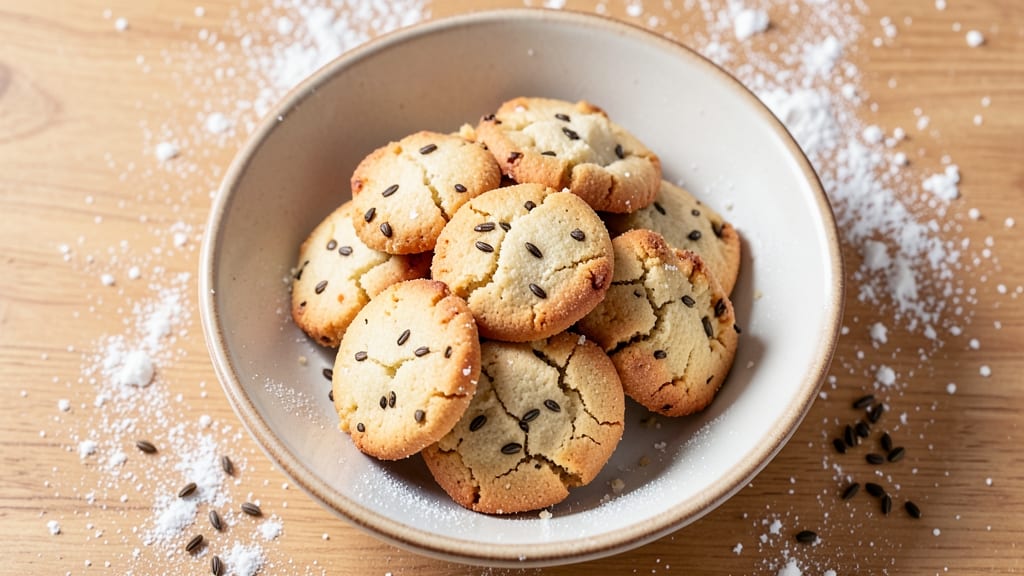
This anise shortbread cookie recipe delivers a delicate balance of licorice warmth and buttery crunch that pairs perfectly with afternoon tea. The secret lies in cold butter and cornstarch, creating that signature tender-yet-crumbly texture while anise seeds infuse subtle depth.
I've perfected this recipe over years of baking, ensuring every bite offers that perfect harmony of sweetness and herbal complexity.
The dough comes together in just 10 minutes, with no chilling required thanks to the cold butter technique. Anise seeds and vanilla extract create layers of flavor that develop as the cookies bake, resulting in a golden, aromatic treat with a satisfying snap.
Unlike traditional shortbread, these cookies have a gentle warmth from the anise that makes them truly special.
Once baked to golden perfection, these cookies maintain their crunch for days, making them ideal for gifting or stashing in your cookie jar. The vanilla depth complements the licorice notes beautifully, creating a flavor profile that's both comforting and sophisticated.
Perfect for holiday gatherings or quiet afternoons with a cup of tea.
For an extra touch, consider dusting with powdered sugar or adding a sprinkle of anise seeds before baking. These cookies improve with age, developing even more flavor as they sit. Let's create these delicate, aromatic treats that will impress anyone who tastes them.
Ingredients for anise shortbread cookie
Cold butter and anise seeds create these delicate cookies with perfect crunch and subtle licorice warmth.
| Ingredient | Amount | Notes |
|---|---|---|
| Unsalted Butter 🧈 | 1 cup | Cold, cubed, not softened |
| All-Purpose Flour 🌾 | 2 cups | Sifted, plus extra for dusting |
| Granulated Sugar 🍚 | ½ cup | Superfine preferred for texture |
| Cornstarch 🌾 | ¼ cup | For signature crumbly texture |
| Anise Seeds 🌿 | 2 tsp | Whole, lightly crushed |
| Pure Vanilla Extract 🍯 | 1 tbsp | High-quality, Madagascar preferred |
| Kosher Salt 🧂 | ¼ tsp | Diamond Crystal preferred |
| Powdered Sugar 🍚 | ¼ cup | Optional for finishing |
The butter is non-negotiable—cold cubes create that signature tender-yet-crumbly texture. Grab European-style butter from Whole Foods or Trader Joe's for the best flavor, but any unsalted brand works if it's cold. Anise seeds are key: Penzeys has the best quality, but any whole anise seeds will do—just crush them lightly between your fingers. The cornstarch gives these cookies their signature snap, so don't skip it. For flour, King Arthur is my go-to, but any all-purpose brand works if it's sifted.
No anise seeds? 1/2 teaspoon anise extract works in a pinch, but the flavor won't be as authentic. Short on vanilla? Vanilla bean paste adds little flecks of vanilla that make a difference. The powdered sugar is optional but adds that perfect finishing touch—Domino brand is my favorite for dusting. For a deeper flavor, toast the anise seeds in a dry pan for 30 seconds before crushing them. The sugar should be superfine if you can find it, but regular granulated works if you pulse it in a food processor for 10 seconds.
Store these in an airtight container for up to 5 days—they'll keep their crunch perfectly. For longer storage, freeze the baked cookies in a single layer before transferring to a container. They'll maintain their texture for 3 months. These cookies improve with age, so bake a batch and let them sit for a few days—the flavors meld beautifully. Dust with powdered sugar right after baking while they're still warm for that restaurant-quality finish.
Why You'll Love This Recipe
- I’ll be real: I make a batch and they’re gone by Thursday. The butter stays fresh, the flavor only gets better, and they’re cheap enough to bake double. Zero waste, all reward.
- No-Fuss Butter Magic: I swear, this dough comes together with just three ingredients mixed by hand—no food processor, no fuss. That cold butter cut into flour? Pure satisfaction, and it’s ready to bake while you sip your coffee.
- Licorice-Like Without the Bitter: Honestly, the anise seeds add this unexpected depth—like a whisper of licorice but way more sophisticated. The sugar keeps it sweet, and the cornstarch gives that perfect crumbly texture you can’t resist.
- Holiday or Just Because: Between us, these are my go-to for Christmas gifts, but I also make them for lazy Sundays. Wrap them in parchment, tie with twine, and suddenly you’ve got a treat that feels special—no occasion needed.
Step-by-step instructions for anise shortbread cookies
Here's how to achieve that perfect licorice-kissed crunch with vanilla depth every time.
Cut the Cold Butter into the Dry Ingredients
Place the 1 cup unsalted butter (cold and cubed) in the bowl of a stand mixer fitted with the paddle attachment. Add the 2 cups all-purpose flour, 0.5 cup granulated sugar, 0.25 cup cornstarch, 2 teaspoons anise seeds, and 0.25 teaspoon kosher salt. Pulse the mixer on low speed until the mixture resembles coarse crumbs with pea-sized butter pieces remaining.
This step is crucial—using cold butter creates the signature shortbread texture. If the butter starts to melt, chill the bowl in the freezer for 5 minutes to reset. You want the dough to hold its shape when pressed, not spread excessively in the oven. Lightly crush the anise seeds between your fingers first to release their aromatic oils without overpowering the flavor.
Add Vanilla and Mix Until Dough Forms
With the mixer still on low speed, add the 1 tablespoon pure vanilla extract and mix until the dough begins to come together. Use a rubber spatula to press the dough against the sides of the bowl to ensure even distribution of the butter.
Once the dough forms a shaggy mass, remove it from the mixer and turn it out onto a lightly floured surface. Gently knead just until smooth—about 10-12 strokes. Overworking develops gluten, which can make the cookies tough. Wrap the dough in plastic wrap and refrigerate for at least 1 hour (or up to 24 hours) to firm up.
Roll and Cut the Chilled Dough
Preheat your oven to 325°F. On a lightly floured surface, roll the chilled dough to a thickness of ¼ inch using a rolling pin. Use a 2-inch round cutter to cut out cookies, pressing straight down without twisting. Reroll the scraps and cut additional cookies until all dough is used.
Place the cut cookies on a parchment-lined baking sheet, spacing them 1 inch apart to allow for spreading. The dough should hold its shape well at this stage—if it's too soft, return it to the refrigerator for 15-20 minutes to firm up. Sprinkle the tops with 0.25 cup powdered sugar (if using) for a delicate finish.
Bake Until Golden Edges Form
Bake the cookies for 12-15 minutes until the edges are light golden brown and the centers look just slightly underbaked. Rotate the baking sheet halfway through for even baking. The cookies should feel firm to the touch when done—if they're still soft, bake for an additional 1-2 minutes.
Remove the cookies from the oven and let them cool on the baking sheet for 5 minutes before transferring to a wire rack. This brief rest prevents them from cracking as they cool completely. The finished cookies should have a delicate crumbly texture with a subtle anise aroma and a hint of vanilla warmth. Store in an airtight container for up to 1 week or freeze for up to 3 months.
Pro Tips For Making Anise Shortbread Cookie
- CHILL THE DOUGH: After mixing, wrap the dough in plastic and refrigerate for at least 2 hours—yes, even if you’re eager to bake. I used to skip this and ended up with cookies that spread too much and lost their signature crispness. Cold butter behaves better, and the texture stays clean and tender.
- TOAST THE ANISE SEEDS: Lightly toast the anise seeds in a dry pan for 30 seconds until fragrant—this deepens their flavor without burning. I was skeptical until I tried it: the aroma in the kitchen alone makes the cookies taste more intentional. Grind them fresh after topping for maximum impact.
- WEIGH THE BUTTER: Use a kitchen scale for the butter—packed firmly into the measuring cup leads to too much fat and greasy cookies. I learned this after a batch turned out like shortbread bricks. For this recipe, aim for 225g (1 cup) of cold, cubed butter, not melted.
- PRESS DON’T ROLL: Press the dough into the pan with your fingers instead of rolling it out—this prevents air pockets and ensures even baking. I tried rolling once, and the cookies puffed unevenly. A firm, flat press gives you that classic shortbread uniformity every time.
Dietary considerations for anise shortbread cookie
Gluten-Free Adaptation
For a gluten-free version, replace the 2 cups all-purpose flour with 1 ½ cups gluten-free 1:1 baking flour (like Bob's Red Mill or King Arthur) plus ½ cup cornstarch. The extra cornstarch helps maintain the signature crumbly texture.
I recommend chilling the dough for 2 hours to compensate for the lack of gluten structure. These cookies will be slightly more delicate, so handle them gently when cutting and transferring. 🌱
Dairy-Free Option
Swap the 1 cup unsalted butter for 1 cup dairy-free butter alternative like Miyoko's or Earth Balance. For best results, use a brand that mimics the fat content of butter. I've found that dairy-free butter works well in this recipe, but the texture may be slightly less tender.
Keep the dough chilled for at least 2 hours to prevent spreading. The flavor remains just as aromatic with the anise and vanilla.
Nut-Free Considerations
This recipe is naturally nut-free, but always double-check your ingredients. The King Arthur flour and cornstarch brands I recommend are processed in nut-free facilities, but cross-contamination can occur.
If you're highly sensitive, consider using certified gluten-free oats (if adding to the dough) and nut-free vanilla extract from a reputable brand like McCormick. The anise seeds themselves are nut-free, so no substitutions are needed there.
Refined Sugar Reduction
Cut the ½ cup granulated sugar to ¼ cup and replace the remaining ¼ cup with maple syrup or coconut sugar for a lower-glycemic option. The texture remains similar, though the cookies may spread slightly more.
I recommend using 100% pure maple syrup from Wyman's for the best flavor. The anise and vanilla will still shine through, creating a subtly sweeter profile that pairs beautifully with tea.
Allergen-Friendly Storage
Store gluten-free or dairy-free versions in an airtight container with a parchment paper barrier to prevent moisture loss. These adapted cookies keep their texture for 4-5 days at room temperature or 2 months in the freezer.
For extra protection, freeze individual cookies wrapped in plastic wrap before transferring to a container. Always label your adapted batches clearly to avoid mix-ups with standard cookies.
Nutrition facts
Frequently asked questions
Why do these shortbread cookies have anise flavor?
Anise seeds add a subtle licorice warmth that perfectly complements the buttery vanilla base. The seeds are lightly crushed to release their aromatic oils without overpowering the delicate shortbread texture. This flavor pairing creates a sophisticated yet comforting taste that's ideal for tea time.
Can I make these cookies without a stand mixer?
Use a pastry cutter or your fingers to work the cold butter into the flour mixture until you get coarse crumbs. A wooden spoon works well for mixing in the vanilla. Just be gentle to avoid melting the butter, which could make the cookies spread too much in the oven.
How do I prevent my cookies from spreading too much?
Keep everything cold! Use cold butter and chill the dough for at least 1 hour before rolling. Roll the dough to ¼-inch thickness and press straight down when cutting. Bake at 325°F for 12-15 minutes—don't overbake, or they'll lose their signature crunch.
What's the best way to store these cookies?
For maximum crunch, store in an airtight container at room temperature for up to 5 days. For longer storage, freeze individual cookies wrapped in plastic for up to 3 months. The flavor actually improves with age, so they're perfect for gifting or stashing in your cookie jar.
Can I use anise extract instead of seeds?
Yes, but the texture will differ slightly. Replace the 2 tsp anise seeds with ½ tsp anise extract. The flavor will be more concentrated, so use sparingly. For best results, lightly toast the seeds first to enhance their aroma before using them in the recipe.