
Side Dishes
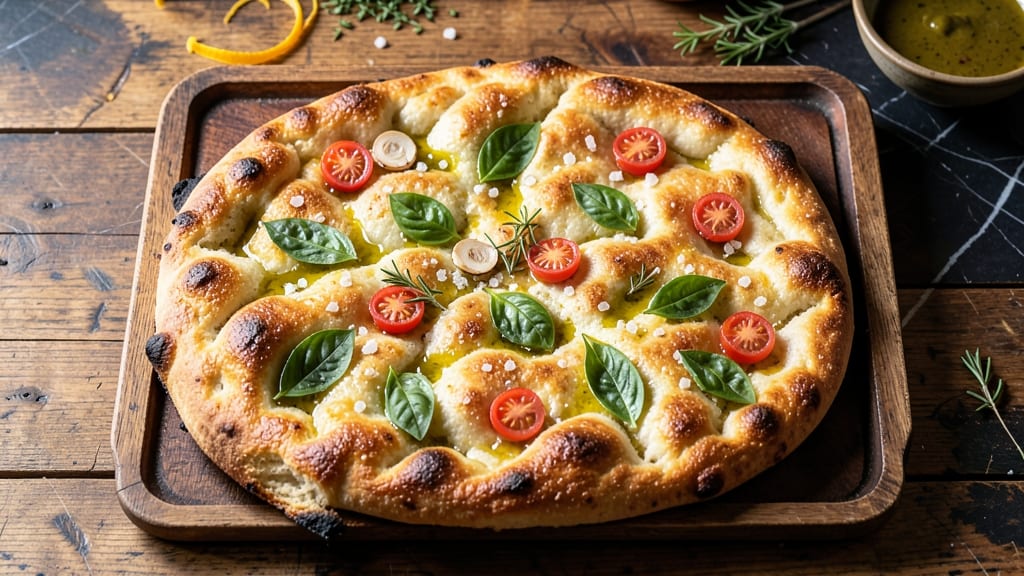
Anna Olson's focaccia bread recipe delivers flaky-layered perfection with just five simple ingredients and a foolproof method. 🌟 The secret lies in a long fermentation that develops deep flavor and creates those signature air pockets, while a generous olive oil drizzle ensures a crispy, golden crust every time.
I've baked this version dozens of times—it's the one that finally convinced my family to stop buying store-bought focaccia.
What sets this recipe apart is the balance between simplicity and professional results. No special equipment required—just a mixing bowl, baking sheet, and about 24 hours of hands-off time (most of which is in the refrigerator).
The dough comes together in minutes, but that overnight cold proofing transforms basic ingredients into something extraordinary. The flaky layers develop naturally as the dough rises slowly, creating texture that rivals artisanal bakery bread.
By the time it emerges from the oven, you'll have a loaf with a crispy, golden crust that shatters slightly when you pull it apart, revealing tender, airy layers beneath. The aroma alone will have everyone gathering in the kitchen—warm, fragrant with olive oil, and just slightly sweet.
This is the kind of focaccia that makes you look like a baking expert, even if you're just starting out.
The best part? It's incredibly versatile. Use it for sandwiches, charcuterie boards, or simply enjoy it warm with a drizzle of extra virgin olive oil and flaky sea salt.
The recipe includes optional herb toppings, but the classic olive oil version is already packed with flavor. Let's get started on creating your own restaurant-quality focaccia at home.
Ingredients for anna olson focaccia bread
Five simple ingredients transform into restaurant-quality focaccia with just 24 hours of patience.
| Ingredient | Amount | Notes |
|---|---|---|
| All-Purpose Flour 🌾 | 4 cups | High-protein preferred for chewiness |
| Instant Yeast 🍞 | ½ tsp | Or active dry (use 1 tsp) |
| Granulated Sugar 🍚 | ½ tsp | Feeds yeast for fermentation |
| Diamond Crystal Kosher Salt 🧂 | 1 ½ tsp | Adjust to taste |
| Extra-Virgin Olive Oil 🫒 | 1 ½ cups | High-quality, fruity variety |
| Warm Water 💧 | 1 ¼ cups | 110°F for optimal yeast activation |
| Flaky Sea Salt 🧂 | ¼ cup | For finishing crust |
| Fresh Rosemary 🌿 | ¼ cup | Optional herb topping |
| Fresh Thyme 🌿 | ⅛ cup | Optional herb topping |
The flour is your foundation—King Arthur or Gold Medal are my go-tos for that perfect chew. Yeast can be tricky, so grab fresh yeast from the refrigerated section if your package feels old. The olive oil? Trader Joe's or Whole Foods have the best fruity varieties for that authentic flavor. Warm the water to 110°F—too hot and you'll kill the yeast. I always measure the flour by weight (about 480g) for consistency, but the cup measurement works fine if you scoop and level. The salt matters too—Diamond Crystal dissolves better than table salt, giving you cleaner flavor.
No fresh rosemary? Dried works at half the amount, but it won't have that same piney aroma. Short on time? Skip the herbs entirely—the olive oil is already packed with flavor. The yeast might not activate if your water's too cold, so test it by dropping a bit on your wrist—it should feel warm but not hot. For the optional herbs, I like to finely chop them so they distribute evenly. Pro tip: Toast the herbs in a dry pan for 30 seconds before adding to the dough to intensify their flavor. The focaccia will still be delicious without them, but the herbs take it to the next level.
This dough is all about patience—24 hours in the fridge develops those signature air pockets. Portion it into two 8x8-inch pans for even baking. The focaccia keeps well for 3 days at room temperature wrapped in a towel, or 1 week refrigerated. For freezing, slice before wrapping—toast directly from frozen for best results. The crust gets crispier the longer it sits, so I often bake two batches and freeze extras. Warm slices straight from the freezer make amazing toast with olive oil and salt.
Why You'll Love This Recipe
- No-Knead Magic: That extra-virgin olive oil bath? It’s the secret weapon—no fancy tools, just a bowl and a pan. I swear, even on nights when I’d rather scroll TikTok, this comes together while I’m waiting for dinner to cook.
- Saltier Than You Think: That Diamond Crystal kosher salt isn’t just seasoning—it’s the star. The flaky crust and pillowy center? It’s like a hug for your taste buds, especially when you tear off a warm piece straight from the oven.
- Weeknight Workhorse: Breakfast toast, sandwich base, or a quick charcuterie board—this bread does it all. Honestly, I’ve even used it to soak up marinara like a sponge. (Yes, even on a Tuesday night.)
- Budget-Friendly Stretch: A single batch feeds my family for days, and the ingredients? Basic pantry staples. Between us, this is how I stretch grocery money without sacrificing flavor—no sad, stale bread here.
Step-by-step instructions for Anna Olson's focaccia bread
Here's how to create that signature flaky, olive oil-drenched focaccia with perfect layers.
👨🍳 Step 1: Mix the Dough with Olive Oil Magic
In a large bowl, whisk together the 4 cups all-purpose flour, 0.5 tsp instant yeast, 0.5 tsp granulated sugar, and 1.5 tsp diamond crystal kosher salt. Create a well in the center and pour in the 1.5 cups extra-virgin olive oil and 1.25 cups warm water. The dough will be shaggy at first—that's normal!
Use a wooden spoon to mix until just combined, then turn it out onto a lightly floured surface. Knead gently for 3-4 minutes until smooth but still slightly sticky. This high-fat dough shouldn't be firm like regular bread dough. I like to keep it just cohesive enough to handle without sticking to my fingers.
🥘 Step 2: First Rise for Flavor Development
Lightly oil a large bowl and place the dough inside. Cover with a damp towel and let rise at room temperature for 1-2 hours until nearly doubled in size. You'll know it's ready when you poke it gently and the indentation stays put—this means the yeast is doing its job.
Here's the secret: don't over-rise it. The dough should puff up nicely but still have some structure. If you let it rise too long, you'll lose that signature focaccia texture. I usually check it at the 1-hour mark and let it go until it's just about ready.
🔥 Step 3: Shape and Second Rise in the Pan
Preheat your oven to 425°F and line a 9x13-inch baking pan with parchment paper, leaving an overhang on the sides for easy removal. Transfer the risen dough to the prepared pan and gently press it out to fit, using your fingers to create dimples every 1-2 inches all over the surface.
Cover loosely with plastic wrap and let rise again for 30-45 minutes until the dough has expanded to fill the pan. The edges should be puffy and the dimples should have deepened slightly. This second rise is crucial for that airy, flaky texture we're after.
🍳 Step 4: Bake with Olive Oil Drizzle
After the second rise, drizzle the dough with ¼ cup of the reserved extra-virgin olive oil (I save about ¼ cup from the original amount). Sprinkle evenly with the 0.25 cup flaky sea salt, then scatter the 0.25 cup fresh rosemary and 0.125 cup fresh thyme on top. Press them lightly into the dough so they stick.
Bake for 25-30 minutes until the edges are deep golden brown and the top is crispy. The center should still feel slightly soft when pressed—it'll firm up as it cools. The aroma should be intoxicating—fresh herbs, warm olive oil, and that perfect bread crust.
⏰ Step 5: Rest and Serve for Maximum Flakiness
Remove from the oven and let cool in the pan for 10 minutes before transferring to a wire rack. This resting time is where the magic happens—the layers set and the texture becomes perfectly flaky. I like to cut it while still warm for that irresistible contrast of crispy crust and soft interior.
For serving, cut into squares and drizzle with any remaining olive oil. The flaky layers should be visible when you cut through, with that signature olive oil richness in every bite. Store leftovers wrapped in foil at room temperature for up to 2 days—it only gets better as it sits!
Pro Tips For Making Anna Olson Focaccia Bread
- Measure Salt Precisely: Diamond Crystal kosher salt clumps like a drama queen if you don’t shake the container first. Use a kitchen scale for the 1½ teaspoons—trust me, eyeballing this leads to either bland or overpowering bread. (I learned this after making a salty batch that ruined my bruschetta plans.)
- Oil the Pan First: Anna’s recipe calls for brushing oil on the dough, but skip that step if your pan isn’t prepped. Lightly grease the baking dish before adding the dough—it’ll rise faster and brown better. I used to forget, and the edges always stuck like glue.
- Don’t Overmix the Dough: Once you add the yeast, mix just until combined—no need to punch it down or knead like sourdough. Overworking the gluten makes the focaccia dense. I’ve ruined batches by going overboard, and the texture suffers.
- Use Room-Temp Olive Oil: Cold oil from the fridge won’t emulsify properly, leading to dry pockets in the bread. Let the extra-virgin olive oil sit out for 30 minutes before mixing—it makes all the difference in how evenly it distributes. (Yes, even if you’re impatient like me.)
Best sauces and condiments for anna olson focaccia bread
Classic Olive Oil Drizzle
Start with the star of Anna's focaccia: high-quality extra-virgin olive oil. I recommend California-grown oils like Corto or Lucini for that fruity, peppery kick. Drizzle ¼ cup over the risen dough just before baking, then sprinkle with ¼ cup flaky sea salt like Maldon.
The salt enhances the oil's natural flavors while creating that signature crispy crust. 🌟
Herb-Infused Variations
For a rosemary-thyme version, finely chop ¼ cup fresh rosemary and 2 tbsp fresh thyme, then press into the dough before baking. For a garlic twist, mix 2 minced garlic cloves with 2 tbsp olive oil and brush over the baked focaccia.
I also love adding sun-dried tomatoes or cherry peppers for a Mediterranean flair.
Sweet Glaze Options
Transform focaccia into dessert with a honey-cinnamon glaze. Mix ¼ cup honey with 1 tsp cinnamon and brush over warm focaccia. For a citrus version, drizzle with 2 tbsp orange zest-infused olive oil and a pinch of cardamom.
These work beautifully for breakfast with jam or as a sweet snack.
Cheesy Toppings
Add shredded fontina or pecorino romano for a savory twist. Sprinkle ½ cup cheese over the dough before baking, then broil for 2-3 minutes at the end for a golden, bubbly finish.
For a ricotta version, dollop ½ cup ricotta mixed with 1 egg and 1 tbsp olive oil before baking—it creates a creamy, tender interior.
Spicy Kick
For heat lovers, mix 1 tsp red pepper flakes with 2 tbsp olive oil and drizzle over the dough. Or add 1 tbsp chopped calabrian chili for a smoky, spicy depth.
Pair with whipped ricotta and arugula for a bold appetizer. The spice balances beautifully with the rich olive oil and herbs.
Dipping Sauces
Serve with garlic aioli (mix ¼ cup mayo, 1 minced garlic clove, and 1 tbsp lemon juice). For a lighter option, blend ¼ cup Greek yogurt with 1 tbsp olive oil, 1 tsp lemon zest, and salt.
These sauces cut through the focaccia's richness while complementing its herby notes. ✨
Nutrition facts
Frequently asked questions
Why does Anna Olson's focaccia need such a long rise time?
The 24-hour cold proofing creates those signature flaky layers by allowing the yeast to work slowly, developing deep flavor and air pockets. This method mimics traditional Italian baking techniques, giving you a texture that's impossible to achieve with quick rises. The cold temperature also helps control the yeast activity for a more consistent result.
Can I make this focaccia without fresh herbs?
The classic version is still delicious without herbs. Use 1 tsp dried rosemary or ½ tsp dried thyme instead, but reduce the amount by half. For extra flavor, try 1 tsp garlic powder or ½ tsp smoked paprika mixed into the dough before shaping. The olive oil will still shine through beautifully.
What if my focaccia turns out too dense?
Dense focaccia usually means the dough didn't rise enough or was overworked. Next time, make sure your yeast is fresh and your water is 110°F (not too hot). Also, avoid kneading too much—this high-fat dough should stay soft and slightly sticky. For a quick fix, bake at 375°F instead of 425°F for 35-40 minutes to encourage more oven spring.
How do I store leftovers to keep them fresh?
Wrap cooled focaccia tightly in foil and store at room temperature for up to 3 days. For longer storage, slice and freeze individual portions—toast directly from frozen for best results. The crust stays crispy when reheated in a 350°F oven for 5-7 minutes, while the interior remains soft.
Can I use whole wheat flour in this recipe?
You can substitute 1 cup whole wheat flour for all-purpose, but expect a denser texture. The high fat content helps balance it, but the rise will be slower. For best results, reduce the water by 2 tbsp and let the dough rise 30 minutes longer. The flavor will be nuttier but less flaky.