
Sauces & Condiments
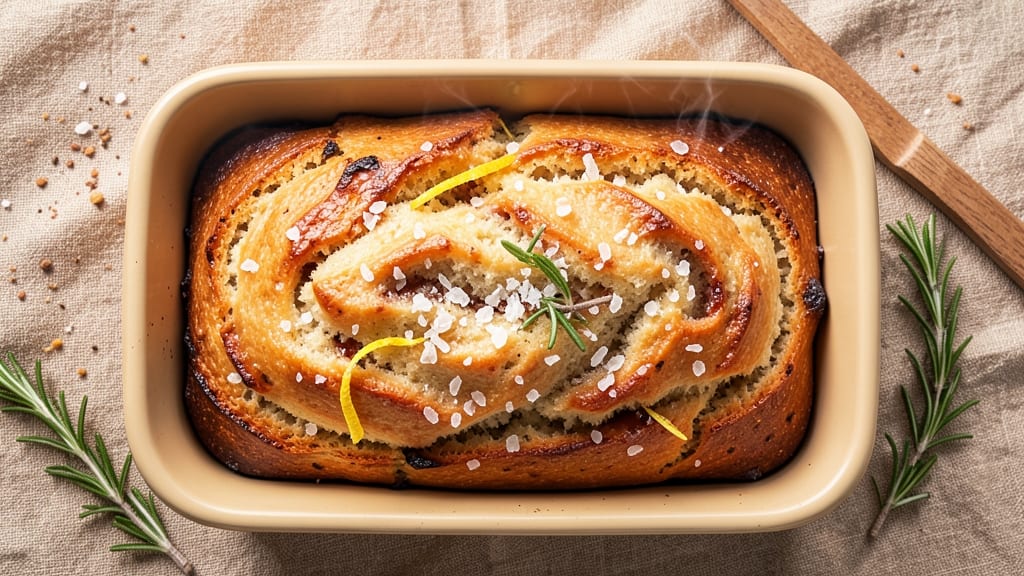
This applesauce bread recipe no sugar delivers all the moist, tender perfection of classic bread—without refined sugar. The secret lies in applesauce, which replaces sugar while keeping the texture rich and flavorful. I developed this version after years of testing low-sugar adaptations, and it never disappoints.
What makes this recipe special is how the applesauce acts as both a natural sweetener and moisture booster. You'll need just 1 cup of unsweetened applesauce, which balances the flour and eggs for a tender crumb.
The bread rises beautifully and develops a golden crust, all while staying soft for days. The result is a loaf that's naturally sweetened but not cloying, with a subtle apple flavor that enhances rather than overpowers.
Perfect for sandwiches, toast, or serving alongside soups, this bread proves you don't need refined sugar for great taste. No special equipment is required—just a mixing bowl, loaf pan, and patience for the dough to rise. Let's bake this bread!
Ingredients for applesauce bread recipe no sugar
Just 12 ingredients transform into a moist, golden loaf—no refined sugar in sight.
| Ingredient | Amount | Notes |
|---|---|---|
| Unsweetened Applesauce 🍎 | 1 cup | Homemade or store-bought, no added sugar |
| All-Purpose Flour 🌾 | 3 ½ cups | Sifted for light texture |
| Large Eggs 🥚 | 2 whole | Room temperature for even mixing |
| Granulated Sugar Substitute 🍯 | ¼ cup | Optional, for slight sweetness boost |
| Active Dry Yeast 🍞 | 2 ¼ tsp | Or 1 packet instant yeast |
| Warm Water 💧 | ¾ cup | 110°F, not hot to kill yeast |
| Unsalted Butter 🧈 | ½ cup | Softened but not melted |
| Salt 🧂 | 1 tsp | Diamond Crystal preferred |
| Vanilla Extract 🌸 | 1 tsp | Pure vanilla for rich flavor |
| Ground Cinnamon 🌿 | 1 ½ tsp | For subtle apple warmth |
| Milk 🥛 | ¼ cup | Any variety, room temperature |
| Baking Soda 🧪 | ½ tsp | For lightness and rise |
The applesauce is the MVP here. Mott's unsweetened or homemade works best—skip the sweetened kind. For flour, King Arthur or Bob's Red Mill are my go-tos; they absorb moisture better. The yeast? Fresh is ideal, but check the expiration date on the package. Warm the water to 110°F—yeast dies above 120°F, and you want it lively. Butter should be soft but not greasy—press a finger in, it should leave a slight indent. If your kitchen runs hot, chill the butter 10 minutes before measuring.
No applesauce? Pumpkin puree at the same amount works surprisingly well. Skipping the optional sugar substitute? Add 1 tbsp molasses or maple syrup instead. For a richer flavor, swap milk for buttermilk or Greek yogurt. The cinnamon is non-negotiable—it enhances the subtle apple notes. If you're short on vanilla, almond extract at half the amount gives a similar depth. And if your baking soda is old (more than 6 months), toast it in a dry pan for 10 minutes to revive its lift.
Mix the dough and let it rise in a lightly oiled bowl—this keeps it from sticking. First rise takes about 1 hour, but it's ready when it's puffy and jiggly. Shape the loaf in a 9x5-inch pan, cover with a damp towel, and let it rise again for 30-45 minutes. Bake at 350°F until golden and hollow-sounding when tapped. Cool completely before slicing—this prevents a gummy texture. Store wrapped at room temp for 3 days or freeze slices for 3 months
Why You'll Love This Recipe
- No-Fuss Mix-In: Mixing the dough is literally dump-and-stir. The unsweetened applesauce replaces oil and sugar, so you’re just tossing flour, yeast, and eggs—no measuring cups out for wet/dry ingredients. My lazy Sundays thank me every time.
- Cinnamon-Spiced Moisture: That warm cinnamon kick from the applesauce? It’s like a hug in bread form. The sugar substitute keeps it sweet without the crash, and the crust stays soft for days—not dry or crumbly like some "healthy" breads.
- Breakfast or Snack Hero: Slice it toasted for French toast (yes, even with no sugar), pack it in lunches, or serve it warm with peanut butter. Honestly, I’ve eaten it straight from the loaf pan at midnight—no judgment, just pure satisfaction.
- Budget Baking Win: Applesauce stretches the dough further than butter or oil, and the sugar substitute costs pennies per batch. Plus, one loaf lasts my family five days—no sad, stale ends here. My wallet and pantry both approve.
Step-by-step instructions for applesauce bread no sugar
Here's how to create a tender, naturally sweetened loaf that stays moist without refined sugar.
Activate the Yeast for Maximum Rise
In a small bowl, combine the 2.25 teaspoons active dry yeast with 0.75 cup warm water (about 110°F) and 0.25 cup granulated sugar substitute. Let it sit for 5-10 minutes until it becomes frothy and bubbly—this tells you the yeast is alive and ready to work. If it doesn't bubble, your yeast might be dead, and you'll need to start over.
This activation step is crucial for developing the bread's structure. The sugar substitute provides just enough sweetness to feed the yeast without overpowering the applesauce flavor. Stir gently to avoid creating too many bubbles prematurely, which could deflate during mixing.
Mix Wet Ingredients for Perfect Texture
In a large mixing bowl, combine the 1 cup unsweetened applesauce, 0.5 cup softened unsalted butter, 2 whole large eggs, 0.25 cup milk, 1 teaspoon vanilla extract, and the yeast mixture. Use a wooden spoon or silicone spatula to mix until fully incorporated—you should see a smooth, slightly thick batter with no dry spots.
The applesauce acts as both a natural sweetener and a moisture source, while the butter and eggs create a tender crumb. Here's the thing—don't overmix at this stage. You want to preserve the air bubbles created by the yeast, which will give your bread that light, airy texture. The batter should be thick but pourable.
Combine Dry Ingredients for Lightness
In a separate bowl, whisk together the 3.5 cups all-purpose flour, 1.5 teaspoons ground cinnamon, 1 teaspoon salt, and 0.5 teaspoon baking soda. Sift the flour mixture directly into the wet ingredients and gently fold together using a spatula. Mix just until combined—you should still see some flour streaks, as overmixing develops gluten and can make the bread dense.
The cinnamon adds warmth that complements the applesauce beautifully, while the baking soda helps create that classic tender crumb. This is where the magic happens—the combination of yeast and baking soda creates lift, while the applesauce keeps everything moist. The dough will be sticky but manageable—don't be tempted to add extra flour, or you'll lose that signature tender texture.
Knead and Rest for Optimal Flavor
Turn the dough onto a lightly floured surface and knead gently for 3-4 minutes until smooth and elastic. The dough will be softer than traditional bread dough because of the applesauce content. Shape it into a 9x5-inch loaf pan, coating the pan with a thin layer of butter first to prevent sticking.
Cover the pan with a damp towel and let the dough rise in a warm place for 1-1.5 hours, or until it has nearly doubled in size. You'll know it's ready when it springs back slowly when gently pressed. This resting period allows the yeast to work its magic, developing those beautiful air pockets that make the bread light and fluffy. Don't rush this step—patient rising equals better flavor and texture.
Bake to Golden Perfection
Preheat your oven to 350°F while the dough rises. Brush the risen dough with a little milk for a golden finish, then bake for 50-55 minutes, or until the top is golden brown and a toothpick inserted in the center comes out clean. The bread should sound hollow when tapped on the bottom.
Here's where it gets tricky—the applesauce bread can dry out if overbaked, so start checking at the 45-minute mark. If the top browns too quickly, tent it with foil to prevent over-browning while allowing the center to cook through. Let the bread cool in the pan for 10 minutes before transferring to a wire rack to cool completely. This resting period ensures the moisture distributes evenly, resulting in that perfect moist crumb you're after.
Pro Tips For Making Applesauce Bread Recipe No Sugar
- Warm the applesauce first: The cold, thick applesauce from the fridge will shock your yeast—it’s like dumping ice into a hot bath. Microwave it for 30 seconds or heat it gently on the stove until it’s just warm to the touch (like bathwater). This gets the yeast party started right away, so your dough rises faster and more reliably.
- Mix yeast with warm water, not applesauce: I learned this the hard way—adding yeast directly to the applesauce makes the dough sluggish. Instead, proof the yeast in warm water with a pinch of sugar substitute (or a tiny bit of honey if you’re okay with trace sweetness) for 5 minutes until frothy. Then fold it into the dry ingredients first. This guarantees your yeast is active before it meets the applesauce.
- Don’t overmix after adding applesauce: Once you pour in that thick, sticky applesauce, the dough will feel like a wet, angry mess. Resist the urge to knead it like pizza dough—overworking it develops gluten, which makes the bread dense instead of tender. Just mix until combined, then let the dough rest. It’ll come together on its own.
- Use a kitchen scale for flour: Scooping flour with cups leads to inconsistent batches—sometimes you get too much, sometimes too little. For this recipe, weigh your flour in grams (about 350–400g for most versions) and measure the applesauce by weight too (around 250g). This keeps the ratio perfect every time, so your bread stays light and moist without guessing.
Creative variations of these flavors
Spiced Apple Twist
Boost the flavor by adding 1 teaspoon cardamom to the dry ingredients—it pairs beautifully with the cinnamon and applesauce, adding a floral, slightly citrusy note. For extra warmth, swap ½ teaspoon nutmeg for half the cinnamon.
I love this twist because it transforms the bread into something that tastes like a cozy autumn morning. 🍂
Pumpkin Spice Fusion
Combine ½ cup pumpkin puree with the applesauce for a seasonal twist. Add 1 teaspoon pumpkin pie spice (or ½ tsp each of cinnamon, nutmeg, ginger, and cloves) to the dry ingredients.
This variation keeps the bread moist while adding a subtle pumpkin flavor that’s perfect for fall. The texture stays tender, but the flavor feels like a hug. 🎃
Cranberry Zing
Fold ½ cup chopped dried cranberries into the dough during the final mixing stage. The tartness cuts through the sweetness of the applesauce, creating a bright, balanced flavor.
For extra moisture, reduce the milk by 2 tablespoons. This variation is ideal for holiday gatherings—it’s festive without being overly sweet. 🍇
Chocolate Chip Moisture
Add ½ cup mini chocolate chips or chopped dark chocolate to the dough for a decadent twist. The chocolate melts slightly during baking, creating pockets of richness that contrast with the applesauce’s natural sweetness.
Use 70% dark chocolate to avoid overpowering the bread’s flavor. This version is perfect for dessert or breakfast toast. 🍫
Whole Wheat Adaptation
Replace 1 cup of all-purpose flour with whole wheat flour for added fiber and a nuttier flavor. The texture will be slightly denser but still tender, thanks to the applesauce.
To compensate for the heavier flour, add 1 extra tablespoon of applesauce. This version is great for those who want a healthier twist without sacrificing moisture. 🌾
Caramelized Onion Topping
After baking, brush the cooled loaf with a mix of 2 tablespoons melted butter and 1 tablespoon honey or maple syrup. Sprinkle with ¼ cup finely chopped caramelized onions for a sweet, savory contrast.
The onions add depth and a touch of gourmet flair. Let the topping set for 10 minutes before slicing. 🧅
Nutrition facts
Frequently asked questions
Can I substitute applesauce with another fruit puree?
Yes! You can use pumpkin puree or mashed banana in equal amounts, but flavors will differ. Pumpkin adds earthiness, while banana brings a milder sweetness. For best results, stick with unsweetened applesauce—it balances the bread's texture and flavor perfectly.
Why does my no-sugar bread taste bland?
The applesauce provides natural sweetness, but adding 1 teaspoon vanilla extract or ½ teaspoon cinnamon boosts flavor. For extra depth, try a pinch of nutmeg or cardamom. The bread should taste subtly sweet, not flat—adjust spices to taste!
Can I make this bread without yeast?
Yes! Replace yeast with 1.5 teaspoons baking powder and ½ teaspoon baking soda for a quick bread version. Reduce flour by 0.25 cup to prevent dryness. The texture will be denser but still moist. Bake at 350°F for 35-40 minutes until golden.
How do I store leftovers to keep them fresh?
Wrap cooled bread tightly in plastic wrap or aluminum foil, then store at room temperature for 3-4 days. For longer storage, slice and freeze for up to 3 months. To revive, warm slices in a 350°F oven for 5-10 minutes with a damp paper towel.
What if my dough doesn't rise?
Check your yeast first—it may be expired. Ensure water is 110°F (not too hot or cold). For extra lift, place the bowl in a warm oven (off) with a cup of boiling water for 10 minutes to create a humid environment. Patience is key—let it rise until nearly doubled!