
Side Dishes
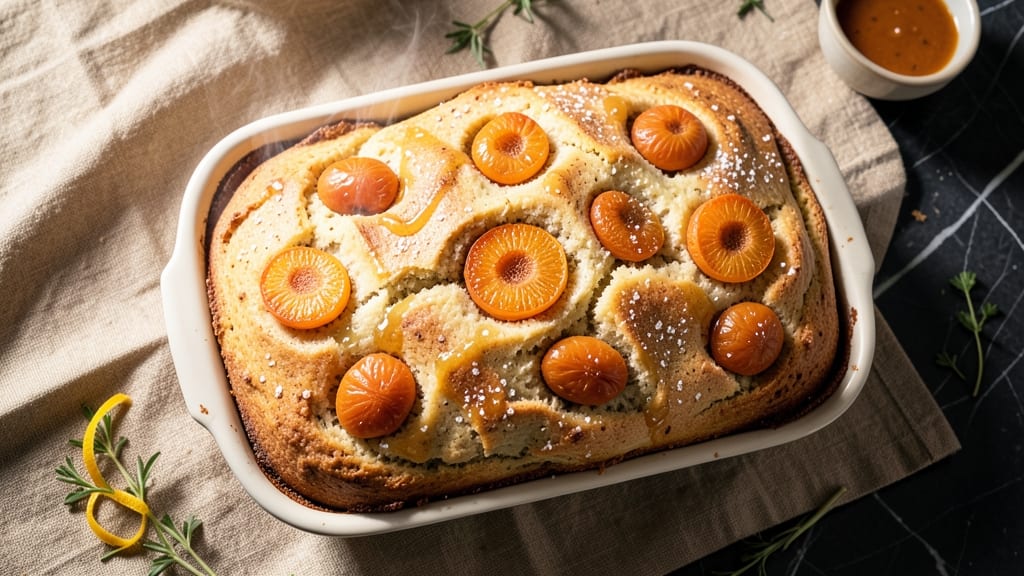
This apricot loaf bread recipe transforms simple ingredients into a golden, fragrant loaf with bursts of jammy apricot in every bite. The secret lies in a well-proofed dough and a fruit swirl that stays tender through baking—no dry crumb here.
I've perfected this recipe over years of baking, ensuring the apricots stay juicy while the crust achieves that perfect crackly texture.
What makes this loaf special is the balance of sweetness and spice—the warm cinnamon and nutmeg complement the apricots beautifully without overpowering them. The dough comes together in just 15 minutes, with a 1-hour proofing time that develops incredible flavor.
For home bakers, this means minimal effort for maximum reward—no fancy techniques required, just patience and attention to detail.
By the time it emerges from the oven, you'll have a loaf with a golden crust, a tender crumb studded with apricot pieces, and a subtle sweetness that's perfect for breakfast or dessert.
The aroma alone will have everyone gathering around your kitchen. Serve warm with butter or drizzle with a simple honey glaze for an extra touch of elegance.
This recipe yields a loaf that stays fresh for 3 days when wrapped properly, making it ideal for meal prep or gifting. The dough can also be shaped into rolls or braided for a festive touch. Let's get baking!
Ingredients for apricot loaf bread
These 14 ingredients create a fragrant loaf with golden crust and jammy apricot swirls in every slice.
| Ingredient | Amount | Notes |
|---|---|---|
| All-Purpose Flour 🌾 | 4 cups | Spooned and leveled for accuracy |
| Granulated Sugar 🍚 | ¾ cup | Light brown sugar for depth |
| Active Dry Yeast 🍞 | 2 ¼ tsp | Ensure yeast is fresh |
| Warm Whole Milk 🥛 | 1 ¼ cups | 110°F for ideal activation |
| Unsalted Butter 🧈 | ½ cup | Cold, cubed for easy mixing |
| Large Eggs 🥚 | 2 whole | Room temperature for even blending |
| Vanilla Extract 🌸 | 1 tsp | Pure extract for authentic flavor |
| Ground Cinnamon 🌿 | 1 ½ tsp | Freshly ground for warmth |
| Ground Nutmeg 🌿 | ½ tsp | Finely ground for subtle spice |
| Salt 🧂 | 1 tsp | Diamond Crystal preferred |
| Diced Apricots 🍑 | 1 ½ cups | Fresh or high-quality canned |
| Apricot Jam 🍯 | ¼ cup | Thick, seedless variety |
| Large Egg Yolk 🥚 | 1 whole | For egg wash brilliance |
| Coarse Sugar 🍚 | 2 tbsp | For decorative topping |
The flour is your foundation—King Arthur or Gold Medal brands rise beautifully. Fresh yeast is non-negotiable here; test it in warm milk first—it should foam within 5 minutes. For the apricots, fresh or high-quality canned makes all the difference. I grab Dole brand canned apricots when fresh aren't in season—they hold their shape perfectly. The butter should be cold and cubed when measuring to prevent overmixing. If your kitchen runs warm, chill the dough for 20 minutes before shaping to help it hold its form during proofing.
No fresh apricots? Dried apricots rehydrated in warm jam work beautifully—just chop them finely. Running low on vanilla? Almond extract at half the amount gives a similar depth. The cinnamon and nutmeg are where the magic happens—Penzeys brand spices have that professional quality, but regular grocery store versions work fine if they're fresh. For the jam swirl, thick, seedless apricot jam prevents a soggy loaf. Thin or runny? Simmer it uncovered for 5 minutes to reduce. And that egg wash? Room temperature eggs create a glossy finish—cold eggs can create steam pockets in the crust.
This loaf stays fresh for 3 days when wrapped tightly in plastic and stored at room temperature. For longer storage, freeze the baked loaf wrapped in foil for up to 3 months—thaw overnight at room temperature. The dough can be shaped a day ahead and refrigerated, then proof at room temperature before baking. Pro tip: Brush the warm loaf with melted butter and sprinkle with coarse sugar right out of the oven for that bakery-fresh look. Leftovers? Toast them for breakfast—absolute perfection with a pat of butter.
Why You'll Love This Recipe
- No Yeast Hassle: I mix the dough in one bowl, let it rise while I make dinner, and boom—no kneading, no waiting forever. The yeast works its magic while I sip my coffee, and honestly? That warm milk and butter combo makes the dough so tender it practically melts in your mouth.
- Sunshine in Every Slice: That apricot jam swirled through the crumb? It’s like summer in a loaf. The sugar caramelizes just enough to give every bite a sweet-tart punch, and the buttery crust? Perfect for dipping in jam or slathering with butter straight from the fridge.
- Breakfast to Brunch: This loaf is my lazy weekend hero. Toast it for breakfast, slice it thick for French toast, or serve it warm with jam for brunch. Between us, my kids beg for it at 7 a.m. and again at 3 p.m.—no guilt, just pure satisfaction.
- Budget-Friendly Stretch: Flour, sugar, and a little butter? This recipe uses pantry staples I already have. A single batch feeds my family for days, and the leftovers? Even better the next day—crisp edges, soft center, and zero waste. My wallet and my taste buds thank me.
Step-by-step instructions for apricot loaf bread
This spiced apricot loaf comes together with layers of flavor and texture—here's how to make it shine.
Mix the Dough for Perfect Texture
In a large mixing bowl, whisk together the 4 cups all-purpose flour, 0.75 cup granulated sugar, 2.25 tsp active dry yeast, 1.5 tsp ground cinnamon, 0.5 tsp ground nutmeg, and 1 tsp salt. I like to use a whisk first to aerate the dry ingredients before adding liquids—this creates a lighter final texture.
In a separate bowl, combine the 1.25 cups warm whole milk (about 110°F), 0.5 cup unsalted butter (cold and cubed), 2 whole large eggs (room temperature), and 1 tsp vanilla extract. Pour this liquid mixture into the dry ingredients and stir with a wooden spoon until just combined. The dough will be sticky but should come together—don't overmix or you'll develop too much gluten, which makes the bread dense.
Cover the bowl with a damp kitchen towel and let the dough rest at room temperature for 1 hour. This initial rest allows the yeast to activate and the flour to hydrate properly. You'll see the dough puff up slightly—that's your sign it's ready for the next step.
Fold in Apricots and Shape the Loaf
After the initial rest, the dough should be noticeably puffier. In the same bowl, gently fold in the 1.5 cups diced apricots using a silicone spatula. Be careful not to overwork the dough—just distribute the fruit evenly throughout. The apricots will sink slightly, but that's okay; they'll create beautiful swirls as the bread bakes.
Lightly flour a clean surface and turn out the dough. Pat it into a 9x5-inch loaf pan shape, then transfer it to a parchment-lined baking sheet. Cover with the damp towel again and let it rise for another 30-45 minutes until it's puffy and springs back slowly when pressed gently. This second rise gives the bread its signature height and tender crumb.
Prepare the Egg Wash and Bake to Golden Perfection
Preheat your oven to 375°F while the dough finishes rising. In a small bowl, whisk together the 1 whole large egg yolk and 0.25 cup apricot jam until smooth. This mixture will create a glossy finish and add extra apricot flavor to the crust. Brush this generously over the risen dough, then sprinkle evenly with the 2 tbsp coarse sugar for a decorative, caramelized top.
Bake for 35-40 minutes until the bread is deep golden brown and sounds hollow when tapped on the bottom. The internal temperature should reach 190°F at the center. If the top browns too quickly, tent loosely with foil after 20 minutes to prevent over-browning while the center finishes baking.
Cool and Slice for Maximum Flavor
Remove the loaf from the oven and let it cool in the pan for 10 minutes, then transfer to a wire rack to cool completely. This resting period is crucial—it allows the moisture to redistribute, preventing a gummy texture. The bread will smell incredible as it cools, but resist the urge to slice too soon.
Once fully cooled, slice into 8 equal pieces using a serrated knife. Each slice should reveal beautiful swirls of apricot throughout the tender, spiced bread. The crust will be crisp with a hint of caramelization from the sugar, while the interior remains soft and moist. Serve warm with butter or a drizzle of the remaining apricot jam for the ultimate experience.
Pro Tips For Making Apricot Loaf Bread
- Bloom the Yeast First: Skip mixing yeast with flour—dissolve it in the warm milk with a pinch of sugar first. This guarantees it’s active before baking, and you’ll spot trouble (like sluggish foam) before committing to the dough. (Yes, even if your recipe doesn’t say so.)
- Soften Butter Properly: Cold butter makes tough bread, but melted butter risks greasy dough. Beat the butter with the sugar until it’s just soft—like a squishy peanut butter, not liquid. This keeps the crumb tender without making it dense.
- Don’t Overmix the Apricots: Fold in chopped apricots gently after mixing wet and dry ingredients. Overworking the dough stretches gluten, turning your loaf into a chewy brick instead of a light, fruity cake. Think "toss and fold," not "knead like pizza dough."
- Test for Doneness with a Thermometer: That toothpick trick is unreliable. The bread’s internal temp should hit 190°F (88°C) at the center—any lower, and it’ll taste gummy. (I learned this after cutting into a sad, underbaked loaf that looked perfect.)
Essential equipment for this dish
Mixing Essentials
Your first tool needs to be a large mixing bowl (at least 5-quart capacity)—I use my Pyrex glass bowl because it keeps dough warm during proofing. For aerating dry ingredients, a whisk works better than a spoon to prevent clumping.
A wooden spoon is ideal for combining wet and dry ingredients without adding extra fat from plastic.
For measuring, invest in a digital kitchen scale (like the OXO Good Grips) for precision with flour and sugar—King Arthur or Gold Medal brands rise best when measured accurately. A thermometer (like Thermoworks) ensures your milk is 110°F—too hot kills yeast, too cool slows activation.
Dough Handling Tools
A silicone spatula is your best friend for folding in apricots without overworking the dough. I keep one near my mixing station for easy cleanup. For shaping, use a lightly floured surface—King Arthur's flour dusting bag saves mess when dusting.
A 9x5-inch loaf pan (preferably Nordic Ware) ensures even baking and easy release.
For proofing, cover dough with a damp kitchen towel—I use Burts Bees linen towels because they breathe better than plastic wrap. A proofing basket (like Weston's) can help shape the loaf if you prefer free-form over pan-baked, but the recipe works beautifully in a standard pan.
Baking Must-Haves
A wire cooling rack (like OXO's) prevents soggy bottoms by allowing air circulation. For the egg wash, a small mixing bowl (I use Corelle) and pastry brush (like Ateco) ensure even coating. A serrated bread knife (I love Mercer Culinary's) gives clean slices through the crust.
Oven thermometers are essential—Thermoworks' oven thermometer helps maintain 375°F accurately. For sugar sprinkling, a fine-mesh sieve (like OXO's) distributes coarse sugar evenly. A parchment-lined baking sheet prevents sticking when transferring the loaf from pan to rack.
Optional Upgrades
For apricot prep, a mandoline slicer (like Benriner) creates uniform diced fruit if using fresh apricots. A stand mixer (like KitchenAid) with the dough hook attachment saves time for larger batches, but hand-mixing works perfectly for this recipe.
For storage, vacuum-seal bags (like FoodSaver) extend freshness beyond 3 days. A loaf slicer (like Mercer's) gives professional-looking cuts. These extras aren't required but elevate the baking experience for frequent loaf makers.
Nutrition facts
Frequently asked questions
Can I substitute dried apricots for fresh or canned?
Yes! Use 1 cup dried apricots rehydrated in 0.25 cup apricot jam for 15 minutes. Chop them finely to mimic the texture of fresh or canned pieces. The extra jam helps maintain moisture during baking. Just reduce the total jam in the recipe by 0.25 cup to balance sweetness.
Why did my apricot loaf turn out dense?
Overmixing the dough develops too much gluten, making it dense. Stir just until combined—lumps are okay! Also check your yeast: it should foam within 5 minutes in warm milk. If your kitchen is cold (65°F or below), extend proofing to 1 hour to help the dough rise properly.
How can I make this gluten-free?
Replace the all-purpose flour with a 1:1 gluten-free baking flour blend (like Bob's Red Mill) plus 1 tsp xanthan gum. Use 0.25 cup extra milk as gluten-free flours absorb more moisture. The texture will be slightly denser, but still delicious. Proofing may take 10-15 minutes longer—keep an eye on it!
Can I make this without a loaf pan?
Shape the dough into a free-form loaf on a parchment-lined baking sheet. For extra structure, place it in a proofing basket dusted with flour first. Bake at 375°F for 30-35 minutes instead, checking for doneness at 28 minutes. The crust may be slightly thicker without the pan's constraints.
What's the best way to reheat slices?
Wrap slices in foil and warm in a 350°F oven for 5-7 minutes for a soft, fresh texture. For quick reheating, use a toaster set to medium heat—just 30 seconds brings back that bakery-warm feel. Avoid the microwave; it makes the crust soggy and the fruit mushy.