
Side Dishes
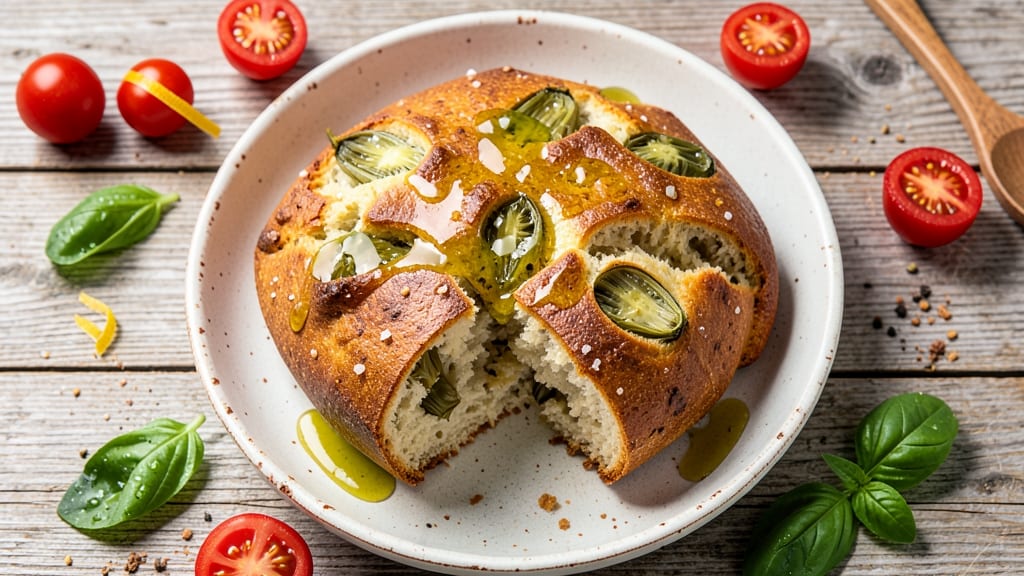
The Arcangeli Artichoke Bread brings a taste of Italy’s rustic tradition to your table with its herbed crust and zesty artichoke filling. This classic Italian bread transforms simple dough into a flavorful masterpiece, where tender artichokes nestle inside a golden, aromatic crust.
The secret lies in the slow fermentation and careful layering—techniques that create a bread with both texture and depth.
What sets this recipe apart is the balance of flavors: the earthy artichokes contrast beautifully with the fragrant herbs in the crust, while the dough’s natural sweetness enhances every bite.
Unlike quick breads, this version requires patience—kneading by hand and letting the dough rise fully ensures a light, airy texture with a satisfying chew. The result is a bread that’s perfect for sharing, whether as a side to soups or a centerpiece for antipasto.
Once baked, the crust will be crisp and golden, hiding the tender, herbed artichoke filling inside. The aroma alone will have everyone at the table anticipating the first bite—rich, savory, and just slightly tangy from the preserved artichokes.
This bread pairs beautifully with olive oil for dipping or alongside grilled meats and roasted vegetables.
For those who love tradition, this recipe stays true to Italian methods while offering flexibility—add rosemary to the crust or sprinkle Parmesan on top for extra depth. The process may take time, but the reward is a bread that tastes like a trip to the Italian countryside.
Let’s get started on creating this timeless classic.
Ingredients for arcangeli artichoke bread
Italian tradition meets rustic flavor with these 13 essential ingredients for Arcangeli artichoke bread.
| Ingredient | Amount | Notes |
|---|---|---|
| All-Purpose Flour 🌾 | 4 cups | Spooned and leveled for accuracy |
| Active Dry Yeast 🍞 | 2 tsps | Or 1 packet, dissolved in warm water |
| Granulated Sugar 🍚 | 1 tbsp | Helps activate yeast |
| Salt 🧂 | 1 ½ tsps | Diamond Crystal preferred |
| Warm Water 💧 | 1 ¼ cups | 110°F, not boiling |
| Extra-Virgin Olive Oil 🫒 | ¼ cup | For dough and brushing |
| Preserved Artichoke Hearts 🍃 | 1 cup | Chopped, drained, and patted dry |
| Fresh Rosemary 🌿 | ¼ cup | Finely chopped, stems removed |
| Fresh Thyme Leaves 🌿 | 2 tsps | Or 1 tsp dried thyme |
| Garlic Cloves 🧄 | 3 cloves | Minced finely for flavor |
| Parmesan Cheese 🧀 | ½ cup | Freshly grated from block |
| Egg 🥚 | 1 whole | For egg wash |
| Coarse Sea Salt 🧂 | 1 tbsp | For sprinkling on crust |
The dough starts with all-purpose flour—King Arthur or Caputo Tipo 00 if you want to splurge. Yeast is non-negotiable for that airy texture, so grab fresh yeast if available (it’s more potent). Preserved artichokes are key—look for jarred hearts in olive oil at Italian markets or the specialty aisle. Fresh rosemary and thyme should smell vibrant; if they’re wilted, skip them. The Parmesan must be freshly grated—pre-shredded gets clumpy and ruins the texture. For the olive oil, California Olive Ranch or Bertolli are solid choices for that fruity, authentic flavor.
No preserved artichokes? Drained canned artichoke hearts work in a pinch, but pat them very dry to avoid a soggy crust. Fresh herbs? Dried oregano at half the amount gets you close. Running low on Parmesan? Pecorino Romano is a great substitute. The garlic can be pre-minced from a jar (no shame), but fresh is always better. For the egg wash, vegan mayo works if you’re avoiding eggs. If your yeast is old, test it first—drop a pinch in warm water with sugar; if it doesn’t foam in 5-10 minutes, it’s dead. The dough needs 1-2 hours to rise, so plan ahead or use the oven’s pilot light to keep it warm.
This dough is best made a day ahead—cover and refrigerate overnight for deeper flavor. The artichoke filling can be prepped in advance and stored in the fridge for up to 3 days. Once baked, the bread keeps well at room temperature for 2-3 days, wrapped in a clean kitchen towel. For longer storage, slice and freeze—it reheats beautifully in a 350°F oven for 10 minutes. The crust stays crisp for hours, but if it softens, a quick broil brings back the crunch. Pair with olive oil and balsamic for dipping—trust me, it’s worth the effort.
Why You'll Love This Recipe
- No-Knead Magic: I swear by this dough—just mix, let it rise, and shape. No stand mixer, no stress, just warm water and yeast doing the work while I sip my coffee.
- Crispy Artichoke Crunch: That first bite? The golden crust gives way to tender bread with pockets of herby, garlicky goodness. It’s like a hug in bread form—especially when you toast it the next day.
- Weeknight Hero: Toss it in the oven while you prep dinner, and it’s ready by the time the pasta’s done. My kids grab slices straight from the pan (yes, I let them), and it disappears faster than I can say “no dessert.”
- Budget-Friendly Staple: Four simple ingredients stretch to feed four for under $3. Freeze the extras—thawed slices taste just as fresh, and I’ve got backup for lazy mornings or last-minute guests.
Step-by-step instructions for arcangeli artichoke bread
This herbed bread delivers a crispy crust and fragrant artichoke-infused interior with perfect technique.
Activate the Yeast and Prepare the Dough
In a large bowl, combine the 1.25 cups warm water (tested at 110°F), 2 tsps active dry yeast, and 1 tbsp granulated sugar. Let it sit for 5-7 minutes until the mixture becomes foamy and bubbles form on the surface. This confirms the yeast is active and ready to work.
In a separate bowl, whisk together the 4 cups all-purpose flour, 1.5 tsps salt, 0.25 cup extra-virgin olive oil, 0.25 cup finely chopped fresh rosemary, 2 tsps fresh thyme leaves, and 3 minced garlic cloves. Create a well in the center and pour in the yeast mixture. Using a wooden spoon or dough whisk, gradually incorporate the ingredients until a shaggy dough forms.
Knead Until Smooth and Elastic
Turn the dough onto a lightly floured surface and knead for 8-10 minutes by hand, or use a stand mixer with a dough hook attachment on medium speed for 5-6 minutes. The dough should become smooth, elastic, and slightly tacky. If it feels too sticky, add 1 tablespoon of flour at a time until it pulls away cleanly from the surface.
To test for proper kneading, perform the "windowpane test": stretch a small piece of dough between your fingers. If it thins out to a translucent membrane without tearing, your dough is ready. Shape the dough into a ball, place it in a lightly oiled bowl, cover with a damp towel, and let it rise in a warm place for 1-1.5 hours, or until it has doubled in size.
Prepare the Artichoke Filling
While the dough rises, prepare the artichoke filling by finely chopping the 1 cup preserved artichoke hearts (drained and patted dry) and 0.5 cup freshly grated Parmesan cheese. In a small bowl, mix these ingredients with 1 tbsp extra-virgin olive oil and 1 tsp minced garlic until well combined. Set aside until ready to use.
This step ensures the artichokes are evenly distributed throughout the bread, creating pockets of zesty flavor in every bite. The Parmesan adds a savory depth that complements the artichokes beautifully.
Shape and Fill the Dough
Punch down the risen dough to release air, then divide it into 4 equal portions. Roll each portion into a 12-inch rope about 1 inch thick. Lay each rope on a parchment-lined baking sheet, leaving space between them. Using your fingers, gently press the artichoke filling into the center of each rope, creating a pocket. Fold the dough over the filling and seal the edges by pinching them together.
Shape each filled dough piece into a 10-inch oval loaf, about 2 inches thick, with the sealed edge facing up. This shape ensures even baking and a crispy crust. Cover the shaped loaves with a damp towel and let them rise for 30-45 minutes until they've puffed slightly.
Bake to Golden Perfection
Preheat your oven to 375°F. Brush the tops of the loaves with the 1 whole egg beaten with 1 tablespoon water, then sprinkle generously with 1 tbsp coarse sea salt. Bake for 25-30 minutes until the bread is deep golden brown and sounds hollow when tapped on the bottom.
For the crispiest crust, I recommend baking the loaves on a preheated baking stone or in a Dutch oven if you have one. The steam created in the Dutch oven will give you that perfect bakery-style crust. Let the bread cool on a wire rack for 10 minutes before slicing to allow the filling to set slightly.
Pro Tips For Making Arcangeli Artichoke Bread
- Bloom the Yeast Properly: Skip the guesswork—dissolve that yeast in warm water (105–110°F) with a pinch of sugar first, then wait exactly 5–10 minutes until it’s frothy. If it’s sluggish, your dough will fight you later (and yes, that means extra kneading or a sad, dense loaf).
- Measure Flour by Weight: Ditch the scooping—use a kitchen scale for flour. The recipe’s volume measurements are unreliable; 400g of flour isn’t the same as 4 cups scooped and leveled. Trust me, your dough’s texture will thank you.
- Knead Until Silky: This isn’t a quick punch-down job. Work the dough for 8–10 minutes by hand (or 5–6 on a stand mixer with a dough hook) until it’s smooth, elastic, and springs back when poked. Overmixing? Too late—you’ll know when it’s right.
- Let It Rise Twice: First rise (1–1.5 hours) is non-negotiable, but the second rise—after shaping—is where flavor hides. Cover the dough and let it puff up another 30–45 minutes in a warm spot. Cut corners here, and your bread’ll taste flat (literally).
Troubleshooting perfect results
Dough Too Sticky?
If your dough feels overly sticky during kneading, resist the urge to add too much flour at once. Instead, add just 1 tablespoon at a time while kneading, letting the gluten develop naturally. Over-flouring can make the crust dense.
I find King Arthur flour absorbs less moisture than some brands, so adjust accordingly. For extra elasticity, try wetting your hands slightly while kneading—this helps handle the dough without sticking. 💫
Yeast Not Activating?
If your yeast mixture doesn’t bubble within 5-7 minutes, it’s likely dead. Test freshness by dropping a pinch in 110°F water with 1 tsp sugar—if no foam forms in 10 minutes, replace it.
I keep yeast in the freezer to preserve potency. For a quick fix, use 1 packet rapid-rise yeast (it activates faster but may alter texture slightly).
Artichokes Too Watery
Preserved artichokes often release excess liquid, which can make the bread soggy. Always pat them very dry with paper towels before chopping. For extra insurance, sprinkle 1 tsp cornstarch over the chopped artichokes to absorb moisture.
If using canned artichokes, opt for those packed in water and drain thoroughly for 10 minutes before using. 🍃
Bread Not Rising Properly
Cold environments or old yeast can slow fermentation. Place your dough bowl in a warm oven with the light on (or a proofing box at 80°F) to speed up rising. If using active dry yeast, ensure your water is exactly 110°F—too hot kills yeast, too cold slows activation.
For extra lift, add 1 tsp honey to the dough for a slight sweetness boost.
Crust Too Pale After Baking
A pale crust often means the oven wasn’t hot enough or the bread lacked steam. Preheat your oven for at least 30 minutes with a baking stone inside. Brush the loaves with extra egg wash and sprinkle with coarse sea salt for color.
For a professional touch, bake in a Dutch oven—the trapped steam creates a golden, bakery-style crust. 🔥
Filling Leaking During Baking
If artichoke filling oozes out, your dough may not have sealed tightly enough. Press the edges firmly when pinching, and avoid overfilling the pockets. For extra stability, chill the shaped loaves in the fridge for 20 minutes before baking—this helps the dough hold its shape.
If leaks still occur, reduce the artichoke amount by 2 tbsp and add more Parmesan for binding.
Nutrition facts
Frequently asked questions
Can I substitute fresh artichokes for preserved ones?
Fresh artichokes work but require extra prep! Chop the hearts from 3 medium artichokes, steam for 10 minutes until tender, then chop finely. Pat completely dry to avoid soggy bread. Fresh artichokes have a milder flavor—add 1 tsp lemon zest to brighten the taste.
How do I store leftovers to keep them fresh?
Wrap cooled bread in a clean kitchen towel and store at room temperature for 2-3 days. For longer storage, slice and freeze—reheat in a 350°F oven for 10 minutes until crispy. The crust stays fresh longer than the filling, so eat within 4 days for best texture.
What herbs can I add for extra flavor?
Try 1 tbsp chopped parsley or 1 tsp dried oregano in the dough for brightness. For a Mediterranean twist, add 1 tbsp sun-dried tomatoes to the artichoke filling. Fresh basil pairs beautifully too—just use 1 tbsp finely chopped to avoid overpowering.
Can I make this bread without yeast?
Yes! Replace yeast with 2 tsps baking powder + 1 tsp baking soda for a quick version. Skip the first rise and bake immediately at 375°F for 30-35 minutes. The texture will be denser but still delicious. For best results, use 1 extra egg to help bind the dough.
Why does my bread taste bland?
Check your salt—it's crucial for flavor! Use 1.5 tsps as written, and add extra coarse salt on top before baking. Fresh herbs (rosemary/thyme) should be vibrant—wilted herbs lose flavor. For depth, add 1 tsp red pepper flakes to the dough or 1 tbsp capers to the filling.