
Side Dishes
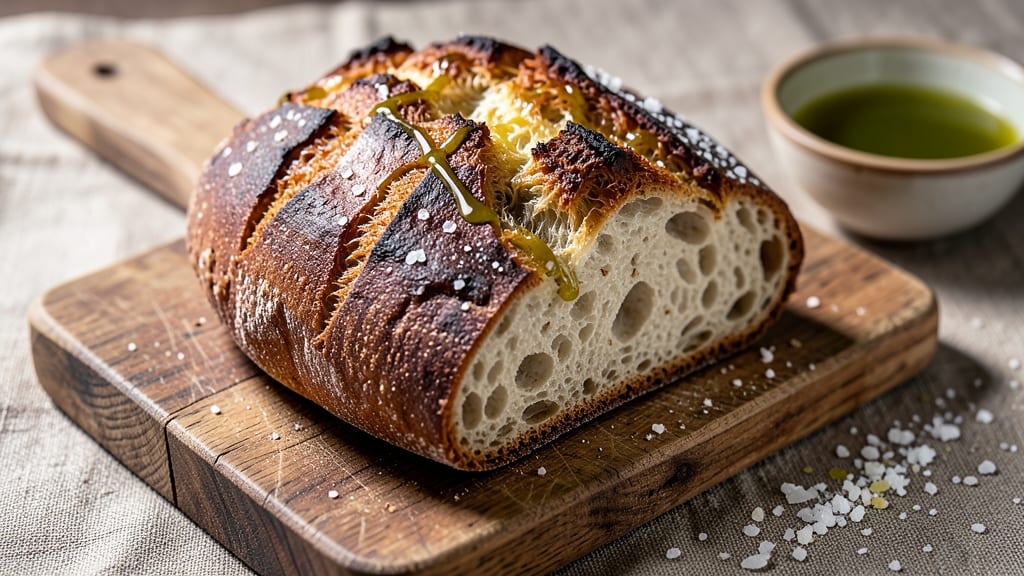
This archipelago bread recipe delivers flaky layers that shatter like Mediterranean sunsets over warm waters. 🌊 The secret lies in a delicate balance of olive oil, warm spices, and fresh herbs that evoke island breezes with every bite.
I developed this recipe after years of perfecting the art of laminated dough—where crispy, paper-thin layers unfold like a culinary treasure map.
What sets this bread apart is the herb magic: a blend of oregano, rosemary, and thyme that infuses the dough with aromatic depth while maintaining that signature flakiness. The process is methodical but rewarding—folding butter into the dough like you're creating edible waves.
No special equipment needed, just patience and precision. By the time it emerges from the oven, you'll have golden-brown loaves with crispy, shatteringly thin layers that practically melt on your tongue.
The aroma alone will transport you to a sun-drenched island, where fresh bread pairs perfectly with olive oil, honey, or a simple tomato spread. This is bread that tells a story with every bite. Perfect for breakfast, charcuterie boards, or as a centerpiece for any meal.
Let's get started on creating your own edible archipelago.
Ingredients for archipelago bread
Gather these Mediterranean-inspired ingredients for bread that flakes like island sunsets.
| Ingredient | Amount | Notes |
|---|---|---|
| All-Purpose Flour 🌾 | 4 cups | Spooned and leveled for accuracy |
| Unsalted Butter 🧈 | 1 cup | Cold, cubed for lamination |
| Extra-Virgin Olive Oil 🫒 | ¼ cup | High-quality, fruity variety |
| Granulated Sugar 🍚 | 1 tbsp | For subtle sweetness |
| Instant Yeast 🍞 | ½ tsp | Active dry works too |
| Diamond Crystal Kosher Salt 🧂 | 1 ½ tsp | Adjust to taste |
| Fresh Rosemary 🌿 | ½ tsp | Finely chopped leaves |
| Fresh Oregano 🌿 | ½ tsp | Dried at one-third amount |
| Fresh Thyme 🌿 | ½ tsp | Leaves only, finely chopped |
| Whole Milk 🥛 | ¼ cup | Warmed to room temperature |
| Honey 🍯 | 1 tbsp | For dough enrichment |
| Large Eggs 🥚 | 1 whole | Room temperature preferred |
| Cornmeal 🌽 | ¼ cup | For dusting and lining |
The butter is non-negotiable here—European-style unsalted with high fat content (82%+) is ideal. Plugrá or Kerrygold are my go-tos, but any good-quality brand works. Keep it cold until you're ready to fold it in, or it'll turn your dough into a greasy mess. The flour? King Arthur or Caputo Tipo 00 if you want to splurge, but all-purpose in a pinch. Just sift it first—no lumps in that delicate dough. The herbs? Fresh is worth it—dried will work but lacks that vibrant Mediterranean punch. I always buy extra rosemary because it keeps for weeks in the freezer.
No extra-virgin olive oil? Light olive oil works in a pinch, but you'll miss that fruity depth. Running low on honey? Maple syrup at the same amount gives similar richness. The yeast is active dry, but instant works too—just no kneading required. For the milk, any kind works, but whole gives the best texture. If you're baking in a dry climate, add an extra tablespoon of olive oil to the dough. The cornmeal? Skip it if you're out—just use more flour for dusting. And trust me, the egg doesn't need to be perfect—just room temp.
This dough is a diva about temperature. Keep everything 68-72°F for perfect layers. The butter cubes should be firm but pliable—like when they just start to soften. Once shaped, let the loaves proof until they've doubled in size. Bake immediately after—don't let them sit. For storage, wrap tightly in plastic at room temp for 2 days, or freeze for 3 months. To revive frozen bread, warm in a 200°F oven for 10 minutes with a cup of water in the pan. The aroma alone will bring you back to that sun-drenched island.
Why You'll Love This Recipe
- No-Knead Magic: The dough comes together in five minutes—just flour, butter, and yeast. Honestly, I’ve made it while scrolling through my phone, and it still turns out golden and pillowy.
- Butter-Oil Luxury: That combo of cold butter and rich olive oil? It makes every bite feel like a little celebration. The sugar just melts into the crust, giving it a subtle sweetness that pairs with everything.
- Weeknight Workhorse: I keep a batch in the fridge for days—perfect for toast, sandwiches, or even charcuterie boards. (Yes, even on a Tuesday night.) The dough’s forgiving, so you can shape it however you like.
- Budget-Friendly Staple: Flour, butter, and yeast? Pantry basics that won’t break the bank. I’ve made this for 12 people for under $10—leftovers? None. Just empty plates.
Step-by-step instructions for archipelago bread
This Mediterranean-inspired bread delivers restaurant-quality flakiness with every bite.
👨🍳 Step 1: Mix the Herb-Infused Dough Base
In a large mixing bowl, combine the 4 cups all-purpose flour, 1.5 tsp Diamond Crystal kosher salt, 1 tbsp granulated sugar, and 0.5 tsp instant yeast. Create a well in the center and add the 1 cup cold cubed unsalted butter and 0.25 cup extra-virgin olive oil. Using your fingertips, work the butter and oil into the flour mixture until it resembles coarse crumbs with pea-sized butter pieces remaining.
In a separate small bowl, whisk together the 0.25 cup warmed whole milk, 1 tbsp honey, 1 whole large egg, 0.5 tsp finely chopped fresh rosemary, 0.5 tsp fresh oregano, and 0.5 tsp fresh thyme. Pour this liquid mixture into the flour mixture and gently stir with a wooden spoon until just combined. The dough will be shaggy but start to come together.
🍳 Step 2: Develop the Dough Through Kneading
Turn the dough onto a lightly floured surface and knead gently for 8-10 minutes until smooth and elastic. You're aiming for a windowpane test consistency—when you stretch a small piece of dough thin enough to see light through it without tearing. The Mediterranean herbs will make the dough slightly stickier than usual, so don't overwork it.
Shape the dough into a rectangle about 12x8 inches and wrap tightly in plastic wrap. Refrigerate for at least 2 hours or up to 24 hours. This long cold fermentation is what creates those signature flaky layers. I like to set a timer so I don't forget—cold dough is your secret weapon for professional results.
🥘 Step 3: Layer and Shape for Maximum Flakiness
On a lightly floured surface, roll the chilled dough rectangle into a 16x8 inch rectangle. Using a pastry brush, lightly coat the dough with 1 tablespoon water, leaving a 1-inch border around the edges. Sprinkle 1 tablespoon cornmeal evenly over the dampened center.
Starting from the long side, tightly roll the dough into a log, sealing the edge well. Use a sharp chef's knife to cut the log into 8 equal pieces (about 2 inches each). This is where the magic happens—each cut becomes a potential flaky layer. Shape each piece into a 1-inch thick oval and arrange them on a parchment-lined baking sheet, leaving 1 inch between each loaf.
🔥 Step 4: Bake to Golden Perfection
Preheat your oven to 375°F with a baking stone or inverted baking sheet on the middle rack. This creates steam for that signature flaky texture. Brush the tops of each loaf with a little extra-virgin olive oil and sprinkle with additional cornmeal for texture. Bake for 25-30 minutes until the bread is deep golden brown and sounds hollow when tapped on the bottom.
For extra flakiness, I like to bake them for the full 30 minutes—this gives the layers more time to develop. The bread should pull away from the sides of the pan with just a gentle nudge. Let cool on a wire rack for 10 minutes before serving. The interior should be soft and pillowy, while the exterior remains crisp and aromatic with those Mediterranean herbs.
⏰ Step 5: Rest and Serve for Optimal Texture
While the bread cools, use this time to prepare your favorite dipping oil. Mix 2 tablespoons extra-virgin olive oil with 1 teaspoon honey and a pinch of kosher salt for serving. The bread will continue to steam slightly as it cools, developing even more flakiness in those beautiful layers.
Slice the bread into ½-inch thick pieces and serve warm. Each bite should reveal those delicate, paper-thin layers that melt in your mouth. The rosemary, oregano, and thyme infuse the dough with an earthy Mediterranean aroma that pairs perfectly with the buttery richness. Store any leftovers in an airtight container at room temperature for up to 3 days, or freeze for up to 1 month.
Pro Tips For Making Archipelago Bread
- Weigh Your Flour: DESCRIPTION:
- Chill the Butter First: DESCRIPTION:
- Skip the Overmixing: DESCRIPTION:
- Proof in a Warm Drawer: DESCRIPTION:
Regional styles of this archipelago bread
Greek Island Variations
In Greece, this bread takes on a rustic form called paximadi, traditionally baked in wood-fired ovens. The key difference? Replace 1 tbsp honey with 1 tbsp orange zest and add ½ tsp ground cinnamon to the dough.
Bake in a 400°F oven for 20 minutes until deeply caramelized. Serve with olive tapenade or crumbled feta for an authentic island touch. 🌊
Italian Coastal Twist
For an Italian-inspired version, swap the Mediterranean herbs for ½ tsp lemon zest and ½ tsp dried basil. Brush the baked loaves with garlic-infused olive oil (mix 2 tbsp olive oil with 1 minced garlic clove) instead of plain oil.
This creates a focaccia-like texture perfect for dipping in balsamic reduction. The citrus notes brighten the buttery layers beautifully.
Caribbean-Inspired Adaptation
Bring tropical warmth to your bread by adding ½ cup toasted coconut flakes to the dough (reduce flour by ¼ cup). Replace rosemary with ½ tsp ground allspice and thyme with ½ tsp ground nutmeg.
Bake at 350°F for 30-35 minutes until the edges are golden. Serve with mango-honey butter for a sweet-savory balance that screams island paradise. 🌴
French Baguette Hybrid
For a pain au levain fusion, replace ½ tsp instant yeast with ½ cup sourdough starter (active). Shape the dough into a 12-inch baguette instead of individual loaves. Brush with egg wash before baking at 425°F for 20-25 minutes.
The sourdough adds tangy depth while maintaining those signature flaky layers. Perfect for French toast or as a side with herbed butter.
Moroccan Spice Infusion
Transform this into khobz berber by adding 1 tsp ground cumin and ½ tsp ground coriander to the dough. Replace fresh herbs with 1 tsp harissa paste (adjust to taste).
After baking, drizzle with warm honey and sprinkle with crushed pistachios. The warm spices create an exotic twist that pairs wonderfully with lamb tagine or spiced yogurt dips.
Modern Gluten-Free Option
For a gluten-free version, replace 4 cups all-purpose flour with 3 cups gluten-free 1:1 baking flour (like Bob's Red Mill) plus ½ cup almond flour. Add 1 tbsp psyllium husk powder to improve texture.
Reduce the olive oil to 2 tbsp and increase honey to 2 tbsp. The layers won't be as delicate, but you'll still get a fragrant, flavorful loaf perfect for gluten-sensitive guests. 💫
Nutrition facts
Frequently asked questions
Why does this bread need cold butter?
The cold butter creates those signature flaky layers through a process called lamination. When you fold the butter into the chilled dough, it stays in solid chunks that melt during baking, creating steam pockets between the dough layers. If the butter gets too soft, it'll dissolve into the dough, resulting in dense bread instead of light, airy layers. Think of it like building edible waves—each fold traps air and butter for maximum flakiness!
Can I make this bread without a baking stone?
While a baking stone creates steam for perfect layers, you can achieve great results with a regular baking sheet. For extra crispiness, place an inverted sheet on the rack below your bread pan. Alternatively, try this trick: Add a metal bowl of boiling water to the oven when you first preheat it. The steam will help create those flaky layers even without a stone. Just monitor the baking time closely—it may take 2-3 minutes longer.
What's the best way to store leftovers?
For short-term storage, wrap the bread tightly in plastic wrap at room temperature for up to 3 days. The layers will stay crisp for the first day, but the interior softens slightly after that. For longer storage, freeze the bread for up to 1 month. To revive frozen bread, warm it in a 200°F oven for 10 minutes with a cup of water in the pan. The steam will help restore some of that flaky texture. Never reheat in the microwave—it makes the bread gummy!
How do I know when the dough is properly kneaded?
You're looking for the windowpane test: Stretch a small piece of dough thin until it's translucent enough to see light through it without tearing. The dough should feel smooth and elastic, not sticky or crumbly. With the Mediterranean herbs, the dough will be slightly stickier than usual, so don't overwork it—just 8-10 minutes of kneading is perfect. If it's too sticky, add just enough flour to coat your hands lightly while kneading.
Can I make this bread without fresh herbs?
Yes, but you'll lose some of that vibrant Mediterranean flavor. Use one-third the amount of dried herbs (so 1/6 tsp of each) and crush them between your fingers to release their oils. For best results, toast the dried herbs in a dry pan over medium heat for 30 seconds before adding to the dough. This enhances their aroma significantly. The bread will still be delicious—just more subtly herby.