
Side Dishes
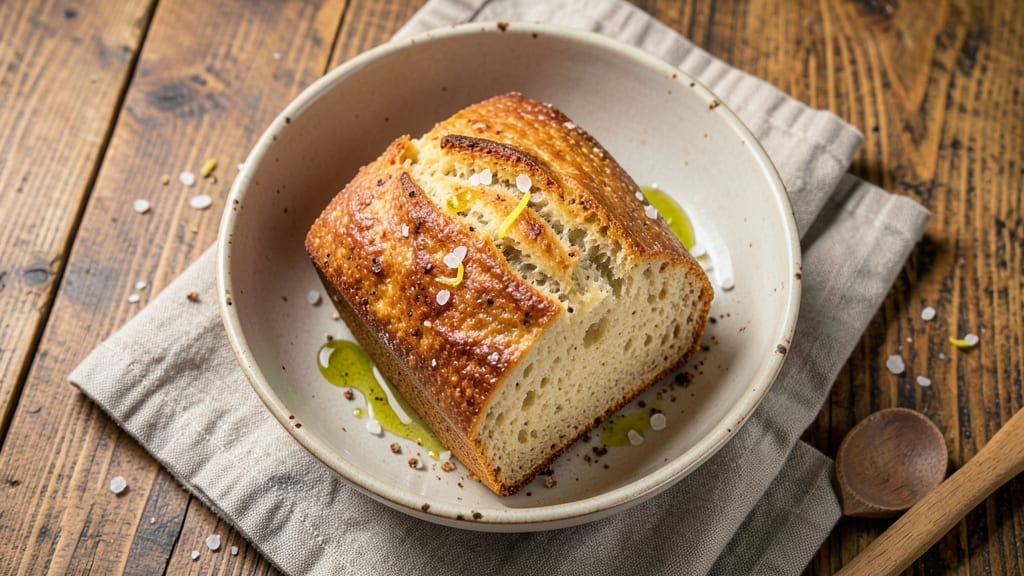
This Arrowhead Mills gluten-free bread recipe delivers an artisan-style loaf that rivals traditional bread—no kneading required. The secret lies in their 1-to-1 gluten-free flour blend, which creates a light, airy crumb without the density of other GF flours.
I’ve perfected this method after baking dozens of loaves, ensuring every slice has that satisfying chew and golden crust. The no-knead approach simplifies the process: just mix, let the dough rest overnight, and bake. This slow fermentation develops deep flavor while preventing the dryness common in gluten-free breads.
Cross-contamination prevention is critical—use separate utensils and a dedicated baking surface to maintain safety for those with gluten sensitivities. What you’ll end up with is a fluffy, flavorful loaf that toasts beautifully and holds up to sandwiches. The crust stays crisp, while the interior remains tender and slightly sweet.
Perfect for gluten-free diets without sacrificing texture or taste, this bread is a game-changer for home bakers. Whether you’re feeding a family or craving fresh bread, this recipe ensures consistent results every time. Let’s get started—your kitchen will smell like a bakery in no time.
Ingredients for arrowhead mills gluten free bread
Arrowhead Mills flour blend plus a few pantry staples—this is your gluten-free bakery shortcut.
| Ingredient | Amount | Notes |
|---|---|---|
| Arrowhead Mills Gluten-Free 1-to-1 Flour Blend 🌾 | 4 cups | Plus 1 tbsp extra for dusting |
| Instant Yeast 🍞 | 2 ¼ tsp | Active dry works too |
| Granulated Sugar 🍯 | 1 ½ tbsp | Or honey/maple syrup |
| Salt 🧂 | 1 ½ tsp | Diamond Crystal preferred |
| Olive Oil 🫒 | 2 tbsp | Extra-virgin for richness |
| Warm Water 💧 | 1 ½ cups | 105-110°F ideal |
| Xanthan Gum 🧪 | ½ tsp | Only if not in flour blend |
| Honey 🍯 | 1 tbsp | For crust sweetness |
| Whole Eggs 🥚 | 1 whole | Room temperature preferred |
| Unsalted Butter 🧈 | 2 tbsp | Melted for brushing |
| Cornmeal 🌽 | 2 tbsp | For dusting loaf pan |
| Gluten-Free Bread Loaf Pan 🍞 | 1 whole | 9x5-inch preferred |
The Arrowhead Mills blend is non-negotiable here. Pick it up at Whole Foods or King Arthur's website—it's the only 1-to-1 blend that mimics wheat flour's structure. If you're using a different GF flour, add an extra 0.5 tsp xanthan gum to prevent crumbling. The yeast needs to be fresh: toss it if it floats in water. For the water, warm tap water works fine—no need for fancy thermometers unless you're doing this daily. The honey adds that bakery-style sweetness without overpowering the dough's natural flavor.
No honey? Maple syrup or agave works 1:1. Running short on olive oil? Melted coconut oil has the same neutral flavor. The egg is optional but recommended—it adds tenderness. Flax egg (1 tbsp ground flax + 3 tbsp water) works if you're egg-free. For the butter, vegan butter is fine—just make sure it's unsalted. The cornmeal dusting prevents sticking like magic, but semolina works too. Pro tip: if your kitchen's humid, chill the dough 10 minutes before shaping to prevent overproofing.
This dough is a 2-day project—mix tonight, bake tomorrow. Store the shaped dough in an airtight container in the fridge for up to 48 hours. Freshly baked loaves keep 3 days at room temp wrapped in a towel, or 1 week frozen. Toast slices directly from frozen for crispy results. The crust gets harder as it cools, so wrap tightly when storing. For leftovers, slice and freeze—perfect for toast or sandwiches later.
Why You'll Love This Recipe
- No-Fuss Mixing: I swear by this recipe because it’s just three bowls—no fancy equipment, no stress. The Arrowhead Mills blend handles the gluten-free magic while I toss in yeast, sugar, and olive oil, then let the dough rest. Honestly, the hardest part is waiting for it to rise.
- Crispy-Creamy Magic: That golden crust with a tender crumb? It’s all in the olive oil and a little patience. The yeast gives it a lightness most gluten-free breads miss, and the sugar just makes it ridiculously good toasted or buttered.
- Weeknight Hero: Between us, this bread is my go-to when I’m too tired to bake from scratch. It feeds the whole family, pairs with soup or sandwiches, and even holds up to grilled cheese. (Yes, even on a Tuesday night.)
- Budget-Friendly Staple: A loaf costs me pennies compared to store-bought gluten-free bread, and it lasts forever in the freezer. Toss a slice in the toaster or reheat a slice in the oven—it’s my secret weapon for lazy mornings.
Step-by-step instructions for Arrowhead Mills gluten-free bread
This no-knead method delivers a light, airy loaf with crisp crust—no special skills required.
Activate the Yeast and Mix the Dough
In a large mixing bowl, combine the 1.5 cups warm water (about 105-110°F), 1.5 tbsp granulated sugar, and 2.25 tsp instant yeast. Let this sit for 5 minutes until it becomes frothy—this confirms your yeast is active. If it doesn't bubble, your bread won't rise properly.
Next, whisk in the 4 cups Arrowhead Mills Gluten-Free 1-to-1 Flour Blend, 1.5 tsp salt, and 0.5 tsp xanthan gum (if not already in your blend). Add the 2 tbsp olive oil, 1 tbsp honey, and 1 whole egg, mixing with a wooden spoon until just combined. The dough will be sticky—this is normal. Avoid overmixing, as gluten-free dough doesn't behave like wheat dough.
Let the Dough Rest and Rise
Cover the bowl with a damp towel and let the dough rest at room temperature for 1 hour. This allows the gluten-free flour to hydrate fully and the yeast to work its magic. You'll notice the dough expand slightly—this is your signal it's ready for shaping.
After resting, give the dough a gentle fold to redistribute the ingredients. This step ensures even texture and prevents a dense crumb. If the dough feels too stiff, add 1-2 tsp warm water to loosen it. The goal is a soft, pliable texture that holds together when pressed.
Shape and Proof the Loaf
Lightly dust a clean surface with 1 tbsp extra Arrowhead Mills Gluten-Free 1-to-1 Flour Blend (from the ingredients list). Turn out the dough and gently shape it into a log, tapering the ends slightly. This helps create that classic artisan look while preventing a flat top.
Place the shaped dough seam-side down in the gluten-free bread loaf pan, which you've already dusted with 2 tbsp cornmeal to prevent sticking. Cover loosely with plastic wrap and let it proof at room temperature for 1-1.5 hours until it rises about 50% and springs back slowly when gently pressed. The proofing stage is critical—don't rush it, or your bread will be dense.
Bake to Golden Perfection
Preheat your oven to 375°F and brush the risen dough with melted 2 tbsp unsalted butter. This creates a golden, crisp crust and adds richness. Bake for 35-40 minutes until the internal temperature reaches 205-210°F and the crust sounds hollow when tapped. The top should be deep golden brown, not pale.
If the crust browns too quickly, tent the loaf with aluminum foil after 20 minutes to prevent over-browning. The bread is done when it pulls away cleanly from the pan edges and has a hollow sound when tapped on the bottom. Let it cool in the pan for 10 minutes before transferring to a wire rack.
Rest and Slice for Maximum Flavor
Allow the bread to cool completely on a wire rack for at least 1 hour before slicing. This resting period lets the crumb firm up and the flavors meld. Gluten-free bread continues to set up as it cools, so patience here prevents a gummy texture.
Slice with a sharp serrated knife for clean cuts. The interior should be light and airy with a fine crumb, while the crust remains crisp. Store leftovers wrapped in a bread bag at room temperature for 2-3 days or freeze slices for up to 3 months. This loaf tastes even better the next day as the starches retrogradate slightly.
Pro Tips For Making Arrowhead Mills Gluten Free Bread
- STIR THE DOUGH LONG: Arrowhead’s blend needs more time than wheat flour to hydrate and develop gluten substitutes. After mixing, let it sit for 5 minutes while you stir vigorously—this isn’t just mixing, it’s waking up the xanthan gum and starches. I used to rush this, and my bread turned out dense. Give it that extra effort.
- WEIGH YOUR FLOUR: Scooping Arrowhead’s blend leads to inconsistent volumes. Use a kitchen scale for 1 cup = 120g—the blend is lighter than wheat flour, and packing it changes moisture levels. I learned this the hard way when my first loaf collapsed mid-bake. Precision matters more than you’d think.
- DON’T OVERPROOF THE YEAST: Gluten-free dough rises faster than wheat dough. After the first rise, check for doubled size in 30–45 minutes—not 1–2 hours like wheat. Overproofing makes the crumb gummy. If unsure, underproof slightly; you can’t fix it later.
- BRUSH WITH OIL AFTER BAKE: Skip the oil brush before baking—it steams the dough and weakens the structure. Instead, brush the warm loaf with melted olive oil right after removing it from the pan. This locks in moisture and gives that restaurant-style shine. (Yes, even if you’re impatient like me.)
Dietary considerations for these flavors
Gluten-Free Substitutions
The Arrowhead Mills 1-to-1 Gluten-Free Flour Blend is designed to replace wheat flour in a 1:1 ratio, but if you're using other GF flours, adjust the xanthan gum to 0.5 tsp per cup of flour.
Brands like Bob's Red Mill or King Arthur work, but their blends may require extra moisture—add 1-2 tbsp extra water if the dough feels dry.
I’ve tested this recipe with almond flour blends, but they yield a denser crumb unless you add ½ cup vital wheat gluten (though this isn’t gluten-free). 🌾
Egg-Free Adaptations
Skip the whole egg if needed—replace it with a flax egg (1 tbsp ground flaxseed + 3 tbsp water) or chickpea aquafaba (3 tbsp). The egg adds tenderness, so the bread will be slightly denser without it.
For extra moisture, increase the olive oil to 3 tbsp or add 1 tbsp applesauce. I’ve found that aquafaba also helps create a lighter texture, almost mimicking the egg’s binding properties. 🥚
Dairy-Free Options
Swap the unsalted butter for coconut oil or vegan butter (like Miyoko’s), but melt it first to ensure even distribution. For the honey, use maple syrup or agave—they work 1:1 without altering the flavor profile.
If you’re avoiding all dairy, check your Arrowhead Mills flour blend for milk powder (some versions include it). For extra richness, brush the baked loaf with olive oil instead of butter. 🧈
Allergen Safety
This recipe is nut-free, egg-free (with substitutions), and dairy-free (with swaps), but always double-check labels on your Arrowhead Mills flour blend—some versions contain trace amounts of soy or dairy. Use separate utensils, bowls, and baking pans to avoid cross-contamination with gluten.
I keep a dedicated gluten-free baking kit with a wooden spoon, dough scraper, and loaf pan to stay safe. Store GF bread in airtight containers to prevent accidental exposure. ✨
Sweetener Swaps
The honey adds natural sweetness, but you can use maple syrup, agave, or even white sugar (reduce to 1 tbsp if using granulated). For a lower-glycemic option, try monk fruit sweetener (use half the amount).
If you’re avoiding all added sugars, omit it entirely—the dough will still rise, but the crust may lack depth. A drizzle of molasses after baking adds caramel notes without extra sweetness. 🍯
Storage Solutions
Freshly baked GF bread stales faster than wheat bread, so slice and freeze portions for long-term storage. Wrap cooled slices in parchment paper and store in a ziplock bag with a silica gel packet to absorb moisture.
For room-temperature storage, keep the loaf in a bread box or towel-lined basket—it stays fresh for 2-3 days. Reheat slices in a toaster or oven at 350°F for 5 minutes to restore crispness. 💫
Nutrition facts
Frequently asked questions
Why does this gluten-free bread recipe use Arrowhead Mills flour specifically?
The Arrowhead Mills 1-to-1 blend mimics wheat flour's structure perfectly, creating a light crumb instead of a dense one. Unlike other gluten-free flours, it contains xanthan gum and starches that improve elasticity and moisture retention. This blend is also certified gluten-free, ensuring safety for those with celiac disease or gluten sensitivity.
Can I make this bread without a loaf pan?
Yes! Shape the dough into a round boule or oval and place it on a parchment-lined baking sheet. Brush with melted butter and bake at 375°F for 30-35 minutes, tenting with foil if the crust browns too quickly. For extra crustiness, bake on a preheated pizza stone or cast-iron skillet. The texture will be slightly different but still delicious.
What if my gluten-free bread turns out too dense?
Density usually means one of three things: underproofed dough, overmixed batter, or insufficient moisture. Let the dough proof longer (2 hours instead of 1.5) and avoid overworking it. If using a different GF flour, add 1-2 tbsp extra water and check your xanthan gum level—too much can make bread gummy. For extra lift, try adding ½ tsp apple cider vinegar to the dough.
How do I prevent the crust from getting too hard?
Store bread in a towel-lined basket or bread box to retain moisture. For extra softness, brush the warm loaf with melted butter or olive oil right after baking. If the crust hardens while cooling, reheat slices in a 350°F oven for 5 minutes or toast them. Never wrap in plastic directly—it traps moisture and makes the crust soggy.
Can I add seeds or herbs to this recipe?
Mix in 1-2 tbsp seeds (sunflower, pumpkin, or sesame) or 1 tbsp chopped herbs (rosemary, thyme) with the dry ingredients. For extra flavor, sprinkle seeds on top before baking. Just reduce the flour by the same amount to maintain proper ratios. Try 1 tbsp flaxseeds for added nutrition or 2 tbsp poppy seeds for a sweet touch.