
Side Dishes
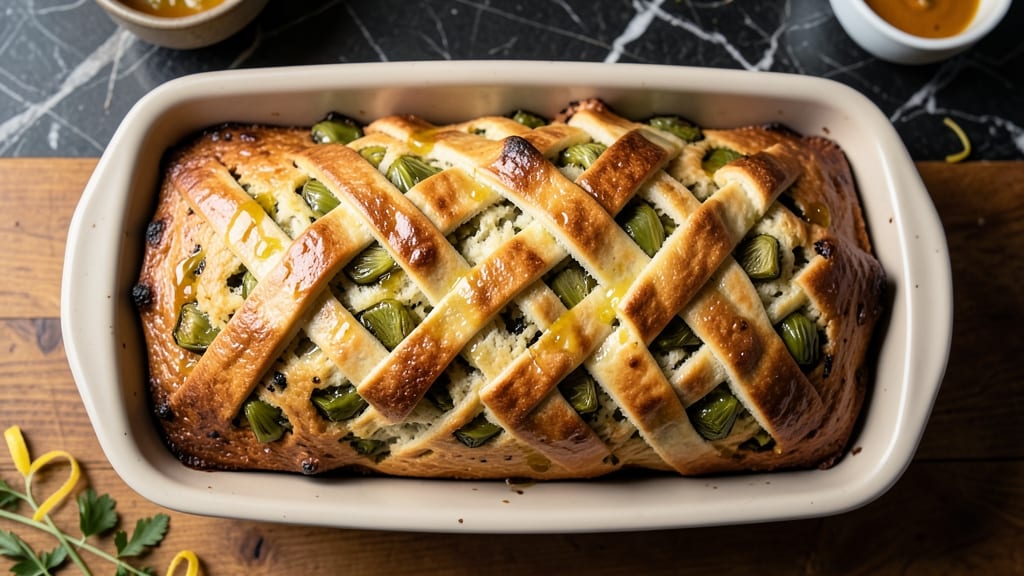
This artichoke bread loaf recipe transforms humble ingredients into a fragrant, golden loaf packed with tender artichoke hearts and aromatic herbs. The secret lies in blending earthy artichokes with a crisp, golden crust that's perfect for soaking up soups or pairing with dips.
I developed this recipe after years of experimenting with herb-infused breads, and the artichoke addition adds a unique texture and flavor that keeps everyone reaching for seconds.
What makes this loaf special is the balance of textures—crispy, golden crust gives way to a tender crumb studded with artichoke bits that stay juicy and flavorful.
The recipe uses simple pantry staples like flour, yeast, and olive oil, but it's the combination of fresh herbs and artichokes that elevates it to restaurant-quality side dish status. With just 30 minutes of prep and 35 minutes in the oven, you'll have a warm, inviting loaf ready to serve.
The result is a loaf with a golden crust that crackles with every bite and a soft interior infused with artichoke flavor. The herbs add freshness that cuts through the richness, while the artichokes provide a satisfying bite.
This bread is versatile enough for weeknight dinners or holiday tables, and it freezes beautifully for later use.
Serve it warm with your favorite soup or alongside roasted vegetables for a complete meal. The artichoke bread loaf is the kind of dish that makes ordinary meals feel special without requiring complicated techniques. Let's get baking!
Ingredients for artichoke bread loaf
Simple pantry staples meet artichoke hearts and aromatic herbs for this restaurant-quality bread loaf.
| Ingredient | Amount | Notes |
|---|---|---|
| All-Purpose Flour 🌾 | 4 cups | Sifted for even texture |
| Active Dry Yeast 🍞 | 2 ¼ tsp | One packet for convenience |
| Granulated Sugar 🍚 | 1 tbsp | For yeast activation |
| Warm Water 💧 | 1 ¼ cups | 110°F ideal temperature |
| Extra-Virgin Olive Oil 🫒 | ½ cup | High quality for richness |
| Marinated Artichoke Hearts 🌿 | 1 cup | Chopped, drained well |
| Fresh Parsley 🌿 | ½ cup | Finely chopped, stems removed |
| Fresh Rosemary 🌿 | 1 tbsp | Finely chopped, fresh preferred |
| Fresh Thyme 🌿 | 1 tbsp | Leaves only, finely chopped |
| Garlic Cloves 🧄 | 4 cloves | Minced for deep flavor |
| Diamond Crystal Kosher Salt 🧂 | 1 ½ tsp | Fine grain preferred |
| Black Pepper 🌶️ | ½ tsp | Freshly cracked |
| Cornmeal 🌾 | ¼ cup | For bread pan coating |
| Egg Wash 🥚 | 1 whole | 1 large egg beaten |
| Sesame Seeds 🌱 | 1 tbsp | Optional for crust texture |
The artichoke hearts are the star—look for marinated hearts in jars at Trader Joe's or Whole Foods for the best texture and flavor. Fresh artichokes are ideal but require extensive prep, so jarred works perfectly here. Fresh herbs make all the difference; skip dried unless it's an emergency. For rosemary, grab a small bunch and use only the needle-like leaves. Diamond Crystal kosher salt is preferred here as it dissolves more easily than table salt, ensuring even flavor distribution throughout the loaf. The olive oil should be extra-virgin—it adds richness that regular olive oil can't match.
No fresh parsley? Dried parsley at half the amount works in a pinch, though fresh is preferred for that vibrant flavor. Out of rosemary? Swap for thyme or basil, but reduce to 0.75 tbsp to avoid overpowering. For the artichokes, if you can't find marinated, quick-pickle jarred hearts in lemon water for 10 minutes to brighten their flavor. The cornmeal is non-negotiable for that perfect crust—don't skip it. Want extra crunch? Add 1 tbsp poppy seeds to the mix. For the egg wash, beat the egg with 1 tsp water for a smoother application.
This loaf keeps beautifully—wrapped in foil at room temperature for 2 days or 3 days refrigerated. For longer storage, freeze the baked loaf for up to 3 months. To reheat, wrap in foil and warm at 350°F for 10 minutes. The crust stays crispy when reheated properly, while the interior remains tender. Slice while warm for the best texture—it's worth the extra minute. Leftovers? Toast them for a delicious breakfast treat.
Why You'll Love This Recipe
- No-Knead Magic: I swear by this dough—just mix, let it rise, and bake. The yeast does all the work while you sip coffee or scroll through your phone. Honestly, I’ve made it on lazy Sundays and rushed weeknights, and it always comes out tender.
- Olive Oil Luxury: That splash of extra-virgin olive oil? It makes the crust golden and the crumb impossibly soft. I’ll be real: it tastes like a fancy bakery loaf, but I’m the one who made it in my own kitchen.
- Leftovers That Shine: Slice this up the next day, toast it, and suddenly you’ve got gourmet bread for breakfast or a quick snack. My kids grab it before school—no complaints, just empty plates.
- Budget-Friendly Feast: Flour, yeast, sugar, water, oil—that’s it. You’re not breaking the bank, but you’re feeding a crowd (or just me, eating three slices at once). Perfect for potlucks or when you’re hosting without stressing.
Step-by-step instructions for artichoke bread loaf
This method delivers a perfectly risen loaf with a golden crust and tender crumb infused with artichoke and herbs.
Activate the Yeast with Warm Water and Sugar
In a small bowl, combine the 1.25 cups warm water (between 110-115°F) with the 1 tbsp granulated sugar and 2.25 tsp active dry yeast. Let it sit for 5-10 minutes until foamy and bubbly—this confirms the yeast is active. If it doesn't bubble, your yeast may be dead, and you'll need to start over.
This step is critical. Too-hot water kills the yeast, while too-cold water prevents activation. The sugar provides food for the yeast to multiply, creating the gas bubbles that make your loaf rise beautifully. Stir gently to avoid creating too many large bubbles that could burst during mixing.
Mix the Dough with Olive Oil and Artichoke Hearts
In a large mixing bowl, whisk together the 4 cups all-purpose flour, 1.5 tsp kosher salt, and 0.5 tsp black pepper. Create a well in the center and pour in the yeast mixture, 0.5 cup extra-virgin olive oil, and the 1 cup chopped marinated artichoke hearts (drained well).
Using a wooden spoon or dough whisk, gradually incorporate the ingredients from the outer edges toward the center. Once combined, knead by hand for 5-7 minutes until the dough becomes smooth and elastic. The dough should pull away from the sides of the bowl and be slightly tacky but not sticky. If it's too dry, add 1 tsp warm water; if too sticky, add 1 tbsp flour.
Incorporate Herbs and Garlic for Maximum Flavor
Transfer the dough to a lightly floured surface and knead in the 0.5 cup finely chopped fresh parsley, 1 tbsp chopped fresh rosemary, 1 tbsp chopped fresh thyme, and 4 minced garlic cloves. Work these into the dough until evenly distributed—you should see green and purple flecks throughout.
This is where the loaf gets its signature herby depth. The garlic and rosemary add warmth, while the parsley and thyme bring brightness. Fold the dough over itself a few times to ensure even distribution, then shape it into a loose ball. Place it back in the bowl, cover with a damp towel, and let it rise in a warm place for 1-1.5 hours or until doubled in size.
Shape, Proof, and Prepare for Baking
Once the dough has risen, punch it down to release air, then shape it into a 9x5-inch loaf pan by pressing it gently into the corners. Brush the sides of the pan with 0.25 cup cornmeal to prevent sticking, then coat the top of the dough with the 1 whole egg wash (beaten egg). Sprinkle the 1 tbsp sesame seeds evenly over the top for texture and a nutty flavor.
Cover the pan loosely with plastic wrap and let the dough proof for another 30-45 minutes until it rises 1-2 inches above the pan. Preheat your oven to 375°F during this time. The sesame seeds will toast beautifully during baking, adding crunch to the golden crust. For extra shine, brush the egg wash one last time just before baking.
Bake Until Golden and Hollow-Sounding
Bake the loaf for 35-40 minutes until the top is deep golden brown and the internal temperature reaches 190-200°F. Tap the bottom of the loaf gently—it should sound hollow, indicating it's fully baked. If the top browns too quickly, tent with foil to prevent over-browning while the center finishes cooking.
Let the loaf cool in the pan for 10 minutes, then transfer it to a wire rack to cool completely. Slice while still warm for the best texture—each bite should be tender with pockets of herby, artichoke-infused dough. The crust should be crisp yet slightly chewy, with sesame seeds adding a delightful crunch.
Pro Tips For Making Artichoke Bread Loaf
- Bloom the Yeast Properly: DESCRIPTION:
- Don’t Overmix the Dough: DESCRIPTION:
- Use Room-Temp Olive Oil: DESCRIPTION:
- Steam the Loaf First: DESCRIPTION:
Perfect pairings for this recipe
Soup Pairings
This artichoke bread loaf shines alongside creamy soups like roasted tomato basil or creamy broccoli cheddar. The herby, artichoke-infused bread soaks up the broth beautifully while the crust stays crisp. I love serving it with a garlic-parsley soup—the flavors complement perfectly, creating a full meal. 🥄
Dip Combinations
For an easy appetizer spread, pair your loaf with hummus, whipped feta dip, or spinach-artichoke dip. The artichoke notes in the bread enhance the dips, making every bite cohesive.
I recommend a roasted red pepper hummus—the smoky depth pairs wonderfully with the bread's crust. Serve with sliced veggies or olives for a complete setup.
Cheese Boards
Add your loaf to a Mediterranean cheese board with goat cheese, aged manchego, and provolone. The artichoke and herbs cut through the richness, balancing the flavors. I like to include fig jam and marinated olives to round out the board.
The sesame seeds on the crust add a delightful crunch that elevates the entire spread. 🧀
Grilled Meats
This bread pairs beautifully with grilled chicken, steak, or lamb chops. The herby crust complements smoky meats, while the artichoke adds a refreshing contrast. I often serve it with garlic-herb grilled chicken—the flavors meld together for a satisfying meal.
For a vegetarian option, pair it with grilled portobello mushrooms and balsamic glaze.
Salad Accompaniment
Use slices of this bread to add texture to arugula salads or kale salads with lemon vinaigrette. The crust stays crisp, while the herby interior adds depth. I love tossing shaved fennel and cherry tomatoes into a salad, then topping it with warm bread slices.
The artichoke flavor bridges the gap between the fresh salad and rich toppings like goat cheese crumbles.
Breakfast Twist
Turn leftovers into a breakfast treat by toasting slices and topping with ricotta cheese, honey, and cinnamon. The artichoke adds a unique twist to a classic breakfast loaf.
For a savory option, spread with garlic-herb butter and sprinkle with fresh parsley. This makes an excellent brunch side or even a light meal on its own. 🍳
Nutrition facts
Frequently asked questions
Can I substitute jarred artichoke hearts with fresh?
Fresh artichokes work but require more prep! Trim the leaves, peel the outer layers, and cut the hearts into ½-inch chunks. Quick-pickle them in lemon water for 10 minutes to brighten their flavor before using. Jarred hearts are more convenient and already marinated, so they're ideal for this recipe.
Why did my bread loaf collapse after baking?
Most likely, your yeast wasn't activated properly or the oven wasn't hot enough. Always check for bubbles in the yeast mixture, and ensure your oven reaches 375°F before baking. If the dough didn't rise enough before baking, it won't hold its shape—let it proof until doubled in size.
How do I store leftovers to keep them fresh?
Wrap the cooled loaf tightly in plastic wrap or foil and store at room temperature for 2 days. For longer storage, refrigerate for up to 3 days or freeze for 3 months. To reheat, wrap in foil and warm at 350°F for 10 minutes—this keeps the crust crispy while warming the interior.
Can I make this recipe without eggs?
Yes! Replace the egg wash with a mix of 1 tbsp olive oil + 1 tbsp water brushed onto the loaf. For extra shine, add ½ tsp sugar to the mix. The texture will be slightly less crisp, but the flavor remains rich and herby.
What’s the best way to slice this bread loaf?
Let the loaf cool completely on a wire rack before slicing for clean cuts. Use a sharp serrated knife and saw back and forth gently—don’t force it. For extra-crispy edges, slice while still warm and toast the pieces in the oven for 2-3 minutes at 375°F.