
Side Dishes
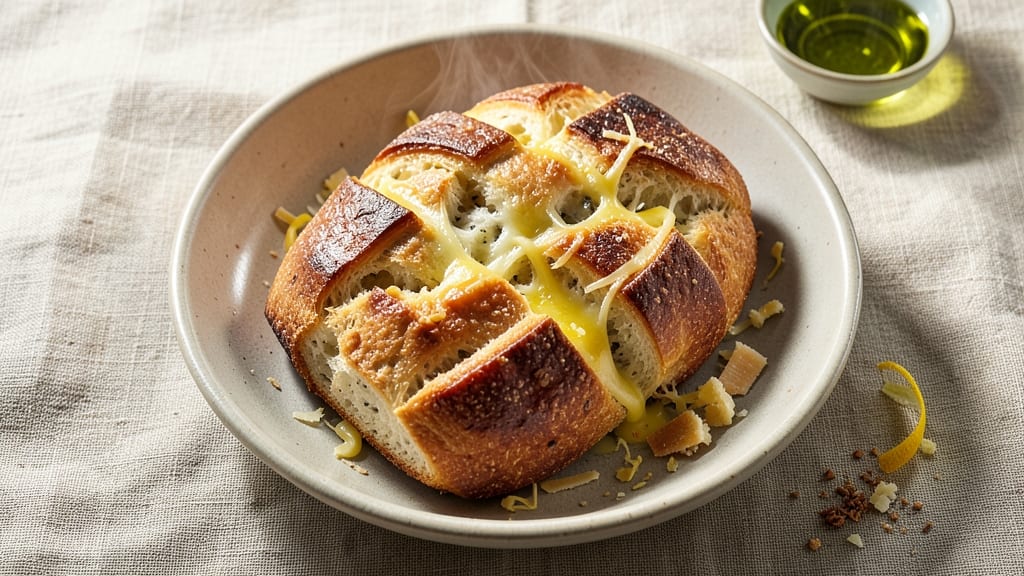
This artisan Asiago cheese bread delivers the perfect balance of golden crust and stretchy, pull-apart strands that make every bite irresistible. The secret lies in aged Asiago cheese, which adds depth and a subtle nutty complexity that transforms ordinary bread into something extraordinary.
With just a few simple ingredients and a little patience, you'll create a loaf that rivals any bakery specialty.
The dough begins with a basic bread mixture, but it's the Asiago cheese that truly elevates this recipe. Unlike milder cheeses, aged Asiago melts beautifully while maintaining its distinct flavor, creating those signature cheesy pockets that make this bread impossible to resist.
The kneading process develops gluten for that perfect texture, while proper proofing ensures a light, airy crumb.
When it emerges from the oven, you'll have a loaf with a crispy, golden crust that contrasts beautifully with the soft, chewy interior. Each pull reveals those stretchy strands of cheese-infused dough, creating a texture that's both satisfying and delicious.
The aroma alone will have everyone gathering around your table, eager for their first taste.
This recipe is perfect for serving alongside soups, salads, or as a stand-alone appetizer. The versatility of Asiago cheese means it pairs beautifully with a variety of flavors, making this bread a crowd-pleaser for any occasion. Let's get started on creating your own artisan masterpiece.
Ingredients for artisan asiago cheese bread
Golden crust meets cheesy, pull-apart magic—just these 11 ingredients transform your kitchen into a bakery.
| Ingredient | Amount | Notes |
|---|---|---|
| Active Dry Yeast 🍞 | ¼ oz | One packet, dissolved in warm water |
| Warm Water 💧 | 1 cup | 110°F, not hot to kill yeast |
| All-Purpose Flour 🌾 | 4 cups | Plus extra for dusting |
| Granulated Sugar 🍚 | 1 tbsp | Feeds yeast for activation |
| Salt 🧂 | 1 tsp | Kosher or sea salt preferred |
| Unsalted Butter 🧈 | ½ cup | Cold, cubed for texture |
| Aged Asiago Cheese 🧀 | 1 ½ cups | Freshly grated, not pre-shredded |
| Large Egg 🥚 | 1 whole | Room temperature for easy mixing |
| Extra-Virgin Olive Oil 🫒 | 2 tbsp | For dough and brushing |
| Cornmeal 🌽 | ¼ cup | For dusting bread pan |
| Coarse Sea Salt 🧂 | 1 tbsp | For sprinkling on top |
The Asiago cheese is non-negotiable here. Look for aged Asiago from specialty cheese shops or the deli section—it's worth the splurge for that nutty depth. Grana Padano is a good budget alternative if you can't find Asiago, but it won't be quite the same. Freshly grating it yourself makes all the difference (pre-shredded gets clumpy and lacks flavor). For the flour, King Arthur or Gold Medal brands work best—they develop gluten beautifully. The yeast? Fresh is ideal, but the one-packet kind works fine if you're in a hurry.
No aged Asiago? Parmigiano-Reggiano or sharp cheddar can stand in, but you'll lose that signature nutty complexity. Short on butter? Vegetable shortening works, though it won't add the same richness. The egg is key for structure—don't skip it, but if you're vegan, a flax egg (1 tbsp ground flax + 3 tbsp water) does the trick. For the olive oil, any good-quality extra-virgin will do, but avoid the cheap stuff that tastes like soap. The cornmeal isn't just for dusting—it adds a subtle crunch to the crust.
This dough needs time to rise twice—don't rush it! First rise: 1 hour until doubled, second rise: 30-45 minutes after shaping. For extra flavor, brush the crust with melted butter after baking. Store wrapped at room temperature for 2 days or freeze for 3 months. The cheese pulls best when warm—pop it in the oven for 10 minutes before serving. Leftovers? Toast them for a crispy upgrade.
Why You'll Love This Recipe
- No-Knead Magic: I swear by this dough—just mix, let it rise, and forget it. The yeast does all the work while you sip coffee or scroll through your phone. No standing over a counter, no sticky hands, just pure ease.
- Melty Perfection: That first pull-apart bite? Warm, buttery dough hugging gooey asiago—it’s like a hug for your taste buds. The sugar caramelizes just enough to balance the sharp, salty cheese without overpowering it.
- Budget Stretch: Five ingredients, zero fancy shortcuts, and enough pull-apart power to feed a crowd. I’ve made this for game days, potlucks, and lazy Sundays—it’s the kind of recipe that makes you look like a hero without breaking the bank.
Step-by-step instructions for artisan Asiago cheese bread
Here's how to craft a golden, pull-apart loaf with that perfect chewy texture and nutty Asiago flavor.
Activate the Yeast and Mix the Dough
In a small bowl, combine the 1 cup warm water (around 110°F) with the 0.25 oz active dry yeast and 1 tbsp granulated sugar. Let it sit for 5-10 minutes until frothy—this means your yeast is alive and ready to work. If it doesn't bubble, your yeast might be dead, and you'll need to start over.
In a large mixing bowl, whisk together the 4 cups all-purpose flour and 1 tsp salt. Make a well in the center and pour in the yeast mixture along with the 1 whole large egg and 2 tbsp extra-virgin olive oil. Using a wooden spoon or dough whisk, gently mix until a shaggy dough forms. This stage is all about getting everything incorporated without overworking the dough.
Knead the Dough Until Smooth
Turn the dough out onto a lightly floured surface and knead for 8-10 minutes until smooth and elastic. You'll know it's ready when it springs back slowly when poked. I like to use the "windowpane test"—stretch a small piece of dough thin enough to see light through it without tearing. This ensures the gluten has developed properly for that perfect chewy texture.
Once kneaded, place the dough back in the bowl, drizzle with 2 tbsp extra-virgin olive oil, cover with a damp towel, and let it rise in a warm place for 1-1.5 hours or until doubled in size. The kitchen counter works great if it's not too cold. You're looking for the dough to puff up noticeably and feel light when pressed gently with a finger.
Incorporate the Cheese and Shape the Loaf
After the first rise, punch down the dough to release any air bubbles. On a lightly floured surface, roll it out into a 12x16-inch rectangle about ½-inch thick. Sprinkle evenly with 1.5 cups freshly grated aged Asiago cheese, then roll it up tightly from the long side like a jelly roll. Pinch the seam to seal and tuck the ends under to form a neat loaf shape.
Place the shaped loaf seam-side down in a 9x5-inch loaf pan that's been lightly greased with olive oil. Cover it again with a damp towel and let it rise for another 30-45 minutes until it's just about overflowing the pan. The dough should feel springy and look slightly puffed—this second rise is crucial for that airy, pull-apart texture we're after.
Bake to Golden Perfection
Preheat your oven to 375°F. While it's heating, brush the top of the loaf with a little more extra-virgin olive oil and sprinkle generously with 1 tbsp coarse sea salt. This creates that beautiful golden crust and adds a satisfying crunch. For extra texture, sprinkle a thin layer of 0.25 cup cornmeal in the bottom of the pan before adding the dough—this prevents sticking and adds a nice crunch to the bottom.
Bake for 30-35 minutes until the bread is deep golden brown and sounds hollow when tapped on the bottom. If it's browning too quickly, tent with foil to prevent burning. The internal temperature should reach 190-200°F when checked with an instant-read thermometer. Let it cool in the pan for 10 minutes, then transfer to a wire rack to cool completely before slicing.
Pro Tips For Making Artisan Asiago Cheese Bread
- Bloom the Yeast First: Skip mixing yeast straight into dry flour—it’s a rookie move. Instead, dissolve it in warm water (110°F) with sugar and let it sit for 5 minutes until frothy. This guarantees your bread rises properly, especially when you’re adding heavy cheese later that can weigh it down.
- Use Block Cheese: Shredded asiago loses moisture fast and turns into glue. Buy a block, grate it yourself, and toss the shreds in 2 tablespoons of flour right away. This keeps the cheese dry and prevents a gummy, dense loaf—trust me, your bread will thank you.
- Don’t Overknead: This dough needs just enough structure to hold the cheese, not a workout. Knead by hand until it’s smooth but still slightly tacky (about 5-6 minutes). Overdoing it develops gluten too much, and your bread turns out dense instead of light and airy.
- Proof Until Doubled: The dough will fight you—it might only rise halfway before you’re ready to bake. Give it another 15-20 minutes if it’s not doubled; cover it loosely and check. A slow, steady rise means better flavor and texture, not a rushed, sad loaf.
Troubleshooting this recipe
Dough Too Sticky?
If your dough feels overly sticky during kneading, you likely need more flour—but don’t overdo it. Gradually add 1 tbsp flour at a time while kneading until the dough is smooth and just slightly tacky (not wet).
I’ve found King Arthur flour absorbs moisture better than store brands, so if you’re using that, you might need slightly less. For extra insurance, chill the dough for 15 minutes before shaping—this tightens the gluten strands and makes handling easier. 💫
Cheese Not Melting Properly
Pre-shredded cheese is the #1 culprit here—it’s coated with anti-caking agents that prevent proper melting. Always use freshly grated aged Asiago (or Parmigiano-Reggiano as a substitute). For extra meltability, mix your cheese with 1 tbsp cornstarch before incorporating it into the dough.
If your oven runs hot, reduce the temperature to 350°F for the last 10 minutes of baking to avoid over-browning before the cheese softens.
Bread Collapsed After Baking
This usually means your yeast didn’t activate properly or the dough wasn’t given enough time to rise. First, check your yeast: it should bubble within 5-10 minutes in warm water. If not, your yeast is dead—replace it. For rising issues, ensure your kitchen is warm enough (at least 75°F).
If it’s chilly, place your dough bowl near a warm oven (with light on) or use a proofing box. Also, avoid over-handling the dough after shaping—it releases air bubbles and can cause collapse.
Crust Too Pale or Dry
A pale crust often means the oven wasn’t hot enough or the bread baked too long at a lower temp. Preheat your oven for at least 30 minutes and use an oven thermometer to confirm it’s at 375°F (many ovens run 25°F too cool).
For extra browning, brush the crust with extra-virgin olive oil or melted butter before baking. If your crust turns dry too quickly, tent the bread with foil after 20 minutes to trap moisture while it finishes baking.
Cheese Pulls Too Much (Over-Stretchy)
This happens when the cheese is too soft or the dough isn’t properly kneaded. For the perfect pull-apart texture, ensure your Asiago is aged but not too soft (like a 12-month aged wheel). If your dough feels underdeveloped, knead it 2-3 minutes longer until it passes the windowpane test.
For a firmer structure, chill the shaped loaf in the fridge for 15 minutes before baking—this helps the gluten set before the cheese melts.
Bread Tastes Bland
Bland flavor usually means the cheese wasn’t aged enough or the dough lacked salt. Always use aged Asiago (not young or pre-shredded). For extra depth, add ½ tsp garlic powder or ¼ tsp smoked paprika to the dough.
Taste your dough before the first rise—if it’s bland, add ¼ tsp more salt. A sprinkle of freshly cracked black pepper on top before baking also adds complexity without overpowering the cheese flavor. 🌟
Nutrition facts
Frequently asked questions
Can I substitute Asiago cheese with another type?
Aged Parmigiano-Reggiano works beautifully as a substitute, though it lacks Asiago's nutty depth. For a milder flavor, try sharp white cheddar, but expect less complexity. Avoid pre-shredded cheese—it contains anti-caking agents that prevent proper melting and create clumps. Freshly grating makes all the difference in texture and flavor!
How do I know when the dough is fully risen?
Your dough is ready when it's doubled in size and feels light when pressed gently with a finger. For the first rise, this should take about 1-1.5 hours. The second rise (after shaping) takes 30-45 minutes until the loaf nearly overflows the pan. If your kitchen is cold, place the dough near a warm oven (with light on) to speed up the process.
Why did my bread turn out dense instead of light and airy?
Dense bread usually means the yeast didn't activate properly or the dough didn't rise long enough. First, check your yeast—it should bubble within 5-10 minutes in warm water. If not, replace it. Also, ensure your kitchen is warm enough (75°F+) and avoid over-kneading, which can develop too much gluten and make the bread tough. Let the dough rise until fully puffed!
Can I make this bread without a loaf pan?
Shape the dough into a free-form loaf or braid, then place it on a baking sheet lined with parchment paper. Brush with olive oil and sprinkle with cornmeal before baking. For extra flavor, add a sprinkle of garlic powder or herbs to the top. Free-form bread has a rustic charm and works beautifully as a dinner roll or appetizer!
How long can I keep this bread fresh?
Wrap the cooled loaf tightly in plastic wrap or aluminum foil and store at room temperature for up to 2 days. For longer storage, freeze the bread (wrapped) for up to 3 months. To reheat, warm slices in the oven at 350°F for 5-10 minutes or toast in a skillet with butter for extra crispiness. The cheese flavor actually improves slightly after a day or two!