
Side Dishes
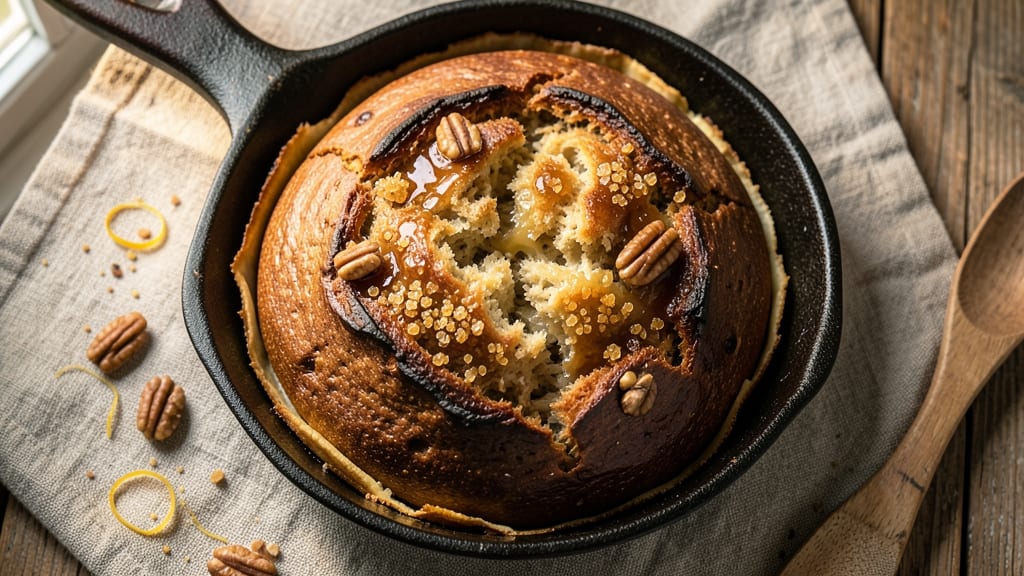
This artisan beer bread recipe transforms simple ingredients into a golden-crusted loaf with a chewy interior that practically melts in your mouth.
The key lies in the beer—not just for flavor, but for texture: its natural sugars caramelize during baking to create that perfect crispy top while keeping the crumb tender. I’ve perfected this version after years of testing, and it delivers every time without requiring advanced baking skills.
What sets this recipe apart is the balance of technique and simplicity. You’ll mix, shape, and bake in under an hour, yet the result feels like a pub-style masterpiece. The beer infuses depth—whether you use a malty amber ale or a crisp lager—while the buttery crust adds a satisfying crunch.
No yeast headaches here; this dough comes together quickly and rises reliably for foolproof results.
The magic happens in the oven, where the beer’s sugars transform into a caramelized crust while the interior stays soft and pull-apart perfect. This isn’t just bread—it’s a flavor experience that pairs beautifully with soups, stews, or even as a standalone snack.
The recipe includes optional add-ins like cheese or herbs, but the classic version is already irresistible.
Ready in just 30 minutes, this artisan beer bread is the ultimate crowd-pleaser—crispy on top, chewy inside, and packed with the rich, malty notes of quality beer. Let’s get baking!
Ingredients for artisan beer bread
Nine simple ingredients create golden-crusted beer bread with chewy magic inside—no fancy skills needed.
| Ingredient | Amount | Notes |
|---|---|---|
| All-Purpose Flour 🌾 | 3 ½ cups | Sifted for light texture |
| Light Brown Sugar 🍯 | ½ cup | Packed for caramelization |
| Dry Active Yeast 🍞 | 1 tbsp | Or 2.25 tsp instant yeast |
| Warm Water 💧 | 1 ¼ cups | Activates yeast perfectly |
| Unsalted Butter 🧈 | ½ cup | Cold, cubed for flaky crust |
| Amber Ale Beer 🍺 | 1 cup | Malty for rich flavor |
| Large Egg 🥚 | 1 whole | Room temperature |
| Kosher Salt 🧂 | 1 ½ tsp | Diamond Crystal preferred |
| Black Pepper 🌶️ | ½ tsp | Freshly cracked |
| Garlic Powder 🧄 | 1 tsp | For subtle depth |
| Cornmeal 🌽 | ¼ cup | For crispy base |
The beer is the star here, so pick something malty like an amber ale or stout—those caramel notes turn into that perfect crispy crust. New Castle or Guinness work beautifully, but honestly, whatever you’ve got on tap is fine. The yeast? Fresh is best, but instant yeast in the dry mix works too. For the flour, King Arthur or Bob’s Red Mill are my go-tos—they bake up light and airy. Pro tip: measure your flour by scooping and leveling, not packing it down. And that butter? Cold cubes create the flakiest crust—don’t melt it first!
No amber ale? Substitute with a crisp lager or even non-alcoholic beer—just add a splash of molasses for depth. Short on cornmeal? Semolina or crushed crackers work in a pinch. The brown sugar can be swapped for white sugar if you’re avoiding caramelization, but where’s the fun in that? For extra richness, add 1/4 cup shredded cheddar to the dough. And if you’re feeling fancy, toss in 1 tbsp chopped rosemary for a herby twist. The egg binds everything together—room temperature is key—so take it out 10 minutes before mixing.
This dough keeps in the fridge for 2 days, covered tightly. For longer storage, freeze shaped loaves for up to 3 months—just thaw at room temp before baking. The bread reheats beautifully: 5 minutes at 350°F wraps it up fresh again. Slice it thick for sandwiches or tear into chunks for dipping—warm beer butter is the ultimate pairing. Leftovers? Toast them up for a crispy snack. Trust me, you’ll want to bake this twice.
Why You'll Love This Recipe
- No-Knead Magic: I swear by this dough—just mix, let it rise, and bake. The yeast does all the work while I sip my coffee, and the result? A loaf so tender you’ll forget it took zero effort.
- Sweet & Malty Bite: That brown sugar caramelizes into something addictive, while the beer’s deep flavor lingers like a warm hug. Honestly, the first slice makes me want to bake another loaf immediately.
- Game for Any Meal: Tear it for brunch, toast it with butter for dinner, or pack slices for lunch—it’s my go-to for lazy mornings and last-minute gatherings. (Yes, even on a Tuesday night.)
- Budget-Friendly Staple: Uses pantry basics (flour, sugar, butter) and stretches into sandwiches, toast, or French toast for days. Between us, I’ve made this loaf feed a crowd for under $5—no joke.
Step-by-step instructions for artisan beer bread
Here's how to bake bread with a golden crust and chewy interior that pulls apart like magic.
Activate the Yeast and Mix the Dough
In a large bowl, whisk together the 1.25 cups warm water, 0.5 cup light brown sugar, and 1 tbsp dry active yeast. Let this sit for 5-10 minutes until it becomes frothy and bubbly—this confirms your yeast is alive and ready to work. If it doesn't bubble, your yeast might be dead, and you'll need to start over.
Once bubbly, add the 3.5 cups all-purpose flour, 1.5 tsp kosher salt, 0.5 tsp black pepper, and 1 tsp garlic powder to the bowl. Mix with a wooden spoon until a shaggy dough forms. Then, stir in the 1 cup amber ale beer and 1 whole large egg, mixing until everything comes together. The dough should be sticky but manageable—if it's too dry, add a splash of warm water.
Incorporate the Butter and Knead Briefly
Cut the 0.5 cup unsalted butter into small cubes and fold them into the dough one at a time, pressing gently to distribute. The butter should coat the dough evenly, creating pockets that will melt into flaky layers during baking. Avoid overworking the dough—just mix until the butter is fully incorporated and the dough is smooth.
Transfer the dough to a lightly floured surface and knead it gently for 2-3 minutes until it pulls away from the sides. The dough should be soft and slightly tacky. If it feels too sticky, wet your hands slightly to prevent sticking. This brief kneading ensures a tender crumb without developing too much gluten, which keeps the bread chewy rather than dense.
Shape and Rest the Dough
Lightly grease a 9x5-inch loaf pan with butter or nonstick spray. Place the dough into the pan and smooth the top with wet hands, pressing gently to fill any gaps. Sprinkle the 0.25 cup cornmeal evenly over the top—this creates a crispy, golden crust that contrasts beautifully with the soft interior.
Cover the pan tightly with plastic wrap and let the dough rise in a warm place for 1-1.5 hours, or until it has nearly doubled in size. The dough should feel springy when pressed lightly with a finger. If your kitchen isn't warm, place the pan near a turned-off oven with the light on to speed up the process. This resting period allows the yeast to work its magic, creating air pockets for that signature pull-apart texture.
Bake Until Golden and Crispy
Preheat your oven to 375°F while the dough rises. Once the dough has risen, place the loaf pan in the oven and bake for 45-50 minutes, until the top is deep golden brown and the internal temperature reaches 190-200°F. The bread should sound hollow when tapped on the bottom, and the crust should be crisp enough to snap.
For extra crispiness, broil the bread for 1-2 minutes at the end of baking, keeping a close eye to avoid burning. The aroma should fill your kitchen—malty, buttery, and irresistibly warm. Let the bread cool in the pan for 10 minutes before transferring it to a wire rack. This resting period ensures the bread sets properly and makes slicing easier.
Serve Warm and Enjoy
Slice the bread into thick pieces and serve it warm, straight from the oven. The exterior should be crisp and crackly, while the interior remains soft and chewy, with pockets of melted butter and a subtle beer flavor. Pair it with your favorite butter, honey, or a dollop of whipped cream for the ultimate indulgence.
This bread is best enjoyed fresh, but any leftovers can be wrapped tightly and stored at room temperature for 2 days or frozen for up to 3 months. To reheat, warm slices in a 350°F oven for 5-10 minutes until crispy again. The magic lies in the contrast—every bite delivers that perfect balance of textures and flavors.
Pro Tips For Making Artisan Beer Bread
- Test Your Yeast First: Skip the guesswork—mix 1 packet yeast with ¼ cup warm water and 1 tsp brown sugar, then wait 10 minutes. If it doesn’t foam, your yeast is dead, and your bread will flop. I learned this the hard way after baking a dense, flat loaf that tasted like sad crackers.
- Measure Beer by Weight: The recipe likely calls for "1 cup beer," but liquid measurements vary wildly. Weigh it instead—1 cup of beer is about 240g, and using a scale guarantees the right fermentation kick. My first batch turned out gummy because I eyeballed it, and the yeast struggled.
- Don’t Overmix the Dough: Stir just until the flour is incorporated—overworking it develops gluten, and your bread will turn out tough instead of tender. Think "shaggy dog" texture, not bread dough. I used to mix like I was kneading sourdough, and the result was chewy instead of light.
- Bake in a Metal Pan: Glass or ceramic pans absorb heat unevenly, leading to a pale, gummy crust. Use a metal pan—it conducts heat better and gives you that golden, crackly top you actually want. I switched after my first batch came out looking like a hockey puck, and the difference was night and day.
Wine and beer pairings for artisan beer bread
Beer Style Pairings
The beer you bake with directly influences the flavor profile of your artisan bread. For a malty, caramel-forward result, use an amber ale like New Castle or Fat Tire. These beers add deep, toasty notes that complement the brown sugar and butter beautifully.
If you prefer a lighter, crisp bread, opt for a pilsner or lager—the subtle hop bitterness balances the richness without overpowering. For a bold, robust flavor, try a stout or porter, which adds a slightly bitter edge that pairs wonderfully with the crust’s caramelization. 🍺
Wine Pairings
While beer bread is often paired with beer, a glass of wine can elevate the experience. A dry Riesling with its crisp acidity cuts through the bread’s richness, highlighting the malty notes.
For a red wine option, a Pinot Noir from Oregon or Burgundy offers enough fruitiness to stand up to the butter and brown sugar without competing. Avoid heavy, tannic wines like Cabernet Sauvignon—they’ll clash with the bread’s sweetness.
A sparkling wine like Prosecco also works brilliantly, cleansing your palate between bites. 🍷
Cocktail Pairings
Transform your beer bread into the star of a snack spread by pairing it with a whiskey sour or gin and tonic. The citrusy brightness of the sour contrasts perfectly with the bread’s caramelized crust, while the botanical notes in gin and tonic complement the beer’s malty depth.
For a non-alcoholic option, try a ginger beer or sparkling lemonade—both add a refreshing zing that balances the bread’s richness. I love serving this bread with a dark rum old-fashioned for a cozy, indulgent vibe. 🍹
Cheese and Spread Pairings
Elevate your bread with complementary toppings. A sharp cheddar or blue cheese spread adds a tangy kick that pairs beautifully with the beer’s maltiness. For something lighter, try herbed goat cheese mixed with honey—it’s creamy and slightly sweet.
If you’re feeling adventurous, spread garlic butter or spicy brown butter on warm slices for a decadent twist. The contrast of textures and flavors makes every bite irresistible. 🧀
Seasonal Pairings
Adjust your pairings based on the season. In summer, pair your beer bread with a cucumber-mint salad and a light lager or rosé. In fall, opt for a spiced apple cider and a dark ale to complement the bread’s caramelized notes.
For winter, a mulled wine or hot toddy adds warmth and depth. Even in spring, a dry sparkling wine or citrusy IPA keeps the pairing fresh and vibrant. The key is balancing the bread’s richness with something bright or refreshing. ✨
Nutrition facts
Frequently asked questions
Can I use any type of beer for this recipe?
While you can use most beers, amber ales or malty lagers work best—they add rich caramel notes that enhance the crust. Light beers like pilsners create a milder flavor, while stouts or porters give a deeper, almost chocolatey taste. Avoid overly hoppy IPAs, as the bitterness can overpower the bread's sweetness.
Why did my beer bread turn out dense instead of chewy?
Over-kneading develops too much gluten, making the bread tough. Keep kneading to just 2-3 minutes—the dough should be soft and slightly sticky. Also, ensure your yeast is active (it should bubble within 5-10 minutes when mixed with warm water). If your kitchen is cold, place the dough near a warm oven to help it rise properly.
How can I make this bread without a loaf pan?
Shape the dough into a freeform loaf on a baking sheet lined with parchment paper. Sprinkle cornmeal on top for crispiness, then bake at 375°F for 35-40 minutes, rotating halfway. For extra crust, brush with melted butter before baking. The texture will be slightly different but still delicious!
Can I add cheese or herbs to this recipe?
For cheese, stir in 1/4 cup shredded cheddar or gouda with the dry ingredients. For herbs, add 1 tbsp chopped rosemary or thyme to the dough. Keep it simple—too many add-ins can make the bread dense. If using cheese, reduce the beer slightly (3/4 cup) to balance moisture.
How long does homemade beer bread stay fresh?
Wrap tightly in foil or plastic and store at room temperature for 2-3 days. For longer storage, freeze the baked loaf (unwrapped) for up to 3 months. To reheat, warm slices at 350°F for 5-10 minutes until crispy again. The crust loses crispness over time, so enjoy fresh or toast slices for best texture.