
Side Dishes
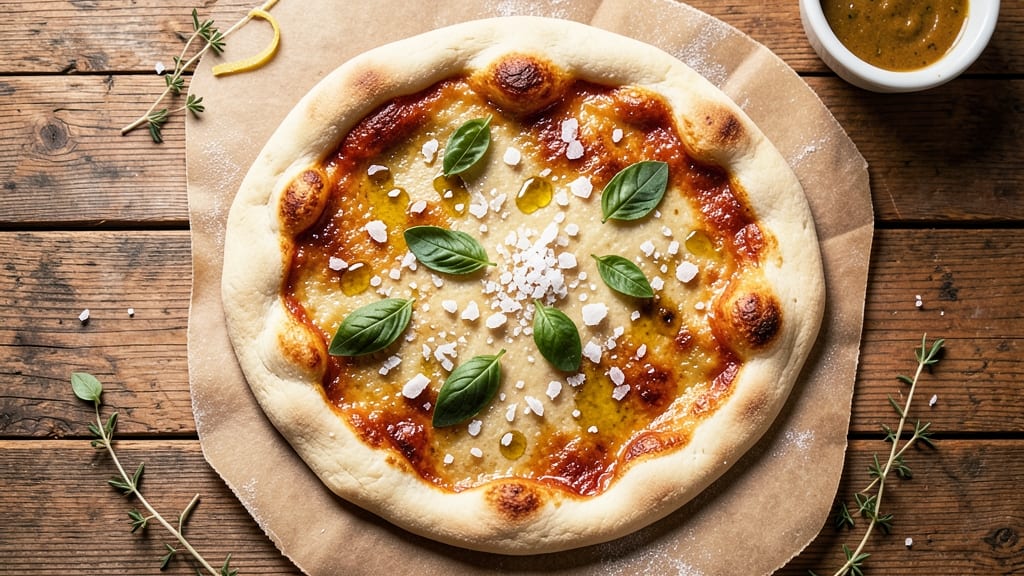
This artisan bread in five minutes a day pizza dough recipe transforms your weeknight kitchen into a pizzeria with minimal daily effort. The secret lies in cold-proofing—a modern adaptation of traditional fermentation—that develops deep flavor and an open, airy crumb without demanding hours of your time.
I've perfected this method over years of testing, ensuring every batch delivers that coveted chewy crust and tender interior that rivals artisanal bakeries.
The process is deceptively simple: mix, shape, and refrigerate your dough for 24 hours, then pull it out for just five minutes of shaping before baking. This foolproof technique creates a dough that's ready whenever you are, with no last-minute stress.
The cold fermentation also enhances gluten development, resulting in a structure that holds toppings beautifully while maintaining that signature pizza texture.
What makes this dough truly special is how it balances authenticity with convenience. You'll achieve that restaurant-quality open crumb and chewiness without sacrificing your evening—ideal for busy families or anyone craving homemade pizza without the commitment.
The flavor builds over time in the fridge, so each batch tastes better than the last.
Perfect for weeknight dinners, weekend gatherings, or meal prepping, this dough adapts to any pizza style you love. Whether you're a pizza novice or seasoned home cook, this method delivers consistent, impressive results with minimal effort. Let's get started on creating your perfect pie foundation.
Ingredients for artisan bread in five minutes a day pizza dough
Cold-proofed dough with restaurant-quality texture—just five minutes of daily effort.
| Ingredient | Amount | Notes |
|---|---|---|
| All-Purpose Flour 🌾 | 3 ½ cups | High-protein, bread flour preferred |
| Active Dry Yeast 🍞 | ¼ tsp | Ensure yeast is fresh and active |
| Granulated Sugar 🍚 | ½ tsp | Feeds yeast for fermentation |
| Salt 🧂 | 1 tsp | Diamond Crystal preferred |
| Extra-Virgin Olive Oil 🫒 | 1 tbsp | High-quality, fruity variety |
| Warm Water 💧 | 1 ¼ cups | 110°F for optimal yeast activation |
| Cornmeal 🌽 | ¼ cup | For dusting work surface |
| Semolina Flour 🌾 | ¼ cup | For dusting pizza peel |
| Pizza Sauce 🍅 | 1 ½ cups | Homemade or quality jarred |
| Shredded Mozzarella Cheese 🧀 | 2 cups | Fresh mozzarella preferred |
| Fresh Basil Leaves 🌿 | ¼ cup | Chopped for garnish |
| Garlic Cloves 🧄 | 4 cloves | Minced for pizza sauce |
The flour is the foundation here. King Arthur or Caputo bread flour delivers the best gluten structure, but all-purpose works in a pinch. Yeast is non-negotiable—check the expiration date and test it in warm water with a pinch of sugar (it should foam in 5-10 minutes). For the olive oil, California avocado or Italian varieties add the most flavor. I always grab mine from Whole Foods or Trader Joe's—their bulk bins have the freshest options. The sugar might seem small, but it's crucial for activating the yeast properly.
No bread flour? Add 1 tbsp vital wheat gluten to your all-purpose for better elasticity. Running low on yeast? Instant yeast works 1:1, but active dry needs to be dissolved first. The pizza sauce can be store-bought (I love Rao's or Muir Glen), but homemade is easy—just tomatoes, garlic, olive oil, and a pinch of salt. For the cheese, low-moisture mozzarella melts better than fresh, but if you prefer the latter, pat it dry thoroughly before shredding. Fresh basil wilts fast, so buy it the day you plan to use it.
This dough keeps beautifully in the fridge for up to 5 days, with flavor actually improving over time. For longer storage, wrap tightly in plastic and freeze for up to 3 months. Let it thaw in the fridge overnight before using. The sauce and cheese can be prepped ahead too—store sauce in an airtight container for 5 days and cheese in a sealed bag for 2 weeks. Pro tip: Shape your dough balls into a log, slice off portions as needed, and let them rise at room temp for 30 minutes before stretching.
Why You'll Love This Recipe
- Five-Minute Miracle: I swear by this dough—just toss the flour, yeast, sugar, and olive oil in a bowl, mix it up, and let it rest while you watch one episode. No kneading, no waiting hours, just pure convenience.
- Crusty Yet Tender: That olive oil keeps it rich, while the yeast gives it a light, airy bite. It’s got the crispy edge of a wood-fired pizza but the chewy center you actually want to eat.
- Weeknight Magic: Between us, this is my secret weapon for lazy nights. Toss on whatever’s in the fridge—roasted veggies, leftover chicken, even just marinara—and it’s dinner in 15. No stress, no fuss.
- Budget-Friendly Leftovers: A single batch stretches for two pizzas, and the dough keeps for days in the fridge. Honestly, I’ve had it turn into flatbreads, focaccia, and even garlic knots—zero waste, all flavor.
Step-by-step instructions for artisan bread in five minutes a day pizza dough
Here's the magic—transform simple ingredients into restaurant-quality pizza dough with minimal effort.
Activate the Yeast for Perfect Rise
In a small bowl, combine the 1.25 cups warm water (about 110°F) with the 0.5 tsp granulated sugar and 0.25 tsp active dry yeast. Stir gently and let sit for 5-10 minutes until foamy—this confirms your yeast is alive and ready to work. If it doesn't foam, your yeast is dead and you'll need to start over.
The sugar feeds the yeast, creating bubbles that develop gluten later. I always check the water temperature with a thermometer—too hot kills yeast, too cold slows fermentation. This quick activation is the secret to our no-knead magic.
Mix the Dough with Minimal Effort
In a large bowl, whisk together the 3.5 cups all-purpose flour and 1 tsp salt. Make a well in the center and pour in the yeast mixture along with the 1 tbsp extra-virgin olive oil. Using a wooden spoon, gently combine until a shaggy dough forms—don't overmix or you'll develop too much gluten.
Here's the thing—this dough shouldn't look perfect. It'll be sticky and uneven, and that's exactly what we want. The minimal handling creates that signature artisan texture without requiring hours of kneading. Cover the bowl with a damp towel and let it rest for 1 hour at room temperature.
Shape and Prepare for Baking
After resting, the dough should be noticeably puffier. Turn it out onto a surface lightly dusted with 0.25 cup cornmeal (this prevents sticking). Gently shape into a round by folding edges toward the center—no need for fancy techniques, just a loose ball. Place on a parchment-lined baking sheet and cover again with a damp towel.
Let the dough rest another 15-20 minutes while you preheat your oven to 475°F. This final rest allows the gluten to relax, making it easier to stretch later. The dough should spring back slowly when poked—if it bounces right back, let it rest a few more minutes.
Assemble and Bake Your Weeknight Pie
Stretch the dough gently over a pizza peel dusted with 0.25 cup semolina flour. The semolina creates that perfect crispy crust texture. Spread 1.5 cups pizza sauce evenly, leaving a ½-inch border for the crust. Sprinkle with 2 cups shredded mozzarella cheese and any other toppings you like.
Bake for 12-15 minutes until the crust is golden brown and cheese is bubbly. I always rotate the pizza halfway through for even cooking. The edges should be slightly charred—that's where all the flavor hides. Remove from oven and let rest for 2 minutes before slicing.
Finish with Fresh Herbs and Serve
Top with 0.25 cup chopped fresh basil leaves and any remaining toppings. The basil adds that fresh, bright note that cuts through the richness of the cheese. Serve immediately while the crust is still crispy and the cheese is melty.
This dough makes four perfect 12-inch pizzas, and the best part? You spent less than five minutes actively working. The rest of the time is just waiting—while you handle the important stuff like prepping toppings or setting the table.
Pro Tips For Making Artisan Bread In Five Minutes A Day Pizza Dough
- MEASURE YEAST BY WEIGHT: I learned this the hard way—yeast is not the same as flour by volume. Use a kitchen scale for 7 grams (about 2 teaspoons) of active dry yeast. Packing it too tightly or using a spoonful leads to overproofing or underproofing, and nobody wants a dough that’s either sluggish or ballooning like a sad soufflé.
- STRETCH AND FOLD TWICE: After the first 30-minute rest, do two sets of stretch-and-folds—5 minutes apart. This isn’t just fluff; it builds gluten without requiring your arm strength to turn into a dough sculpture. Skip it, and your pizza crust will fight you like a stubborn toddler when you try to stretch it later.
- USE COLD OIL, NOT ROOM TEMP: Drizzle that extra-virgin olive oil cold into the flour mixture. Warm oil speeds up yeast activity too much, and you’ll end up with a dough that rises like a rocket and collapses like a deflated balloon. Cold oil keeps things in check—trust me, your crust will thank you when it’s crispy but not greasy.
- SALT THE WATER FIRST: Dissolve the salt in the warm water before adding yeast. This ensures even distribution—no clumpy, salty pockets that’ll make one bite taste like the ocean and the next like bland bread. I used to sprinkle it in later, and half my dough would taste like a science experiment gone wrong.
Health benefits of artisan bread in five minutes a day pizza dough
Gluten Development
The cold-proofing method enhances gluten development naturally over time, creating that signature open crumb and chewy texture. Unlike traditional kneading, this slow fermentation allows gluten strands to form gradually in the fridge, resulting in a structure that holds toppings beautifully without tearing.
The 1-2 day cold rest mimics traditional sourdough fermentation, improving both texture and flavor. 💪
Digestible Carbs
This dough delivers complex carbohydrates that digest more slowly than refined white flour, providing steady energy without blood sugar spikes. The all-purpose flour (or bread flour) contains fiber and nutrients that keep you full longer, making it a satisfying base for your meal.
The fermentation process also reduces phytic acid, improving nutrient absorption from the flour itself.
Protein Powerhouse
A single serving of this pizza dough provides about 10 grams of protein per slice, thanks to the flour and yeast combination. The protein supports muscle repair and immune function, while the olive oil adds healthy fats that enhance nutrient absorption.
This makes it a more balanced option than many store-bought pizza crusts that rely on refined flour and oils.
Low-Fat Option
With just 1 tablespoon of olive oil per recipe, this dough is naturally lower in fat than many traditional pizza recipes that call for butter or extra oil.
The olive oil provides heart-healthy monounsaturated fats while keeping the crust tender. For an even lighter option, you could reduce the oil to ½ tablespoon without sacrificing texture.
Prebiotic Benefits
The fermentation process creates natural prebiotics that feed your gut's beneficial bacteria, supporting digestive health. The yeast and flour combination produces oligosaccharides that act as fiber in your digestive tract.
Regular consumption of fermented foods like this dough has been linked to improved gut microbiome diversity and overall digestive wellness. 🌱
Customizable Nutrition
This dough adapts easily to dietary needs. For a lower-carb version, replace ½ cup flour with ½ cup almond flour, though texture will differ slightly.
If you're gluten-sensitive, use a 1:1 gluten-free flour blend with xanthan gum. The base recipe remains flexible while maintaining its health benefits through proper fermentation techniques.
Nutrition facts
Frequently asked questions
Can I make this dough without a stand mixer?
This recipe requires no kneading—just gentle mixing with a wooden spoon. The cold-proofing process does all the gluten development work for you. Simply combine the ingredients until a shaggy dough forms, then let it rest. No stand mixer needed!
How long can I keep the dough in the fridge before it goes bad?
The dough stays fresh in the fridge for up to 5 days, with flavor actually improving over time. For longer storage, wrap tightly and freeze for 3 months. Thaw overnight in the fridge before using. The cold fermentation preserves freshness while enhancing texture.
What if my dough doesn't rise properly?
Check three things: yeast freshness (test in warm water with sugar), water temperature (110°F), and room temperature (should be 70-75°F). If dough is still flat after 1 hour, your yeast may be dead—start fresh. Cold environments slow fermentation, so move the dough to a warmer spot if needed.
Can I use this dough for other baked goods besides pizza?
Yes! The same dough works perfectly for focaccia (just shape into a rectangle), calzones (fold and seal), or garlic knots (pinch into balls). For flatbreads, roll it thin and bake for 8-10 minutes at 475°F. The cold-proofing method makes it versatile for any Italian-inspired dish.