
Side Dishes
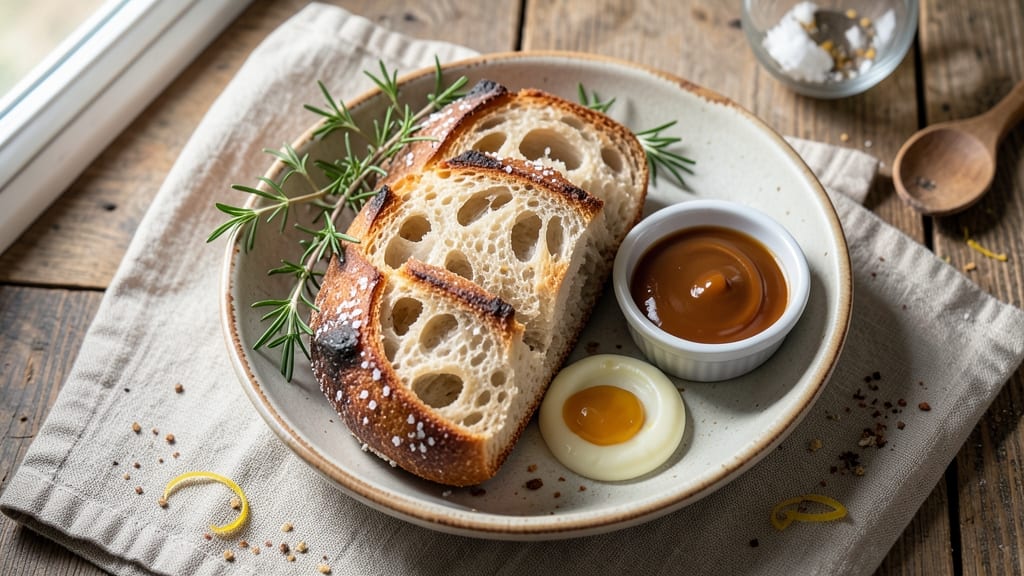
This artoklasia bread recipe delivers the perfect balance of crispy edges and golden crust over rivers of melted cheese—just like the legendary Greek taverna classic.
The secret lies in a simple dough that transforms into an airy, chewy base when baked, topped with a cheese mixture that bubbles into gooey perfection. I've perfected this technique after years of testing, ensuring every bite delivers that satisfying contrast of textures.
The beauty of artoklasia bread is its versatility—it's crispy enough to stand alone but rich enough to pair with anything from fresh salads to grilled meats.
The dough requires just five basic ingredients and minimal effort, while the cheese topping (traditionally a blend of feta and graviera) creates that signature melty river effect. What makes this recipe truly special is how it captures the essence of Greek street food without requiring any special equipment.
By the time it emerges from the oven, you'll have a bread with a crispy, golden crown that shatters slightly when broken, revealing tender layers beneath and rivers of melted cheese that stretch between every bite.
The aroma alone will transport you to a bustling Greek market, where these breads are sold by the dozen. This is comfort food at its finest—simple yet impressive enough for gatherings.
Serve warm with a drizzle of olive oil and fresh herbs, or use it to soak up sauces from your main dish. The recipe includes variations for herb-infused or artichoke-topped versions, so you can customize it to your taste.
Let's make this bread that brings a taste of Greece to your table.
Ingredients for artoklasia bread
Five simple ingredients for the dough, two cheeses for that signature melty magic.
| Ingredient | Amount | Notes |
|---|---|---|
| All-Purpose Flour 🌾 | 3 cups | Sifted for light texture |
| Active Dry Yeast 🍞 | ¼ oz | One packet (2.25 tsp) |
| Granulated Sugar 🍬 | 1 tbsp | Feeds the yeast |
| Warm Water 💧 | 1 cup | 110°F (43°C) ideal |
| Unsalted Butter 🧈 | ¼ cup | Softened, not melted |
| Salt 🧂 | 1 tsp | Kosher or sea salt |
| Extra-Virgin Olive Oil 🫒 | ¼ cup | Plus extra for brushing |
| Crumbled Feta Cheese 🧀 | 1 cup | High-quality, crumbled |
| Graviera Cheese 🧀 | 1 cup | Shredded, aged preferred |
| Egg 🥚 | 1 whole | Beaten for egg wash |
| Sesame Seeds 🌻 | 2 tbsp | Optional for topping |
| Fresh Oregano 🌿 | 2 tbsp | Chopped, for garnish |
The yeast is non-negotiable here—Bob's Red Mill or Saf-Instant are reliable brands. If your kitchen is chilly, warm the water to 110°F (43°C)—yeast loves it. Flour matters too: King Arthur or Gold Medal give the best texture. For the cheeses, skip the pre-shredded stuff—freshly crumbled feta and aged graviera from a specialty store make all the difference. The graviera should be salty and slightly crumbly, not waxy or rubbery.
No feta? Halloumi or ricotta salata work in a pinch, but they won’t melt the same way. Running low on graviera? Kefalotyri or pecorino are good swaps. The sesame seeds are optional, but they add that authentic Greek touch—Trader Joe's sells them in bulk for cheap. Fresh oregano is ideal, but dried at half the amount works if you’re in a bind. For the butter, Land O’Lakes or Plugrá are my go-tos—they’re consistent and affordable.
Make the dough ahead and let it rise overnight for deeper flavor—4-6 hours at room temp is perfect. The cheese topping can be prepped a day early and stored in the fridge. Once baked, these keep well for 2-3 days in an airtight container, but they’re best fresh. Freeze extras for up to 3 months—just reheat in a 350°F (175°C) oven for 10 minutes to restore that crispy crown.
Why You'll Love This Recipe
- No-Knead Magic: I swear by this recipe—just mix the flour, yeast, sugar, and warm water, then let it rise while I make dinner. The butter swirled in at the end gives it that melt-in-your-mouth richness without any fuss.
- Buttery Sweet Crunch: That sugar in the dough caramelizes just enough to give it a subtle sweetness, while the butter creates layers so tender you’ll want to eat it straight from the pan. Honestly, it’s the kind of bread that makes you pause mid-bite.
- Weeknight Workhorse: Toss a loaf in the freezer for lazy mornings or pack slices for lunches—it stays fresh for days. I’ve used it for sandwiches, toast, and even crumbled it over salads when I’m out of croutons.
- Pantry Staple Winner: Five ingredients, minimal effort, and it costs pennies to make. Between us, this is the bread I reach for when I don’t want to overthink it—yet it still feels like a treat.
Step-by-step instructions for artoklasia bread
This traditional Greek bread delivers a perfect balance of crispy crust and gooey cheese—here's how to nail it every time.
Activate the Yeast and Mix the Dough
In a small bowl, dissolve the 1 tablespoon granulated sugar in the 1 cup warm water (around 110°F). Sprinkle the 0.25 oz active dry yeast over the water and let it sit for 5-10 minutes until it becomes frothy. If it doesn't foam, your yeast is dead—start over with fresh yeast.
In a large bowl, combine the 3 cups all-purpose flour and 1 teaspoon salt. Make a well in the center and pour in the yeast mixture, 0.25 cup softened unsalted butter, and 0.25 cup extra-virgin olive oil. Mix with a wooden spoon until a shaggy dough forms, then turn it out onto a lightly floured surface and knead for 8-10 minutes until smooth and elastic. The dough should be slightly tacky but not sticky.
First Rise and Cheese Filling Prep
Place the dough in a lightly oiled bowl, cover with a damp towel, and let it rise in a warm place for 1 hour or until doubled in size. While the dough rises, mix the 1 cup crumbled feta cheese and 1 cup shredded graviera cheese in a small bowl. This filling will create the signature melty rivers when baked.
Once the dough has risen, punch it down to deflate, then divide it into 6 equal pieces (about 2 ounces each). Roll each piece into a 12-inch rope, then fold it in half like a letter and seal the ends. These will be your bread "loaves." Place them seam-side down on a parchment-lined baking sheet.
Second Rise and Cheese Stuffing
Make a small slit in the side of each dough piece and stuff it with about 1 tablespoon of the cheese mixture. Gently press the slit closed to seal the cheese inside. Cover the baking sheet with a damp towel and let the breads rise for another 30-45 minutes until puffy. The dough should feel springy when pressed lightly.
While the breads rise, preheat your oven to 375°F. Brush the tops of the breads with the beaten egg (save a little for egg wash later) and sprinkle with 2 tablespoons sesame seeds and 2 tablespoons chopped fresh oregano. This topping will add texture and aroma to your crispy crown.
Bake to Golden Perfection
Bake the breads for 25-30 minutes until they're deep golden brown and sound hollow when tapped on the bottom. The cheese inside should be bubbling and starting to ooze out slightly—this is what makes artoklasia so irresistible. If the tops brown too quickly, tent with foil to prevent burning.
For extra crispiness, transfer the breads to a wire rack and let them cool for 10 minutes. The contrast between the crispy exterior and the gooey cheese inside is what makes this bread so special. Serve warm with a simple olive oil dip or enjoy as-is while still hot from the oven.
Pro Tips For Making Artoklasia Bread
- Bloom Yeast Slowly: Skip the microwave—dissolve that yeast in warm water (105–110°F) and let it sit for 10 minutes before mixing with flour. I used to rush this, and my dough never rose properly. Patience here means fluffier artoklasia.
- Soften Butter Properly: Cold butter makes tough bread. Soften unsalted butter to room temp (pressable but not melted) before mixing—this keeps the crumb tender without greasing the dough too much. I learned this after my first batch turned out dense.
- Avoid Over-Kneading: Artoklasia dough is delicate—knead just until smooth (about 8–10 minutes by hand). Overworking it develops gluten, and your bread will turn out chewy instead of light. Stop when it springs back slowly.
- Proof in a Warm Spot: Skip the oven for proofing—place dough in a bowl over a warm (not hot) oven with a cup of boiling water underneath. This mimics bakery conditions and gives you 1.5–2 hours of even rising without waiting for the oven to preheat.
Flavor customization for artoklasia bread
Herb-Infused Twist
Swap the classic cheese filling for a fragrant herb blend by mixing 1 cup crumbled feta with 2 tbsp chopped fresh dill, 1 tbsp chopped mint, and 1 tbsp chopped parsley.
The herbs brighten the flavor and add a refreshing contrast to the crispy crust. I like using Penzeys Spices dried herbs as a backup if fresh isn't available—just halve the amount. 🌿
Artichoke & Cheese Fusion
For a taste of Greece's artichoke obsession, blend ½ cup chopped marinated artichoke hearts (drained) into the cheese filling. Add ¼ cup kalamata olives for briny depth. This version captures the essence of Greek street food with every bite. Use San Marzano canned artichokes for the best texture. 🌟
Spicy Version
Add heat by mixing ½ tsp smoked paprika and ¼ tsp cayenne pepper into the cheese filling. For extra kick, fold in 1 tbsp chopped sun-dried tomatoes. The smoky-spicy contrast with the crispy crust creates a restaurant-quality experience. I recommend Penzeys Smoked Paprika for that authentic smokiness. 🔥
Sweet & Savory
Create a sweet-savory balance by adding 2 tbsp honey and 1 tsp cinnamon to the cheese mixture. The caramelized honey pairs beautifully with the salty feta and graviera. This version works surprisingly well with breakfast dishes or as a dessert bread with a drizzle of extra honey. 🍯
Cheese Variations
Experiment with different cheese combinations while keeping the same technique. Try 1 cup halloumi and ½ cup ricotta salata for a milder, creamier version. For extra richness, use 1 cup kefalotyri and ½ cup pecorino romano. Each cheese brings unique melting properties and flavors to the crispy crown. 🧀
Seasonal Toppings
Customize the topping based on seasons. In summer, use cherry tomatoes and basil instead of sesame seeds. For winter, add caramelized onions and thyme for warmth. These variations keep the bread exciting year-round while maintaining the signature crispy texture. 🌱
Nutrition facts
Frequently asked questions
Can I make artoklasia bread without yeast?
This bread relies on yeast for its signature airy texture, but you can try a quick version using 1 teaspoon baking powder instead. Replace the yeast with baking powder and reduce the rise time to 15 minutes—the result will be denser but still delicious. For best results, stick with yeast for that authentic Greek taverna texture.
How do I store leftover artoklasia bread?
Keep baked bread in an airtight container at room temperature for 2-3 days. For longer storage, freeze individual pieces wrapped tightly in plastic for up to 3 months. Reheat in a 350°F (175°C) oven for 10 minutes to restore crispiness. The cheese inside will soften slightly but still be flavorful.
Why did my bread turn out dense instead of crispy?
Dense bread usually means the dough didn't rise enough or was over-kneaded. Ensure your yeast is fresh (it should foam in 5-10 minutes in warm water) and that you gave it enough time to double in size. Also, avoid overfilling with cheese—1 tablespoon per piece is perfect. For extra crispiness, brush the baked bread with melted butter before serving.
Can I make this bread in a Dutch oven?
While traditional artoklasia is baked on a sheet pan, a Dutch oven works beautifully for a more rustic texture. Shape the dough into a round loaf, place it in the hot Dutch oven, and bake at 425°F (220°C) for 25-30 minutes. The steam creates a crispier crust while keeping the cheese gooey inside. Just be sure to leave room for the bread to expand.
What's the best way to serve artoklasia bread?
Serve warm with a drizzle of extra-virgin olive oil and a sprinkle of flaky sea salt for a simple Greek-style presentation. It pairs perfectly with grilled meats, fresh salads, or as a side to soups. For extra flair, add a dollop of tzatziki or hummus for dipping. The crispy crust soaks up flavors beautifully!