
Side Dishes
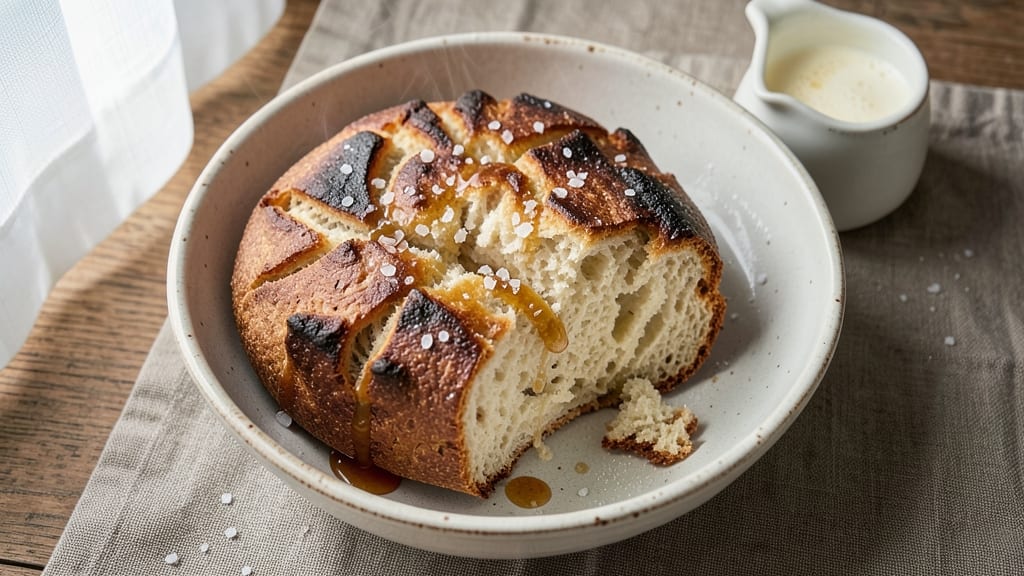
This ATK Irish soda bread recipe delivers that perfect buttermilk-kissed crust and dense, slightly crumbly interior that makes every slice feel like a taste of Ireland.
The beauty of this recipe lies in its simplicity—no yeast, no kneading, just a few pantry staples and a Dutch oven for that signature rustic charm. I've baked this version countless times, and it never fails to impress with its tender crumb and golden, crackly crust.
The secret to authentic texture is using buttermilk (or sour milk) and letting the dough rest before baking. This allows the baking soda to activate fully, creating that signature tangy flavor and airy crumb.
The recipe also includes optional toppings like seeds or coarse salt, which add both visual appeal and extra texture to the crust. It's the kind of bread that pairs beautifully with soups, jams, or a simple cup of tea.
What makes this recipe truly special is how versatile it is—you can make it with whole wheat flour for added nutrition or swap in herbs for a savory twist.
The dough comes together in under 10 minutes, and baking takes just 45 minutes, making it perfect for a quick but impressive side dish. The aroma alone as it bakes will have everyone gathering around the kitchen.
Once you try this recipe, you'll understand why Irish soda bread is a staple—it's hearty, comforting, and effortless to make. The crust stays soft for days, and the crumb remains moist, making it ideal for meal prep or gifting. Let's get started on baking your own loaf of rustic perfection.
Ingredients for atk irish soda bread
Pantry staples plus buttermilk and baking soda deliver that iconic Irish soda bread flavor.
| Ingredient | Amount | Notes |
|---|---|---|
| All-Purpose Flour 🌾 | 4 cups | Plus 2 tbsp for dusting |
| Buttermilk 🥛 | 1 ½ cups | Room temperature preferred |
| Baking Soda 🧂 | 1 tbsp | Freshly opened for best results |
| Salt 🧂 | 1 tsp | Fine sea salt preferred |
| Sugar 🍚 | ¼ cup | White granulated sugar |
| Milk 🥛 | ½ cup | For dough consistency |
| Sesame Seeds 🌱 | 2 tbsp | Or poppy seeds for variation |
| Coarse Salt 🧂 | 1 tbsp | For crust topping |
| Whole Wheat Flour 🌾 | 1 cup | Optional for added nutrition |
| Fresh Rosemary 🌿 | 1 tbsp | Chopped, optional savory twist |
| Dutch Oven 🔥 | 1 whole | For signature rustic crust |
The flour is the foundation here. King Arthur or Bob's Red Mill work best for that signature tender crumb—avoid self-rising or bleached flours. Buttermilk is non-negotiable for that signature tang, but sour milk works in a pinch (just add 1 tbsp lemon juice to regular milk and let sit 5 minutes). For the baking soda, grab a fresh box—old baking soda loses potency. I always keep King Arthur brand on hand because it's consistent, but any all-purpose flour will do. The whole wheat flour is optional but adds nice texture and nutrition if you're feeling adventurous.
No buttermilk? Plain yogurt thinned with milk works too—just mix equal parts. Fresh rosemary is lovely but dried works at half the amount. The sesame seeds? Poppy seeds or flaxseeds are great swaps if you prefer. For the coarse salt topping, Maldon or Diamond Crystal flake beautifully. Pro tip: Toast your seeds in a dry pan for 30 seconds before sprinkling—they'll smell amazing and add extra crunch. The Dutch oven is key for that rustic crust, but a cast iron skillet works in a pinch if you don't have one.
This dough keeps in the fridge for 2 days wrapped tightly in plastic—perfect for meal prep. For longer storage, freeze the shaped loaf (unbaked) for up to 3 months. Once baked, the crust stays soft for 3-4 days if wrapped in a bread bag. I like to slice and freeze portions too—just reheat in a toaster or oven. The aroma as it bakes? Worth every minute of the 45-minute process. Trust me, your kitchen will smell like Ireland.
Why You'll Love This Recipe
- No-Knead Miracle: I swear by this—just mix, shape, bake. The buttermilk tang and baking soda lift make it rise effortlessly while I’m still scraping the bowl. No stand mixer, no waiting for dough to chill, just pure, lazy-day magic.
- Tangy Crust, Soft Core: That crispy sugar-speckled crust gives way to a tender crumb—like a hug in bread form. The buttermilk’s sharpness cuts through butter perfectly, and the salt? It’s the unsung hero that makes every bite sing.
- Weeknight Workhorse: Slice it warm for breakfast, pack it for lunch, or serve it with dinner—it’s my go-to for when I’m too tired to think. Honestly, I’ve eaten it straight from the oven with just a smear of jam, and it never lets me down.
- Pantry Staple, Wallet-Friendly: Four ingredients, zero fuss, and it keeps for days. Between us, I’ve fed a houseful of guests with one batch, and the leftovers? Perfect for toast or French toast. It’s the kind of recipe that makes me feel like I’m winning at life.
Step-by-step instructions for buttermilk-kissed crust with rustic charm
Here's how to craft this classic Irish soda bread with a signature crispy crust and tender crumb.
Mix the Wet Ingredients and Activate the Baking Soda
In a large mixing bowl, combine the 1.5 cups buttermilk, 0.5 cup milk, 0.25 cup sugar, and 1 tbsp baking soda. Let the mixture sit for 5 minutes—you'll see it bubble vigorously as the baking soda reacts with the acid in the buttermilk. This reaction creates the bread's signature lift and slightly tangy flavor. Stir gently just once after the bubbling subsides to avoid deflating the air bubbles.
This step is crucial—don't skip the waiting time. The reaction needs full development for proper rise. If you're using room temperature buttermilk, it will work even better. The bubbling should create a foamy texture that's lighter than the original liquid.
Combine Dry Ingredients and Create the Dough
In a separate large bowl, whisk together the 4 cups all-purpose flour, 1 cup whole wheat flour, 1 tsp salt, and 1 tbsp chopped fresh rosemary (if using). Make a well in the center of the dry ingredients and pour in the bubbly buttermilk mixture. Using a wooden spoon or your hands, gently mix until just combined—you should still see some dry flour patches. Overmixing develops gluten and makes the bread dense.
Add the 2 tbsp sesame seeds to the dough and mix them in evenly. The dough will be sticky but shouldn't require flour to handle. If it feels too dry, add 1 tablespoon of milk at a time until it reaches the right consistency. The ideal dough should hold together when pressed but still be soft enough to shape easily.
Shape and Prepare for Baking
Turn the dough onto a lightly floured surface and gently shape it into a round loaf about 8 inches in diameter. Don't worry about perfect roundness—this bread's rustic charm comes from its irregular shape. Place the dough on a parchment-lined baking sheet or directly in the preheated 400°F Dutch oven (if using). Make a deep cross on top with a sharp knife to create steam vents during baking.
In a small bowl, mix the 1 tbsp coarse salt with any extra flour from dusting. Sprinkle this evenly over the top of the dough, pressing it gently into the surface. The coarse salt will create a signature crust texture and add flavor. Let the shaped loaf rest for 10 minutes while you preheat the oven to 400°F.
Bake Until Golden and Hollow-Sounding
Place the baking sheet or Dutch oven in the center rack of your preheated oven. Bake for 35-40 minutes until the bread is deep golden brown and sounds hollow when tapped on the bottom. The crust should be crispy with some dark spots, while the interior should remain tender and slightly dense.
For best results, I use a Dutch oven which creates steam and gives that classic soda bread crust. If you don't have one, bake on a baking sheet but expect a slightly less crispy crust. The bread is done when the internal temperature reaches 190-200°F—use an instant-read thermometer to check if you're unsure.
Cool and Serve for Maximum Enjoyment
Remove the bread from the oven and transfer it to a wire rack to cool completely for at least 1 hour. This resting period allows the bread to firm up and prevents a gummy texture. The crust will continue to crisp as it cools, becoming even more appealing. Slice the bread with a serrated knife for clean cuts that show off the tender crumb.
Serve the bread warm or at room temperature. The buttermilk-kissed crust pairs beautifully with Irish butter, fresh jam, or a simple cheese plate. Store any leftovers in an airtight container for up to 3 days, or freeze for up to 3 months—it reheats wonderfully in a 350°F oven for 10 minutes to restore its warmth.
Pro Tips For Making Atk Irish Soda Bread
- MEASURE BUTTERMILK PRECISELY: Pour the buttermilk into the bowl first, then add the baking soda—it’ll fizz up like a science experiment. If you mix it dry, you’ll end up with flat, sad bread. (Yes, I’ve done it.)
- STOP OVERMIXING THE DOUGH: Stir just until the flour is barely incorporated—lumps are fine. Irish soda bread relies on that rustic texture, not a smooth cake batter. I used to overwork it, and the crumb turned dense. Resist the urge to "fix" it.
- USE A DULL KNIFE FOR SLICING: A sharp knife tears the bread; a slightly dull one gives clean, crisp edges. Press down firmly—this isn’t a delicate pastry. (And no, a butter knife won’t cut it. Literally.)
- LET IT COOL UNDER FOIL: After baking, wrap the loaf in foil and let it sit for 10 minutes. Skipping this step makes slicing messy and ruins the crumb. I know, I know—you want to dig in immediately. But trust me.
Dietary considerations for this recipe
Gluten-Free Adaptation
For a gluten-free version, replace the all-purpose flour with a 1:1 gluten-free baking flour blend like Bob's Red Mill 1-to-1 or King Arthur Measure for Measure. Use 4 cups total of the blend, but add 1 extra tablespoon of xanthan gum to mimic gluten's structure.
The dough will be stickier, so wet your hands when shaping. Expect a slightly denser crumb—this is normal with gluten-free baking. 🌾
Dairy-Free Options
Swap the buttermilk for unsweetened almond milk mixed with 1 tablespoon lemon juice (let sit 5 minutes). Replace the milk with unsweetened coconut milk for creaminess. For the coarse salt topping, use dairy-free butter or olive oil instead of butter for serving.
The texture stays tender, though slightly less rich. I've tested this version and it still holds together beautifully!
Lower Sugar Version
Reduce the sugar to 2 tablespoons (instead of ¼ cup) for a subtly sweeter loaf. The bread will still taste delicious but with less sweetness. For extra flavor, add 1 teaspoon cinnamon to the dry ingredients.
This works especially well if you're pairing it with savory toppings like cheese or smoked salmon. The crust remains crispy while the interior stays tender. 🍯
Nut-Free Seed Topping
Skip the sesame seeds and try sunflower seeds or pumpkin seeds instead—both add crunch without nuts. Toast them in a dry pan for 1-2 minutes until fragrant, then sprinkle on top before baking.
For a seed-free option, use crushed dried cranberries or toasted oats for texture. These alternatives work beautifully and add visual interest to the crust.
Vegan Substitutions
Use unsweetened soy milk (or coconut milk) mixed with 1 tablespoon apple cider vinegar to replace the buttermilk. For the milk, stick with unsweetened plant-based milk. The baking soda reaction works the same way, creating that signature lift.
The bread will be slightly denser but still delicious—perfect for vegan diets. I've made this version for vegan friends and they always ask for seconds!
Allergen-Friendly Notes
This recipe is naturally egg-free, nut-free, and soy-free (unless using soy milk). Always check labels on your flour blend for cross-contamination warnings if allergies are a concern. For a sesame-free version, omit the seeds entirely or use poppy seeds instead.
The bread remains safe for most common allergies while keeping its rustic charm intact. 💛
Nutrition facts
Frequently asked questions
Why does Irish soda bread need buttermilk?
The buttermilk creates that signature tangy flavor and helps activate the baking soda for proper rise. The acid in buttermilk reacts with the baking soda to produce carbon dioxide bubbles, giving the bread its signature tender crumb and airy texture. You can substitute with sour milk or yogurt thinned with milk if needed.
Can I make this bread without a Dutch oven?
While a Dutch oven creates that signature crispy crust, you can bake this on a regular baking sheet. The crust will be slightly less crisp but still delicious. For extra steam, place the baking sheet on a tray filled with 1 inch of hot water during the first 20 minutes of baking.
How do I know when the bread is fully baked?
Your bread is done when it's deep golden brown and sounds hollow when tapped on the bottom. The internal temperature should reach 190-200°F. If the top browns too quickly, tent it with foil after 20 minutes to prevent burning while the center cooks through.
Why did my soda bread turn out dense?
Overmixing the dough develops too much gluten, making the bread dense. Mix just until combined—you should still see some dry flour patches. Also ensure your baking soda is fresh (old baking soda loses potency) and that you let the wet ingredients bubble for the full 5 minutes before mixing.
Can I add other herbs or spices to this recipe?
Yes! Try 1 teaspoon dried rosemary, thyme, or even a pinch of cinnamon for flavor variations. For a savory twist, add 1 tablespoon chopped chives or garlic powder to the dry ingredients. Just