
Side Dishes
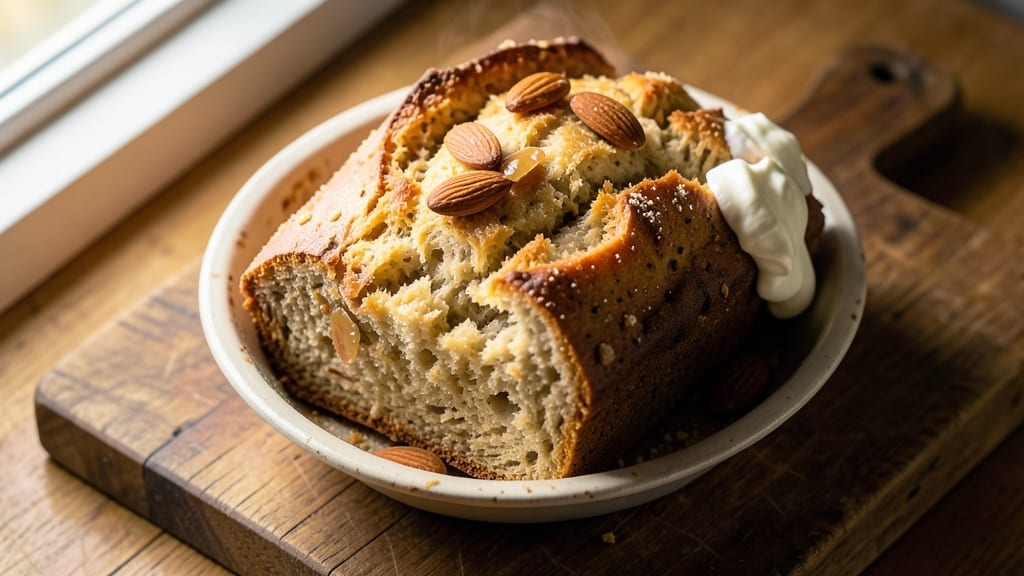
This Atkins diet bread recipe delivers a low-carb loaf that mimics the texture of traditional bread while keeping net carbs under 2 grams per serving. The secret lies in almond flour and coconut flour, which create a surprisingly soft yet sturdy crumb perfect for sandwiches or toast.
I've perfected this recipe over years of testing, ensuring it holds together without crumbling—something many low-carb breads struggle with.
What sets this recipe apart is its buttery crispness without the guilt. A touch of cream cheese and a sprinkle of psyllium husk create that familiar bread-like texture, while a light brush of melted butter before baking adds irresistible golden color.
The result? A loaf that's sliceable, chewy, and satisfying—not the dry, crumbly disappointment of many keto bread recipes.
Perfect for Atkins dieters who miss real bread, this recipe requires just 10 minutes of prep and 40 minutes in the oven. The combination of warm spices and a hint of tang from apple cider vinegar makes it taste like a classic loaf while staying firmly in keto-friendly territory.
Each slice delivers under 2g net carbs, making it ideal for low-carb enthusiasts who refuse to compromise on flavor or texture.
For those who want to customize, try adding seeds or shredded cheese to the batter before baking. The possibilities are endless while maintaining that essential low-carb integrity. Let's get baking—your taste buds won't believe this is keto-friendly!
Ingredients for atkins diet bread
Twelve ingredients transform into a low-carb loaf with the texture of artisanal bread.
| Ingredient | Amount | Notes |
|---|---|---|
| Almond Flour 🌰 | 2 ½ cups | Finely ground, unsweetened |
| Coconut Flour 🥥 | ½ cup | High-quality, measured by weight |
| Psyllium Husk Powder 🌿 | 2 tbsp | Pure, unsweetened |
| Cream Cheese 🧀 | 4 oz | Full-fat, room temperature |
| Unsalted Butter 🧈 | ½ cup | Melted, cooled slightly |
| Large Eggs 🥚 | 4 whole | Room temperature |
| Apple Cider Vinegar 🍏 | 1 tbsp | Raw, unfiltered preferred |
| Baking Powder 🍞 | 1 tsp | Aluminum-free |
| Salt 🧂 | ½ tsp | Fine sea salt |
| Ground Cinnamon 🌿 | ½ tsp | Freshly ground preferred |
| Garlic Powder 🧄 | ½ tsp | Not garlic salt |
| Xanthan Gum 🍞 | ¼ tsp | Pure, unsweetened |
| Warm Water 💧 | ½ cup | Not boiling |
The almond flour is non-negotiable here—Bob's Red Mill or Anthony's Goods brands deliver the finest grind, which is critical for that satisfying crumb. Coconut flour absorbs moisture like a sponge, so measure it by weight if possible for precision. Psyllium husk powder is the secret binder that prevents crumbling, and Now Foods offers a pure, unsweetened version perfect for this recipe. For the cream cheese, Philadelphia is a reliable choice, but any full-fat brand works—just ensure it's at room temperature when mixing. The butter should be high-quality, like Plugrá, and melted just until it's liquid but not hot.
No almond flour? Sunflower seed flour at a 1:1 ratio works, though texture will differ slightly. Coconut flour can be omitted entirely, but the bread will be denser—add an extra egg if you skip it. Substitute the psyllium husk with chia seeds soaked in water, though binding power will be reduced. For a tangier flavor, lemon juice instead of apple cider vinegar adds brightness. The baking powder must be aluminum-free to avoid metallic taste, and Diamond Crystal is a trusted brand. Xanthan gum is optional but enhances elasticity—omit if you're strict about avoiding additives.
This batter thickens quickly, so mix everything together within 10 minutes of adding the water. The dough will be sticky but manageable—don't overwork it. For best results, bake immediately, but the batter can be refrigerated for up to 24 hours in an airtight container. The loaf keeps well at room temperature for 3 days, though it's best enjoyed fresh. Store leftovers in the fridge and reheat slices in a toaster for that perfect crisp. Freezes beautifully for up to 3 months—wrap tightly in plastic wrap and foil for optimal texture preservation.
Why You'll Love This Recipe
- No Mixer Needed: Mixing this dough is ridiculously simple—just fold everything together with your hands. The psyllium husk powder does all the heavy lifting, binding it perfectly without overworking. I’ve made it while chatting on the phone, no joke.
- Rich Without Guilt: That cream cheese and butter combo? It’s the secret weapon here. The bread tastes buttery and satisfying, but since it’s low-carb, you won’t feel like you’re cheating. Honestly, my husband doesn’t even ask for regular bread anymore.
- Weeknight Sandwich Hero: Slice it up for BLTs, smash it with burgers, or toast it for avocado toast—this bread handles everything. It stays fresh for days, so you’re never scrambling to make toast in the morning. (Yes, even on a Tuesday night.)
- Budget-Friendly Staple: Almond flour and coconut flour might sound pricey, but a little goes a long way. One batch feeds my family for days, and the psyllium husk is a one-time buy that lasts forever. It’s my go-to for keeping carbs low without breaking the bank.
Step-by-step instructions for making low-carb Atkins bread
This method delivers a perfectly crisp crust and tender crumb every time—no guesswork involved.
Combine Dry Ingredients for Optimal Texture
In a large mixing bowl, whisk together the 2.5 cups almond flour, 0.5 cup coconut flour, 2 tbsp psyllium husk powder, 1 tsp baking powder, 0.5 tsp salt, 0.5 tsp ground cinnamon, 0.5 tsp garlic powder, and 0.25 tsp xanthan gum. Sift the mixture through a fine-mesh sieve to eliminate any lumps and ensure even distribution of ingredients. The psyllium husk powder is particularly important here—it's what creates that bread-like structure in low-carb baking.
I like to use a whisk for this step to fully aerate the dry ingredients. The coconut flour will absorb moisture differently than the almond flour, so thorough mixing prevents dense pockets in your final loaf. Set this mixture aside—you'll need it shortly.
Mix Wet Ingredients and Create the Dough
In a separate bowl, combine the 4 oz room-temperature cream cheese, 0.5 cup melted unsalted butter (cooled slightly), 4 whole large eggs, 1 tbsp apple cider vinegar, and 0.5 cup warm water. Whisk vigorously for 2-3 minutes until the mixture becomes thick and homogeneous. The vinegar helps activate the psyllium husk powder later, creating that essential bread-like structure.
Here's where it gets interesting—the dough should be quite thick, almost like a thick batter. If it looks too runny, add 1-2 tablespoons more almond flour from your dry mixture. The consistency should be similar to thick pancake batter but with more body. This is your target texture before combining with the dry ingredients.
Form the Dough and Let It Rest
Gradually add the dry ingredient mixture to the wet ingredients while stirring continuously with a spatula. The dough will become quite thick and sticky—this is normal. Once fully combined, cover the bowl with plastic wrap and let the dough rest at room temperature for 10 minutes. This brief rest allows the psyllium husk powder to begin its work, creating that essential bread-like structure.
After resting, the dough should be more pliable. If it's still too sticky to handle, wet your hands slightly and gently knead it for 1-2 minutes just to bring it together. Don't overwork it—this isn't traditional bread dough, and excessive handling can develop gluten-like properties that make the final product dense.
Shape and Bake for Perfect Crispness
Preheat your oven to 350°F and line a 9x5-inch loaf pan with parchment paper, leaving an overhang on the sides for easy removal. Transfer the dough to the prepared pan and press it down firmly but gently to fill the pan completely. The dough should reach the top edges—this ensures maximum crispness when baked.
Bake for 50-60 minutes until the top is deep golden brown and a toothpick inserted in the center comes out clean. The crust should be crisp while the interior remains tender. I find that baking for the full 60 minutes gives me that perfect balance of textures—crisp exterior with a soft, slightly chewy interior.
Cool and Slice for Maximum Freshness
Remove the bread from the oven and let it cool in the pan for 10 minutes. Then transfer it to a wire rack to cool completely. This cooling period is crucial—it allows the bread to set properly and prevents it from becoming gummy. The bread will be quite firm when hot but will soften slightly as it cools.
Slice the bread while still warm for the best texture—each slice should have that satisfying crispness on the outside with a tender crumb inside. Store any leftovers in an airtight container at room temperature for up to 3 days, or freeze for longer storage. The bread actually tastes better the next day as the flavors meld together.
Pro Tips For Making Atkins Diet Bread
- Mix the Psyllium Last: I learned this the hard way—adding psyllium husk powder early turns your dough into a gummy mess. Wait until after you’ve combined the wet ingredients (cream cheese, butter, eggs) and just before mixing in the dry flours. Stir it in quickly and fold gently—overmixing here makes the bread dense instead of light.
- Use Room-Temp Butter: Cold butter creates pockets of air that won’t release properly, leaving your bread with a weird, uneven crumb. Let the unsalted butter sit out for 30 minutes before creaming it with the cream cheese—just soft enough to press a finger into it, not melted. Trust me, your bread’s texture will thank you.
- Skip the Overproofing: This dough doesn’t need to rise like traditional bread. Once you’ve shaped it into a loaf, pop it straight into the oven—no waiting. I used to let mine sit for 20 minutes "to let it rise," and it came out gummy. Atkins bread relies on psyllium for structure, not yeast, so skip the extra time.
- Preheat Pan and Oven: The moment you shape this dough, it starts drying out. Place your loaf pan in the oven while it preheats to 350°F (175°C) for 10 minutes. Then add the dough and bake—this guarantees the edges set immediately, preventing a sad, cracked top. (Yes, even if you’re impatient like me.)
Pro cooking tips for perfect results
Psyllium Husk Magic
The psyllium husk powder is your secret weapon for that perfect bread-like texture. This fiber-rich ingredient binds the dough and mimics gluten's elasticity. I recommend Now Foods brand for its purity—just 2 tablespoons creates that satisfying chew.
When mixing, let the dough rest for 10 minutes after combining to fully activate the psyllium. This step prevents crumbling and gives you that classic bread structure without gluten. 🌿
Dough Consistency Tips
The dough will be sticky—this is normal! If it looks too runny, add 1-2 tablespoons more almond flour. Aim for a consistency similar to thick pancake batter but with more body. I find that wetting my hands slightly helps when shaping the dough without overworking it.
Remember, this isn't traditional bread dough—handle it gently to avoid developing unwanted density. The psyllium husk needs minimal manipulation to work its magic.
Baking for Perfect Crispness
For that buttery crispness, brush the top with melted butter after 30 minutes of baking. The oven should be 350°F for 50-60 minutes total. I use a 9x5-inch loaf pan lined with parchment paper for easy removal.
The bread is done when a toothpick comes out clean and the top is deep golden brown. Baking for the full 60 minutes gives the best balance—crisp exterior with a tender, slightly chewy interior.
Don't skip the cooling time—10 minutes in the pan followed by complete cooling on a wire rack is crucial for texture.
Troubleshooting Common Issues
If your bread turns out too dense, you may have overworked the dough or skipped the rest time. The psyllium husk needs that 10-minute rest to activate properly. For a lighter texture, ensure all ingredients are at room temperature—especially the eggs and cream cheese.
If the bread crumbles when slicing, it likely didn't rest long enough before baking. The secret is patience—let the dough and bread set properly at each stage. 💡
Equipment Essentials
You'll need a 9x5-inch loaf pan (I prefer Wilton for non-stick performance) and a fine-mesh sieve for sifting dry ingredients. A spatula with flexible edges helps scrape every bit of dough from the bowl. For best results, use a digital thermometer to monitor the oven temperature—fluctuations can affect texture.
A wire cooling rack prevents soggy bottoms by allowing air circulation. These tools make all the difference in achieving that perfect low-carb loaf every time.
Nutrition facts
Frequently asked questions
Why does this Atkins bread recipe use psyllium husk?
The psyllium husk powder is essential for replicating bread's structure without gluten. It binds the dough and creates that satisfying chew and elasticity. Just 2 tablespoons transforms this into a sliceable loaf instead of crumbly keto bread. Don't skip the 10-minute rest after mixing—this activates the psyllium's magic!
Can I make this bread without coconut flour?
Yes, but expect a denser texture. Coconut flour absorbs moisture differently than almond flour, creating that lighter crumb. If omitting, add 1 extra egg to compensate. The bread will still be delicious—just more substantial. For a 1:1 substitute, try sunflower seed flour, though flavor will differ slightly.
How do I prevent my low-carb bread from crumbling?
Crumbling usually means the psyllium husk didn't activate properly. Always let the dough rest for 10 minutes after mixing, and avoid overworking it. Press the dough firmly into the pan and bake for the full 50-60 minutes—rushing causes underdevelopment. The cooling period is also critical: 10 minutes in the pan followed by complete cooling on a rack.
What's the best way to store this Atkins bread?
Keep it in an airtight container at room temperature for up to 3 days. For longer storage, freeze slices wrapped in plastic wrap—thaw at room temperature or toast directly from frozen. The bread actually improves overnight as flavors meld! Reheat slices in a toaster for that perfect crisp. Never store in the fridge—it dries out too quickly.
Can I add cheese or seeds to this recipe?
For extra flavor, fold in 1/2 cup shredded cheddar or 2 tablespoons chia seeds with the wet ingredients. Sesame seeds or flaxseeds also work well. Just be mindful of moisture—add 1-2 tablespoons more almond flour if the batter becomes too runny. These additions boost protein and fiber while keeping net carbs under 2g per slice.