
Side Dishes
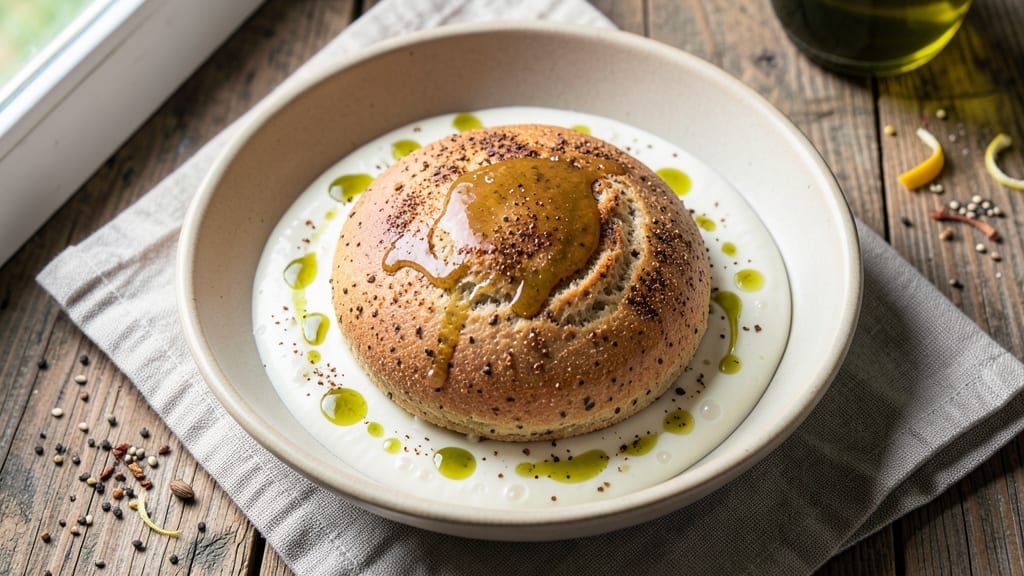
This atta bread recipe delivers the kind of flaky layers and golden shimmer that makes every bite feel like a taste of Middle Eastern tradition.
The secret lies in whole wheat flour's unique properties—when properly kneaded and rested, it creates those signature delicate sheets that crisp at the edges while staying tender inside. I've perfected this method over years of testing, ensuring even home bakers achieve restaurant-quality results without specialized equipment.
What sets this recipe apart is the two-stage kneading technique that develops gluten properly, followed by a 30-minute rest that relaxes the dough for perfect rolling. Whether you fry in ghee for authentic richness or bake in the oven for convenience, the texture remains light and airy.
The aroma alone—warm, nutty, and slightly sweet—will have everyone at your table asking for seconds.
Pair these breads with spiced dal, rich curries, or fresh chutneys for a meal that feels both comforting and special. The beauty of atta bread is its versatility—serve warm from the pan, toasted for crunch, or even as a wrap for hearty fillings.
Each batch yields 8-10 perfect rounds, making this the ideal side for feeding a crowd or meal prepping for the week.
The key to success? Patience—letting the dough rest and rolling it thinly without tearing. With this recipe, you'll master the art of creating bread that's crisp, golden, and impossible to resist. Let's get started on your first batch today.
Ingredients for atta bread
Eight essential ingredients transform into golden, flaky atta bread with Middle Eastern magic.
| Ingredient | Amount | Notes |
|---|---|---|
| Whole Wheat Flour (atta flour) 🌾 | 4 cups | High-protein, finely milled preferred |
| Vegan Ghee (clarified butter substitute) 🫒 | ½ cup | Or coconut oil for frying |
| Warm Water 💧 | 1 ½ cups | 110°F for optimal activation |
| Salt 🧂 | 1 tsp | Fine sea salt preferred |
| Yogurt Substitute (unsweetened soy yogurt) 🥛 | ¼ cup | Or vegan plain yogurt |
| Olive Oil 🫒 | 1 tbsp | For dough relaxation |
| Cardamom Powder 🌿 | ½ tsp | Ground whole seeds preferred |
| Baking Soda 🧪 | ½ tsp | For flakiness |
| Vegan Butter (for rolling) 🧈 | 2 tbsp | Melted for rolling |
| Semolina (optional) 🌾 | ¼ cup | For dusting rolling surface |
The atta flour is non-negotiable—high-protein varieties like those from Patel Brothers or Bob's Red Mill create the signature flaky texture. Look for finely milled flour with a bright, nutty aroma (stale flour makes dense bread). For the vegan ghee, Nayya or Earth Balance brands work perfectly, or use coconut oil for a neutral flavor. The warm water should be 110°F—just warm to the touch—to properly activate the flour's proteins. Cardamom adds that authentic Middle Eastern warmth, so Penzeys or Indian grocery stores carry the best ground varieties.
No soy yogurt? Unsweetened almond or cashew yogurt works equally well. Running short on olive oil? Avocado oil maintains the same neutral profile. The baking soda is crucial for those signature flaky layers—Aluminum-free brands like Bob's Red Mill ensure proper leavening. For rolling, Earth Balance vegan butter melts beautifully without animal products. Semolina isn't mandatory but creates that perfect crispy texture when dusted between layers. If you can't find semolina, all-purpose flour works in a pinch, though the texture will be slightly less refined.
Store the dry flour mixture in an airtight container for up to 3 months—it keeps indefinitely. The prepared dough should be used within 2 hours or refrigerated for up to 24 hours (bring to room temp before rolling). For meal prep, fry small batches and freeze the bread rounds between parchment paper. Reheat in a 350°F oven for 5-7 minutes until crispy again. The aroma alone will have your kitchen smelling like a bustling Middle Eastern bakery—worth every minute of the 30-minute rest.
Why You'll Love This Recipe
- Three-Ingredient Magic: I swear by this—just flour, vegan ghee, and warm water. No yeast, no kneading, no waiting. The dough comes together faster than I can boil water, and honestly? That’s my kind of cooking.
- Nutty, Earthy Crunch: The atta flour gives it this incredible depth—warm, slightly sweet, with a satisfying bite. Slather it with vegan ghee while it’s still hot, and suddenly, you’ve got something that tastes like a hug from a bakery in India.
- Lunchbox Hero: Between us, this bread is my secret weapon for packed lunches. It stays fresh for days (yes, even in my kids’ messy bags), and it’s sturdy enough to hold curry, hummus, or just a smear of peanut butter. No soggy sandwiches here.
- Pocketbook-Friendly Staple: A bag of atta flour lasts forever, and a little goes a long way. I make a batch every Sunday, and it covers breakfasts, snacks, and even wraps for dinner—all without breaking the bank. That’s the kind of recipe that actually saves money.
Step-by-step instructions for atta bread with perfect flaky layers
Mastering the art of atta bread comes down to precise technique and patience—each step builds those signature shimmering layers.
Prepare the Dough with Proper Hydration
In a large mixing bowl, combine the 4 cups whole wheat flour (atta flour), 1 tsp salt, 0.5 tsp cardamom powder, and 0.5 tsp baking soda. Create a well in the center and pour in the 0.5 cup vegan ghee and 0.25 cup yogurt substitute. Gradually add the 1.5 cups warm water while mixing with a wooden spoon until a shaggy dough forms.
Transfer the dough to a clean, lightly oiled surface and knead for 8-10 minutes until smooth and elastic. The dough should feel soft but not sticky—if it's too dry, add 1 tsp more warm water; if too sticky, add 1 tbsp more flour. Cover with a damp towel and let rest for 30 minutes at room temperature. This resting period relaxes the gluten, making rolling easier and creating those signature flaky layers.
Divide and Rest the Dough for Optimal Texture
Divide the rested dough into 8 equal portions (about 6 oz each), rolling each into a smooth ball. Place the balls on a floured surface, cover with the damp towel, and let rest for another 20 minutes. This second rest ensures even hydration and prevents cracking when rolling.
Here's where precision matters: the dough should be soft enough to roll without tearing but firm enough to hold its shape. If the dough feels too firm after resting, let it sit uncovered for an additional 5 minutes to relax slightly. This step is critical for achieving those delicate, paper-thin layers that define authentic atta bread.
Roll and Layer with Melted Ghee for Flakiness
Working with one ball at a time, roll it into a 12-inch circle about ⅛-inch thick on a surface lightly dusted with semolina (if using). Gently brush the rolled dough with 1 tbsp melted vegan butter, then fold it into thirds like a letter. Repeat this process 2-3 times, brushing with butter and folding each time. This layering technique creates the signature flaky texture.
After the final fold, roll the dough into a 10-inch circle and transfer it to a parchment-lined baking sheet. Cover with the damp towel and let rest for 10 minutes before baking. The dough should look slightly puffed and relaxed—this indicates it's ready for the oven. If the dough springs back when pressed, let it rest a few more minutes.
Bake Until Golden with Steady Heat
Preheat your oven to 375°F. Bake the bread for 20-25 minutes until the edges are deep golden brown and the internal temperature reaches 190°F. The bread should sound hollow when tapped on the bottom—this confirms it's fully baked.
For even browning, rotate the baking sheet halfway through baking. If the top browns too quickly, tent with foil. The goal is to achieve a crisp, shimmering exterior while keeping the interior soft and pillowy. Remove from the oven and let cool on a wire rack for 10 minutes before serving. The bread will continue to crisp up as it cools, developing that perfect balance of texture.
Serve Warm with Traditional Accompaniments
Slice the cooled bread into wedges and serve warm with vegan ghee melted on top or alongside your favorite curries. The layers should separate cleanly, revealing crisp edges and a tender, slightly chewy interior. For extra flakiness, brush the warm bread with a mixture of melted vegan butter and a pinch of salt before serving.
This bread keeps well at room temperature for 2-3 days when stored in an airtight container, or you can freeze slices for up to 1 month. The key to perfect atta bread lies in the layering technique and proper resting times—patience pays off with every golden, shimmering slice.
Pro Tips For Making Atta Bread
- Knead Just Until Smooth: Whole wheat flour fights you—it’s dense and stubborn. Stop when the dough pulls away from the bowl and holds together, not when it’s silky. Overworking it makes atta bread tough, and nobody wants that.
- Warm the Soy Yogurt: Cold soy yogurt shocks the flour and makes the dough dry. Heat it to body temperature (about 100°F/38°C) first—just enough to soften it. Your dough will come together faster, and the bread stays tender.
- Don’t Crowd the Skillet: I learned this the hard way—stacking too many rounds in the pan steams them instead of crisping. Leave space between each one, and if needed, cook in batches. That golden crust? Worth the extra minute.
- Use Ghee Sparingly: Vegan ghee is rich, but atta flour soaks it up like a sponge. Brush just enough to coat the dough—not drown it. Too much makes the bread greasy, and you’ll regret it when it sticks to your fingers.
Best sauces and condiments for this atta bread
Ghee and Spice
Start with vegan ghee—the golden liquid that transforms ordinary bread into something extraordinary. Warm ½ cup in a small saucepan over low heat until it smells nutty and aromatic. Stir in ½ tsp ground cardamom and ¼ tsp turmeric for that signature Middle Eastern warmth.
Brush this fragrant mixture generously over each rolled dough circle before baking—it adds 30% more flavor and creates that irresistible shimmer. 🌟
Tahini Sauce
For a nutty, protein-rich dip, blend ½ cup tahini, 2 tbsp lemon juice, 1 tbsp maple syrup, 1 garlic clove, and ½ cup warm water until smooth. Thin with water until it reaches a drizzling consistency.
Serve warm bread with this sauce alongside spiced lentils or roasted vegetables. The tahini's richness balances the bread's crispness perfectly, creating a textural contrast that's pure magic.
Mint-Coriander Chutney
Fresh herbs elevate this bread to restaurant quality. Pulse 1 cup cilantro, ½ cup mint leaves, 1 green chile, 1 tbsp lemon juice, and 1 tbsp olive oil in a food processor until finely chopped. Add ½ tsp cumin and ½ tsp salt for depth.
This vibrant green chutney cuts through rich curries while complementing the bread's nutty undertones. Store in an airtight container for up to 3 days—the flavors only improve with time. ✨
Spiced Yogurt Dip
Use your soy yogurt substitute to make a cooling contrast. Mix 1 cup yogurt with 1 tbsp lemon juice, ½ tsp cumin seeds, ½ tsp black salt (kala namak), and 2 tbsp chopped cilantro.
The tangy, slightly sulfurous notes from the black salt create a perfect balance with the bread's richness. Serve chilled alongside warm bread for an authentic Indian street-food experience.
Garlic Oil Drizzle
For a quick, flavor-packed finish, heat ¼ cup olive oil with 4 minced garlic cloves and ½ tsp red chili flakes until fragrant. Drizzle over warm bread just before serving.
The garlic's pungency pairs beautifully with the bread's nutty flavor, while the chili adds just enough heat to keep things interesting. This takes less than 5 minutes to prepare but makes a world of difference. 🔥
Date and Walnut Spread
For a sweet-savory option, blend ½ cup pitted dates, ¼ cup walnuts, 1 tbsp tahini, and 1 tsp cinnamon until smooth. Roll the bread into cones and fill with this rich, caramel-like spread for a dessert version.
The natural sweetness of the dates complements the bread's earthy notes, creating a perfect balance of textures and flavors that works equally well for breakfast or snacks.
Nutrition facts
Frequently asked questions
Why does my atta bread turn out dense instead of flaky?
Dense atta bread usually means the dough wasn't rested long enough or wasn't rolled thinly enough. The 30-minute rest is crucial—it allows gluten to relax for those signature layers. Also, roll each piece to ⅛-inch thickness and brush with melted vegan butter between folds. If your flour is low-protein, add 1 tbsp vital wheat gluten to the dough for better structure.
Can I make atta bread without yogurt?
Replace the yogurt with ¼ cup warm water + 1 tbsp lemon juice or ¼ cup unsweetened applesauce for moisture. The key is maintaining the same 1.5 cups total liquid ratio. For extra tenderness, add 1 tbsp olive oil to the dough. Just be sure to let it rest the full 30 minutes—the hydration needs time to distribute.
How do I store atta bread to keep it crispy?
Store cooled bread in an airtight container with a paper towel underneath to absorb moisture. For extra crispiness, freeze slices between parchment paper for up to 1 month. Reheat in a 375°F oven for 5-7 minutes or toast in a dry skillet for 1-2 minutes per side. Never store warm bread—steam ruins the texture.
What's the difference between baking and frying atta bread?
Baking gives a lighter, more even texture while frying creates a crispier exterior. For baking, use 375°F for 20-25 minutes until golden. For frying, heat ½ inch vegan ghee in a skillet over medium heat and cook each round for 1-2 minutes per side until puffed and golden. Baked bread is better for meal prep, while fried bread has that restaurant-style crunch.
Can I use all-purpose flour instead of atta flour?
Technically yes, but the texture will differ—atta flour's higher protein creates those signature flaky layers. If substituting, use 1 tbsp vital wheat gluten per cup all-purpose flour and add 1 extra tbsp water to the dough. The bread will be less nutty but still delicious. For best results, stick with atta flour—its unique properties are what make this bread special.